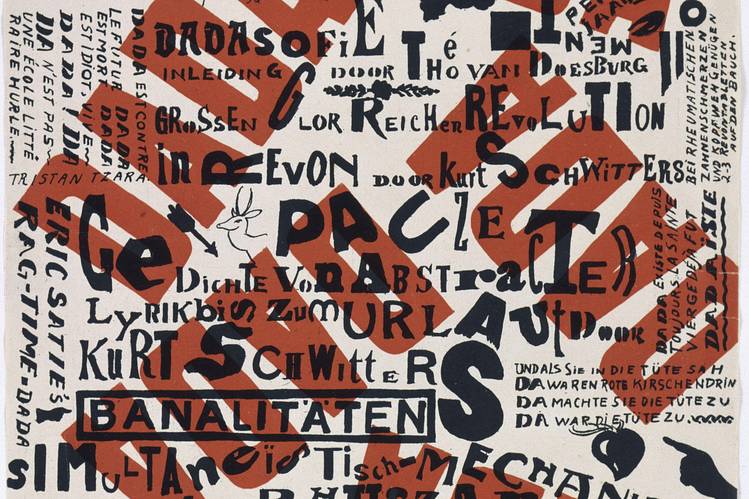
In the unstable field of 20th-century art, Kurt Schwitters became a visionary disruptor denying the agreed-upon order of the conventional expressions, through his Merz art. Born on June 20, 1887, in the city of Hannover, Germany, Schwitters braved the prevailing artistic constraints by leading the way in the use of found objects and materials in his innovative collages and assemblages. “Revolution of the Viaduct,” is a vivid example of his revolutionary art-making style created in 1919 still reverberates to this day, reminding us about his significant contribution to the art world. This article investigates the life and career of Kurt Schwitters, analyzes the revolutionary character of “Revolution of the Viaduct,” and gives evidence of the meaning and influence of his art for the world.
Who was Kurt Schwitters?
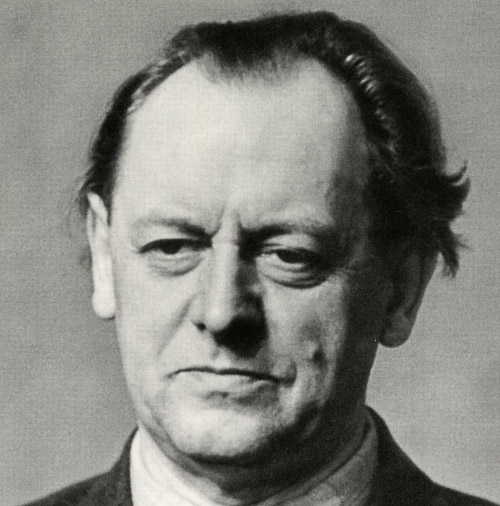
Kurt Schwitters, who was born in Hanover, Germany, in 1887, was a visionary artist with world-renowned creative accomplishments in the realm of modern art. From his childhood Schwitters demonstrated creative inclinations striving to explore different styles and unique methods. However, it was his adventure into the Merz technique that would eventually catapult him to become the luminaria of art.
His Career
During his artistic career, Schwitters displayed a remarkable resilience and ingenuity. Although this was against many odds and faced some opposition, he was always himself and would not give up on trying his best for the creative ends. As with Merz pieces, a collage-like composition and the use of found materials characterized geometric abstract paintings. They undermined common aesthetic perceptions. By the prodigious amount of work he accomplished and by being steadfast in his diligence to his art, Schwitters became a leading figure in Dadaism and Constructivism, a movement that is still affecting newer generations of artists.
What is Happening in Revolution of the Viaduct?
| Artist | Kurt Schwitters |
| Date Created | 1919 |
| Medium | Mixed Media |
| Genre | Dada |
| Period | Modernism |
| Dimensions | 35.6 x 40.6 cm |
| Series/Versions | N/A |
| Where is it housed? | Sprengel Museum, Hannover |
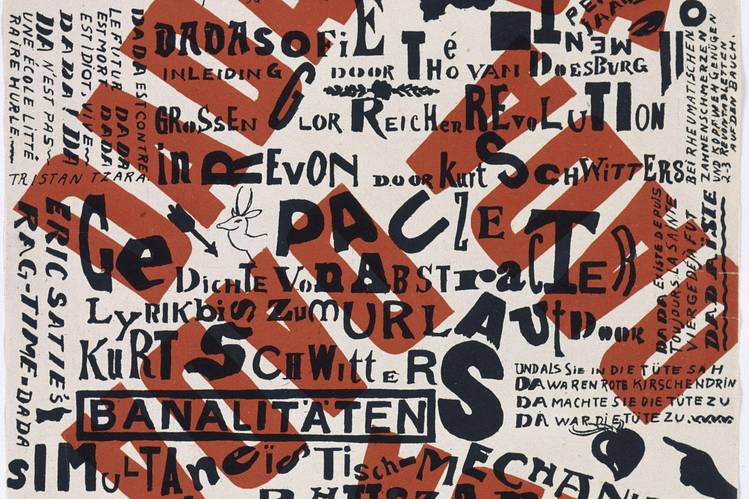
The “Revolution of Viaduct” is one of the best-known art creations of Schwitters. It was created in 1919. Having reflected on his Merz technique, the work has incorporated objects and materials into a piece that is both vibrant and inspiring. The painting presents an image of a messy intersection of lines, shapes, and textures that may look like an urban scene across chaos or at a distance.
In “Revolution of the Viaduct” Schwitters uses wood, cardboard and metal as his materials and thus creates a 3-dimensional collage, which in turn challenges traditional perceptions concerning perspective, depth and space. The stalk itself being a main actor is surrounded by winding framed figures and shattered imagery that represents change and movement.
Interesting Facts about the Artwork
Political Commentary: “Revolution of the Viaduct” demonstrates Schwitters involvement in political and social spheres of his time. The picturesque composition could be a reflection of the confusion and turmoil that dominated post-World War I Europe.
Influence of Dadaism: The artwork embodies the principles of the Dada movement, which sought to challenge conventional norms and provoke thought through unconventional means. Schwitters’ use of found materials and fragmented imagery aligns with Dadaist ideals of randomness and absurdity.
Continued Influence: With its creation dating back to a hundred years ago, “Revolution of the Viaduct’ is still relevant to modern artists and intellectuals. It revolutionized the way with which collage and assemblage were done. This contributed to the development of the abstract art in the future.
Frequently Asked Questions
What was Kurt Schwitters inspired by?
Schwitters was drawn to the newly formed Dada school shortly after World War I. Dada was a nihilistic literary and creative movement that aimed to destroy preexisting aesthetic norms.
Why was Kurt Schwitters important?
In 1917, Schwitters worked as a draftsman in the armed forces before experimenting with Cubist and Expressionist approaches. His earliest collages were created in 1918, and he coined the term “Merz” in 1919 to refer to all of his artistic endeavors, including collage and constructions, poetry, and other media.
Conclusion
Kurt Schwitters’ work “Revolution of the Viaduct” symbolizes him being a hero and having an impact in the world of art. With his odd doing and mind-blowing arrangements, Schwitters kicked the artist boundaries and built a new direction for all art in the future.