


El Greco, a painter with a penchant for drama and a knack for stretching reality like Silly Putty, is a true art-world rockstar. Born in Crete in 1541 and eventually making his way to Spain, he left an indelible mark on the Spanish Renaissance art scene. In this delightful tour, we’ll be unraveling the enigmatic charm of El Greco’s top 15 famous paintings. From celestial visions to earthly delights, his work is a whirlwind of colors and elongated forms that’ll have you saying, “Is this real life?” So, strap in for a whimsical journey through the world of El Greco’s masterpieces.
1. The Burial of the Count of Orgaz (1586-1588)

| Date Completed | 1586-1588 |
| Dimensions | 480 cm × 360 cm (189 in × 142 in) |
| Location | Santo Tomé, Toledo, Spain |
“The Burial of the Count of Orgaz” is like a Renaissance party on canvas, a great celebration of life, death, and the divine. This monumental masterpiece, measuring a whopping 480 cm by 360 cm, is a spectacular portrayal of the Count of Orgaz receiving the celestial VIP treatment from Saint Stephen and Augustine. With a canvas as vast as a football field, El Greco’s celestial soiree is an artistic marvel that captures the imagination. This masterpiece was completed in the year between 1586-1588.
2. View of Toledo (c. 1596-1600)
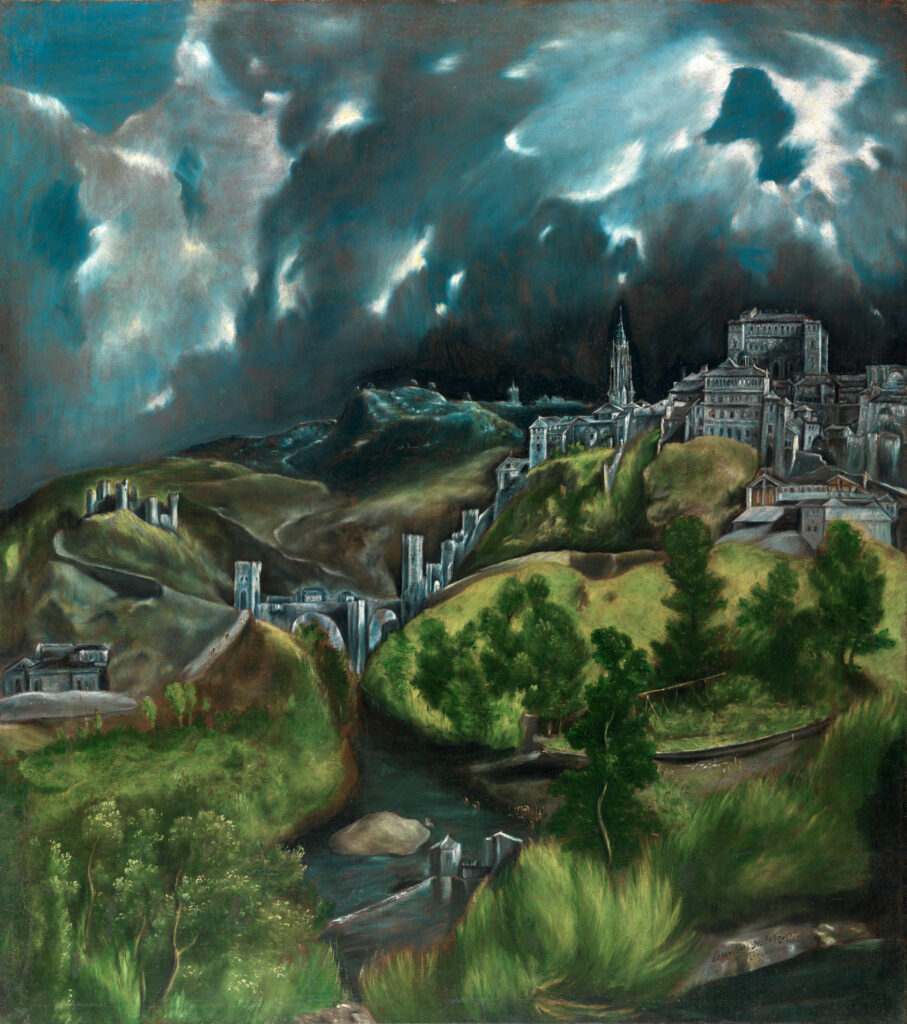
| Date Completed | c. 1596-1600 |
| Dimensions | 121 cm × 108 cm (48 in × 43 in) |
| Location | Metropolitan Museum of Art, New York, USA |
“View of Toledo” is not just a painting; it’s a journey through a city seen through the eyes of a master illusionist. El Greco’s unique perspective turns the picturesque cityscape into a visually intriguing rollercoaster ride. The canvas might be a mere 121 cm by 108 cm, but the artistic ride it offers is as wild as any theme park adventure. This was one of the best works of the 15th century.
3. The Assumption of the Virgin (1577-1579)
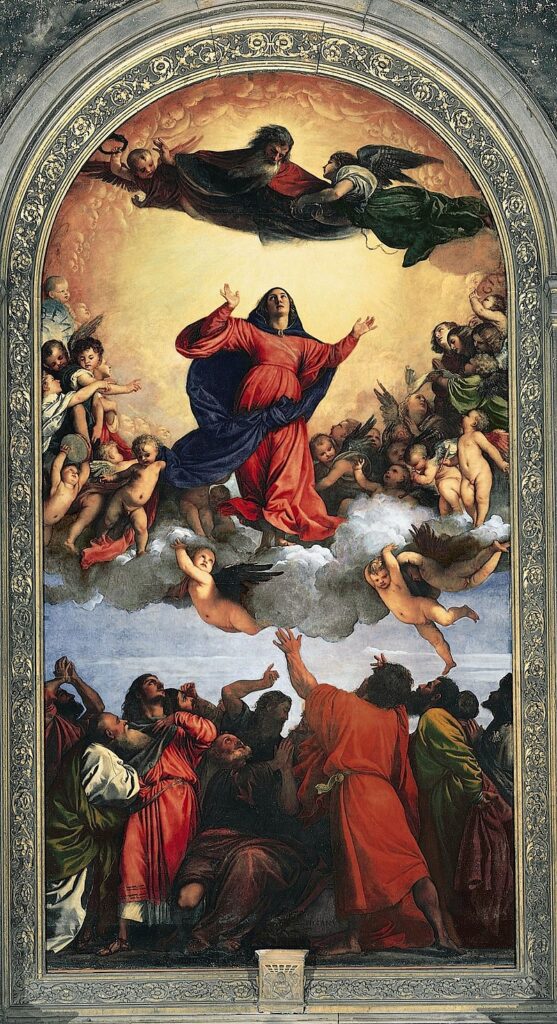
| Date Completed | 1577-1579 |
| Dimensions | 401 cm × 228 cm (158 in × 90 in) |
| Location | Art Institute of Chicago, USA |
“The Assumption of the Virgin” is like witnessing the world’s most dramatic trampoline act. This mind-boggling artwork measures a colossal 401 cm by 228 cm, making it a visual feast that’s larger than life. The Virgin Mary’s high-flying act here makes her the Cirque du Soleil star of the Renaissance, complete with vibrant colors and celestial grace.
4. Christ on the Cross (c. 1600-1610)
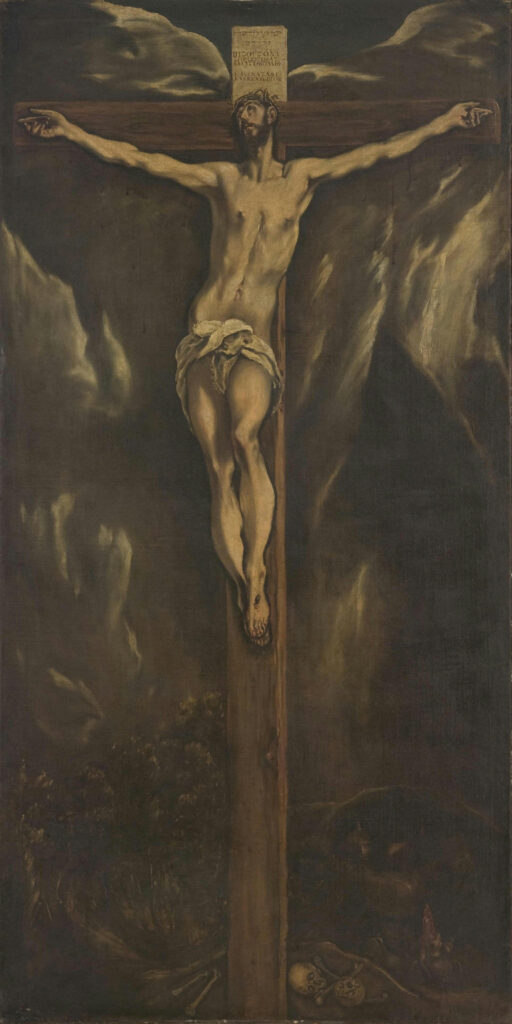
| Date Completed | c. 1600-1610 |
| Dimensions | 244 cm × 168 cm (96 in × 66 in) |
| Location | National Gallery, London, UK |
“Christ on the Cross” is a dramatic rollercoaster of emotion that stretches across a canvas measuring 244 cm by 168 cm. El Greco’s use of color and those iconic elongated forms will have you feeling the holy drama in larger-than-life proportions. It’s like an emotional opera in paint!
5. The Opening of the Fifth Seal (c. 1608-1614)

| Date Completed | c. 1608-1614 |
| Dimensions | 224 cm × 199 cm (88 in × 78 in) |
| Location | Metropolitan Museum of Art, New York, USA |
“The Opening of the Fifth Seal” is a grand spectacle, a canvas that stretches 224 cm by 199 cm and bursts with divine energy. This piece, inspired by the Book of Revelation, is like the grand finale of a fireworks show, but with angels, martyrs, and a whole lot of drama. El Greco doesn’t just paint, he choreographs celestial drama.
6. St. Martin and the Beggar (c. 1597-1599)
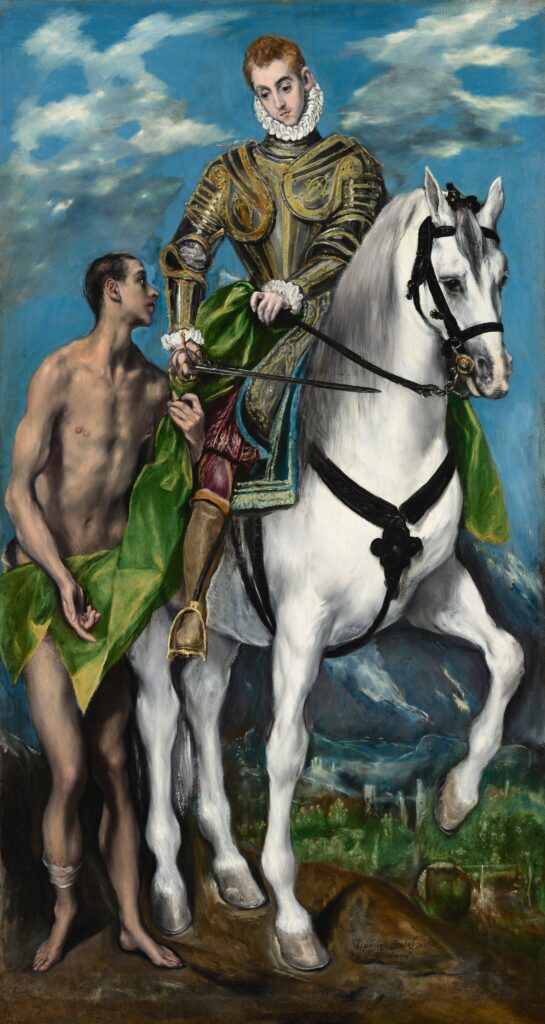
| Date Completed | c. 1597-1599 |
| Dimensions | 187 cm × 102 cm (74 in × 40 in) |
| Location | Art Institute of Chicago, USA |
“St. Martin and the Beggar” is like an exquisite charity fashion show, condensed into a canvas measuring 187 cm by 102 cm. St. Martin is rocking that cloak like it’s the latest haute couture, and the beggar’s expression? Priceless! This compact masterpiece packs a fashionable punch.
7. St. Jerome as a Cardinal (c. 1590-1600)
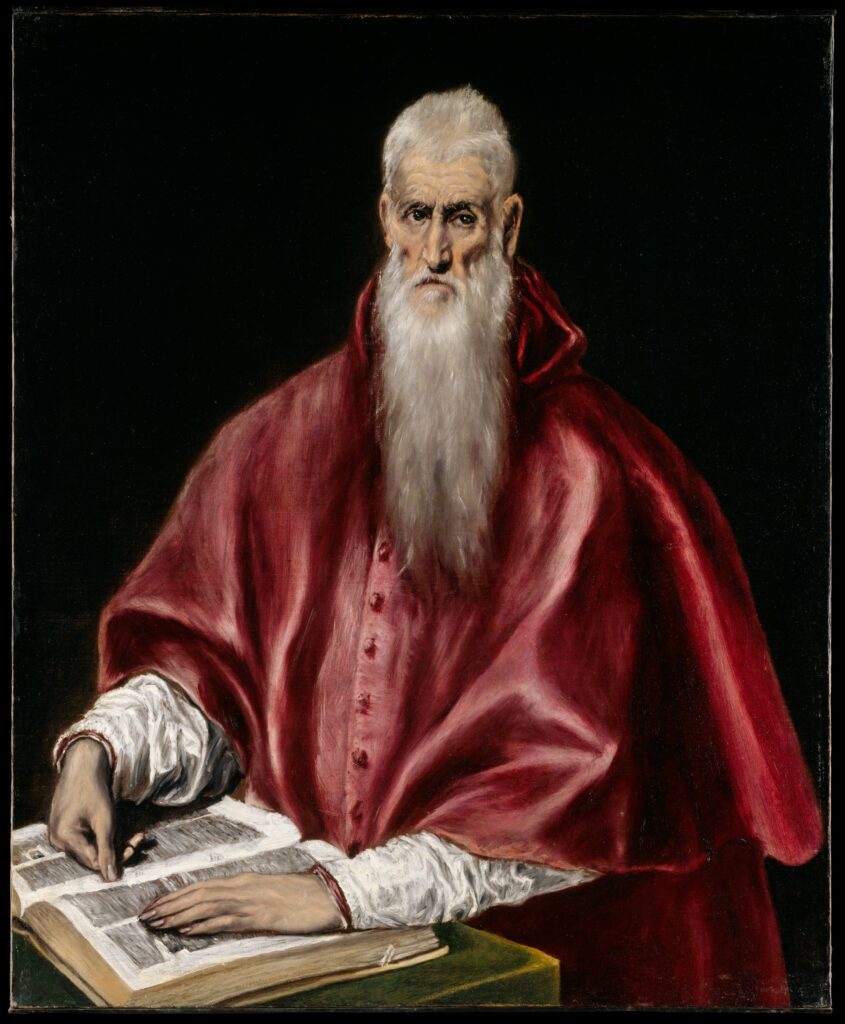
| Date Completed | c. 1590-1600 |
| Dimensions | 118 cm × 98 cm (47 in × 39 in) |
| Location | Museo Nacional del Prado, Madrid, Spain |
“St. Jerome as a Cardinal” is a compact gem of Renaissance art, measuring 118 cm by 98 cm. It’s a classic Renaissance “Who wore it better?” moment. St. Jerome gives us serious cardinal style goals, and El Greco nails the portrait like a pro. Sometimes, good things come in small, beautifully detailed packages.
8. The Annunciation (1596-1600)
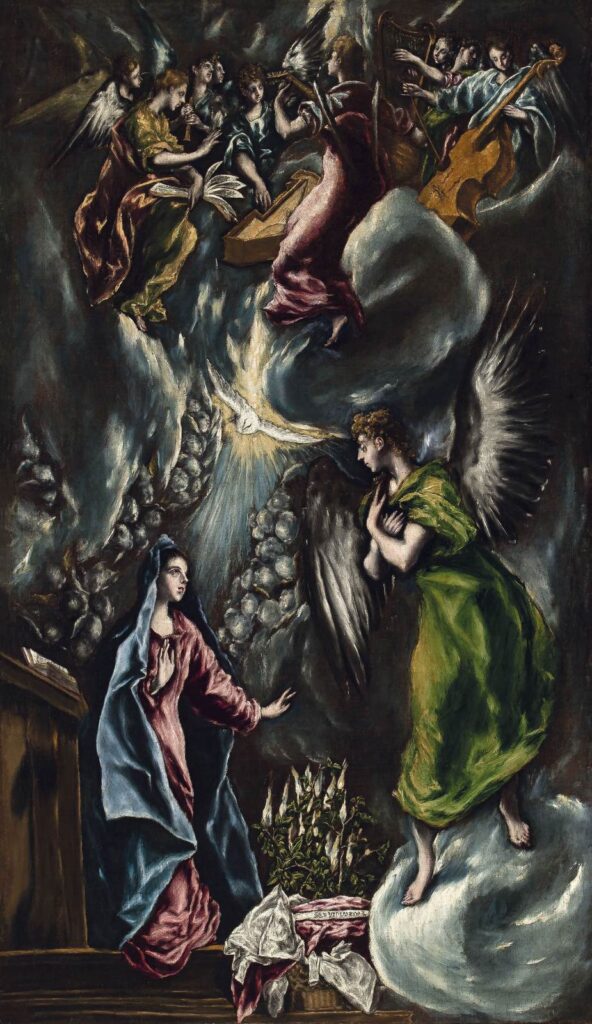
| Date Completed | 1596-1600 |
| Dimensions | 122 cm × 105 cm (48 in × 41 in) |
| Location | Museo del Prado, Madrid, Spain |
“The Annunciation” is like a divine message crammed into a canvas measuring 122 cm by 105 cm. El Greco’s version of the Virgin Mary’s baby news is a colorful and spirited announcement. It’s a small but mighty masterpiece that packs a heavenly punch.
9. Portrait of a Gentleman (c. 1570-1575)
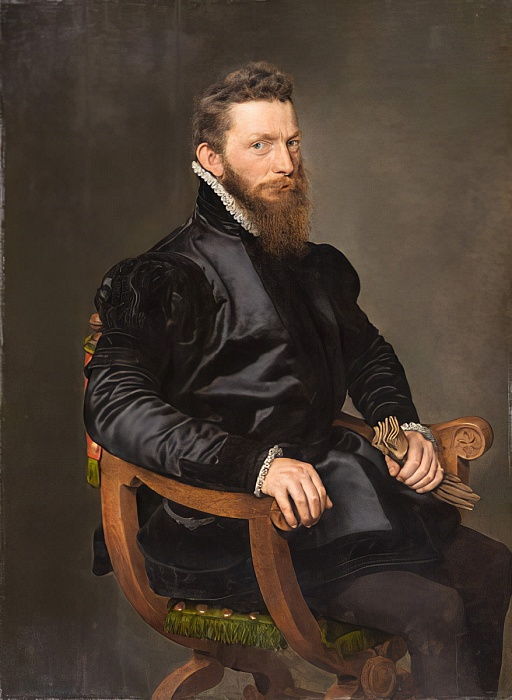
| Date Completed | c. 1570-1575 |
| Dimensions | 97 cm × 77 cm (38 in × 30 in) |
| Location | The Frick Collection, New York, USA |
“Portrait of a Gentleman” is like a Renaissance selfie, capturing the essence of a mysterious gentleman in a compact canvas measuring 97 cm by 77 cm. The gentleman is serving us with a smoldering gaze that’ll have you thinking, “Swipe right!” It’s a captivating snapshot of Renaissance charisma.
10. Laocoön (1610-1614)
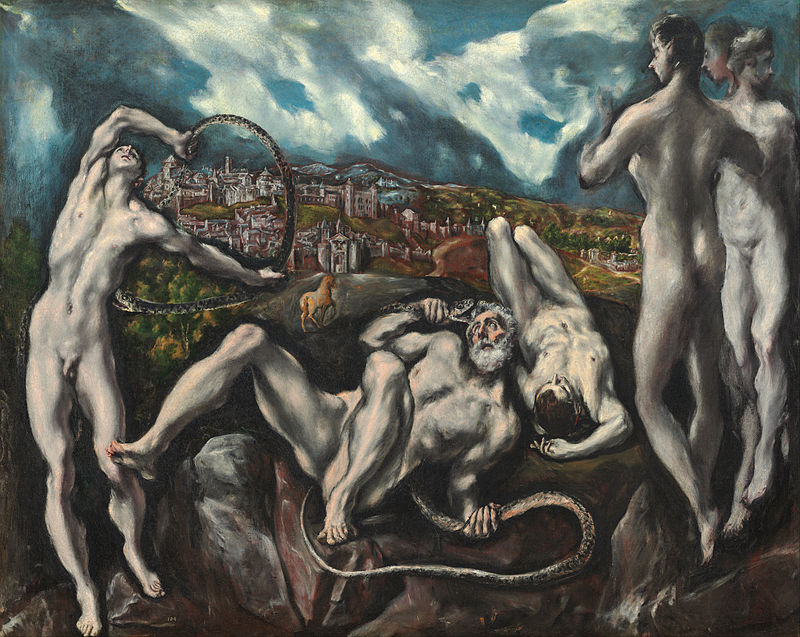
| Date Completed | 1610-1614 |
| Dimensions | 220 cm × 182 cm (87 in × 72 in) |
| Location | National Gallery, Washington, D.C., USA |
“Laocoön” is a Greek tragedy in oil paint, a theatrical performance that unfolds on a canvas measuring 220 cm by 182 cm. El Greco’s rendition of Laocoön’s snakey predicament is both mesmerizing and intense, like a dramatic scene from a soap opera. It’s a canvas that allows you to get lost in its storytelling.
11. The Adoration of the Shepherds (1612-1614)
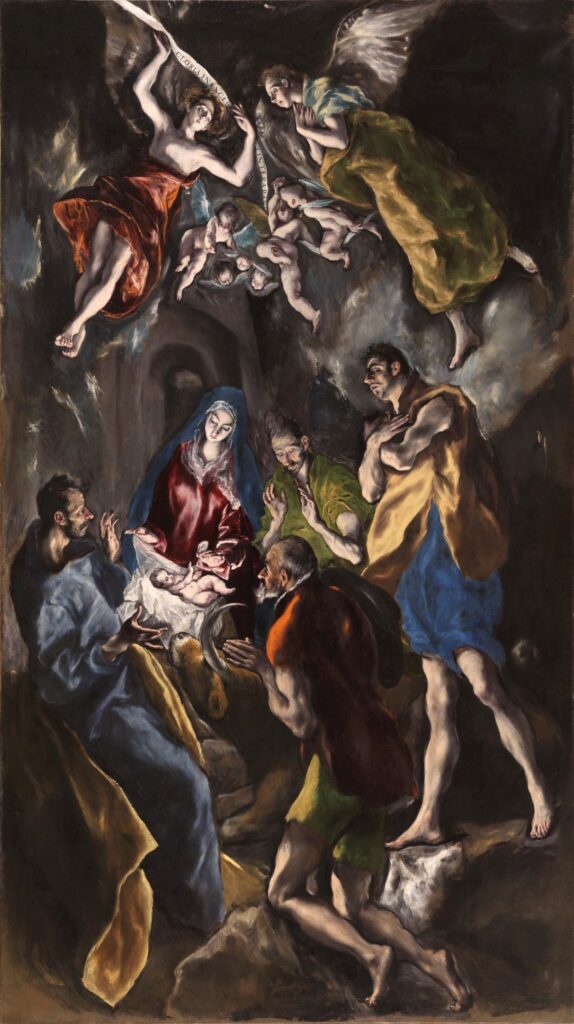
| Date Completed | 1612-1614 |
| Dimensions | 100 cm × 77 cm (39 in × 30 in) |
| Location | Museo Nacional del Prado, Madrid, Spain |
“The Adoration of the Shepherds” is like an exclusive backstage pass to a cosmic event, crammed into a canvas measuring 100 cm by 77 cm. It’s like the baby Jesus is a superstar at a VIP afterparty, and the shepherds are the lucky fans who made it in. A small canvas with a big celestial party!
12. The Baptism of Christ (1597-1603)
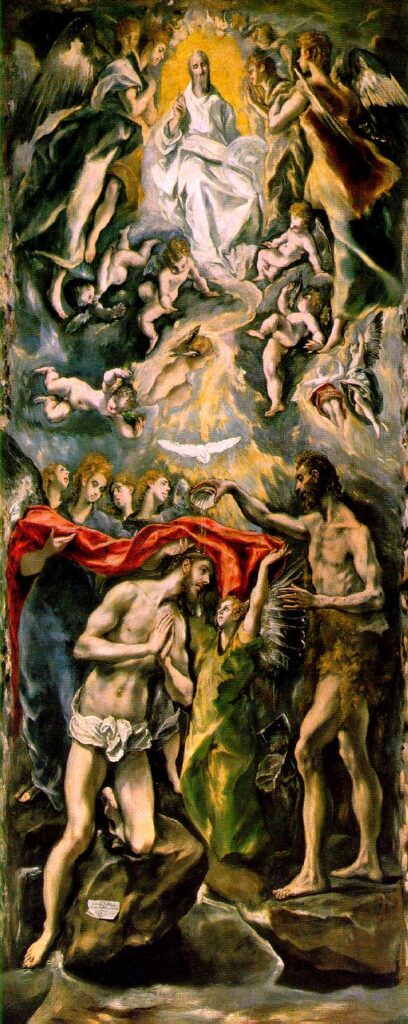
| Date Completed | 1597-1603 |
| Dimensions | 199 cm × 106 cm (78 in × 42 in) |
| Location | Museo Nacional del Prado, Madrid, Spain |
“The Baptism of Christ” makes a holy splash on a canvas measuring 199 cm by 106 cm. El Greco’s vibrant use of color and surreal composition will have you believing that the Jordan River was the hottest spot in town. It’s a canvas that’s big on spiritual energy.
13. St. Peter in Tears (c. 1600-1610)
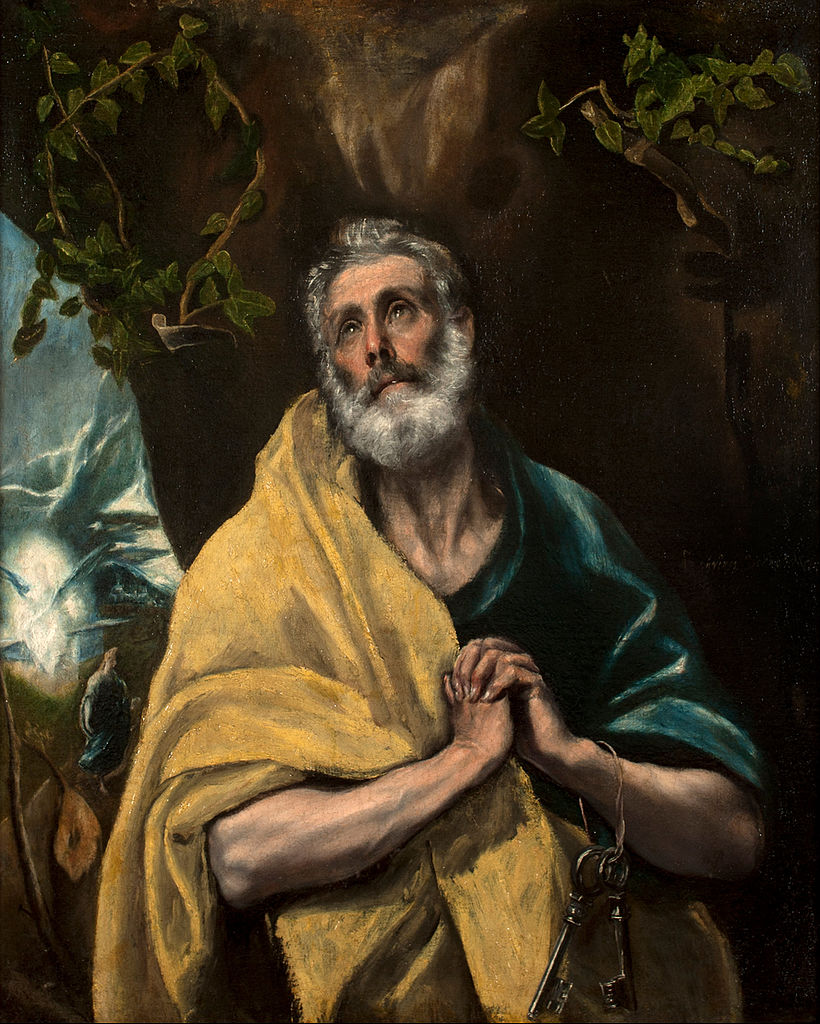
| Date Completed | c. 1600-1610 |
| Dimensions | 94 cm × 78 cm (37 in × 31 in) |
| Location | Private Collection |
“St. Peter in Tears” is like a Renaissance therapy session in a compact canvas measuring 94 cm by 78 cm. St. Peter’s face is all the mood you need, and you can almost hear him saying, “I’m not crying, you are!” This small canvas delivers big on emotional impact.
14. St. Francis Receiving the Stigmata (1587-1595)
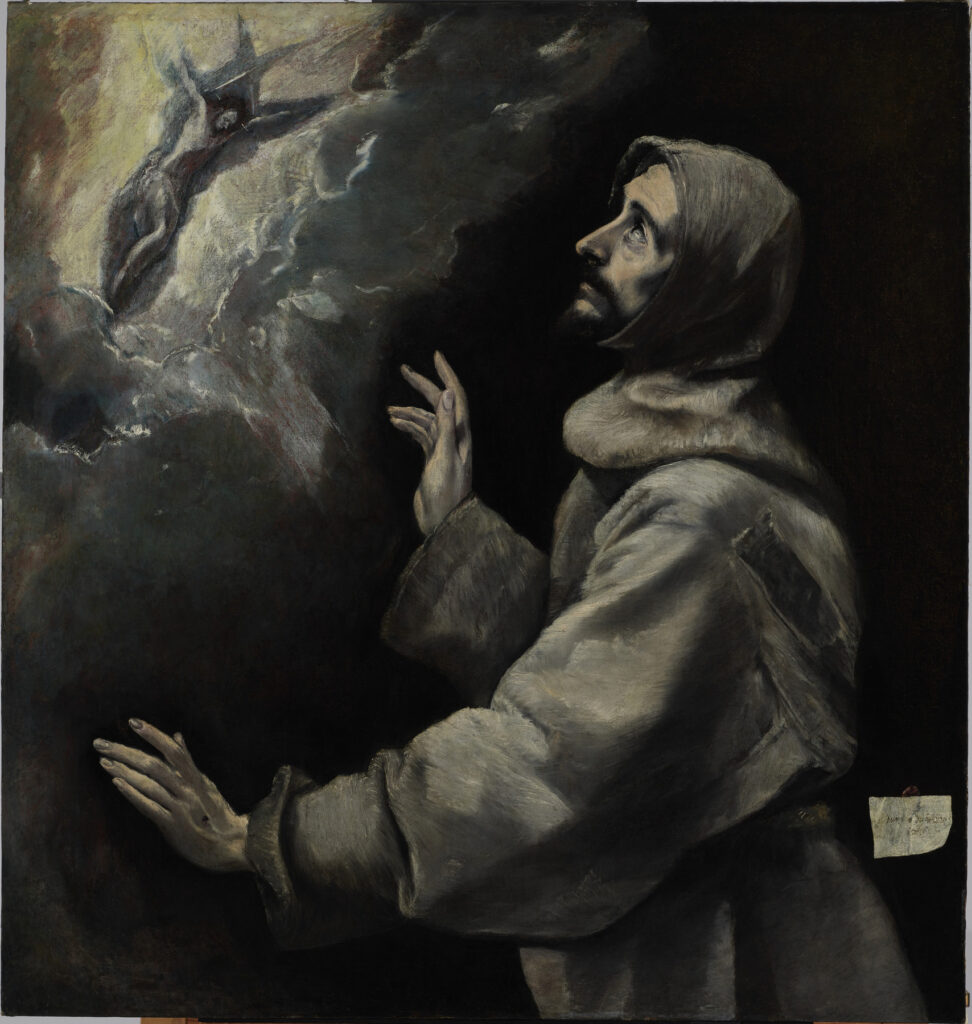
| Date Completed | 1587-1595 |
| Dimensions | 114 cm × 79 cm (45 in × 31 in) |
| Location | The Frick Collection, New York, USA |
“St. Francis Receiving the Stigmata” is like an exclusive body modification club, compacted into a canvas measuring 114 cm by 79 cm. St. Francis is getting the celestial ink treatment, and El Greco captures the moment with ethereal intensity. A small masterpiece that’s big on spirituality.
15. The Resurrection (1596-1600)
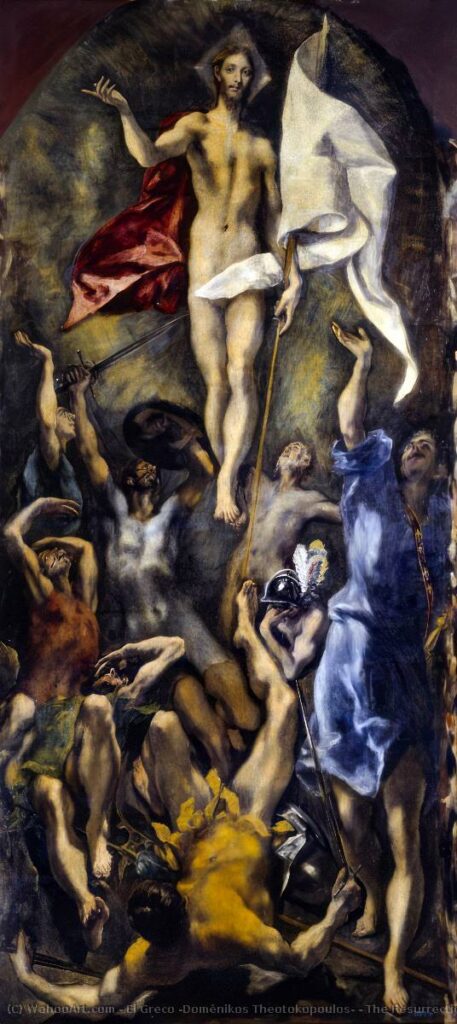
| Date Completed | 1596-1600 |
| Dimensions | 112 cm × 65 cm (44 in × 26 in) |
| Location | Museo del Prado, Madrid, Spain |
“The Resurrection” is like Jesus popping out of a cosmic Easter egg, crammed into a canvas measuring 112 cm by 65 cm. El Greco’s vibrant use of color and spiritual energy make this a resurrection party you won’t want to miss. It’s a small canvas with a big celestial bang.
Frequently Asked Questions
What was one of El Greco most famous painting?
The Disrobing of Christ is among El Greco’s famous altarpieces. El Greco is well known for his dramatic compositions and inventive inventions in his altarpieces.
What are the characteristics of El Greco paintings?
Modern historians have described El Greco as an artist who is so unique that he doesn’t belong to any traditional school. His trademark torturously stretched forms and frequently strange or phantasmagorical coloring, which combine Western painting techniques with Byzantine traditions.
Conclusion
El Greco’s masterpiece are a wild and whimsical journey into the colorful and dramatic world of this Renaissance maverick. From celestial soirées to earthly spectacles, his paintings take you on a ride you won’t soon forget. So, whether you’re a seasoned art enthusiast or a casual admirer, El Greco’s masterpieces are a must-see for anyone looking to add a little whimsy and wonder to their art world adventures. Enjoy the ride and let El Greco’s magical art take you on a rollercoaster of emotions and experiences!


