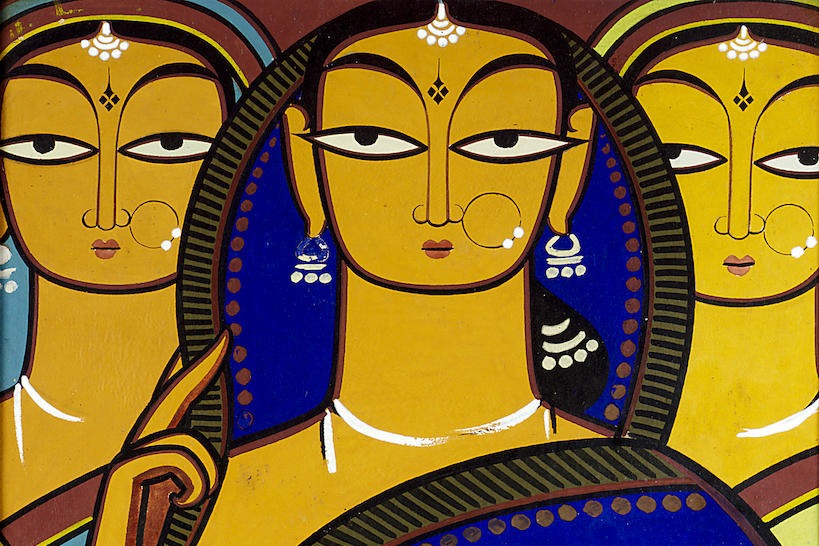
Have you ever heard of Jamini Roy? If your answer is not then don’t worry we will tell you. Jamini was an Indian artist who took the art scene to the next level by mixing traditional folk vibes with modern art. One of his coolest pieces is Bride and Two Companions which is like a snapshot of rural Bengal life. Let’s dive into the fascinating world of Jamini Roy, check out his career, and discuss in detail about Bride and Two Companions.
Who was Jamini Roy?
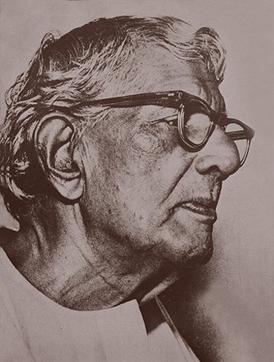
Jamini Roy was this artistic wizard from West Bengal. Despite not rolling in dough, he chased his passion for art and studied at the Government College of Art in Kolkata. He was heavily influenced by the folk art of Bengal, and it totally shaped his unique style. He wasn’t into the whole elitist scene – he wanted art to be for everyone.
His Career
Jamini Roy started off with the whole formal painting scene but then did a 180 and embraced the local vibes of Bengal. His art showcased everyday rural life, from village shindigs to religious gigs. The guy was all about making art that everyone could vibe with. His art wasn’t just about looking pretty; it was about telling stories and celebrating culture.
Roy wasn’t satisfied with just sticking to one style. He was all about pushing boundaries and experimenting. He played around with different mediums like nobody’s business. From tempera on canvas to woodcuts, he did it all. But no matter what he tried, his art always had that unmistakable Roy touch – bold, colorful, and full of life.
What is Happening in Bride and Two Companions?
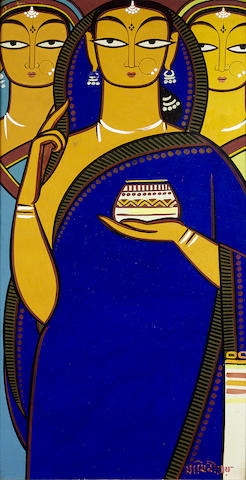
| Artist | Jamini Roy |
| Date Created | 1936 |
| Medium | Tempera on Canvas |
| Genre | Folk Art |
| Period | Modern Indian Art |
| Dimensions | 81.3 cm × 63.5 cm |
| Series/Versions | N/A |
| Where is it housed? | National Gallery of Modern Art, New Delhi |
This masterpiece was created in 1936 and captures a classic moment from rural Bengali life. You’ve got a bride looking all regal, flanked by two buddies. The cool part? It’s like a blast from the past, painted with earthy colors and bold lines. The bride’s got this serene vibe, and her pals scream unity and togetherness. It’s like a cultural hug on canvas!
Analysis of Bride and Two Companions
You know what’s really cool about Jamini Roy? He had this amazing knack for mixing tradition with a fresh twist, making his art totally captivating. Take Bride and Two Companions for example – it’s like a big hug from rural Bengal, full of warmth and simplicity. Each stroke of his brush feels like it’s whispering tales of love, laughter, and all the little joys of life in the countryside. You can just feel his passion for his roots shining through every detail in the painting.
Interesting Facts about the Artwork
Mix and Match: Jamini Roy didn’t deal in the single art genre. He also acquired skills in woodcuts and Kalighat-style paintings. No doubt, he was a versatile artist.
Culture Vibes: Every inch of the painting speaks Bengal culture. From the bride’s outfit to the background patterns, it’s a visual love letter to rural Bengal.
Folk Tales: Roy’s art wasn’t just about aesthetics; it was about storytelling. Bride and Two Companions tells a tale of camaraderie and anticipation, capturing the essence of rural Bengal life.
Cultural Legacy: Jamini Roy’s influence extended far beyond the art world. He inspired a whole generation of artists to embrace their cultural heritage and create art that resonated with the masses.
Jamini Roy’s Legacy: An Artistic Revolution
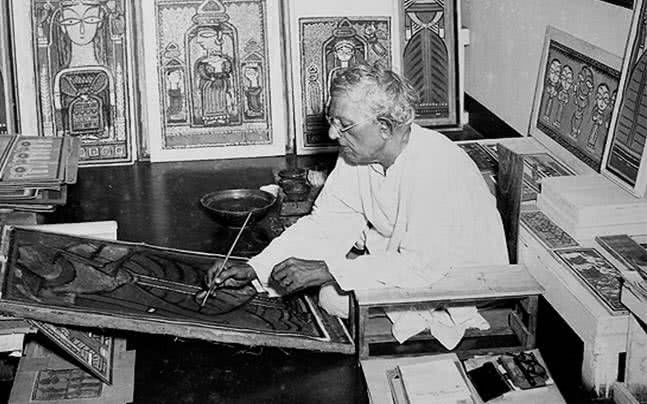
As we stand in awe of Bride and Two Companions, it’s impossible to overlook the larger impact of Jamini Roy’s legacy. He wasn’t just an artist; he was a revolutionary who redefined the trajectory of Indian art.
His legacy extends beyond canvases and galleries. His art is truly influential for generations of artists. Jamini Roy’s brush may have stilled, but his spirit lives on in every stroke, every color, and every story captured on canvas.
Conclusion
Bride and Two Companions isn’t just any old painting; it’s like a showcase of Jamini Roy’s incredible talent. When you look at this masterpiece, it’s not just about seeing a snapshot of Bengal life. It’s like Roy took a brush and said, “Hey, let’s shake things up a bit!” He kind of pioneered this whole new style of art.