



Alex Katz, one of the famous contemporary artists in the American art field, is renowned for his unique style encompassing breathtaking colors, plain forms, and flat surfaces. Among his multifaceted works “The Green Cap” is a perfect example of how Katz is artistic about capturing the mood of the time and moment through his special lens.
Who was Alex Katz
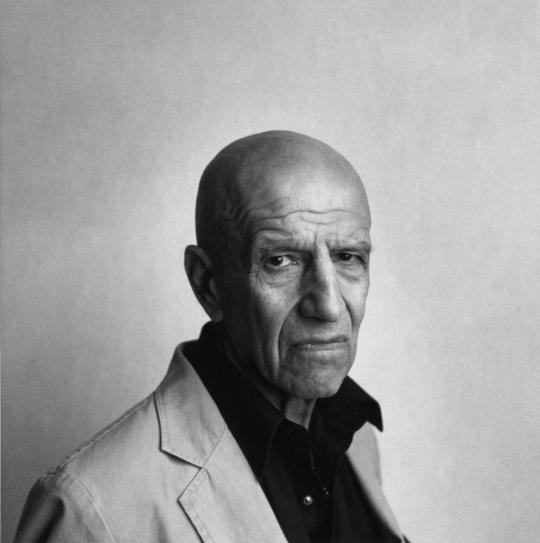
Alex Katz, whose birth was in the year 1927 in Brooklyn, New York, gradually became one of the important figures of 20th-century American painting. Besides his realistic portraits and landscapes, he caught people’s attention and became one of the leading proponents of the Pop Art movement. Katz’s artistic style is characterized by its immersion into surfaces and its success of replicating a now instantaneous life through painting.
FUN FACT: Katz has developed a unique technique where he paints with swift, confident brushstrokes, capturing the essence of his subjects with remarkable speed and precision.
His Career

Katz sculpted over 7 decades and simultaneously moved the boundaries of figurative art. He formed the signature style in the 1950s that is characterized by stripping down forms and using wide areas of colors creating contrasting compositions. During his career, he continued reminiscing on human conditions and on his surroundings, which brings in his friends, family, and scenes from our daily life.
Katz’s journey as an artist started with his studies at the Cooper Union Art School in New York CIty and eventually continued at the Skowhegan School of Painting and Sculpture in Maine. While using an insightful perspective, this period of his life developed a unique style of painting distinguished by the rich colors, clear forms, and flat surface.
In the 1960s, Katz was recognized by many with the Pop Art movement association. Still, he refused to group within a specific art movement. He derived his inspiration from different sources – advertising, fashion, and pop culture, but what really distinguished him from everyone else was the unique artistic view that his work possessed.
During the course of his professional career, Katz has had his paintings displayed in major galleries and museums worldwide becoming a symbol of his generation and a well-acclaimed artist. Moreover, it is his legacy which remains relevant and invaluable to lovers of art with its distinct style and enduring glory.
What is Happening in “The Green Cap”

| Artist | Alex Katz |
| Date Created | 1985 |
| Medium | Oil on canvas |
| Genre | Figurative |
| Period | Contemporary |
| Dimensions | 70 x 60 inches |
| Series/Versions | N/A |
| Where is it housed? | Private Collection |
“The Green Cap” is a captivating portrait that exemplifies Katz’s ability to distill a scene to its most essential elements while retaining its emotional impact. In this painting, a figure with a green cap occupies the center of the composition, their gaze directed outward, suggesting a sense of introspection or contemplation. The background is rendered in vibrant hues, creating a dynamic contrast that draws the viewer’s eye to the central figure. Katz’s use of bold, expressive brushstrokes adds a sense of energy and movement to the piece, imbuing it with a palpable sense of life and vitality.
The figure’s identity is ambiguous, inviting viewers to project their own interpretations onto the canvas. Katz often drew inspiration from the people around him, including friends, family, and acquaintances, but he was less concerned with capturing a specific likeness than with conveying a mood or atmosphere. In “The Green Cap,” the figure becomes a symbol of contemplation and self-reflection, their enigmatic presence inviting viewers to ponder the mysteries of human experience.
The green cap worn by the figure serves as a focal point of the composition, its vibrant hue contrasting sharply with the surrounding colors. Katz was known for his keen attention to fashion and its role in shaping personal identity, and here the cap becomes a potent symbol of individuality and self-expression. Its presence adds a layer of intrigue to the painting, hinting at a narrative that extends beyond the confines of the canvas.
Interesting Facts about “The Green Cap”:
Color Palette: Katz’s choice of color in “The Green Cap” is evident, and the emphasis placed on the green of the cap is deliberately strong in comparison to the warm tones of the background. This dialectical approach gives the entire composition depth and visual appeal.
Gesture and Expression: While Katz keeps it simple with the body’s shapes, his skill shows well in the figure’s pose and mind expression. The subtle head turn and mysterious gaze brought an extra attraction to the painting.
Influence of Fashion: In this regard, the green hat on the figure in the painting is symbolic of the artist’s fascination with fashion itself and its ability to define identity. The cap highlights the composition by providing a point of interest for the viewers to ponder on its importance concerning the larger story.
Legacy and Influence: “The Green Cap” signifies the persistence of Katz’s legacy among contemporary figurative art. His radical and illustrative way of expression is the milestone that shaped many artists and still thrills the people of all nationalities.
Artwork Spotlight: Prayer Tree
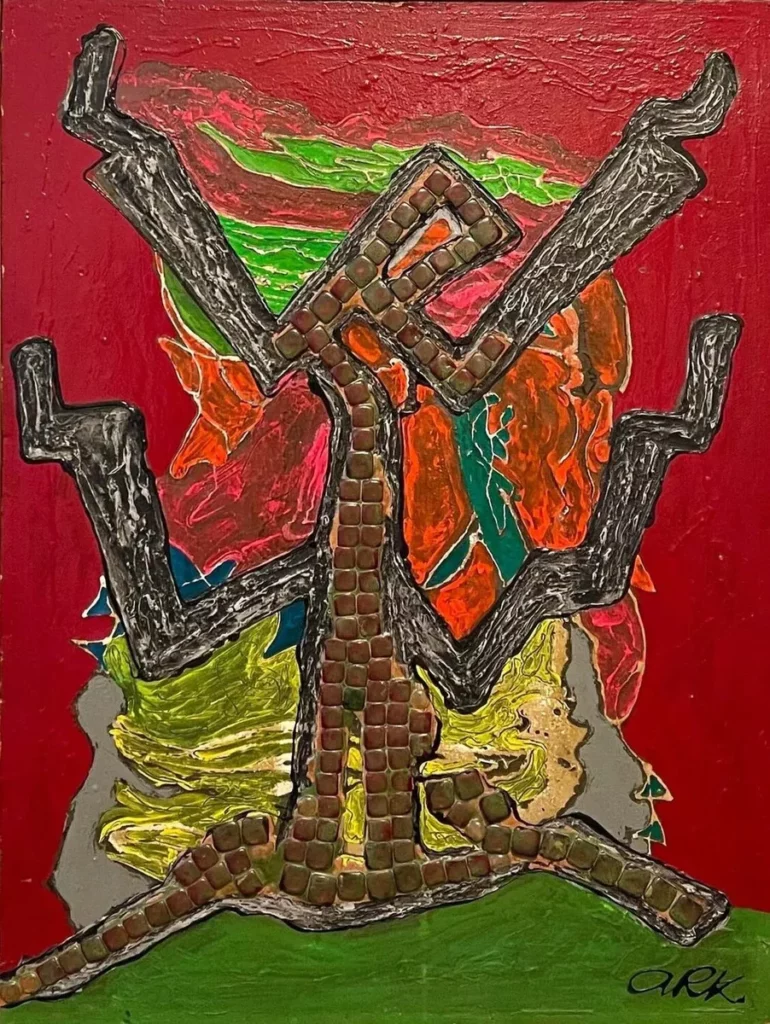
“Prayer Tree” by Alex Katz is also available on Singulart. This artwork is an energetic and dominant composition that juxtaposes a striking red background with the rich hue of purple irises. In Katz’s painting, the skillful use of color and composition combines into a striking visual that captivates viewers with its raw contrast and intense vividness.
Are you looking for a masterpiece from Alex Katz?
Singulart presents exclusive limited edition pieces by Alex Katz. To discover and acquire Katz’s art, click on the artwork or the button below for more information!
Conclusion
“The Green Cap” by Alex Katz is evidence of the artist’s ability to isolate the very heart of a moment into an attention-grabbing visual image. The way that Katz uses audacious colors, dynamic brushwork, and timely attentions to gesture and expression urges the audience to ponder the complexities of human experience within a fast-paced environment.


