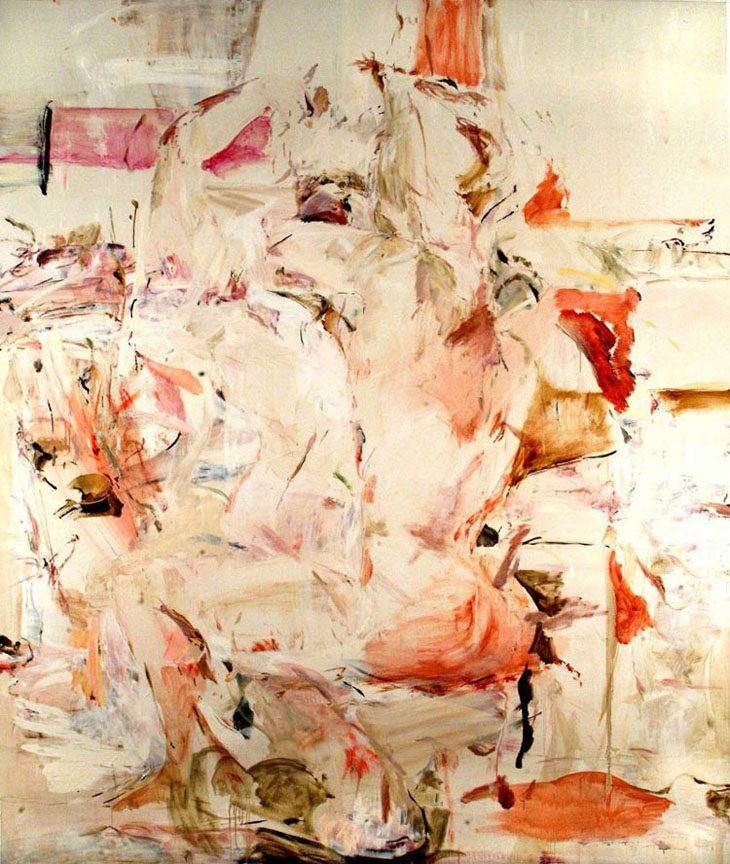
Cecily Brown, one of the most significant contemporary artists, whose paintings are distinguished by audacity and enigma, has left an inevitable print on the world of art with her fascinating works. “The Fugitive Kind” is an artwork of hers, which, in its complex colors, gives an insight of a stranger’s mind. In this article, we investigate Cecily Brown’s life and career, deconstruct the “The Fugitive Kind,” and some interesting facts about the famous masterpiece.
Who is Cecily Brown?

Cecily Brown, who hails from London, England; born in 1969, stands out as one of the most notable figures in the present-day art scene. Immersed in a family of writers and artists, Brown’s childhood environment provided the necessary stimuli for her creative inclination before any age. She mastered her craft at Slade School of Fine Art in London where she refined her unique style.
Brown’s Career
Using expressive and emotional brushes, Cecily Brown has achieved the status of one of the most renowned painters in the contemporary art world. Using a variety of sources like art history, literature and pop culture as his inspiration the artist fails to be classified in simple terms, combining the figurative and the abstract fluidly. Her works usually deal with issues like desire, sexuality, and the human condition, which make audiences think about these highly nuanced topics.
FUN FACT: Cecily Brown initially started her artistic career as an illustrator for adult comics. This early experience influenced her later work, infusing it with dynamic compositions and bold, expressive brushwork.
What is Happening in “The Fugitive Kind”?
| Artist | Cecily Brown |
| Date Created | 2003 |
| Medium | Oil on canvas |
| Genre | Contemporary Art |
| Period | 21st Century |
| Dimensions | Approx. 84 x 120 inches |
| Series/Versions | Unique Piece |
| Where is it housed? | Private Collection |
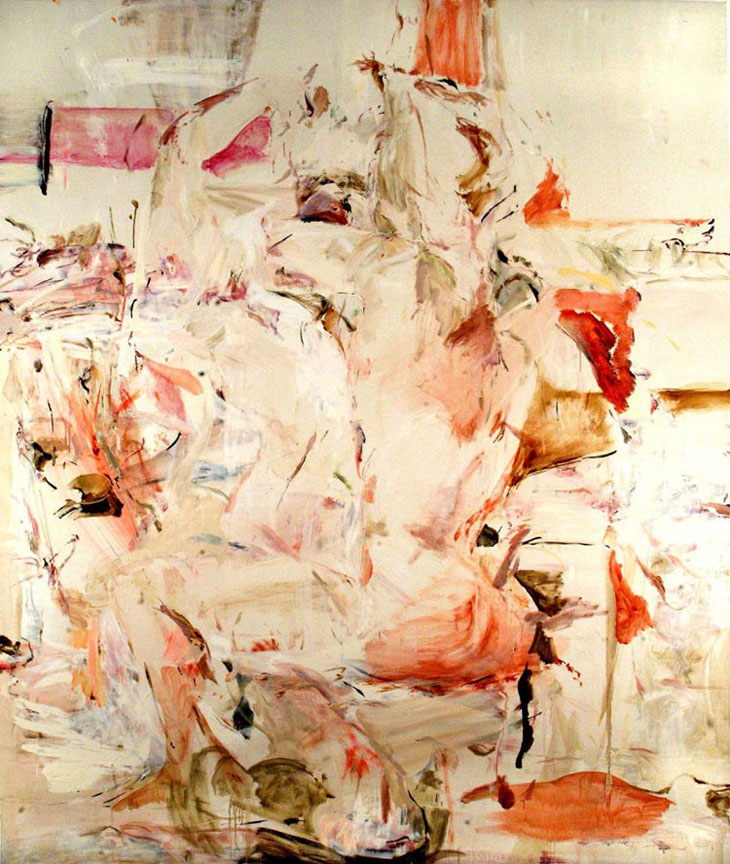
“The Fugitive Kind” is a compelling example of Cecily Brown’s artistic prowess. Created in 2003, this captivating painting exemplifies Brown’s signature style characterized by bold brushwork, vibrant colors, and dynamic compositions. Measuring approximately 84 x 120 inches, the large-scale canvas immerses viewers in a whirlwind of frenzied gestures and evocative forms.
In “The Fugitive Kind,” Brown conjures a sense of urgency and intensity, as if capturing a fleeting moment in time. The painting teems with energy, with each brushstroke conveying a sense of motion and vitality. Figures emerge and dissolve within the tumultuous sea of paint, inviting viewers to discern shapes and forms amidst the chaos.
Analysis of “The Fugitive Kind”
On the outside, “The Fugitive Kind” is an abstract painting composed of a colorful and textured kaleidoscope of changing forms. At the first look, one can see only the chaotic welter of colored paint, but as the paintings are examined more carefully, they reveal hidden personages and pictures. Brown artistic skill at graphic work with light and shadow gives depth and dimension to the work that makes it dramatic and filled with mystery.
With the title, “The Fugitive Kind,” we can suggest some thematic elements of transience and impermanence, reminding us of the shortness of life. The figures in the painting are apparently in a state of confusion, unsure whether they are in the trance of ecstasy or in the agony of despair. By using ambiguity, Brown leaves it for the audience to determine the different meanings, thus leading them to perceive the canvas according to their own experiences and feelings.
Interesting Facts
Cecily Brown borrowed a number of ideas for “The Fugitive Kind” from literature, films, as well as her personal life. The title is taken from the Tennessee Williams play “Orpheus Descending” that explores love, passion, and redemption.
The monumental scale of the painting and the dynamic composition provide an immersive viewing experience to the viewers, drawing them into the labyrinth of depths of the painting.
Although having an abstract look at first glance, “The Fugitive Kind” has unmistakable allusions to art history, with traces of the style of such painters as Willem de Kooning and Francis Bacon seen in Brown’s gestural brushwork and visceral approach to paint.
Artwork Spotlight: The Cutter
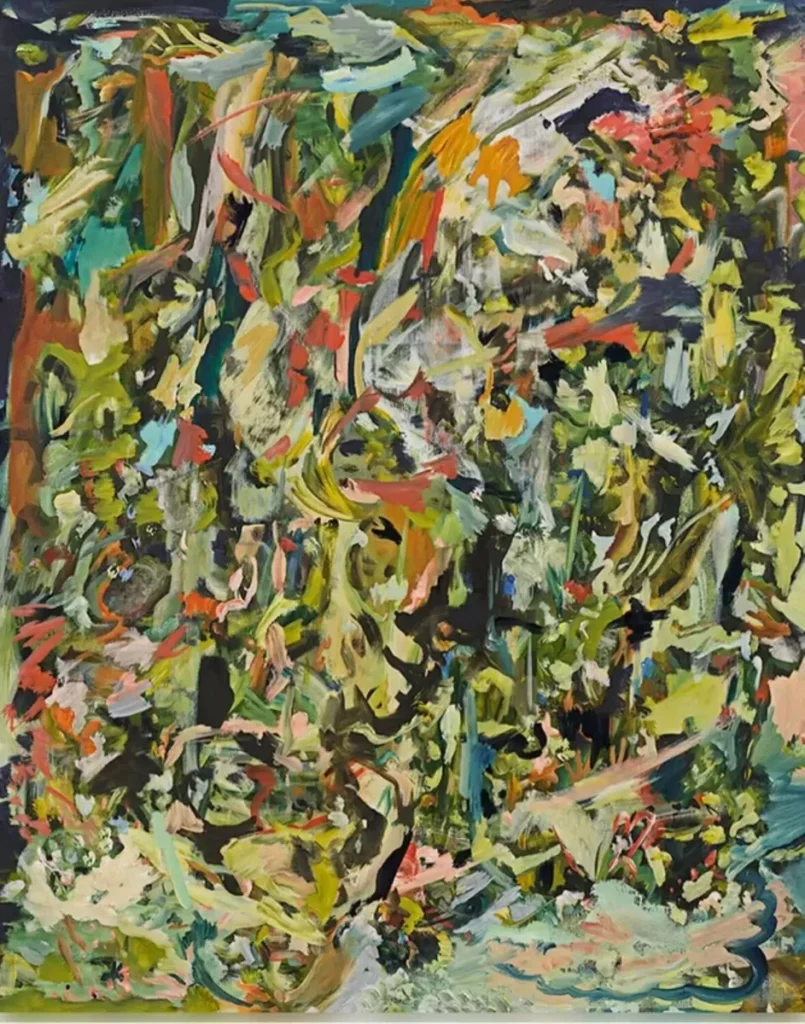
Cecily Brown’s painting “The Cutter” is available on Singulart. This artwork covers a variety of issues, such as movement and shape, with free yet precise strokes and rich colors. In this work, the author artfully merges both figurative and abstract images together to involve the viewers in a deeply layered and symbolic viewing.
Are you looking for a piece of artwork from Cecily Brown?
Singulart has limited edition prints of Cecily Brown. If you are looking for a piece of Brown‘s artwork for sale, simply click on the artwork or the button below to discover more!
Frequently Asked Questions
Why is Cecily Brown famous?
Her art usually magnifies the eroticism often highlighted in modernist painting, notably Abstract Expressionism, and satirizes the concepts of masculinity often attached to such work by investigating topics of sexuality in painting from a feminine perspective.
How much is Cecily Brown painting?
Depending on the scale and medium of the artwork, Cecily Brown’s work has been presented at auction on several occasions, with realized prices ranging from 88 USD to 6,776,200 USD. The artist’s highest auction price since 2000 is $6,776,200 USD for SUDDENLY LAST SUMMER, which was sold at Sotheby’s New York in 2018.
Conclusion
“The Fugitive Kind” is Cecily Brown’s profound testimony to her genius and fresh way of painting. Via her expressive paintings and evocative brushwork, Brown takes a viewer on a journey of discovery, motivating the spectator to explore the frontiers between abstraction and representation. In many ways, that kind of work is one of her most compelling, and “Fugitive Kind” still amazes audience with it combining of raw intensity and deep beauty, proving once again Cecily’s Brown’s status as a leading figure in contemporary art.