The American artist Ed Ruscha who revolutionized the 20th century Pop Art with his thought-provoking and creative artworks, left an unforgettable footprint on the art world. Among his most important achievements, the artist broke new ground with “Twenty-six Gasoline Stations” where a work of art was challenged in both traditional and perception. In this article, we virtually look into the life of Ed Ruscha, his career and in depth study of “Twenty-six Gasoline Stations,” providing what you need to know in an interesting way.
Who was Ed Ruscha?
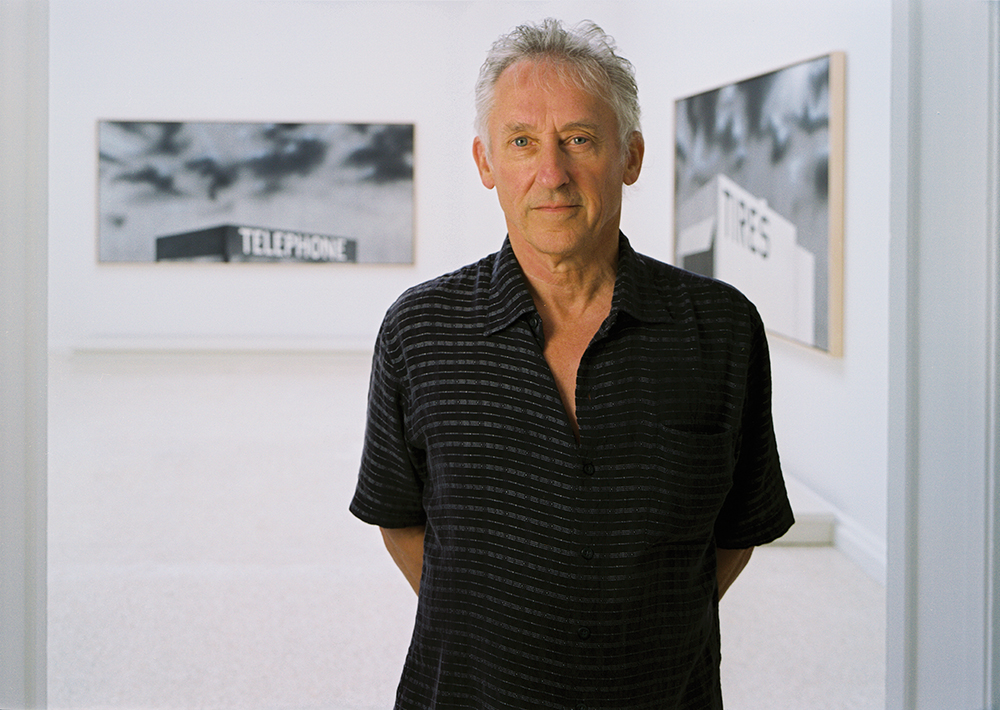
Ed Ruscha was born in Omaha, Nebraska in 1937. He is referred to as Ed Ruscha IV, an American artist who became a leading figure in his time. Ruscha was immersed in Oklahoma City at an early age where he developed a passion for commercial art and typography. He then relocated to LA, where he enrolled at the Chouinard Art Institute (later known as CalArts), joining the then active art community in the city.
FUN FACT: Ed Ruscha, known for his unique blend of Pop Art and Conceptual Art, has a lesser-known passion for books. In addition to being an artist, he’s also an avid bookmaker and collector.
His Career
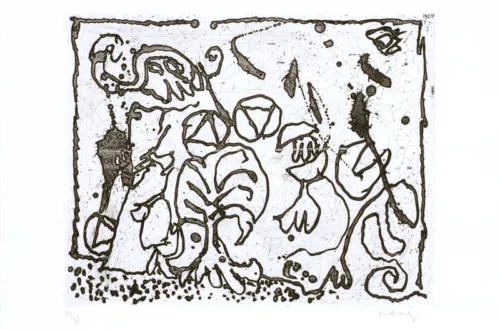
The artistic portfolio of Ruscha comprises a multivariant mix of media ranging from painting, printmaking, photography, and film. He was one of the leading names in Pop Art in the 1960s, together with Andy Warhol and Roy Lichtenstein. Ruscha’s art frequently studies the connection between language, imagery, and pop culture, which manifest the post-war urban landscape and marked the consumerist ethos of that period.
What is Happening in “Twenty-six Gasoline Stations”?
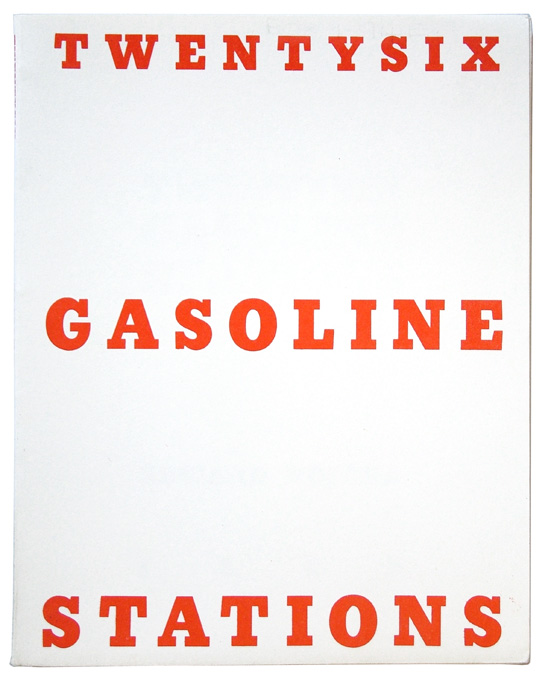
| Artist | Ed Ruscha |
| Date Created | 1963 |
| Medium | Artist’s Book |
| Genre | Photography, Conceptual Art |
| Period | Contemporary |
| Dimensions | 7 15/16 × 5 15/16 in (20.2 × 15.1 cm) |
| Series | First Edition |
| Where Housed | Various private collections and museums worldwide |
In 1963, the “Twenty-six Gasoline Stations” was remodeled, it used photographs of twenty-six gas stations encountered by Ruscha during the trip from Los Angeles to Oklahoma City. The style of the book in terms of design and representation greatly influenced the accepted idea of photographic documentation in art. Every image has a captive featuring the name and location of the gas station, free of any other embellishment or narrative context.
Analysis
Ruscha chose to photograph the trivial objects like gas stations to express his interest in the things we usually ignore. Through elevating these humble structures to the status of art, Ruscha asks the viewers to review the notion of beauty and value. The serial format of “Twenty-Six Gasoline Stations” stresses repetition and variety, prompting reflection on the mass production and consumption themes deeply ingrained in American culture.
Interesting Facts

Innovative Format: “Twenty-six Gasoline Stations” is credited as one of the earliest examples of the artist’s book genre, blurring the boundaries between photography, literature, and conceptual art. Its compact size and unassuming appearance defy traditional notions of art objects, democratizing access to the medium.
Limited Distribution: Initially published in a small edition of just four hundred copies, “Twenty-six Gasoline Stations” gained cult status among collectors and scholars for its rarity and significance. Today, original copies of the book fetch exorbitant prices at auctions and are housed in prestigious institutions worldwide.
Legacy: Ruscha’s exploration of the vernacular landscape and his use of photography as a tool for artistic expression paved the way for subsequent generations of artists working in similar veins. His influence can be observed in the works of contemporary photographers and conceptual artists grappling with themes of urbanization, transportation, and the commodification of space.
Artwork Spotlight: Two Jumping Fishes
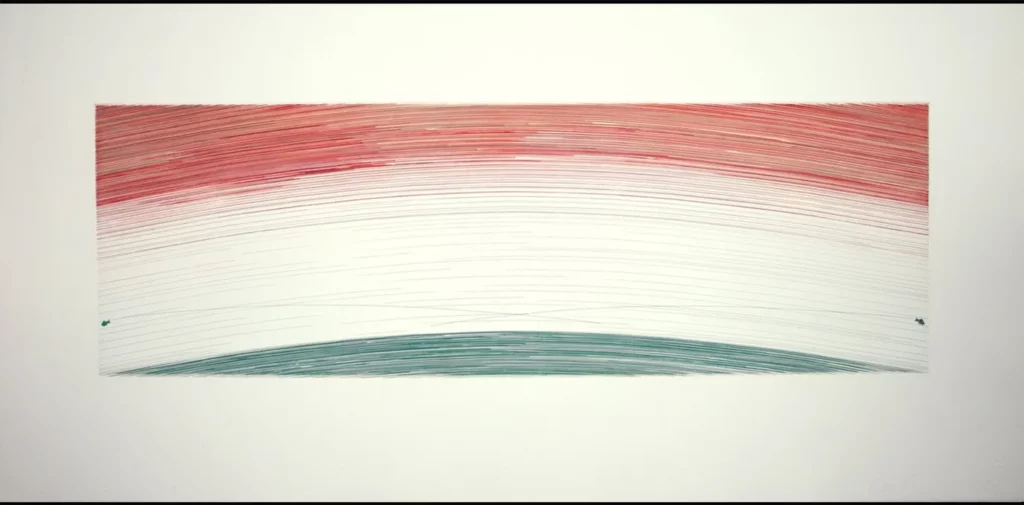
The painting “Two Jumping Fishes” painted by Ed Ruscha is available on Singulart. This artwork is colorful and lively; two fishes are depicted as jumping against the plain background. In this piece, Ruscha combines playful imagery with simplicity, which is characteristic for him as an artist.
Are you looking for a piece of artwork from Ed Ruscha?
Singulart has limited edition prints of Ed Ruscha. If you are looking for a piece of Ruscha’s artwork for sale, simply click on the artwork or the button below to discover more!
Frequently Asked Questions
What is Ed Ruscha famous for?
Ed Ruscha, whose work spanned six decades from the early 1960s to the present, is considered one of the most influential painters in the world. Explore the concepts and artwork of this remarkable artist through important pieces from the ARTIST ROOMS collection.
When did Ed Ruscha move to LA?
In 1956, Ruscha relocated to Los Angeles to enrol in the Chouinard Art Institute’s design program. Over the course of a more than half-century career, he has created paintings, photographs, prints, drawings, films, and drawings that frequently comment on the city’s automobile culture, urban environment, and traditional architecture.
Conclusion
“Twenty-six Gasoline Stations” reveals Ruscha’s creative zest and his readiness to blemish artistic traditions. Despite its visually striking form and spartan presentation, the piece still remains engaging and is often the centre of conversations on the relationships between art and the ordinary. The artist declared that: “I’m interested in everything deal with the culture that surrounds me.” In this work, Ruscha provokes us to look at the landscapes of our everyday life from a different perspective, trying to notice things we did not pay attention to before.