


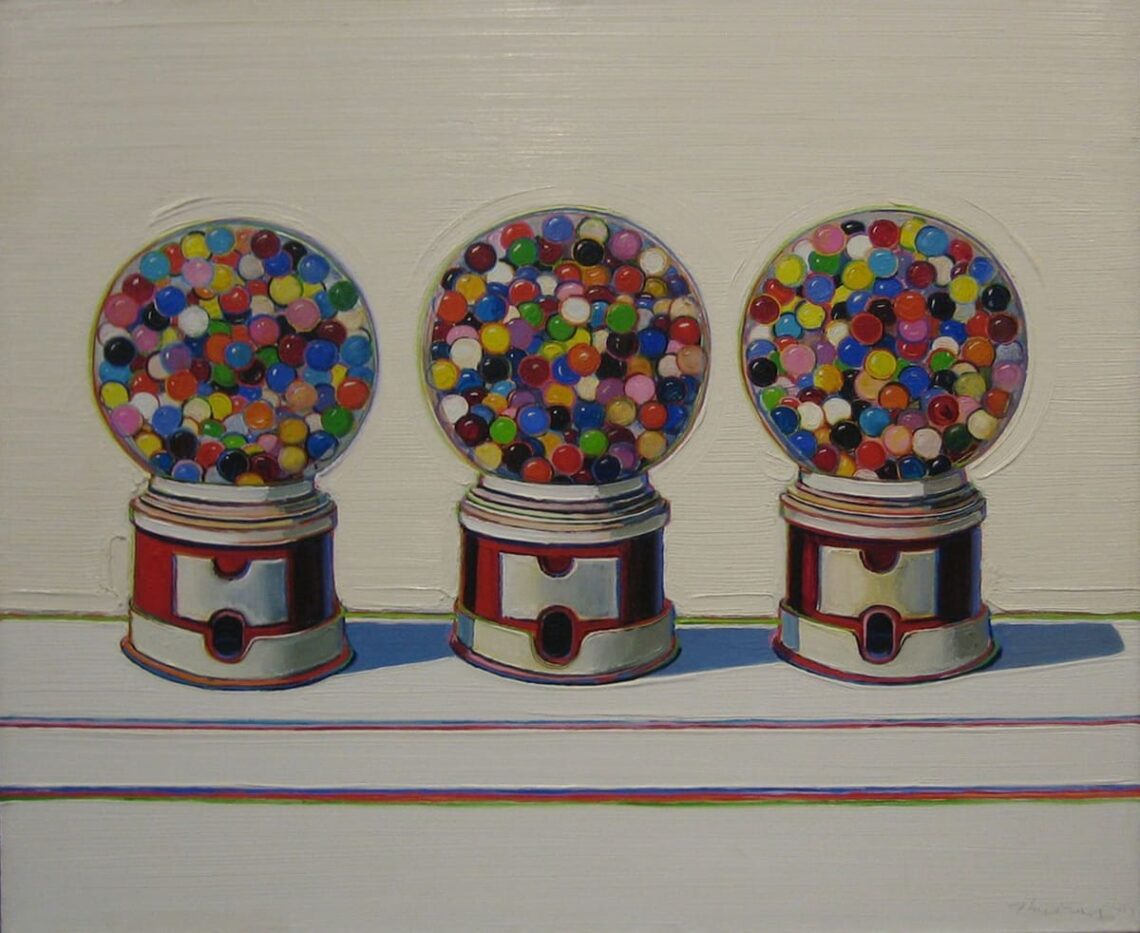
Wayne Thiebaud, an American painter, who was born in 1920 and is famously known for his color rich paintings, presents mundane objects and scenes. The third one most well known among his painting is “Three machines”, with its picture of incipient industrialism. This post will explore the artist’s life, the career and analyze influence of his “Three Machines”, and disclose some interesting facts around this unique painting.
Who was Wayne Thiebaud?
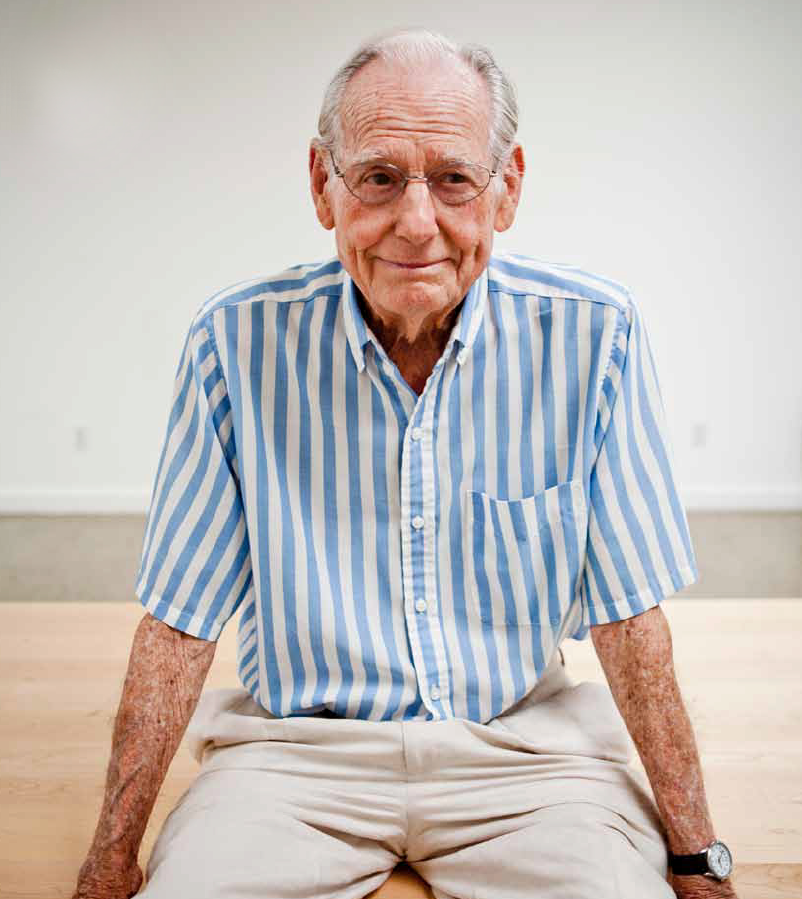
An American painter born in 1920, Wayne Thiebaud was renowned for his colorful and playful depictions of common items. Grown up in California, Thiebaud’s first experience of the busy diners and bakeries in the state and later of his paintings would serve as a motivation for his icons known as cakes, pies, and other confectionery. Although he was later known for his great contributions to arts, Thiebaud started with commercial arts as an illustrator and cartoonist. It was then that he actually sharpened his skill of drawing and developed a strong eye that would be later seen as his unique features.
His Career
Thiebaud’s artistic career became evident in the 1950’s, an era which marked the growing popularity of Pop Art in the United States. As the mass culture of consumption emerged and the industry of commodity production propagated, Thiebaud used the everyday objects around him as a source of inspiration. His early paintings would bring in items that the everyday people could relate to, like lipstick tubes, gumball machines, and hotdogs.
On the other hand, Thiebaud excelled at not any object, but at cakes and pastries that can qualify him as a Master of Pop Art. First, in the 1960s, Thiebaud started a number of works stroked with mouth-watering hues. This series of works also aimed at unraveling what usually makes people irresistible to the sugar treats. Thiebaud created his cakes with a high degree of precision and attention to every detail, which makes them look very funny and funny thrills all audience, no matter what age they are.
What is Happening in “Three Machines”?
| Artist | Wayne Thiebaud |
| Date Created | 1963 |
| Medium | Oil on canvas |
| Genre | Industrial Landscape |
| Period | Contemporary |
| Dimensions | 20 x 24 inches |
| Series/Versions | N/A |
| Where Housed | Private Collection |
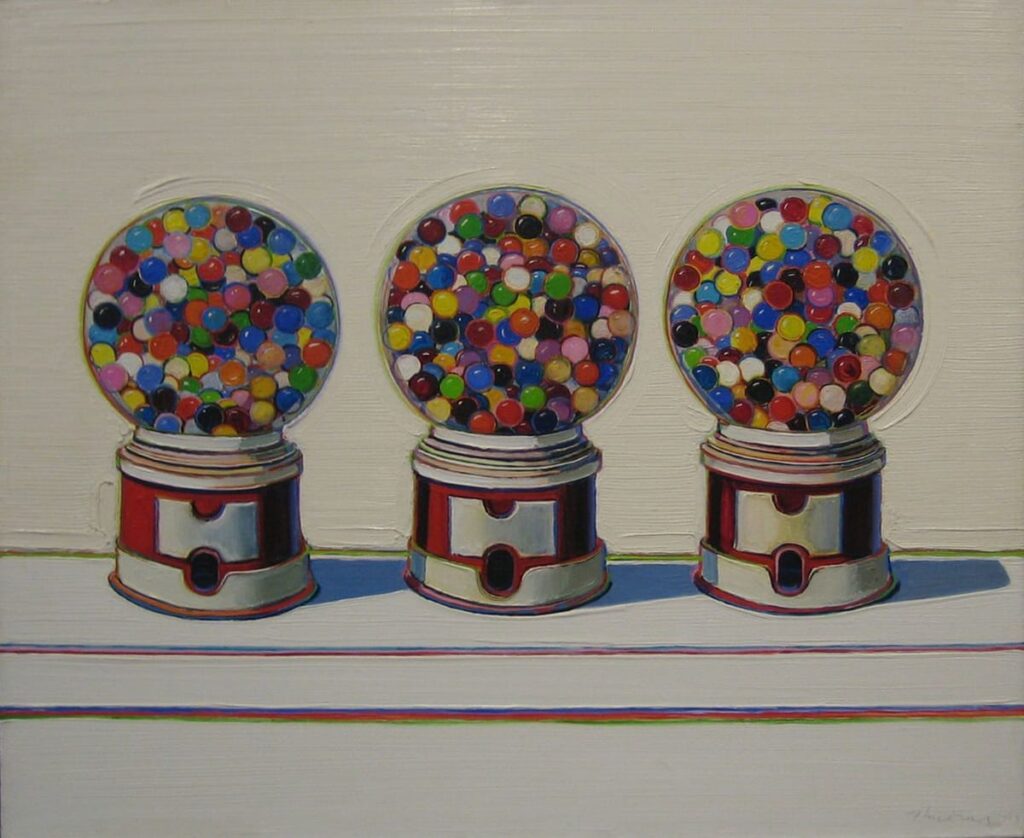
“Three Machines,” a 1963 work, is one among many art objects that bear witness of Thiebaud’s special passion for such appealing topics. Here, we see three machine elements in red, green and blue, which are depicted with precise details and vivid colors on the canvas. Every appliance appears in frontal position, which is taken so much space on the canvas that looks extremely expressive. Thiebaud´s way of handling the light and shadows as an element gives a feeling of volume and space to the composition. This makes the picture closer to the reality of the place.
Interesting Facts about “Three Machines”
Attention to Detail: Thiebaud’s meticulous attention to detail in “Three Machines” highlights his technical proficiency as a painter. Each machine is rendered with precision, capturing the intricacies of their mechanical components.
Color Palette: The vibrant color palette used in “Three Machines” adds to the painting’s visual impact, drawing the viewer’s attention to the industrial subject matter. Thiebaud’s bold use of color is a hallmark of his style.
Sense of Monumentality: Despite depicting ordinary machinery, “Three Machines” exudes a sense of monumentality and grandeur. Thiebaud’s skillful manipulation of scale and perspective imbues the objects with a sense of significance and presence.
Frequently Asked Questions
What was Wayne Thiebaud’s most famous piece?
The most well-known pieces of Thiebaud’s art are his cakes and pies, which he created using his imagination and recollections of diners and bakeries from the past.
How did Wayne Thiebaud use pop art in his artworks?
Thiebaud’s work from the 1960s is defined by the use of strong outlines and shadows against a stark background. Its subject matter, everyday consumer goods, links it to much of Pop Art, but its heavily applied paint distinguishes it from most of the movement.
Conclusion
“Three Machines” by Wayne Thiebaud is an awesome example of the artist’s ability to portray form, color, and composition. This particular artwork of Thiebaud challenges the viewers to consider the beauty and importance of the regular objects surrounding us thus, indirectly, giving the impression that art can be found everywhere even in the most unexpected places.


