Shirin Neshat shines bright in the world of contemporary art, famous for her masterpieces in which she tries to understand identity, politics, and culture. Among her many masterpieces, “Rapture” deserves a special mention, as it portrays the aspiration of her literary world along with her storytelling talent. In this article, we explore the depths of “Rapture” which has moved the art world to a level unheralded in its significance, the artist behind it and its embodiment.
Who is Shirin Neshat?
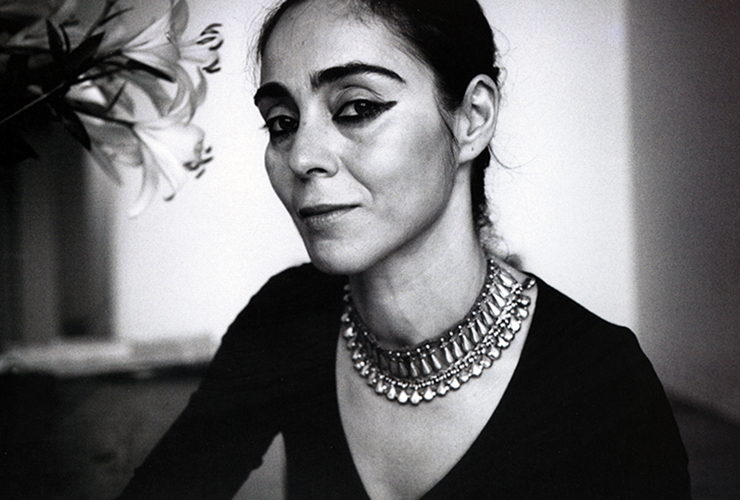
Shirin Neshat is an Iranian-born contemporary artist who is recognized for her thought-provoking works that touch upon issues of gender, identity, and politics in the framework of Islamic culture. Shirin Neshat was born in Qazvin, Iran, in 1957 and later she moved to the United States in the late 1970s for studying. These circumstances led to the formation of her idea of art that she was investigating in her works. Being in exile, she tried to explore the Iranian diaspora and the conflict between Eastern and Western cultures.
Her Career
Neshat started her college education at the University of California, Berkeley (UCB), where she creatively engaged in different media like photography, video and film. Her first big moment came in the early 1990s with the production of her landmark series, “Women of Allah“, which put her name on the map internationally. In recent years, Neshat has been at the forefront of the art world creating artworks that advocate for social justice and enlightening society about the plight of women in the Muslim-dominated world.
What is Happening in Rapture?
| Artist | Shirin Neshat |
| Date Created | 1999 |
| Medium | Photography (gelatin silver print) |
| Genre | Contemporary Art |
| Period | Contemporary |
| Dimensions | Each photograph approximately 48 x 72 inches (122 x 183 cm) |
| Series/Versions | N/A |
| Where is it housed? | Various private collections and museums worldwide, including the Museum of Modern Art (MoMA) in New York. |
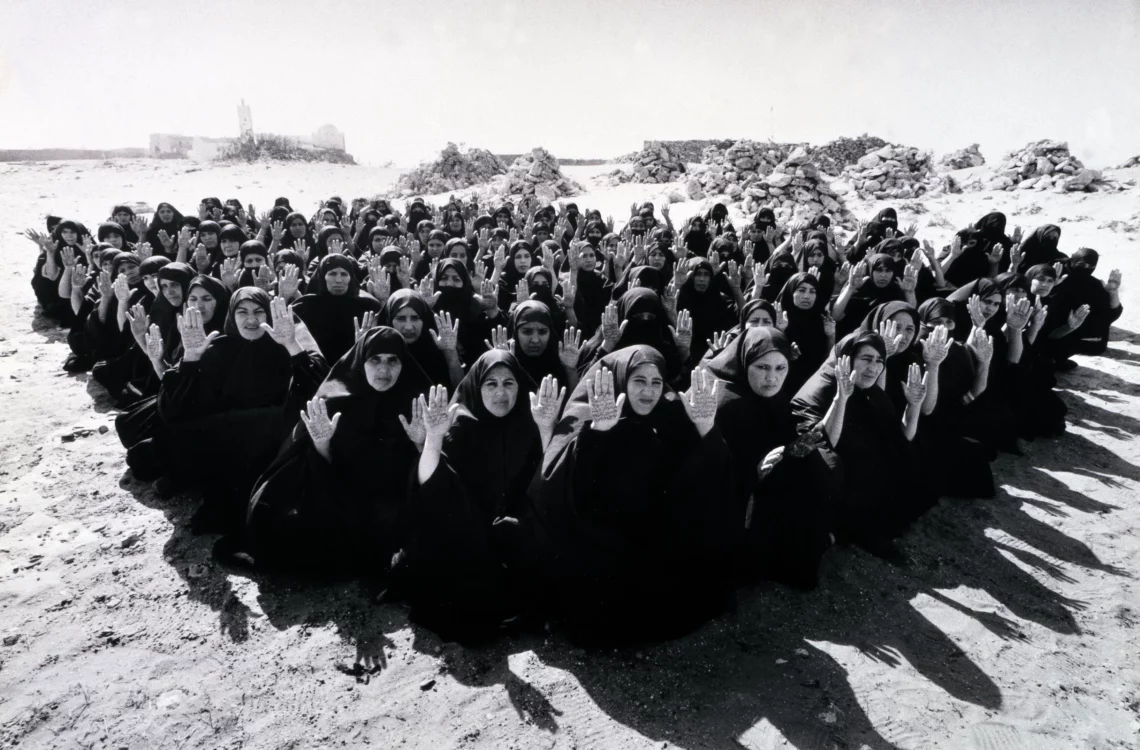
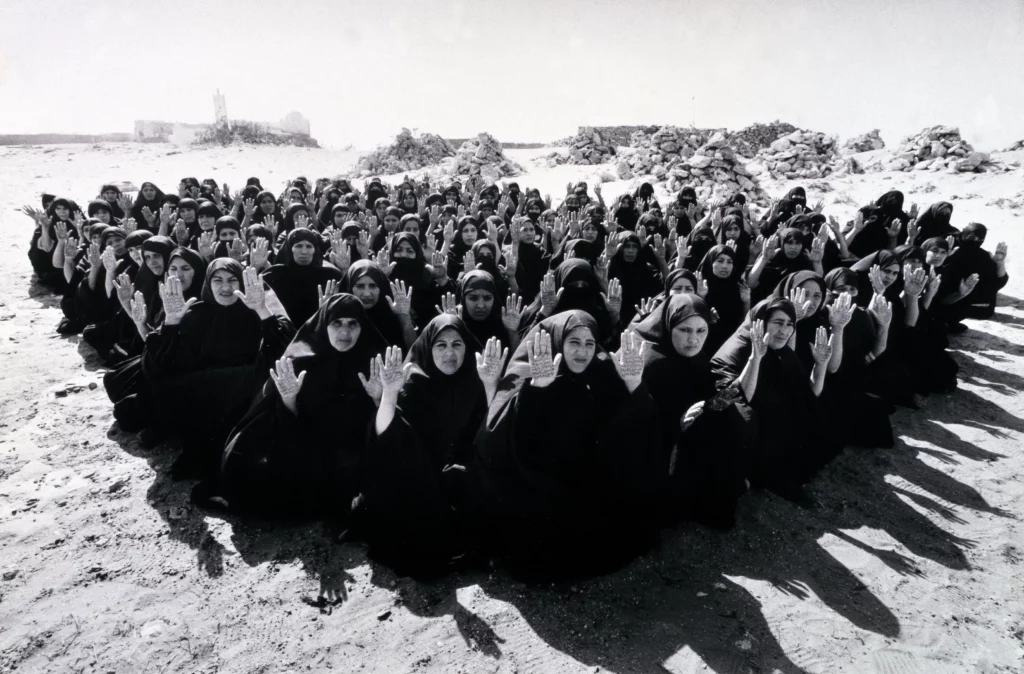
“Rapture” that Shirin Neshat created in 1999 is considered as a symbol of the society of Iran and its people’s struggles in a complicated way. The paintings suggest an array of ethereal and exquisite scenes, in which the women with the veils are posing along with the landscapes of emptiness and silence.
Neshat beautifully portrays the themes of power, oppression, and spiritual longing using symbolism and imagery in “Rapture”. The veiled women, often being seen as a symbol of subordination, overturn conventional notions of feminine and power leading to the defiant and resistant aspect. With their gaze and their pose, Neshat brings to light the emotional pain and dissent beneath the surface in a very subtle way.
The landscapes of “Rapture” heighten the emotional impact of art by using the symbols of human mind landscapes. Vast deserts and endless horizons take the form of an embodiment of the women’s internal struggles mirroring the harsh life in a discriminating system.
Interesting Facts about Rapture
Symbolism of Veils: The veiled women depicted in “Rapture” serve as powerful symbols of resistance and defiance against societal norms. Neshat challenges traditional interpretations of the veil, imbuing it with layers of meaning and complexity.
Exploration of Identity: Neshat’s exploration of identity in “Rapture” resonates with audiences worldwide, transcending cultural boundaries and inviting viewers to reflect on their own sense of self and belonging.
Interplay of Light and Shadow: The play of light and shadow in Neshat’s photographs adds depth and dimension to the artwork, creating a mesmerizing visual experience that captivates the viewer’s imagination.
Political Commentary: “Rapture” serves as a subtle yet potent commentary on the socio-political landscape of Iran, shedding light on the struggles faced by its people in the face of oppression and tyranny.
Frequently Asked Questions
What is the meaning behind Shirin Neshat art?
Neshat’s research focuses a lot on the psychological, social, and cultural effects of women wearing veils in Iran. Her art effectively asserts the presence of women in a country dominated by men, and it has never been exhibited in Iran.
What is Shirin Neshat best known for?
Modern Iranian visual artist Shirin Neshat is most recognized for her photography, video, and filmmaking (including her 1999 feature film Rapture), all of which examine the relationship between women and Islamic religious and cultural norms.
Conclusion
Rapture by Shirin Neshat is one of the works of art that shows how art can elevate, stir feelings, and break stereotypes. The artist conveys how she inherently invites spectators on a self-discovery and introspective journey, implying the complexity of the human experience through her deep imagery and symbolism. Neshat emerges as a pacesetter in the contemporary art scene and her creative works strike a chord in the minds of many people and make an indelible mark on the art world and beyond.