Louis Icart, a prominent French artist of the Art Deco era, has become immortal in the art world with his amazing creations. As one of his famous works, “Speed” is a perfect embodiment of his distinctive style and the fact that he mastered capturing movement and grace. In this article, we trace the life of Louis Icart, touch upon his career, decipher the “Speed,” and bring up some interesting things about this painting.
Who was Louis Icart?
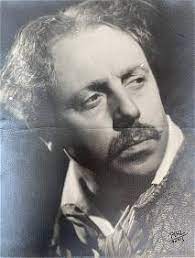
The French artist Louis Icart (1888-1950) became famous for his role in the Art Deco movement. Coming from Toulouse, France, Icart started as an architect before later shifting to illustration and etching. He became prominent in the 1920s due to his unique erfections, watercolors, and lithographs featuring glamorous women usually in luxurious settings. Icart’s paintings exuded sensuality, sophistication, and a sense of joie de vivre, mirroring the vibrancy of the era.
FUN FACT: Louis Icart’s artistic career began in the early 20th century, and he gained international recognition for his etchings, watercolors, and lithographs depicting glamorous scenes of Parisian life, often featuring fashionable women in luxurious settings.
His Career
Through the Art Deco period, Louis Icart gave a great contribution to the painting, which was the time of achievements, luxury, and modernity. His combined artistic vision that involves Cubism, Fauvism, and Symbolism leads to verbose play of lines, colors that dominate and detail called attention, which are part characteristics of his illusive compositions. He together with the most famed publishers of his time showed his paintings in different galleries at home and aboard, getting rave reviews, and ultimately building up a fan base of collectors.
What is Happening in “Speed”?
| Artist | Louis Icart |
| Date Created | 1931 |
| Medium | Color etching and aquatint |
| Genre | Art Deco |
| Period | 20th Century |
| Dimensions | 20.25 x 26.5 inches (51.4 x 67.3 cm) |
| Series / Versions | Original artwork; no known versions |
| Where is it housed? | Private collections, galleries, and museums worldwide |
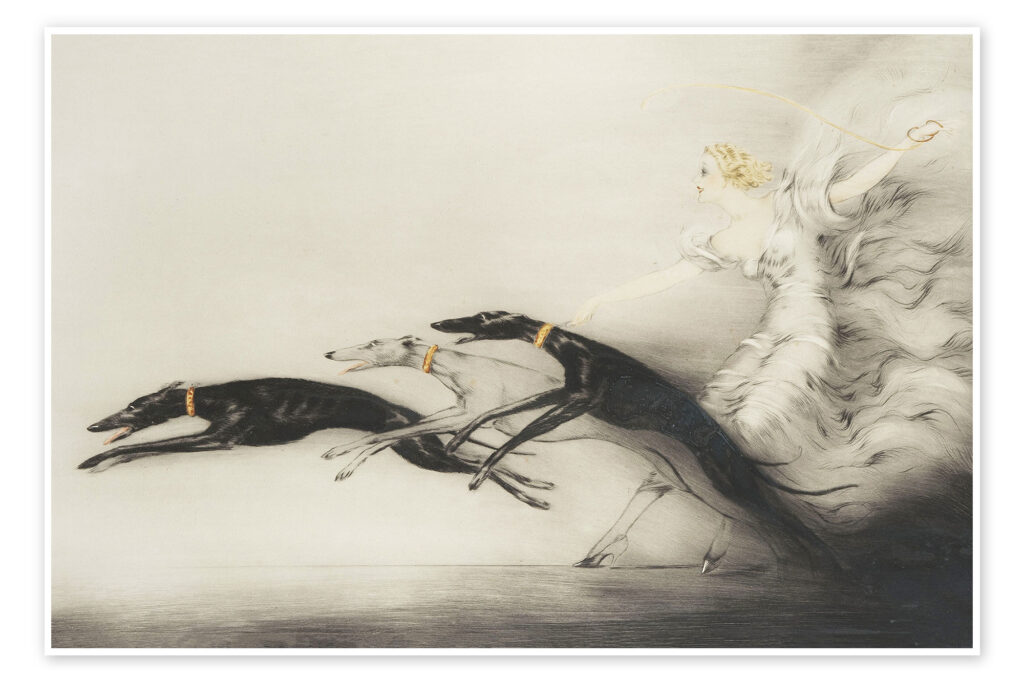
“Speed,” a 1931 work by Louis Icart, is a motionful painting of a woman with three dogs. In this trilling painting, Icart skillfully depicts a period of thrill and motion.
In the front part, there is a lady heading three dogs on leashes, all trotting outward with eagerness and vigor. The woman is graceful and elegant, while the dogs are animated in their expressions of the hunt.
The scene has been set in a busy cityscape, with buildings and streets visible in the background. The dress of the woman and the stylish looking necks and chains of the dogs demonstrate the stylishness and luxury of the era of Art Deco.
Via his thoroughness of detail and his talent of constructing and hue, Icart ensures that dynamic motion and vitality are experienced. The movement of the lines and the alive colors reflect the energy and speed of the ride, whereas the expressions on the faces of the lady and the dogs signify their happiness and excitement they share.
Interesting Facts about “Speed”:
“Speed” showcases Icart’s fascination with the modern technological advancements of his time, which symbolized progress, freedom, and luxury.
The composition of “Speed” exudes a sense of fluidity and movement, achieved through Icart’s masterful use of line and form.
Icart often incorporated elements of fantasy and escapism into his works, transporting viewers to glamorous worlds filled with beauty and excitement.
Artwork Spotlight: Jeune femme rêveuse
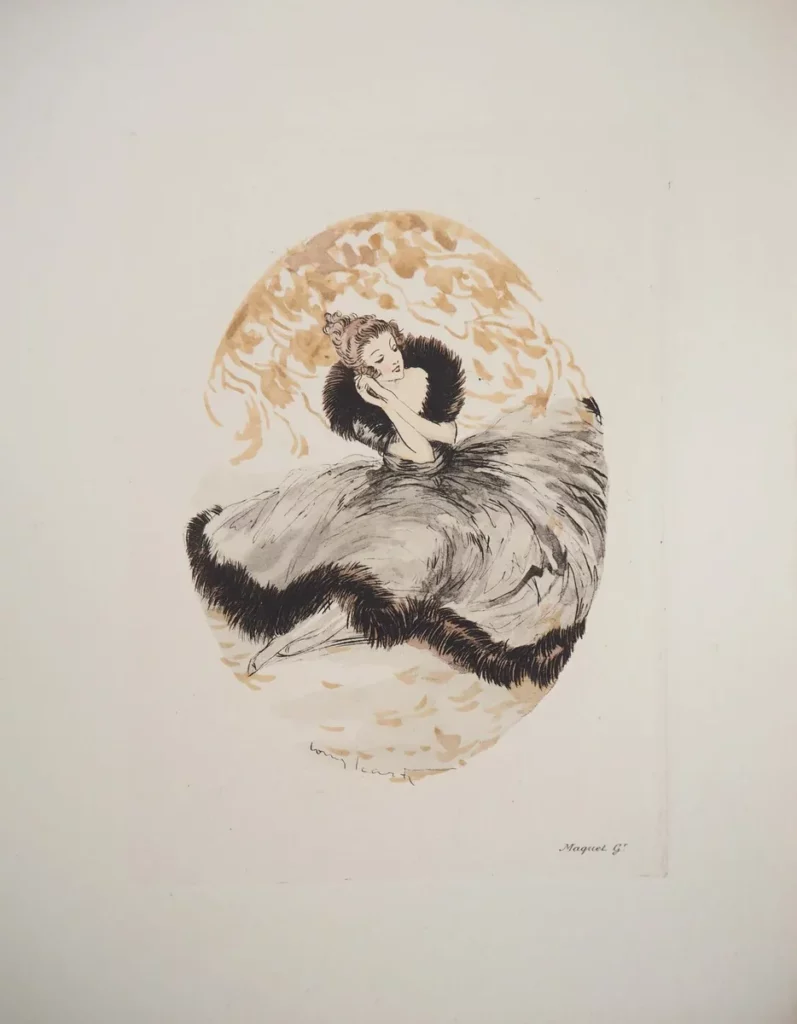
“Jeune femme rêveuse” (“Dreamy Young Woman”) by Louis Icart is also available on Singulart. This artwork captures a picture of inner thought and dreams, where people can enter the world of imagination.
Are you looking for a masterpiece from Louis Icart?
Singulart presents exclusive limited edition pieces by Louis Icart. To discover and acquire Icart’s art, click on the artwork or the button below for more information!
Frequently Asked Questions
Is Louis Icart art deco?
Thanks to his exquisite prints and sketches, Frenchman Louis Icart (1888–1950) is regarded as a representative of the Art Deco style.
How do you know if an Icart print is real?
The artist personally signs authentic etchings, generally with a pencil. A blindstamp, or raised seal, was made in the middle of 1926 in the case of Louis Icart and is typically located in the lower left corner, directly beneath the image.
Conclusion
Louis Icart’s “Speed” can be considered as his artistic expression as well as technical mastery, therefore, presenting the spectator with the exciting spirit of Art Deco time. By his masterly skill of details and his stunning power of visualization, Icart remains to catch the minds and to cause the awe of the viewers even for centuries.
About The Author