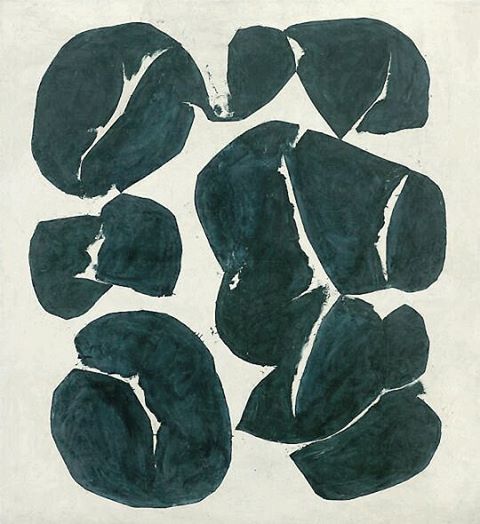
On the abstract expressionism headland, Simon Hantaï shines as a star whose inventive methods of painting and boundless creativity changed the face of modern art for the better. Having been born in Hungary in 1922 and eventually settled in France, Hantaï’s artistic career was shaped as a result of the tireless pursuit of investigation and discovery. Thanks to “pliage” technique, he recouped the canvas, transmitting it with a palpable sense of dynamism and spontaneity and which was admired throughout the world. Along with his best known work “Meun” one can see him as a layout artist whose creativity and perseverance knows no limits. In this article, we get nosey about the mysterious realm of Simon Hantaï, exposing his biography, his vocation, as well as the magical details of “Meun.”
Who was Simon Hantaï?
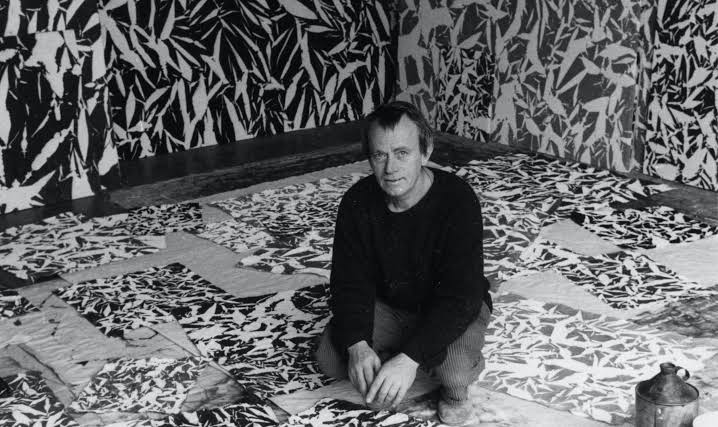
Simon Hantaï, a Hungarian artist who worked in France, was an innovator of abstract painting. He was born in 1922 and in 1948 he emigrated to France, where he got involved in the Abstract Expressionism. Hantai’s work grew and expanded over the years, guided by a dedication to spontaneity, inventiveness, and an exploration of the limits of paint and canvas. His artistic adventures had him compose bewitching pieces that rather defied the conventional patterns of form and technique.
FUN FACT: Simon Hantaï was known for his reclusive nature, often shying away from the spotlight despite his prominence in the art world.
His Career
Hantaï’s career started in the 1950s after he began to get recognition for his abstract paintings. Under the impact of Surrealism and spontaneous painting of the Art Informel movement, he created a distinctive style based on gestural abstraction and creative process. In his early years, many of his paintings feature expressive brushwork and bright colors, reflecting the spirit of the post-war generation.
Along with the progress of his career, Hantaï started to pay more attention to the role of convergence and choice in art-making. He experimented with the different methods, such as folding and crumpling the canvas before applying the paint to give up a control and let unforeseen forms emerge. By doing so, he eventually came up with “pliage” or folding, which thereafter represented in his work.
What is Happening in “Meun”?
| Artist | Simon Hantaï |
| Date Created | 1967 |
| Medium | Mixed media on canvas |
| Genre | Abstract expressionism |
| Period | Post-war modernism |
| Dimensions | 276 cm × 507 cm (108.66 in × 199.61 in) |
| Series/Versions | N/A |
| Where is it housed? | Centre Georges Pompidou, Paris, France |
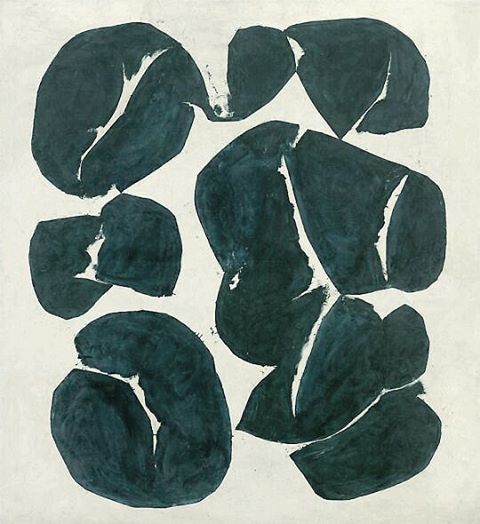
“Meun,” is, perhaps, one of Hantaï’s most compelling pieces that represents his skill in the pliage technique and his ability to venture into the unlimited realms of abstraction. Produced in 1967, this thought-provoking work of art unfolds a world of intricate patterns and vibrant colors and appeals to the viewers. The title “Meun”, French for “grindstone”, the dynamic nature of creation and destruction is reflected in the title, which encapsulates Hantaï’s fascination with the transformative power of art.
Hantaï starts by folding the canvas, which defines the folds and ridges as a support for the masterpiece composition. Next, he applies paint onto the folds, working with the pigments as they settle into these crevasses, their interactions becoming unforeseeable. The outcome is a vivid interplay of color and texture where each fold unveils a new dimension and a more detailed hue upon close examination.
Analysis
“Meun” is the french word meaning mill which indirectly conglomerates the rhythmic and cyclical nature of the piece. As in a windmill with its rotating blades or a millstone with its grinding motion, the swirling forms and the undulating lines of “Meun” express the idea of everlasting motion and energy. Every little crease and wrinkle in the canvas is adding to the overall effect of movement, which is as if the work of art itself is in a perpetual motion.
Despite its apparent chaos, “Meun” has a very nice balance and harmony. Hantai intentionally arranges colors and shapes with the purpose of creating both visual tension and equilibrium in a piece. The contrasting usage of warm against cool tones and light against dark tones, this section adds to the richness and complexity of the artwork, allowing the viewer to ponder about each and every one of its layers.
Interesting Facts about “Meun”
Hantaï’s pliage technique was inspired by the Japanese art of origami, which he encountered during his travels. He saw folding as a way to introduce an element of chance into his work, allowing for spontaneity and surprise.
“Meun” is renowned for its mesmerizing visual effects, with the folded canvas creating a sense of depth and movement that draws viewers in. The interplay of colors and textures adds to the artwork’s complexity, inviting interpretation and contemplation.
Despite his contributions to the art world, Hantaï remained relatively understated throughout his career. It was only in later years that his work gained widespread recognition, solidifying his reputation as one of the leading figures of abstract expressionism in France.
Artwork Spotlight: “Composition Rouge”
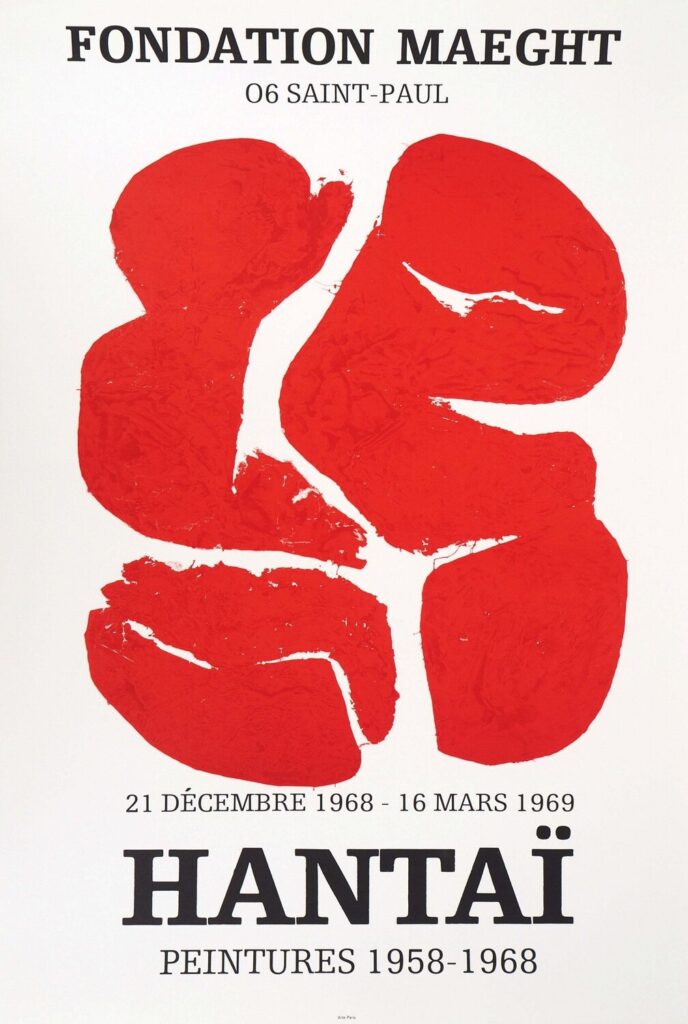
“Composition Rouge” by Simon Hantaï is available on Singulart. Fashioned in 1968, this exuberant painting depicts Hantaï’s ability of abstraction, where his gestural motions and rhythmic compositions mesmerize the audience with their emotional and life-like qualities.
Are you looking for a piece of artwork from Simon Hantaï?
Singulart has limited edition prints of Simon Hantaï. If you are looking for a piece of Hantaï‘s artwork for sale, simply click on the artwork or the button below to discover more!
Conclusion
Simon Hantaï’s “Meun” stands as a testament to his innovative spirit and his relentless pursuit of artistic expression. Through his revolutionary pliage technique, Hantaï pushed the boundaries of abstract art, leaving behind a legacy that continues to inspire and captivate audiences around the world.
About The Author