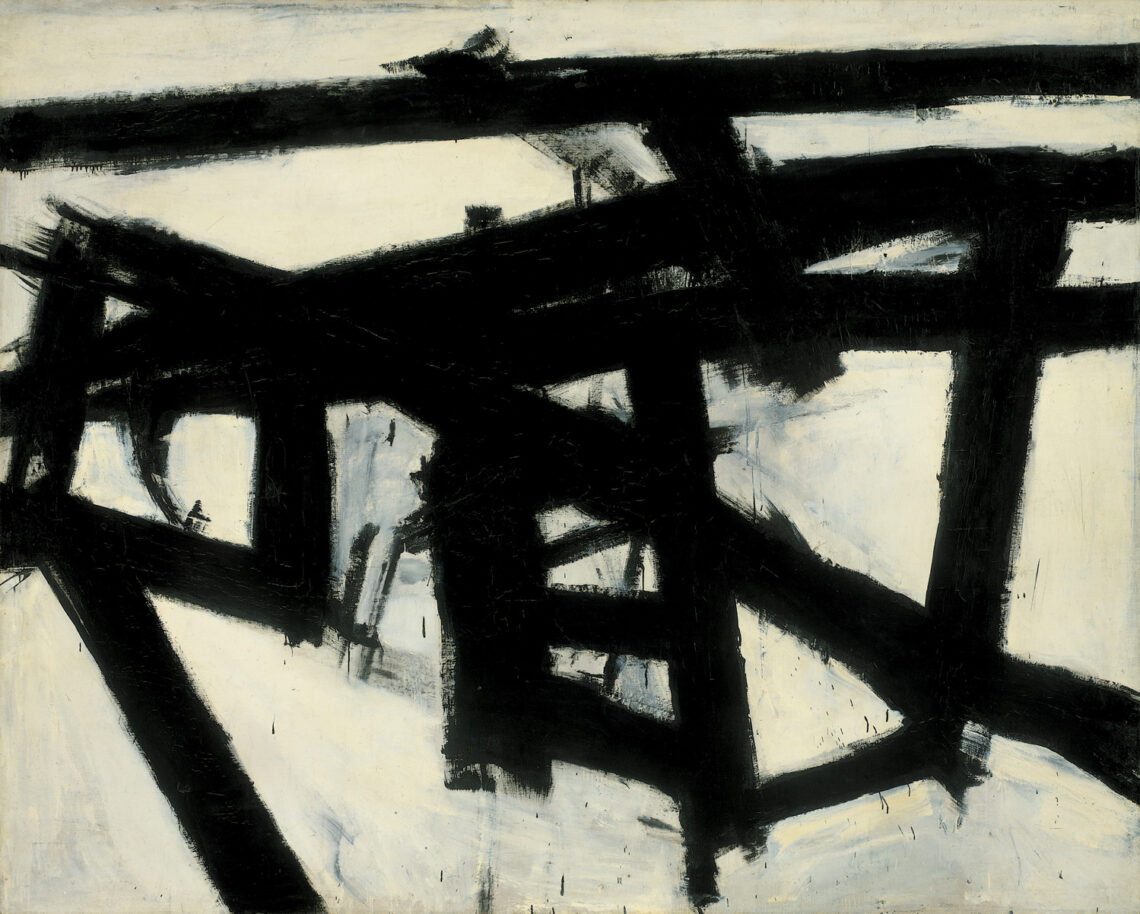
As a leading artist of the abstract expressionist movement, Franz Kline left a world-changing mark on modern art with his impressive and expressive paintings. The “Mahoning” is the most prominent among his works as it shows his control of the bold strokes and dynamic energy very well. In this article, we investigate the life and career of Franz Kline, discover the magic of “Mahoning,” and find the dramatic tale behind the famous painting.
Who was Franz Kline?
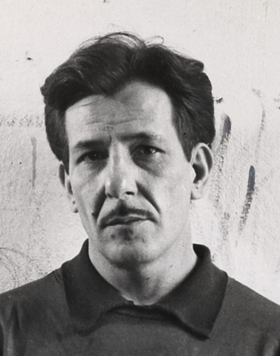
Franz Kline, who was born in 1910 in Pennsylvania was a highly regarded American artist famous for his abstract expressionist paintings. The shift to painting from drawings provides a milestone moment in the development of Kline’s artistic journey. His reputation rose rapidly in the 1950s through his powerful and lively abstract paintings imbued with the life of the abstract expressionist movement.
FUN FACT: Despite being celebrated for his large-scale black and white paintings, Kline initially began his artistic journey as an illustrator.
His Career
Kline’s artistic journey was defined by his experiments and unwavering search of the receptive means of expression. In the beginning of his career, he was a representative painter, but he discovered his unique style of abstract expressionism later on. Kline’s paintings show expressive, brushy strokes, strong contrasts, and energetic compositions. His canvases usually create a feeling of motion, vitality, and physical emotion, letting the audience form their own subjective viewpoint.
What is Happening in Mahoning?
| Artist | Franz Kline |
| Date Created | 1956 |
| Medium | Oil on canvas |
| Genre | Abstract expressionism |
| Period | 20th century |
| Dimensions | 255.3 cm × 198.1 cm (100.5 in × 78 in) |
| Series / Versions | N/A |
| Where is it housed? | The Museum of Modern Art, New York |
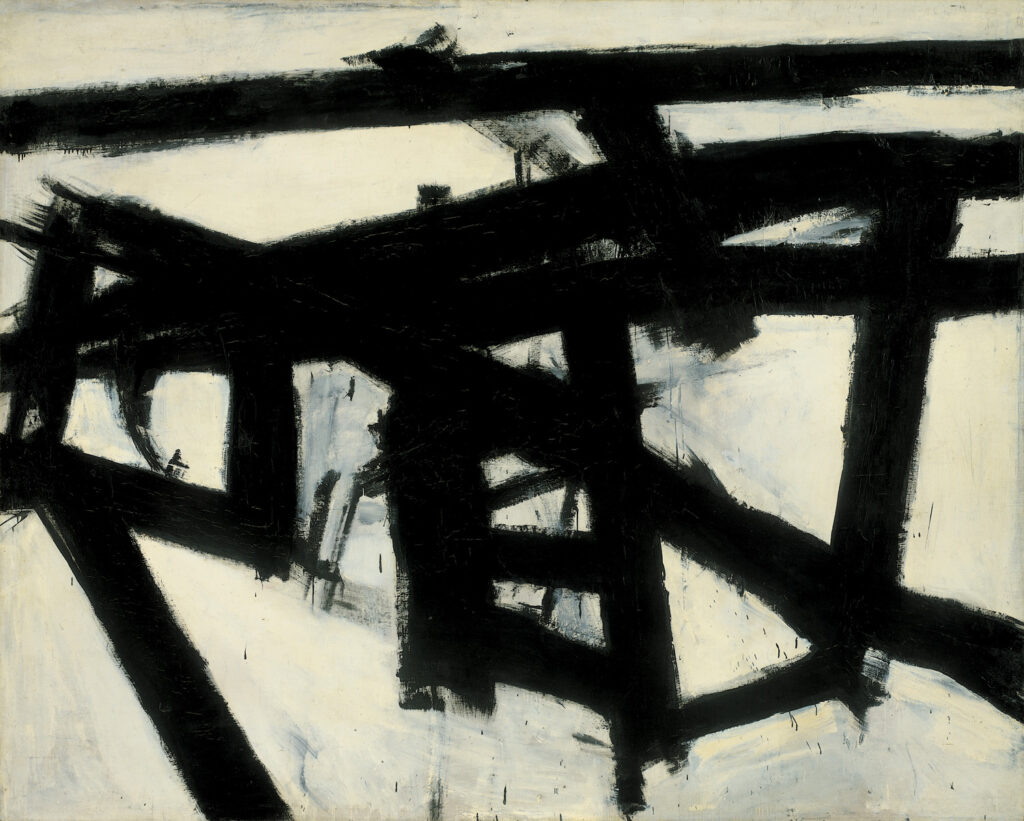
“Mahoning” is an illustration of the essential elements of Franz Kline’s style and artistic philosophy. Created in 1956, it is one of the artist’s most captivating paintings, its dynamic composition and expressive energy being its main characteristics. The title “Mahoning,” a location in eastern Pennsylvania near the artist’s hometown, hints at a personal connection or inspiration.
In Mahoning, Kline uses his usual technique of applying wide strokes of different tones to have dynamic variations of light and dark in the painting. The composition relies on strong black forms moving freely across the canvas with the speed and energy of a dance. As opposed to the neutral white space behind, these forms seem to pull the viewer in their spirals, dominating the image.
Interesting Facts
Monumental Scale: “Mahoning” is an imposing work, measuring over 8 feet tall and 6.5 feet wide. Its sheer size adds to the impact of Kline’s bold brushwork, enveloping viewers in an immersive experience.
Expressive Gesture: Kline’s use of brushstrokes in “Mahoning” reflects the influence of action painting, a technique associated with abstract expressionism. His dynamic marks convey a sense of movement and spontaneity, inviting viewers to engage with the painting on an emotional level.
Black and White Aesthetic: By restricting his palette to black and white, Kline emphasizes the contrast between light and shadow, form and space. This stark aesthetic enhances the painting’s dramatic impact, heightening the sense of tension and dynamism.
Personal Connection: The title “Mahoning” suggests a connection to Kline’s roots in Pennsylvania, hinting at the possibility of personal or autobiographical elements in the painting. This adds a layer of depth to the work, inviting viewers to consider its significance within the context of the artist’s life and experiences.
Frequently Asked Questions
What was Franz Kline known for?
Kline is most recognized for his striking abstractions in black and white, where the forceful brushstrokes appear to capture the motions and energy produced when painting.
Who was Franz Kline influenced by?
He began as a realism painter, developing a fluid style during his academic studies that led him to appreciate Old Masters like Rembrandt. However, after relocating to New York and getting to know Willem de Kooning, he started to refine his distinctive abstract style.
Conclusion
“Mahoning” symbolizes Franz Kline’s unmatched genius and everlasting place in the great history of American art. The masterpiece stands out with its unique, dynamic composition, and highly expressive energy. This iconic painting continues to attract and move viewers, getting them lost in the highly limitless world of abstract expressionism.