


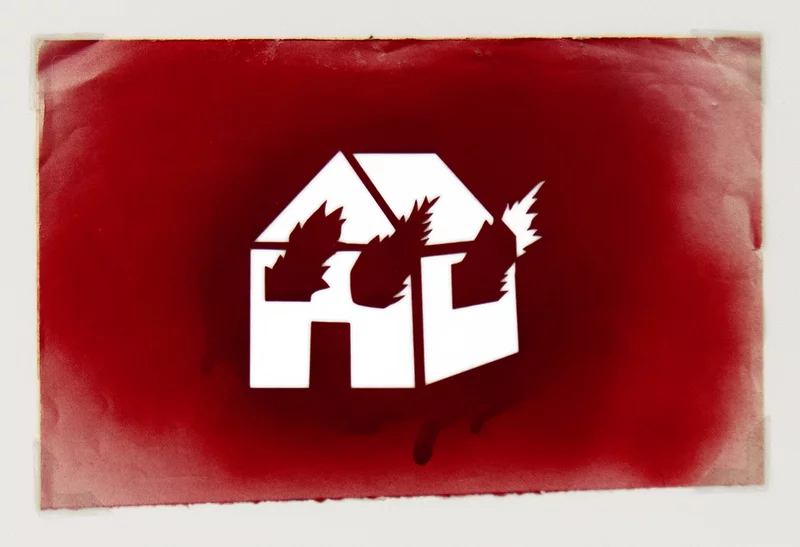
In the turbulent landscapes of today, some works of art have become powerful and visceral memorials. David Wojnarowicz’s “The Burning House” is a good example — a powerful artwork that can be interpreted as a vision of resistance, despair, and activism in the turbulent times of 1980s. Carved out of the furnace of the AIDS epidemic and the Reagan era, this work became a poignant commentary of the flames of oppression and marginalization which happened with complete disregard. Wojnarowicz’s daring and uncompromising art provides a platform for audiences to come to terms with the unjust past.
Who was David Wojnarowicz?
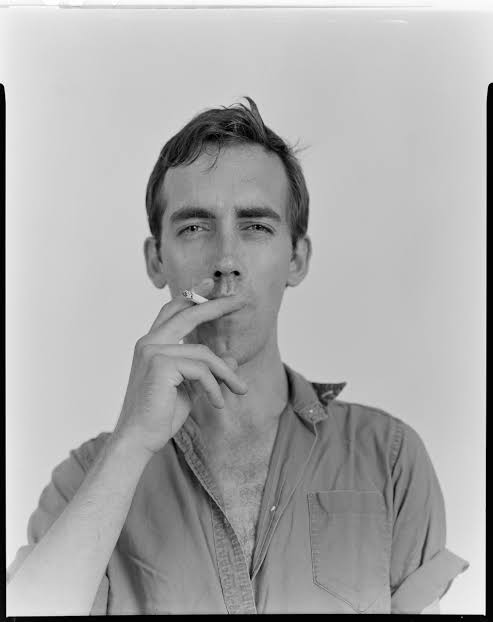
David Wojnarowicz, a prominent contemporary art character, dismissed categorization and convention all through his lifetime. In 1954, Wojnarowicz was born in Red Bank, New Jersey, a place where he experienced poverty, abuse, and consistently struggled to survive. At the centre of it all was an artist who, despite adversity, emerged with a powerful vision that would be rebellious against social norms and would give a voice to the voiceless. Throughout his career, Wojnarowicz experimented with different mediums, such as painting, photography, performance art, and writing. Art for him was not a mere aesthetic presentment but a powerful form of activism.
FUN FACT: In addition to his visual artistry, David Wojnarowicz was also an accomplished writer. He penned several books, including memoirs, essays, and novels.
His Career
Wojnarowicz’s career was characterized by opposition and strength. During the 1980s, he became increasingly assertive about what he perceived as the US government’s inadequate response to the AIDS crisis, using his art as a means of protest. In general, his art was a processing and dealing with issues such as sexuality, identity, mortality, and the political state of the nation, which forced the audiences to face unpleasant truths and to think of their own share of responsibility.
What is Happening in The Burning House?
| Artist | David Wojnarowicz |
| Date Created | 1982 |
| Medium | Mixed media (painting, collage) |
| Genre | Contemporary art |
| Period | 20th century |
| Dimensions | 18 x 24 inches |
| Series/Versions | Unique piece |
| Where is it housed? | The Whitney Museum of American Art, New York City |
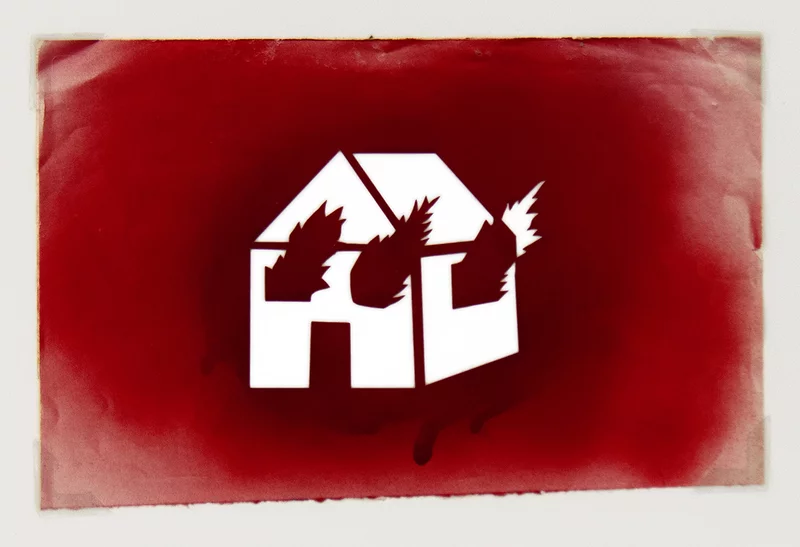
“The Burning House,” a powerful piece by Wojnarowicz, functions as a vivid reflection on the turbulent world of the 1980s. Developed in 1982 during the climax of the AIDS epidemic along with the Reagan era, this artwork portrays the rage, sorrow, and activism of the artist.
The painting outlines a chilling incident – a house collapsing into flames, with people trapped inside the fire. Among the ones are Wojnarowicz himself, along with some other individuals. Every of them seems to be battling, their faces being terribly twisted by pain and horror. The flames, which are depicted in the fiery shades of red and orange, give a feeling of devastation and mayhem.
Interesting Facts about “The Burning House”
Multimedia Masterpiece: While primarily known as a painter and photographer, Wojnarowicz often incorporated various mediums into his artworks. “The Burning House” is no exception—it combines painting, collage, and text to create a multi-layered narrative.
Provocative Symbolism: The burning house serves as a potent symbol in Wojnarowicz’s oeuvre. It represents not only the physical threat of fire but also the metaphorical fires of oppression and marginalization faced by queer communities during the AIDS crisis.
Self-Reflection: Wojnarowicz’s inclusion of himself among the figures trapped in the burning house is a powerful act of self-reflection. It underscores his personal experiences with prejudice and persecution, as well as his defiance in the face of adversity.
Political Commentary: Beyond its personal resonance, “The Burning House” is also a scathing critique of the political climate of the 1980s. Wojnarowicz was vocal in his condemnation of the Reagan administration’s response to the AIDS crisis, and this artwork serves as a visual manifesto of his dissent.
Frequently Asked Questions
Where is David Wojnarowicz art?
Among other places, the Whitney Museum of American Art in New York and the Walker Art Center in Minneapolis both have collections of Wojnarowicz’s artwork. The artist passed away in New York, NY, on July 22, 1992, at the age of 37 from AIDS.
What is David Wojnarowicz known for?
David Michael Wojnarowicz was a well-known American artist from the East Village who worked as a painter, photographer, writer, filmmaker, performance artist, songwriter, and recording artist. He passed away on July 22, 1992.
Conclusion
‘The Burning House’ by David Wojnarowicz even now finds a large following as an example of art that causes pain, questions, and incites change. By delivering his powerful and hard-hitting imagery, Wojnarowicz provokes the viewers to look beyond the past as they visualize a better future. In the midst of the burning house of oppression, “The Burning House” acts as a symbol of hope and resilience, calling on all of us to fight for a better world.


