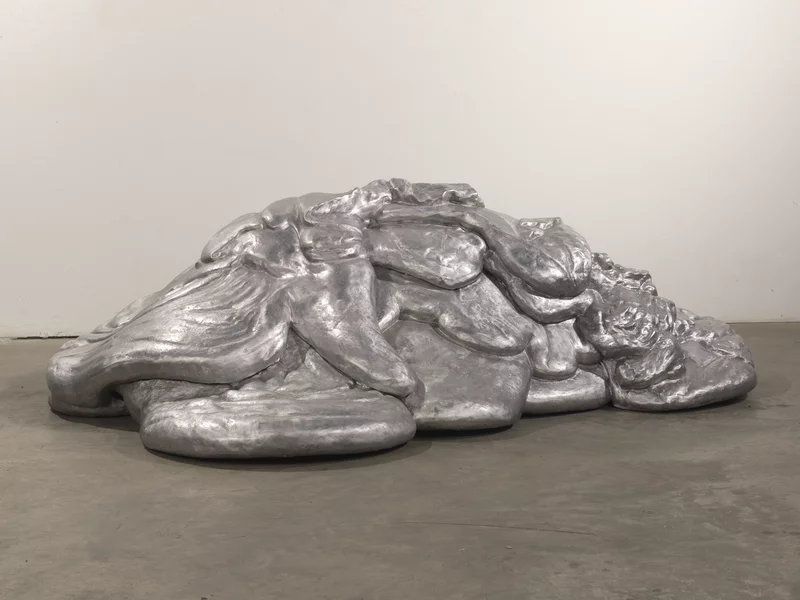
In the world of modern art, very few names provoke as much interest and mystery as that of Lynda Benglis. Throughout her career of over six decades, Benglis has been playing with the existing art methods, leaving space for questioning the viewer on the issues of shape, material, and identity. Famous for her audacious probing into forbidden topics and unanticipated methods, Benglis still keeps the public guessing with her enthralling inventions.
Among her most renowned works is “Eat Meat,” an immersive and provocative piece that makes spectators explore the raw core of a human being. In this article, we go on a tour of the mysterious world of Benglis’s “Eat Meat”, peeling the layers of this masterpiece.
Who was Lynda Benglis?
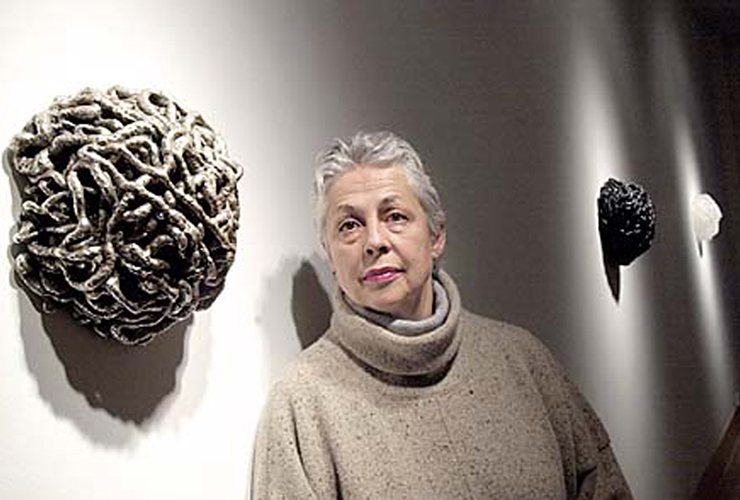
Lynda Benglis was born in 1941 in Lake Charles, Louisiana. She became a well-known artist during the 1960s and 1970s, a time of significant changes in the art world. Through her pioneering work in the post-minimalist and feminist movements, her influence on current art history is unerasable. Benglis’s art is known for its out-of-the-box experimentation with materials, using surprising mediums to break down old artistic limits and rules.
FUN FACT: Lynda Benglis is known for her adventurous spirit and love for travel. In the 1970s, she embarked on a cross-country road trip across the United States.
Her Career
Benglis’s artistic path is a manifestation of her unwavering determination to explore uncharted territories of expression. She has always been bold enough to experiment with different mediums, including sculpture, painting, video, and installation art. With her fearless creative spirit, she has earned critical acclaim, leading to her status as a pioneer in the art scene.
What is Happening in Eat Meat?
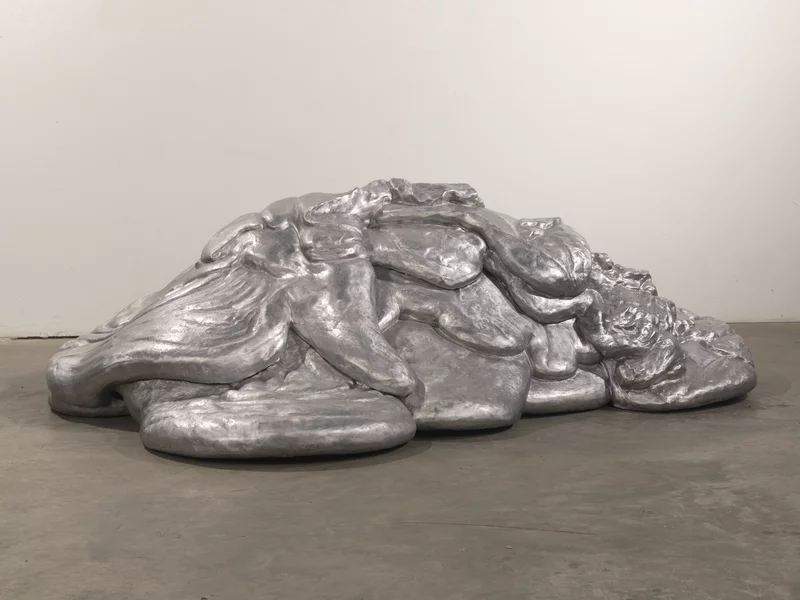
| Artist | Lynda Benglis |
| Date Created | 1979 |
| Medium | Sculpture – Mixed media (wax, plaster, animal parts) |
| Genre | Contemporary Art |
| Period | Postmodernism |
| Dimensions | Approximately 72 x 96 x 24 inches |
| Series / Versions | Unique piece |
| Where is it housed? | Private collection / Various exhibitions worldwide |
One of Benglis’s most famous pieces of work, “Eat Meat,” phenomenally portrays Benglis’s aggressive and disruptive nature. The iconic sculpture was created in 1979 and is quite a challenging piece of art that forces viewers to confront human existence’s raw, visceral, and corporeal sides.
Immediately, “Eat Meat” comes off as an unspeakable and visceral painting where the raw animal flesh is combined chaotically. At first glance, one may think of the painting as chaotic, yet upon closer inspection a complex interaction between forms, colors, and textures emerges bringing a feeling of undiluted lifetime energy.
What’s So Special about Eat Meat?
At its core, “Eat Meat” delivers a scathing critique of society, laying bare the raw realities of human nature. Benglis confronts viewers with their own discomfort and biases, forcing a deep emotional and physical engagement with the art.
The use of unconventional materials like wax, plaster, and animal parts emphasizes the physicality of the artwork. This rawness compels viewers to confront the impermanence and fleeting nature of life. Through the chaotic arrangement of raw flesh, Benglis evokes primal energy and vitality, reminding us of our fundamental connection to nature.
Interesting Facts about Eat Meat
Despite its chaotic appearance, “Eat Meat” is meticulously crafted, with each element carefully arranged to evoke a sense of raw energy and primal instinct.
Benglis’s choice of materials, including wax, plaster, and animal parts, adds to the visceral and tactile nature of the sculpture, inviting viewers to engage with it on a physical and emotional level.
The title “Eat Meat” is a provocative statement that challenges societal norms and conventions surrounding food consumption, inviting viewers to consider the primal urges that lie beneath the surface of human civilization.
Artwork Spotlight: Spanish Steps 1
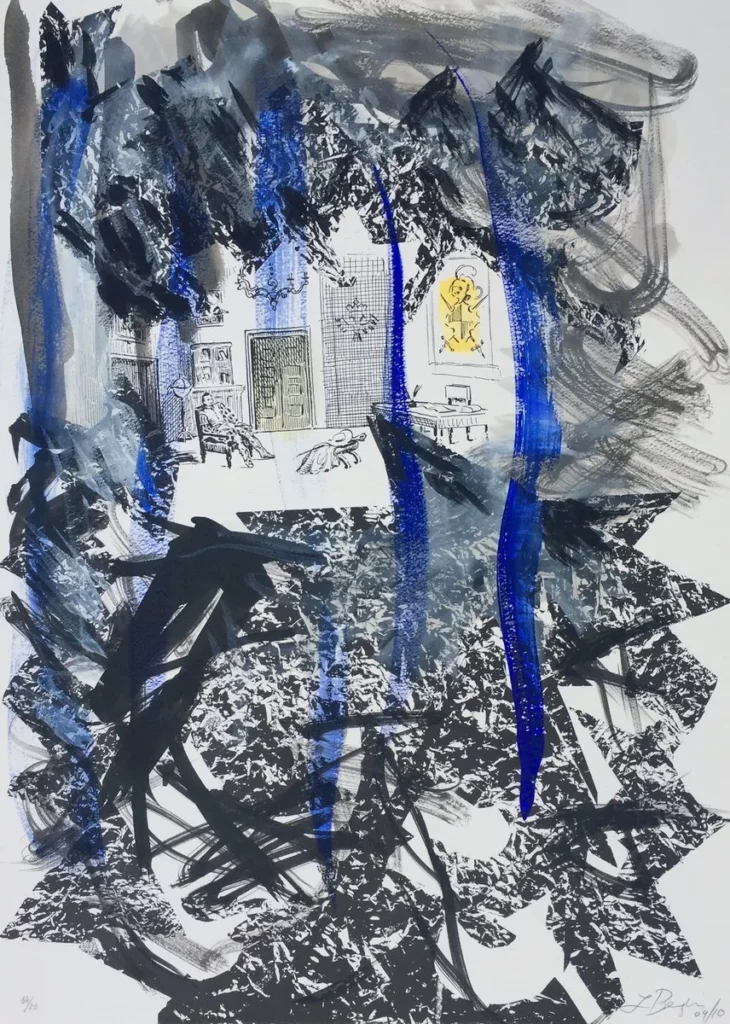
Benglis’s “Spanish Steps 1” is available on Singulart. This artwork is the expression of forms in space that leads viewers to look at the relationship between light and shade. Sporting its flowing lines and dynamic motions, the sculpture expresses a strong sense of movement and dynamism.
Are you looking for a piece of artwork from Lynda Benglis?
Singulart has limited edition prints of Lynda Benglis. If you are looking for a piece of Benglis‘ artwork for sale, simply click on the artwork or the button below to discover more!
Frequently Asked Questions
What inspired Lynda Benglis?
Benglis became a part of a close-knit group of artists in New York who were engaged in Process Art and Minimalism. These aesthetics had an impact on Benglis’s hybridized creative process and approach to form.
What is Lynda Benglis known for?
Lynda Benglis is an American visual artist and sculptor best known for her poured latex sculptures and wax paintings. Moreover, She keeps homes in Ahmedabad, India; Kastellorizo, Greece; Santa Fe, New Mexico; and New York City.
Conclusion
Overall, Benglis’s “Eat Meat” boldly pushes boundaries. It exemplifies her willingness to confront sensitive topics through art. This remarkable and provocative piece makes viewers think and feel deeply. It continues to fascinate and intrigue, sending them on an exploration of the human mind’s hidden depths.