


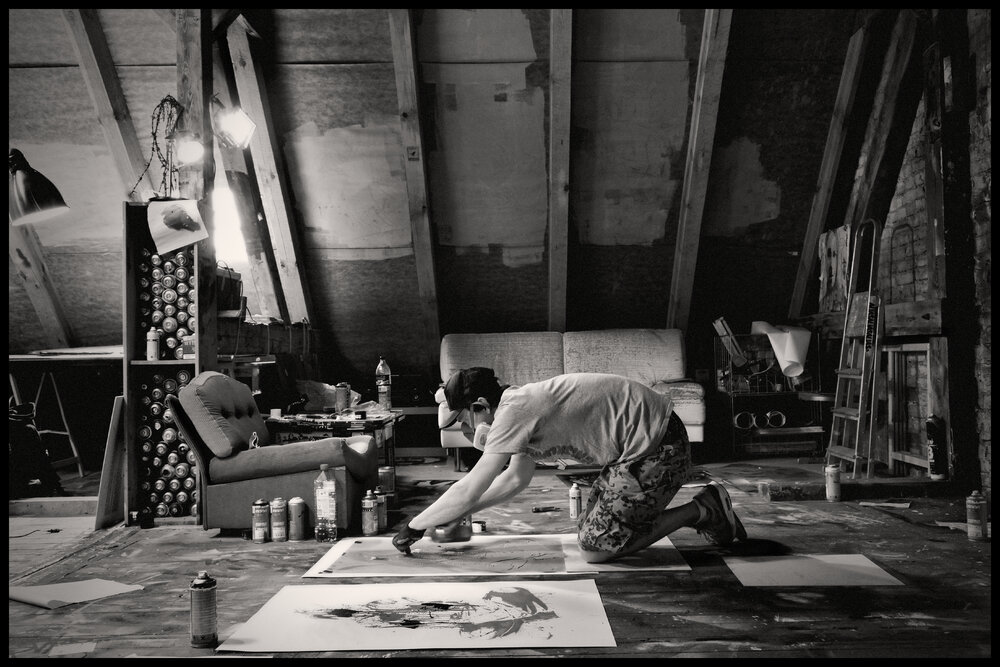
In the world of art, storytelling does not just cover painting and sculpture; it also starts with the artist. Your artist biography and statement give a glimpse into your creative ways and meaning, doing this by showing your inspiration, method, and vision. This guide aims to acquaint you with the art of developing narratives that emphasize your artistic persona.
Understanding the Difference: Artist Biography vs.Statement

Before diving into the writing process, it’s essential to distinguish between your artist’s biography and statement. Before diving into the writing process, it’s essential to distinguish between your artist biography and statement:
1. Artist Biography: A biography is a narrative of the chronological path of your artistic endeavors, emphasizing landmark achievements, influences, and milestones. It enables readers to get a feeling of your origins, your education, exhibitions, and any important collaborations or prizes.
2. Artist Statement: It is a concise and thought-provoking narrative that dives into the conceptual fundamentals of your work. It explains your artistic philosophy, themes, techniques, and goals, giving your creative practice more content and dimension.
Crafting Your Artist Biography
1. Start with a Compelling Introduction: Start your biography with an opening statement. that is an interesting hook and at the same time the tone for the rest of the story. For instance, include a personal narrative, a quote that evokes a powerful feeling, or an overall idea that represents your artistic passage.
2. Provide Relevant Background Information: Provide your readers with some details about yourself, e.g. your education, background, and artistic roots. Include the most important series of events, education, or experts that have influenced you as an artist and explain how you developed your unique view of art.
3. Highlight Career Milestones: Feature your professional achievements, exhibitions, residencies, and partnerships to prove your expertise and competence in your area of creativity. Along with that, specify the proper dates, locations, and outstanding achievements in order to create the context and more visualization.
4. Share Your Artistic Vision: Explain your general artistic vision, the themes, and reasons that make the creative practice the way it is for you. Show the readers how you deal with the theoretical framework and the philosophy of the project, thus demonstrating your attention to the truth and sincerity.
5. Conclude with a Call to Action: In the final paragraph, present your biography with an exciting invitation to interact with your artwork, exhibit, or engage with you on social media. Include link to your portfolio, website, or contact information for exploration and interaction purposes.
Writing Your Artist Statement

1. Define Your Purpose: Make sure that your artist statement clarifies its purpose – whether this is to present a particular body of work, illustrate your overall artistic philosophy, or describe your creative process. Set out your goals to determine the tone and content of your statement.
2. Articulate Your Conceptual Framework: Discuss the theoretical background of your work, i.e. themes, ideas, and motifs that are reflected in it. Analyze the symbolism, imagery, and storytelling that are present in your work, as readers will appreciate being in on your creative game plan.
3. Describe Your Creative Process: Give a sneak peek into your artistic process by talking about materials, techniques, and ways you use them to accomplish what you see in your mind. Tell stories, give examples of failures and success stories that will point out your transformation process from inspiration to implementation.
4. Express Your Artistic Philosophy: Talk about the significance of art in society, the ability to cause thought and emotion through creativity, and your ambitions as an artist. Introduce how your art addresses current affairs, breaks rules, or gets the conversation started with the existing culture.
5. Connect with Your Audience: Make sure that your artist statement is aligned with the target audience you want to address which can be your fellow artists, collectors, critics, or the general public. Employ language that is both clear and expressive, engaging your readers on a profound level and building strong connectivity between them and your work.
Refining Your Narrative
1. Edit and Revise: Re-read your biography and statement in order to edit it for clarity, coherence, and conciseness. Omit any unnecessary details or technical terms that could divert attention from the main narrative; every word you use should be there to support your story without distracting from it.
2. Seek Feedback: Invite your friends, mentors, or professionals to read and provide you with constructive feedback and advices. Take into consideration their point of view and advice as you fine-tune your account, seeking for authenticity, relevance, and resonance with your audience.
3. Stay True to Your Voice: Shape your own individual voice, viewpoint, and artistic manner during the production of your biography and essay. Say no to being ordinary by not using clichés or phrases that will not help you tell your story well. Let your passion, individuality, and creativity reflect in every phrase.
4. Update Regularly: Always update your biography and statement with recent accomplishments such as exhibitions, shows, and creative works. Make periodic rethinking and revisiting of your narrative to echo your artistic journey, growth, and hopes, remembering to keep it as a faithful depiction of your artistic self.
Why Singulart is The Best Place To Sell Your Art?
Selling your artwork has never been simpler with Singulart’s streamlined process. Here’s why artists love it:
1. Easy Setup: With Singulart, you can start selling your art from your couch with just a few clicks. Subscribe to the platform and in no time list your artworks that will be seen by passionate art admirers from all over the world.
2. Transparent Performance Tracking: Monitor the progress of your artwork with detailed analytics available in the Gold and Platinum plans. Know your audience, monitor sales statistics, and make informed decisions to effectively manage and optimize your sales processes.
3. Hassle-Free Transactions: As soon as your artwork is bought, the Singulart team will handle all the logistics. Just ship your artwork the way you decide, send it to the buyer and receive money in an easy way.
Frequently Asked Questions
What is an artist statement bio?
An artist statement is a personal narrative that describes the artist’s creative process, influences, and goals behind their work; it is normally written in the first person. An artist bio is a factual account of an artist’s biography, career, and accomplishments; it is usually written in the third person.
What is a good description of an artist?
Whatever the area of expertise, artists must be imaginative, exhibit a sharp eye for detail, have extremely developed artistic talent, and be adept at managing their time. Artists can also be technical illustrators, multimedia artists, graphic designers, or sketch artists.
Conclusion
Your artist biography and statement act as powerful instruments in shaping your identity, expressing the vision, and forming a stronger bond with your audience. Through artful storytelling which brings out the spirit of your creativity, you will be able to have an impact in other people’s lives as well as attract, hold and leave a mark on those who get in touch with your works. Whether you are a veteran artist or just a beginner, you will take your art to the next level if you can learn how to tell a story as this will make your art shine even more.


