The City by Fernand Léger isn’t just a cityscape; it’s practically alive with the energy of urban life. Imagine Paris in the early 20th century: people crowding the streets, industry in full swing, and new technologies transforming the skyline with colors and lights. Léger captures that bustling chaos and turns it into something thrilling—almost celebratory. Created in 1919, this artwork captures the thrill of modern life in a city at the height of an urban boom, engineered from top to bottom like a marvel of its time.
Léger added rhythm to the chaos, creating an image that feels alive, busy, yet controlled with his signature style. As you look, it’s like seeing the city through his eyes. Every line and color choice pulls you further into his world.
Now, let’s explore what makes The City so special, from the mind of the artist himself to the heartbeat of Paris he so skillfully captured on canvas.
Who Was Fernand Léger?
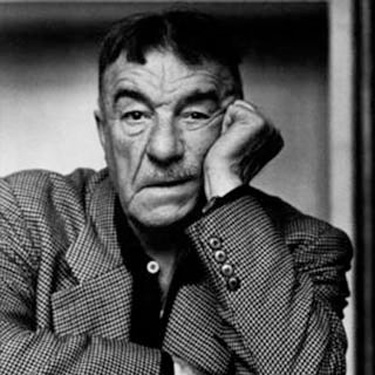
Fernand Léger was a pioneer in modern art, whose works were colorful and dynamic and celebrated modern life. He was born in Argentan, France in 1881; he began his career as an architectural draftsman. His art grew from this background in design with a unique structure. He moved to Paris where he began integrating himself into the effervescent art world, exploring new styles like Cubism and working alongside renowned artists Pablo Picasso and Georges Braque.
Léger was a lively cubist addition to many of the cubist artists, who tended to focus on abstract shapes. With his ‘Tubism’, often bold colors and cylindrical forms, he filled his art. For him, art should be the manifestation of the energy of the city and his works often culled from the busy life around him. Léger’s innovative spirit saw him move out into the realms of film, graphic design and set design as well as painting. Today, his commitment to making art accessible and relevant inspires artists.
FUN FACT: He was one of the first major artists to see beauty in industrial machinery! Unlike many of his peers, who viewed machines as cold or dehumanizing, Léger found their forms fascinating.
His Career
In the early 1900s, he joined the community of international artists beginning to reshape modern art as members of the École de Paris. His work changed over the years from first Cubism to more bright and fanciful. Léger became interested in the relationship between people and machines in the 1920s, he mostly painted the interplay of humans and technology.
The travels he made broadened his perspective, and everyone who saw the art could tell. Léger revered the everyday life of people in the city. In a hectic urban environment, he was sure that beauty and joy could be discovered. His famous work, The City, shows clearly this belief in urban life.
What Is Happening in The City?

| Artist | Fernand Léger |
| Date Created | 1919 |
| Medium | Oil on canvas |
| Genre | Modernism |
| Period | 20th Century |
| Dimensions | 129 cm × 162 cm |
| Series / Versions | N/A |
| Where is it housed? | Museum of Modern Art, New York |
Léger’s (1919) The City shows the vibrant pageantry of city life. Building, figures, and machinery are painted in color and movement in one fused composition. The geometric shapes, and bold colors, have a rhythm, and a visual symphony.
As you look closely, you can see the interplay between different elements: The tall buildings are like giants, but people and machines swirl around them. By using lines, Léger directs our eyes through the scene which makes it feel alive and dynamic. With its excitement and chaos of city life, it’s a celebration of modernity.
What’s So Special About The City?
Why is The City so special? First, it captures the spirit of the early 20th century of cities in transformation, at an astounding pace. With the power to fuse abstraction with the reality of the world around him, Léger provides a new perspective on urban life. Instead of bringing us a realistic view, he brings us an imaginative one, one that has energy and emotion behind it.
This painting is also special because it allows people to connect to the urban experience. Anyone who has ever walked through a busy street and felt the pulse of life will be able to relate to it. Léger’s art captures that moment perfectly and celebrates the beauty all around us in our everyday hustle and bustle.
Interesting Facts About The City
A Reflection of the Times: The City was painted just after World War I, during a time of rebuilding and innovation. Léger’s work reflects the optimism and energy of this new era.
Style Innovation: Léger’s unique style combines elements of Cubism and Futurism. This mix helps convey the fast-paced nature of urban life.
Influence on Design: Beyond painting, Léger’s work influenced various fields, including graphic design and architecture. His bold colors and shapes are seen in many modern designs.
Cinematic Approach: Léger was interested in film and even worked on a few projects. His cinematic approach can be seen in the way he composes scenes, almost like a movie frame.
Cultural Impact: Léger’s works are now housed in major museums around the world, including the Museum of Modern Art in New York. They continue to inspire artists and art lovers alike.
Artwork Spotlight: The King of Hearts

Léger’s artwork The King of Hearts is another gem that is also available on Singulart. This artwork reflects his playful spirit. In this piece, he explores themes of love and joy through a colorful lens, much like in The City.
Are you looking for a piece of artwork from Fernand Léger?
Singulart has limited edition prints of Fernand Léger. If you are looking for a piece of Léger‘s artwork for sale, simply click on the artwork or the button below to discover more!
FAQs
1. What was Fernand Léger known for?
From 1940 to 1945, Léger resided in the United States; but, during the war, he returned to France. Léger worked on a variety of projects in the ten years before his tragic passing, such as murals, colossal figure paintings, and book illustrations.
2. What style of painting is Fernand Leger?
Fernand Léger was greatly impacted by Cubism and contemporary industrial technology. He created “machine art,” a style distinguished by large, mechanical shapes painted in vivid hues.
Conclusion
One reason Fernand Léger remains a timeless modern artist is his ability to connect with viewers through his art. His commitment to his work and his love of beauty continues to resonate deeply with us. He reminds us to embrace the beauty in life and cherish the stories that shape our experiences. So, the next time you stroll through a bustling city, think of Léger and the vibrant world he captured so brilliantly.