Jean Arp’s The Flower Hammer is one of those pieces that just pique your curiosity. The name is interesting because it is made up of two words—how can there be a “flower” and a “hammer” in one single sentence? That’s just what Arp wanted to do. The Flower Hammer is no exception, he was all about blending different ideas to spark our imagination. It was made in 1916 and was part of Arp’s Dadaist beliefs, a movement that encouraged people to break from traditional art and dive into the odd.
The Flower Hammer wasn’t made to explain anything, Arp didn’t make it. He wanted it to be something you felt and experienced. On the surface, it’s a sculpture that doesn’t attempt to be a story, it just invites you to look closely and wonder. Who exactly is Jean Arp and why is The Flower Hammer such a special piece of art? So, let’s learn about his life, his career, and why this artwork appeals to people even today.
Who Was Jean Arp?
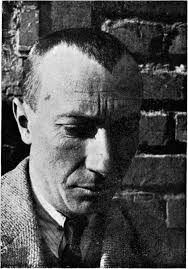
Jean Arp was born in 1886 in Strasbourg which has both French and German roots. His unique background played an important part in the shaping of his style. Arp co-founded the Dada movement in Zurich early in his career. The art movement Dada was a wild, rebellious art movement, born in response to the chaos of World War I. For Arp art didn’t have to be ‘serious’ to be important. It was Dada, full of breaking rules, adding humor, and making the unusual special.
After Arp’s Dada days, he moved toward Surrealism, in which he allowed his imagination to run even more freely, producing dream-like works. He eventually ended up with abstract art, working with simple, flowing lines in that he was able to remind people of their nature. Arp’s pieces were often round, with soft curves, and were seemingly shaped gently by nature itself, like by wind or waves.
FUN FACT: Jean Arp was known for creating art by chance. He would sometimes let pieces of paper fall randomly onto a larger sheet, then glue them exactly where they landed.
His Career
Arp’s life was like a voyage through the most daring art world ideas. After Dada, he took on traditional ideas about art, first with humor and later with spontaneity. He became a Surrealist later and used his work to add a dream quality. He finally resorted to doing abstract art, which involved painting and creating sculptures of soft shapes and flowing forms. This became his style.
Arp didn’t want art to be about exactly capturing a person or an object. Instead, he wanted to capture feelings, life, and movement. His pieces don’t attempt to look identically like actual things; they are hints or whispers of what might be there, with you able to imagine.
What is Happening in The Flower Hammer?
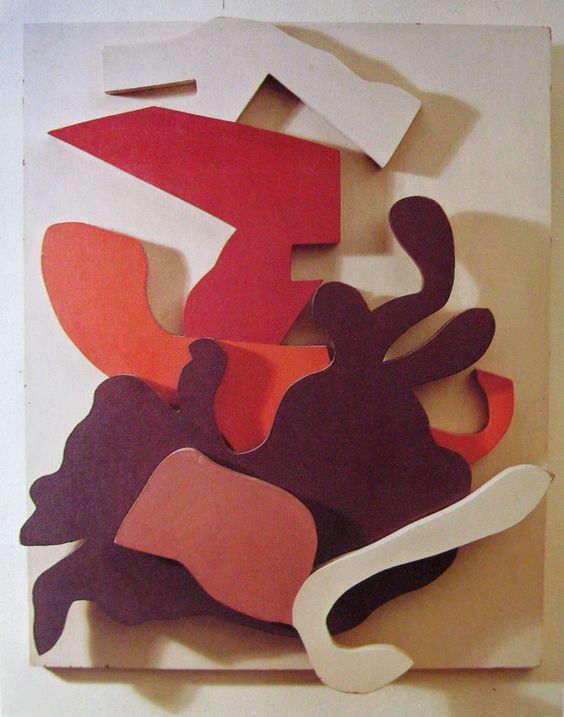
| Artist | Jean Arp |
| Date Created | 1916 |
| Medium | Sculpture, carved in wood |
| Genre | Abstract, Dada |
| Period | Dada Period |
| Dimensions | Varies by version (Typically around 20-30 cm tall) |
| Series / Versions | Unique pieces, though similar organic sculptures exist |
| Where is it housed? | Museum of Modern Art, New York |
In The Flower Hammer, Arp combines two very different things: a flower and a hammer. However, when you look at it, you won’t see anything resembling a regular hammer. It’s got no sharp metal head or handle. Instead, it’s a living, organic thing. Picture the shape of something pertinent that might be a flower petal in blossom, or perhaps a cloud just beginning to roll.
It’s a nice blend of delicate and strong that makes The Flower Hammer so interesting. By labeling it, he’s asking us to open our minds a bit, and just look at it without thinking about what it’s ‘supposed’ to be. It wasn’t about creating something with a meaning, for him. The magic in this piece is that it lets people feel like they can find their own story in the art, which makes this so special in the first place.
What’s So Special About The Flower Hammer?
The tensions in The Flower Hammer are its charms. It isn’t just one thing, there’s a mix of ideas. It’s soft, it’s solid, it’s fragile, it’s strong. These groupings of shapes and feelings force us to see beauty in contradiction. The Flower Hammer speaks directly to anyone who sees it, unlike art that requires background information and a particular story. It’s not anything hidden, you need to unlock some secret meaning, it’s really about how you feel.
Its simplicity is one of the reasons this piece feels so modern, even today. It’s not attached to a period or movement. It isn’t old-fashioned, it’s not overly complex. It’s just simple!
Interesting Facts About The Flower Hammer
Born from Dada: Arp created The Flower Hammer during his Dada phase. Dada was all about rejecting the rules, so this piece reflects that playful, “anything goes” attitude.
A Unique Blend: The name itself, The Flower Hammer, is a combination of two very different things. This mix reflects Dada’s love for unexpected pairings and Arp’s desire to surprise his viewers.
Nature’s Influence: Arp’s work often feels like it’s inspired by natural forms, and The Flower Hammer is no different. It has a shape that feels like it could be part of nature—a rock, a petal, or something from the ocean.
It’s Up to You: Arp didn’t want people to overthink his art. For him, The Flower Hammer was about letting people find their interpretations without needing an explanation.
Artwork Spotlight: Le Musee de Grenoble, Galerie Maeght Original Poster

Arp also created beautiful posters like Le Musee de Grenoble, Galerie Maeght Original Poster which is available on Singulart. This piece, like The Flower Hammer, shows his love for organic, flowing shapes that capture the eye.
Are you looking for a piece of artwork from Jean Arp?
Singulart has limited edition prints of Jean Arp. If you are looking for a piece of Arp‘s artwork for sale, simply click on the artwork or the button below to discover more!
FAQs
1. What techniques did Jean Arp use?
Arp uses a variety of techniques, particularly collage and unorthodox materials. Plaster and wood reliefs were the two primary materials that Arp employed to create his sculptures.
2. What movement was Jean Arp a part of?
Arp sought safety in Zürich during World War I, and in early 1916 he helped establish the Dada movement there.
Conclusion
The Flower Hammer is all about letting go of rigid expectations and embracing something a bit more mysterious. It’s the kind of sculpture that feels at home in any space, giving off a sense of curiosity and gentle humor. Arp’s choice to mix two opposites—a flower and a hammer—isn’t supposed to make perfect sense. It’s supposed to make us feel something, to look twice and think a little deeper.