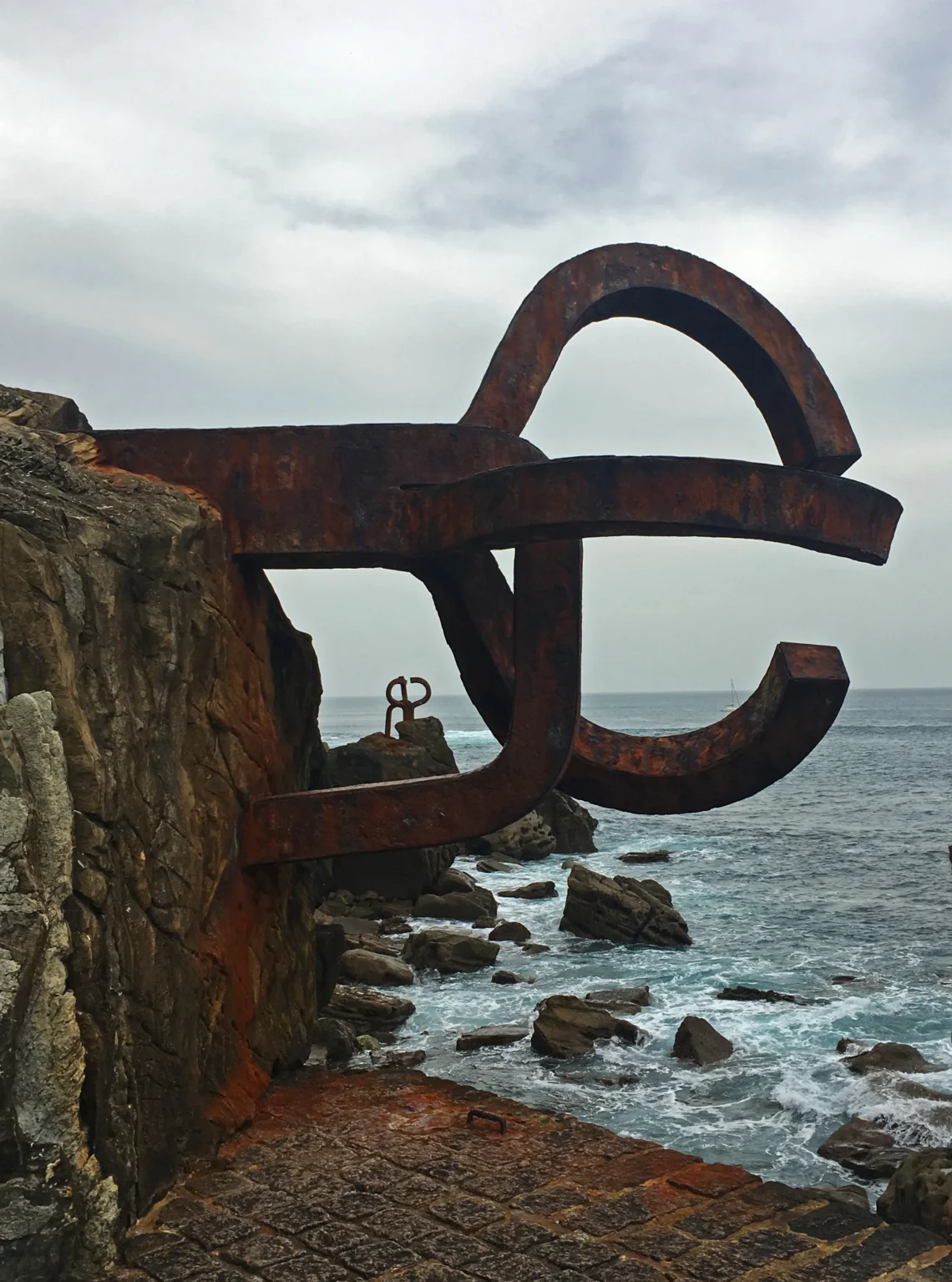
Eduardo Chillida, a name that comes up when we talk about powerful, moving sculptures, created one of the most incredible pieces of art: Comb of the Wind. Not only is this a sculpture, but it’s an experience. This masterpiece is located in the coastal city of San Sebastián, Spain. The artwork comes to life as the wind blows through these giant steel combs set against the crashing waves of the Bay of Biscay. Why should you know about it and what makes the Comb of the Wind so special? Join us as we journey through the life of Eduardo Chillida and explore this incredible piece of art.
Who Was Eduardo Chillida?
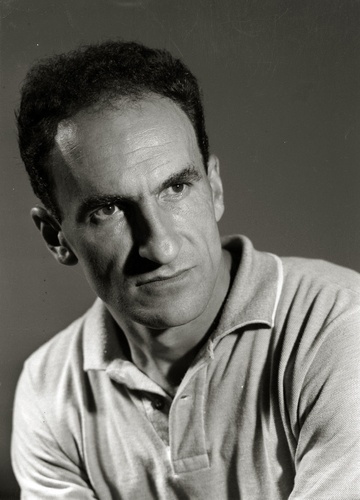
Eduardo Chillida was born in San Sebastián, Spain in 1924. Think of a kid who loves building blocks and grew up to be a world-famous sculptor. The fact that almost all of his sculptures felt so well thought out is probably because he started out studying architecture. Chillida didn’t want architecture, however. In the meantime, he switched to creating big, bold, and meaningful sculptures.
Chillida worked with a variety of materials, including iron, stone, concrete, and wood. He loved creating art meant to be experienced, not just seen. His sculptures often have large openings or spaces to walk through, offering new perspectives of the world. By 1950, Chillida had become an established figure. By 1960, he was winning awards and gaining recognition throughout Europe and beyond. Chillida focused on making art that felt like a dialogue between people, places, and materials.
FUN FACT: Eduardo Chillida originally studied to become an architect before switching to sculpture. His architectural background greatly influenced his approach, as he loved designing large, spatial works that interact deeply with their environment.
His Career
In the 1950s, Chillida’s career took off, creating iron sculptures. The pieces were bold and brought previously unseen strength and softness together. However, over the years Chillida worked with other materials, including stone and concrete. For him, every material had a voice and could tell another story.
Throughout his decades of work, Chillida centered his works and their environment on each other. Art was a conversation and it had to be a conversation between people, the spaces they inhabit, and the very elements that make our world. His public sculptures reflect a philosophy that ordinary locations can become spaces of reflection and connection.
What Is Happening in Comb of the Wind?
| Artist | Eduardo Chillida |
| Date Created | 1977 |
| Medium | Steel, concrete |
| Genre | Abstract sculpture, outdoor art |
| Period | 20th century, Contemporary |
| Dimensions | Vary depending on the specific comb |
| Series / Versions | Part of the Comb of the Wind series |
| Where is it housed? | San Sebastián, Spain, at the coast of the Bay of Biscay |
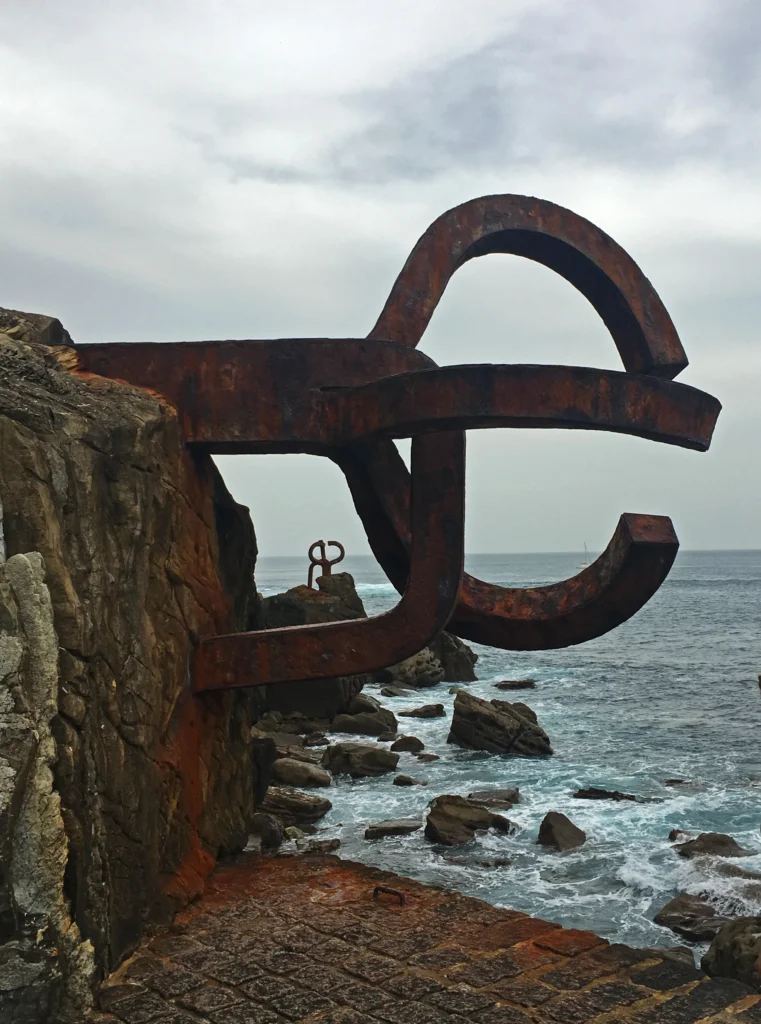
The comb of the Wind (or Peine del Viento in Spanish, in case the Spanish readers missed that one) is tucked away on the edge of the Bay of Biscay. It was created in 1977 and consists of 3 large, steel sculptures that look like giant combs. The combs face the powerful winds and waves of the sea, set against the rocky coastline.
The sculptures are not mere formal abstractions; they participate in the elements. The blowing wind passes through the metal sculptures making a sound that changes with the time of day or the weather. Beneath the rocks the waves crash, and if you return often they are always different.
The beauty of Comb of the Wind isn’t just the sculptures themselves — it’s in how they live through their surroundings. Chillida didn’t simply want us to look at his sculpture; he wanted us to feel it. The sculpture seems to be a part of the landscape itself interacting with the wind and the sea.
What’s So Special About Comb of the Wind?
What is so special about Comb of the Wind? Let’s break it down. First, it’s the location. The sculpture is set on the rugged, windswept rocks of his town, San Sebastián, and it looks like it was made for locale. How the sculpture will be experienced is partly determined by the wind, the waves, and the coastline. It’s not an object, it’s alive, it’s living, it’s part of the natural world.
The second special thing about Comb of the Wind is that it makes you think about space. This piece is a fine example of how Chillida was obsessed with how sculpture shapes the space around it. The steel sculptures do more than stand still, they become wind, sea, and sky. The sound the wind makes as it flows through the combs is unique and the whole piece changes with the weather. It looks different each time you see it.
Interesting Facts About Comb of the Wind
Now, here are some fun facts about Comb of the Wind that you might not know:
The Sound of the Wind: The wind blowing through the sculptures creates a sound that changes depending on the weather. It’s like a natural symphony made by the wind and the sculptures working together.
A Tribute to Nature: The three steel combs are thought to represent the powerful forces of nature, like wind and water. They remind us of our connection to the natural world.
Location Was Key: Chillida had always dreamed of placing a sculpture right where the wind and sea meet. The location of Comb of the Wind was no accident—it’s part of what makes it so special.
A Blend of Materials: The sculptures are made of steel, but they rest on massive stone bases. This combination of hard, industrial materials with natural stone gives the piece a unique look and feel.
Artwork Spotlight: Esku XVI

One of his earlier works, Esku XVI is available on Singulart. In this artwork, he captured the beauty of a human hand in abstract form, giving a sense of balance and connection.
Are you looking for a piece of artwork from Eduardo Chillida?
Singulart has limited edition prints of Eduardo Chillida. If you are looking for a piece of Chillida‘s artwork for sale, simply click on the artwork or the button below to discover more!
FAQs
1. What is Eduardo Chillida known for?
Although Eduardo Chillida, a Spanish artist, has a diverse and innovative practice that includes small-scale sculpting, plastering, drawing, engraving, and collage, his most well-known monumental public sculptures are his most notable works.
2. What inspired Eduardo Chillida?
Chillida’s Basque background served as a major inspiration for most of his work, and the titles of many of his sculptures are in Euskera, a Basque language.
Conclusion
Comb of the Wind by Eduardo Chillida is a masterpiece that goes way beyond sculpture; it’s an experience. It’s a work of the wild beauty of San Sebastián that slowly, inexorably changes with the wind and the waves and the seasons. This piece is special because Chillida was able to combine art and nature. It’s a living artwork, if you ever are close to the Basque coast, make sure to take a moment to see for yourself. It’s incredible as the French would say “C’est incroyable!”