Some artworks speak louder than words. These don’t require bright colors or dramatic scenes, they allow the textures, tones, and emotions to do the talking. Le Massacre by Jean Fautrier is just that type of piece.
This haunting artwork was born during World War II, a time of confusion and unimaginable waves of loss. Fautrier does not show war directly but does something else. He can feel its weight; the grief, the silence, and the marks behind.
Before we get into what makes Le Massacre so powerful, let’s discuss the man himself. Who was Jean Fautrier? And how did his life result in that unforgettable work?
Who Was Jean Fautrier?

The French Artist Jean Fautrier was born in Paris in 1898. Born in France, and brought up in England and elsewhere, he had this unique outlook. His art was both bold and sensitive and much of it was closely related to influences from his mix of cultures.
Fautrier wasn’t afraid to take a risk. He had to deal with lots of problems in his life, down to World War I. Instead, these experiences shaped his art. He made things look good, but they also made people feel.
He was a leading artist of a movement called Tachisme. It was a French abstract art, that emphasized emotion and texture. The feeling is more important than what the Fautrier’s works display.
FUN FACT: Jean Fautrier wasn’t afraid to get his hands dirty—literally. He often worked with unusual materials like plaster, giving his art a rough, almost sculptural feel.
His Career
Fautrier began his life in art with traditional paintings. He started to experiment with abstraction over time. And this wasn’t all about style – it was to express his feelings in painful times.
During World War II, his most famous works were his Otages series. They were paintings that did not reflect the suffering or trauma of war in a graphic way, but rather quietly and powerfully.
By the 1950s, Fautrier was known throughout the world. He got major awards and was shown in top galleries. Yet, he remained focused on his goal: art that connected people more viscerally.
What Is Happening in Le Massacre?
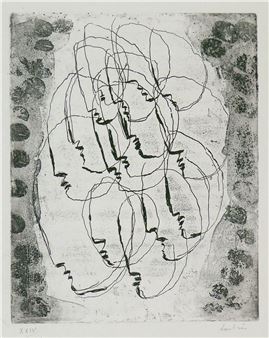
| Artist | Jean Fautrier |
| Date Created | 1944 |
| Medium | Mixed media on paper |
| Genre | Abstract, War Art |
| Period | Modern Art / Art Informel |
| Dimensions | Approximately 65 cm x 50 cm |
| Series / Versions | Part of the Otages series |
| Where is it housed? | Various private collections; some museums |
Le Massacre is something you might not expect when you look at it. No figures, no guns, no blood. But that’s exactly the point.
Made during World War II, this painting is a part of the Otages series. Inspired by the Nazis’ brutal executions at the capture or near Paris, the series was a product of World War II art. Instead of showing the violence directly, Fautriere gives us something more abstract.
Le Massacre has a textured surface that feels like torn earth as if the surface of the painting is scarred itself. Grays, whites, and hints of pink, all these soft colors add to the feeling of a quiet, mournful shape. It almost seems like the artwork is grieving and not describing itself.
What’s So Special About Le Massacre?
The rough surface of Le Massacre is due to Jean Fautrier’s technique of painting and plastering his subjects, layer after layer. It’s almost tactile, but it’s also a textured quality beyond the visual. The raw emotions are written right into the painting, it feels like you could reach out and touch them, and the pain and grief it depicts becomes all the more real.
Le Massacre’s colors are undemonstrative and muted, grays, whites, and pinks. They’re not screaming for attention, but there’s a weighted emotional story in that. These tones make the sound of quiet mourning, such as how still it is after a storm. It is through this subtle use of color that we feel the artwork and its world of sorrow.
Interesting Facts About Le Massacre
Created in secret: Fautrier worked on the Otages series in his hidden atelier near Paris, away from the watchful eyes of the Nazis.
Inspired by real events: The painting reflects the executions carried out during the Nazi occupation of France.
A quiet protest: Fautrier used art to respond to the horrors of war, but in a way that was subtle and deeply moving.
Timeless emotions: Even though it’s tied to a specific moment in history, the feelings in Le Massacre—grief, loss, resilience—are universal.
Artwork Spotlight: Rochers
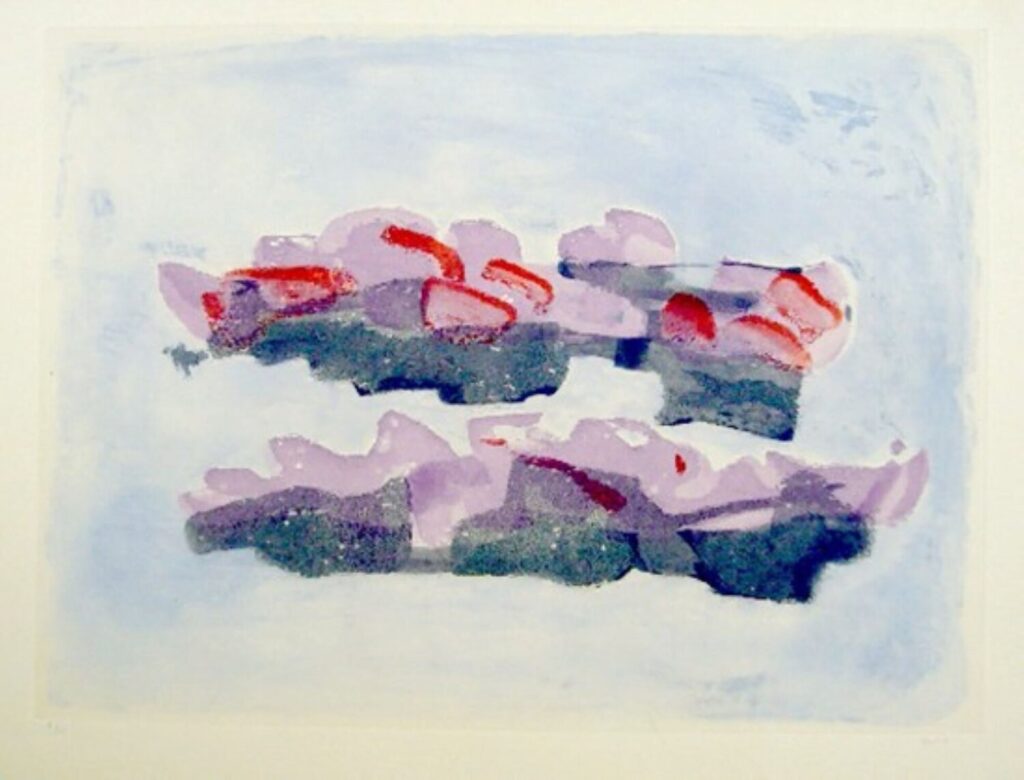
Rochers by Jean Fautrier is available on Singulart. This artwork depicts rugged, rocky landscapes with textured beauty.
Are you looking for a piece of artwork from Jean Fautrier?
Singulart has limited edition prints of Jean Fautrier. If you are looking for a piece of Fautrier’s artwork for sale, simply click on the artwork or the button below to discover more!
Conclusion
Le Massacre of Jean Fautrier is not a painting, it is an experience. It transforms an unimaginable act of violence into something very personal and universal at once.
If you ever get the chance to see Le Massacre in person, don’t miss it. This isn’t just an artwork, it’s a piece of history, a thing of our history, about what we’ve been through, what we survived.