Pierre Tal-Coat isn’t quite as famous as Picasso but his artwork remains to be seen. It’s not a picture of himself but a bare, deep expression of him. Tal-Coat opens his world to us with bold brush strokes and earthy colors. That’s not about perfect details — it’s about showing emotion and feeling.
Let’s take a closer look at Pierre Tal-Coat, his journey as an artist, and what makes his Self-portrait stand out.
Who Was Pierre Tal-Coat?
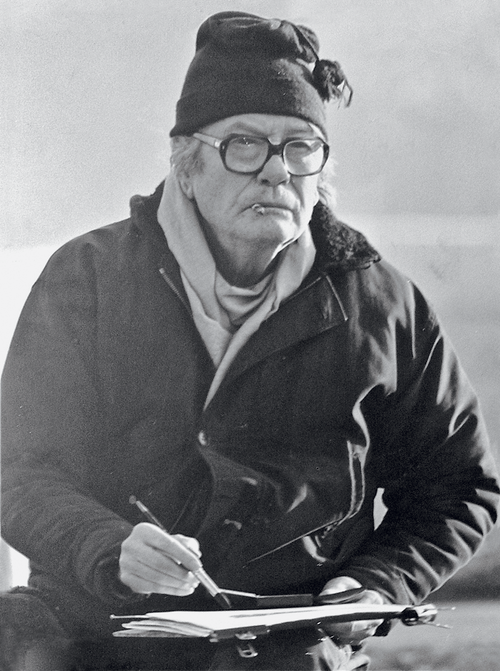
Émile Paul Jules (Pierre) Tal-Coat, born in 1905, was a French artist who was not afraid to break the rules. The name Tal-Coat, meaning Wood Face, was picked by him because he was from Brittany, France.
After graduating from ceramics he went to Paris. He then went there where he was grouped with other famous artists like Pablo Picasso and Georges Braque, but Tal-Coat was not copying others. He wanted to set his tone.
Realistic art is what he followed initially, but eventually, he abandoned abstraction to express his emotions a bit more freely. It wasn’t about perfect shapes, it was about feelings.
FUN FACT: He was born Émile Paul Jules Renault, but he adopted the name Tal-Coat, which means “Wood Face” in Breton, as a nod to his roots in Brittany, France.
His Career
Pierre Tal Coat’s artistic path is that of a career of progression, by experimenting, new discoveries, and breaking boundaries. His career was all about keeping things fresh, exploring change, and exploring what art could be.
Tal-Coat learned the value of texture and form, things that would echo in his paintings further down the line. However, in the 1930s he turned to painting and relocated to Paris, the center of the art world. He also found the giants of modern art, Pablo Picasso, Georges Braque, and André Masson.
What is Happening in Self-Portrait?
| Artist | Pierre Tal-Coat |
| Date Created | c. 1930s |
| Medium | Oil on canvas |
| Genre | Self-portrait |
| Period | Modern Art |
| Dimensions | Varies (typical canvas size) |
| Series / Versions | Singular work |
| Where is it housed? | Private collections or galleries |
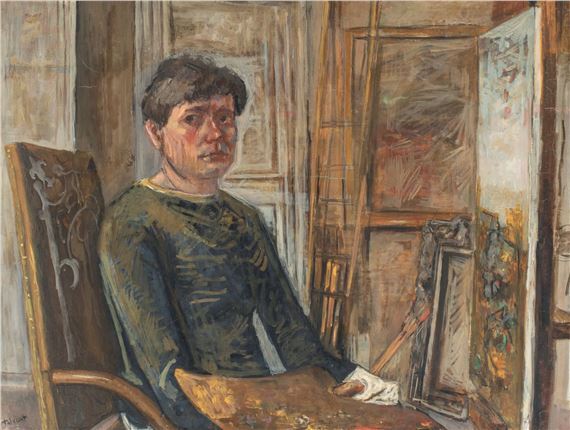
Self-portrait is not your regular painting. Tal-Coat painted his emotions instead of concentrating on minute details. You can’t see his face perfectly, but you can feel his mood.
The colors are muted—berns and grays and blues—calm and introspective feeling. He looks serious, almost like he’s thinking. Tal-Coat is asking himself big questions about life and art.
The painting feels like more than just a self-portrait. It’s a glimpse into his mind, a visual representation of his inner world.
What’s So Special About Self-Portrait?
This self-portrait is not about looks, it’s just unusual. Tal-Coat wasn’t making himself pretty or perfect. He wanted to see, to feel, to experience something more; something deeper.
Perfectly painted features and a nice composition won’t be what you see. What you can see instead is the heavy brushstrokes that are rough to look at. You don’t notice every stroke, but when you do, it feels like the meanings are full.
It’s not just a painting of Tal-Coat’s face. It makes us think about our own emotions and who we are.
What Does Self-portrait Tell Us?
Self-portrait by Tal-Coat is not just a painting. It’s a personal story. They aren’t carefully planned brushstrokes, instead, they are instinctive and rambunctious. You’ve got to think it’s kind of Tal-Coat talking through the canvas, talking to us saying: “This is who I am. Take it or leave it.”
It’s a bit mysterious painting. But that’s what makes it so beautiful, we can’t see everything clearly. It feels real because it’s not perfect.
Interesting Facts About Self-portrait
The Name “Tal-Coat”: Tal-Coat’s name comes from the Breton language and means “Wood Face”. It reflects both his heritage and his love for nature.
It’s Not About Realism: Unlike traditional self-portraits, this one doesn’t focus on creating a perfect likeness of his face. It’s about his inner feelings.
Earthy Colors: The muted browns and grays in the painting are a tribute to Tal-Coat’s love of nature, especially the rough landscapes of Brittany.
Artwork Spotlight: Telle la hache

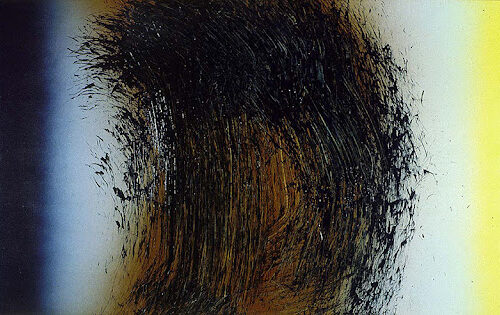
Telle la hache by Pierre Tal-Coat is available on SIngulart. The painting is a mix of shapes and forms that don’t always traditionally make sense.
Are you looking for a piece of artwork from Pierre Tal-Coat?
Singulart has limited edition prints of Pierre Tal-Coat. If you are looking for a piece of Tal-Coat’s artwork for sale, simply click on the artwork or the button below to discover more!
FAQs
1. What inspired Pierre Tal-Coat to transition from figurative art to abstraction?
Pierre Tal Coat was deeply influenced by nature, emotion, and the changing Paris art movements. Although he started with figurative works he eventually discovered that abstraction gave him a way to express himself more freely.
2. Why is Pierre Tal-Coat considered an important figure in modern art?
Pierre Tal-Coat is famous for giving birth to new rules and for the ability to live with constant change. He became notorious for an inability to stand still artistically — exploring Cubism, Surrealism, and abstraction in equal measure.
Conclusion
Pierre Tal Coat’s Self Portrait is a painting that can talk to you. It’s not just a person, it’s a person’s soul. Tal-Coat didn’t care about perfection. He wanted us to see what was on the inside.
So, take a moment to meet Tal-Coat. His Self-portrait isn’t just art—it’s a feeling. And that’s what makes it unforgettable.