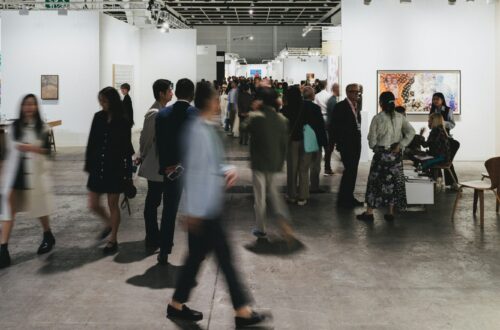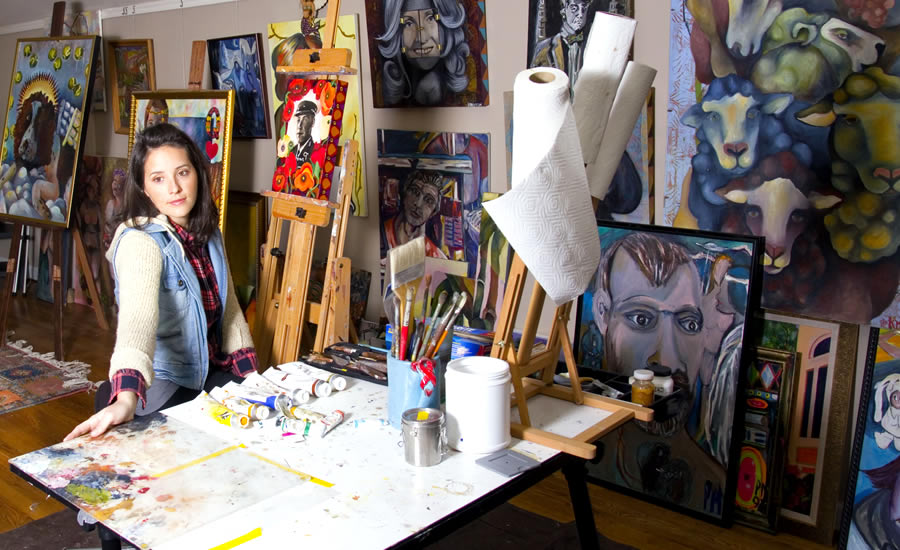
Have you ever browsed beautiful paintings online and wondered what you can do to purchase or sell such art? Welcome to the world of the art marketplace. It’s now easy to see how artists and buyers connect on these platforms and change the way the game is played.
In this article, we will explain how an art marketplace works, how artists use it, and how buyers prefer to utilize one. Whether you are an artist, collector, or just curious, with this guide, all will be explained.
▷ Expand Your Art Network with Singulart
What is an Art Marketplace?
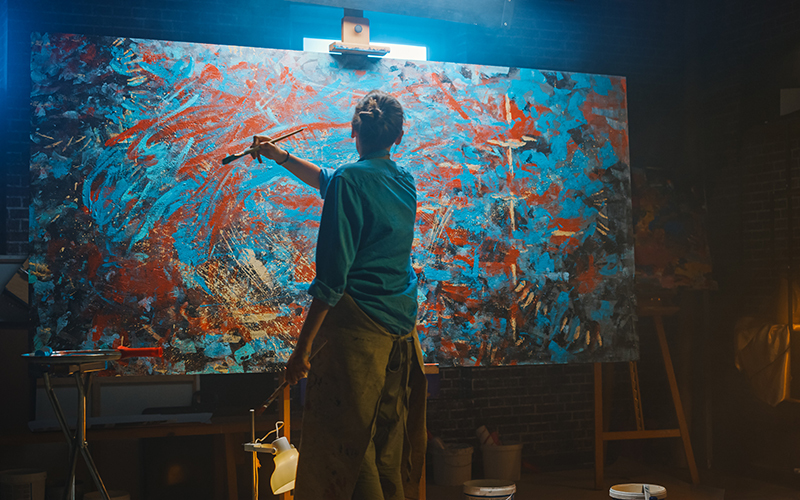
An art marketplace is an online platform where artists can upload their art for sale and buyers can go to check and buy their art. It’s like Amazon, but just for art.
These platforms have paintings, sculptures, prints, and digital pieces as well as photography. Buy and sell processes are made more efficient, faster, and more global than ever before.
An online art marketplace is simply an online space where art lovers and artists can meet.
Unlike a traditional gallery, with a traditional physical location that is limited, an art marketplace is open to anyone across the internet. That makes it more democratic. Artists from small towns can find buyers in the big cities. Buyers can find unique art all over the world.
The Artist’s Side of the Marketplace

So, how does it work for an artist?
The first step is to make the artist’s profile. Next, they post photos of their art, give the pieces titles as well as prices and descriptions. While some platforms enable artists to choose a price, others suggest a price range for them based on market conditions.
Once the artwork is listed, it’s visible to anybody visiting the site. It allows people to see it, ask questions, and even make offers. The artists can also tag their work with keywords, which will make their work easier to search for on search engines and for the users.
The artist then ships the piece to the buyer when a sale is made. Some art marketplaces will do the packaging and shipping, and some won’t. Some even give the shipping label and tracking system.
The most important thing is that the artist is paid directly or through the platform. The payment is typically made with PayPal or bank transfers.
The platform also gives some artists the chance to build their following. They communicate with fans, update, or even offer custom work. That turns one-time buyers into long-term supporters.
The Buyer’s Side of the Marketplace
Now let’s look at the buyer’s journey.
Artists present artwork to sell through the art marketplace, and buyers visit the marketplace to find artwork they like. Almost all sites have filters available that include color, size, medium, price, and style. It’s easy to find what you are looking for.
Once they find something they like, they can read up on the artist, zoom in on the artwork, and some even have the option of how it would look in their homes via virtual previews or AR features.
If it looks good, they put it in their cart and check out. Some marketplaces even provide framing, gift wrapping, and free shipping options.
Once paid, the artist is notified, and then the artwork gets packed and shipped. When an artwork is delivered, buyers can track it and even leave a review. It creates trust for future buyers.
Some of the buyers also like interacting with artists directly. They might even ask why the artwork was made or ask to commit to the custom pieces. It gives the art a more personal touch with this human touch.
How Does an Art Marketplace Make Money?

No art marketplace runs free. Every platform charges a small commission from each sale. This is from 10 to 40 percent, depending on the site.
Some also charge artists a monthly listing fee. Others may charge a one-time fee per listing. It helps cover hosting, marketing, and tech support.
Some give a premium membership, and they use it to market the work of the artist better. These memberships usually have tools to help you boost your visibility, track sales, and have marketing features such as email blasts or homepage placement.
Some marketplaces earn some income by providing custom services like framing, printing, consultancy on art, and others. On the other hand, they will associate with interior designers, galleries, or hotels to give their artwork space in commercial spaces.
In exchange, artists get a stage to reach a global audience. Buyers also have access to thousands of artworks, reviews, as well as tools, all in one place.
What Makes a Good Online Art Marketplace?
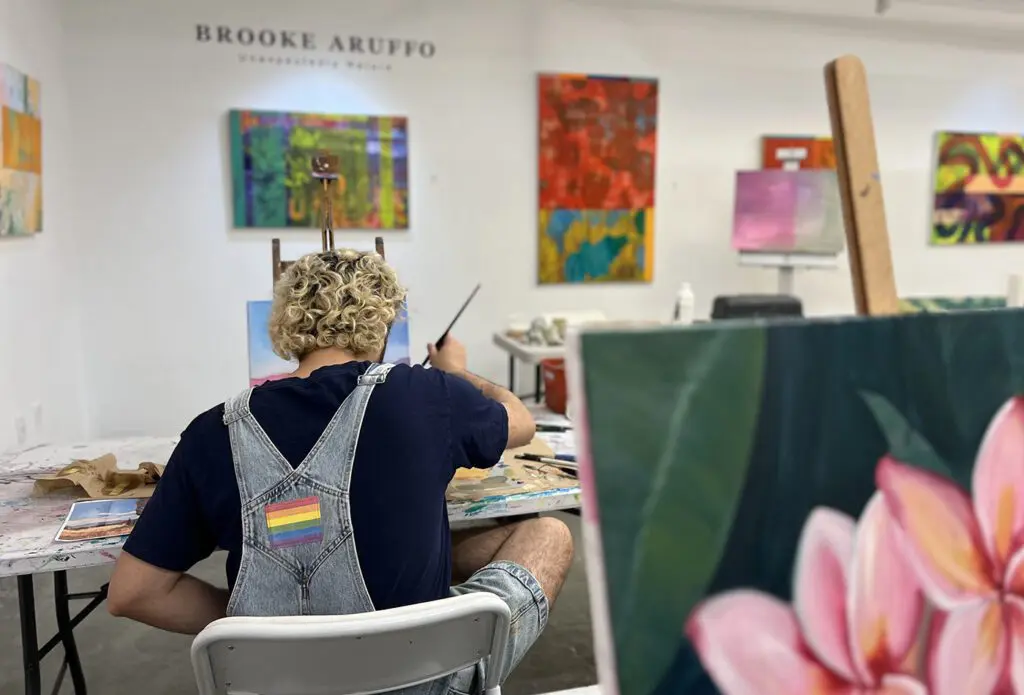
A successful online art marketplace is more than just a website.
It needs to be easy to use. It should help artists who can publish their work quickly, and as buyers, the search should be easy and simple.
Here are some key features of a strong art marketplace:
1. High-quality image support
2. Secure payments
3. Search filters (style, medium, size, color, price)
4. Messaging between buyer and seller
5. Clear return and refund policies
6. Shipping assistance
7. Mobile-friendly interface
8. Customer support
9. Artist profiles and social features
These features help build trust. Trust is very important when buying or selling artwork online.
An online art market also invests in marketing. It includes search engine optimization (SEO), paid ads, influencer partnerships, and social media campaigns.
All this traffic is beneficial to the artists as well as the buyers. Artists get seen. Buyers get more variety.
Digital Art and Instant Downloads
The art world is evolving. In addition to that, many artists are selling digital art. These are artworks that the buyer gets instant download rights to.
It has no shipping, no packing, no waiting. The buyer can have it printed at home or use it on a digital screen.
Sales of these types are growing fast on online art marketplaces. The best thing is the fact that there is no inventory or shipping cost, making them great for artists. They are cheap for buyers, and even instant.
Digital downloads make art easier for everyone to purchase. Art can be bought by buyers from different parts of the world without customs or shipping delays.
This digital shift also includes NFTs. They are more complex, but provide artists with another way to sell digital originals with proof of ownership.
Limited Editions and Prints
Some artists provide limited edition prints rather than only original works. These are high-quality copies of an original work, and they are usually signed and numbered.
It allows buyers to own art at a lower price. It allows artists to make more money on a single piece of work.
These prints are handled by many of the art marketplaces, and they take care of the printing and shipment of the prints. Thus, that means the artist needed to upload just the file, and the platform takes care of the rest.
It’s a smart way for artists to grow their audience and income.
Collectors also love limited editions. They give the impression of exclusivity and a frequent increase in value. It’s a win-win for everyone.
Who Should Use an Art Marketplace?
An art marketplace is perfect for:
1. New artists, trying to reach buyers without having a gallery.
2. For professional artists looking to grow their business.
3. Access to global art for collectors.
4. People who want affordable pieces for first-time buyers.
Art Marketplaces vs. Traditional Galleries
Let’s compare both.
In traditional galleries, the artist usually leaves 40–50% of sales as commission. They also rely heavily on location and gallery traffic.
Artists earn more on an online art marketplace. Furthermore, they have access to millions of users from across the globe.
Galleries continue to have a role in the fine art world. But marketplaces offer more flexibility, especially for independent creators.
There are even some who use both—gallery shows for exposure and marketplaces for the steady income.
More control is also provided through online platforms. Artists choose what they’ll post and how to price and promote it.
How to Succeed on an Art Marketplace
Success on an art marketplace doesn’t happen overnight. Artists need to treat it that way.
Here are a few tips:
1. Upload high-quality images
2. Write engaging descriptions
3. Tell the story behind your art
4. Promote your work on social media
5. Respond to buyers quickly
6. Keep your shop updated
7. Try seasonal or themed collections
8. Use hashtags and SEO-friendly titles
Consistency is key. The more you work, the more your art shows up.
The person behind the painting is something that buyers love to see. Don’t be scared to be yourself and showcase your passion.
Popular Art Marketplaces
Many online art marketplaces are available. They are all different and have a different style, audience, and fee structure.
Some popular ones include:
1. Singulart – Curated, international platform
2. Etsy – Perfect for prints and handmade items
3. Artfinder – Focuses on independent artists
4. Displate – Popular for digital and metal prints
5. Redbubble – Great for art printed on products
6. UGallery – Offers personal curation for buyers
Find one platform that suits your art and goals, and learn to explore other platforms. Don’t feel tied down for trying just one.
Share Your Art with the World Through Singulart
Want to reach a global audience? Singulart helps you do just that. It connects talented artists with collectors from every corner of the world. Whether you’re a newcomer or already established, Singulart gives you the tools to grow, stand out, and get noticed.
Final Thoughts
The art marketplace is a great gift. It opens doors for artists. It also helps buyers find art they love.
Whether you’re looking for a bold painting for your living room or selling your first canvas, the journey starts online.
An online art marketplace offers freedom, creativity, and endless possibilities. You don’t need a fancy gallery. You just need talent, passion, and a platform that supports your art.
So go ahead—join a marketplace, explore new artists, or maybe even start your shop. The art world is at your fingertips.