The art world has been forever changed by the mesmerizing paintings of Sandro Botticelli, a name synonymous with beauty, grace, and Renaissance excellence. Born as Alessandro di Mariano di Vanni Filipepi, Botticelli was an Italian painter who left an indelible mark on the canvas of art history. Born in the early 1440s in Florence, Italy, he grew up in a bustling family where creativity ran in their veins.
Young Sandro’s journey towards becoming one of the Renaissance’s most celebrated artists began when he joined the workshop of Fra Filippo Lippi. Here, he absorbed the secrets of the craft, and little did the world know that it was about to witness the birth of Sandro Botticelli paintings, which would adorn chapels, holy places, and museums across the globe. His early education in literature and philosophy further shaped his unique artistic vision, setting the stage for the legendary masterpieces we’re about to delve into. So, fasten your seatbelts, art enthusiasts, as we embark on a remarkable journey through the top 10 most famous Sandro Botticelli paintings.
1. The Birth of Venus

| Date of Completion | Around 1486 |
| Dimension | 172.5 cm × 278.5 cm |
| Location | Uffizi Gallery, Florence |
Kicking off the Botticelli extravaganza with “The Birth of Venus.” Picture this: a goddess emerging from the sea on a giant seashell! This masterpiece measures a whopping 172.5 cm by 278.5 cm and calls the Uffizi Gallery in Florence its home. It’s like Botticelli’s way of saying, “Let’s start this party with a splash!” This masterpiece was completed in the year 1486.
FUN FACT: He hated the idea of marriage so much that he reportedly asked to be buried at the feet of Simonetta Vespucci, his legendary model and muse, whom he deeply admired.
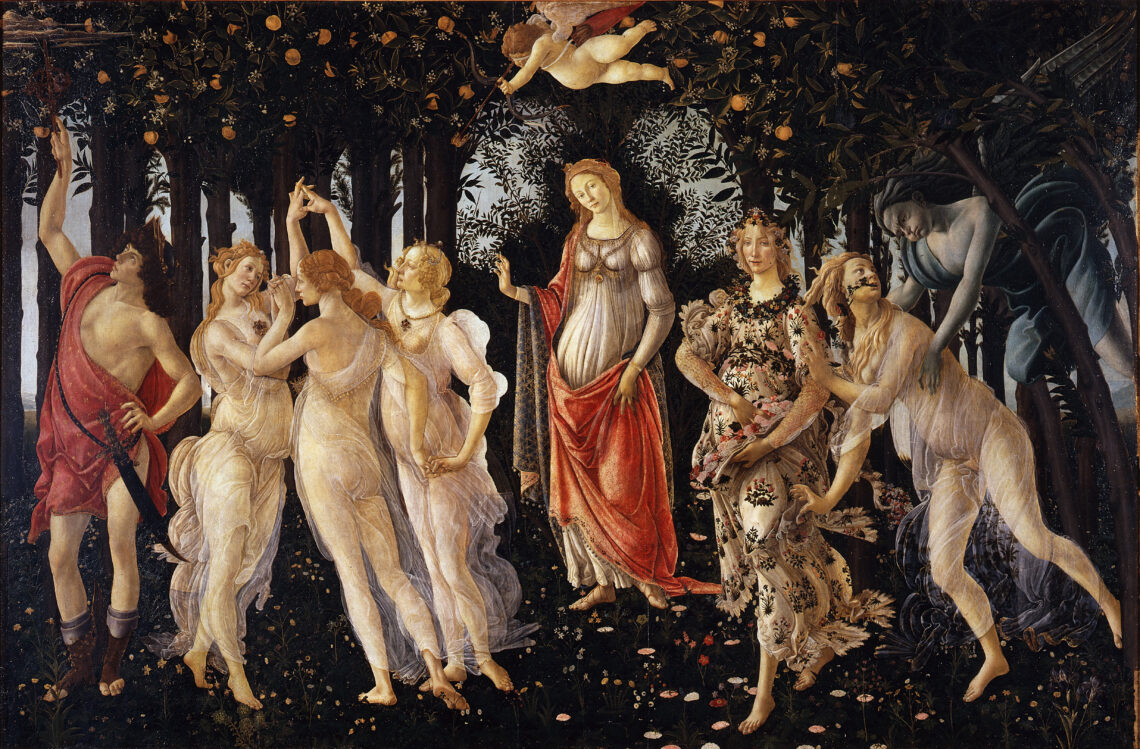
2. Primavera (Allegory of Spring)

| Date of Completion | Around 1482 |
| Dimension | 203 cm × 314 cm |
| Location | Uffizi Gallery, Florence |
Up next, we’ve got “Primavera,” or as we like to call it, “The Ultimate Spring Fling.” Measuring 203 cm by 314 cm, this bad boy hangs out at the Uffizi Gallery in Florence. It’s a crazy vivid painting filled with mythological peeps, including Venus and Mercury, having a wild time in a garden. Botticelli’s color game is so strong here that it practically screams “spring has sprung!”
3. The Adoration of the Magi
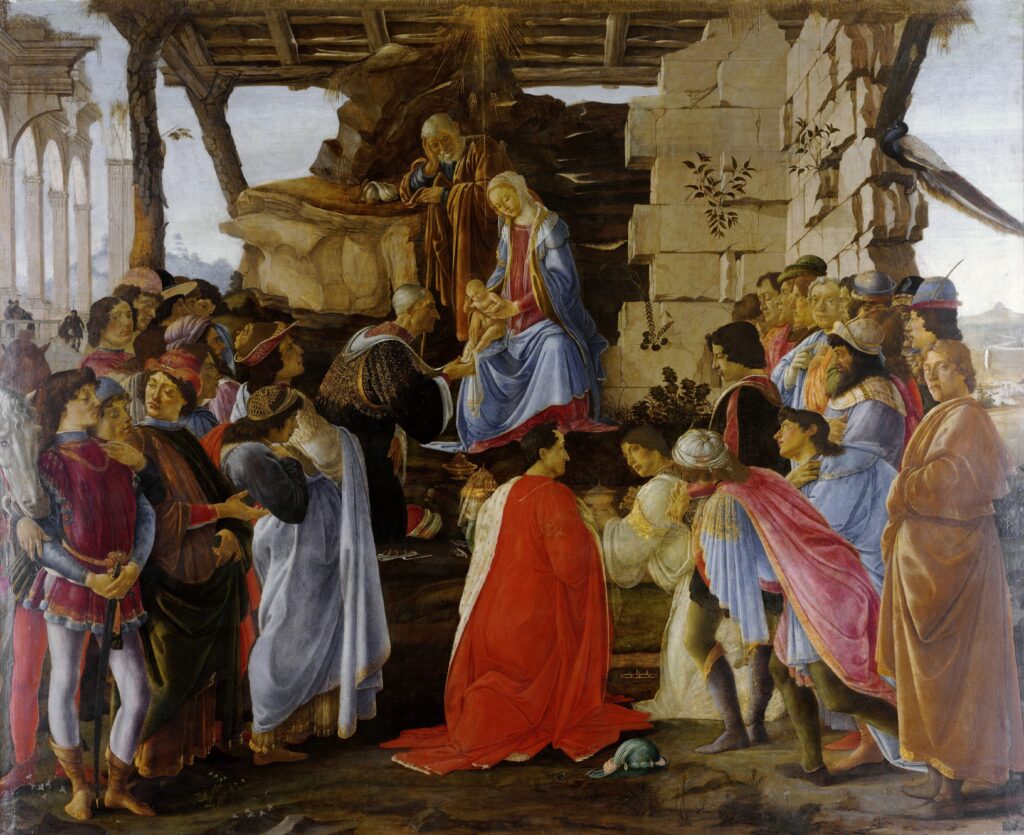
| Date of Completion | Around 1475-1476 |
| Dimension | 111 cm × 134 cm |
| Location | Uffizi Gallery, Florence |
Botticelli’s “The Adoration of the Magi” is like a biblical rock concert on a canvas. It’s 111 cm by 134 cm and rocks out at the Uffizi Gallery in Florence. In this painting, the Magi roll up to see Baby Jesus and bring gifts – it’s a bit like the original gift exchange program. The way Botticelli captures emotions here is like listening to your favorite tear-jerker song.
4. Venus and Mars
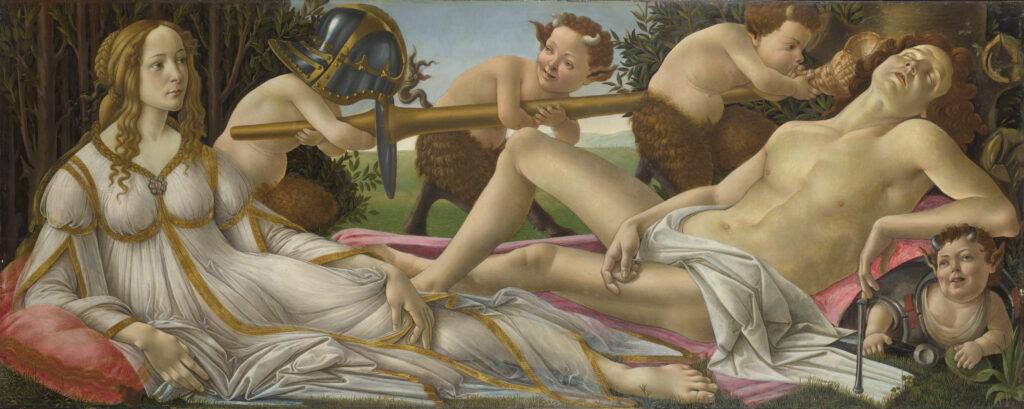
| Date of Completion | Around 1483 |
| Dimension | 69 cm × 173 cm |
| Location | National Gallery, London |
“Venus and Mars” is like a mini-concert that packs a punch! This artwork measures 69 cm by 173 cm and struts its stuff at the National Gallery in London. It’s all about Venus, the goddess of love, chilling next to Mars, the god of war, who’s snoring away. Botticelli’s nailed the delicate vs. tough vibe here, and it’s like seeing two superstars in one frame.
5. The Annunciation
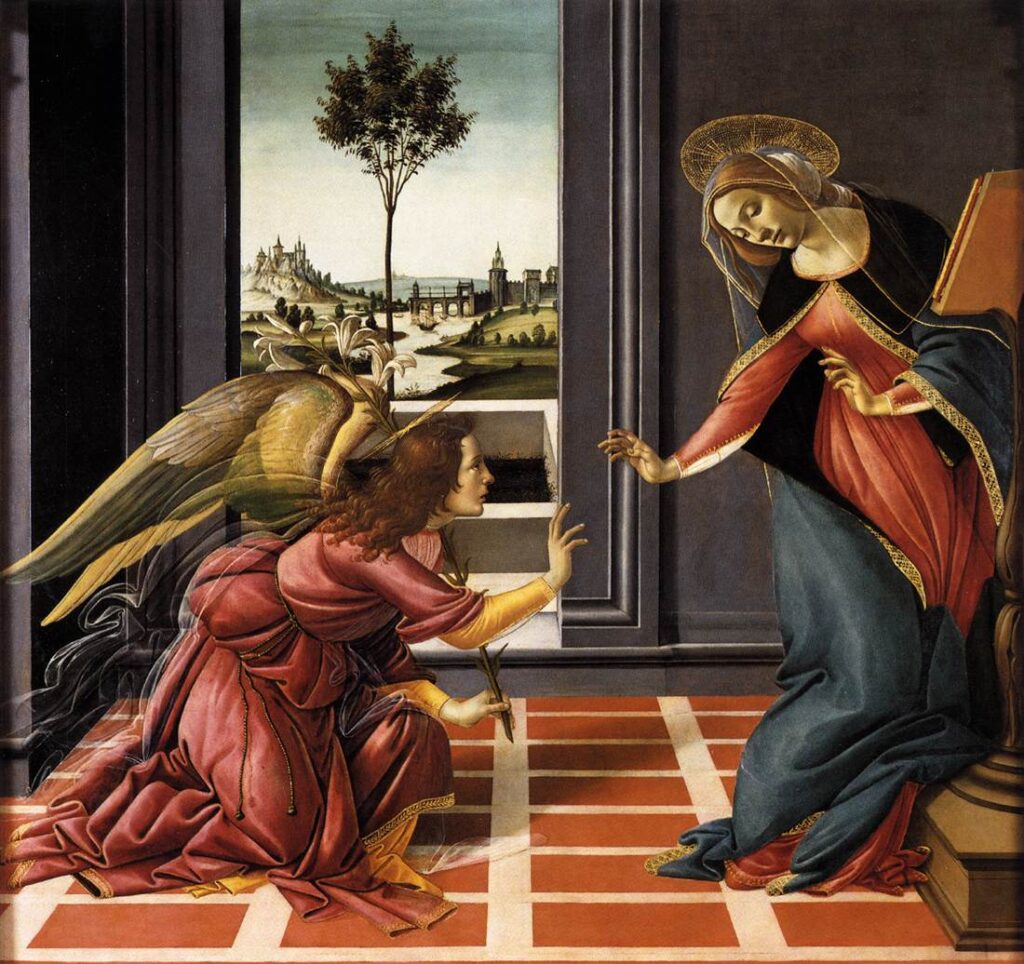
| Date of Completion | Around 1489-1490 |
| Dimension | 98 cm × 217 cm |
| Location | Uffizi Gallery, Florence |
“The Annunciation” is Botticelli’s way of telling us, “Guess what, angels are real!” This 98 cm by 217 cm masterpiece is hanging out at the Uffizi Gallery in Florence. It’s all about the Angel Gabriel spilling the beans to the Virgin Mary. Botticelli’s light-and-shadow game is so on point here; it’s like he’s got an in-house spotlight crew.
6. Pallas and the Centaur
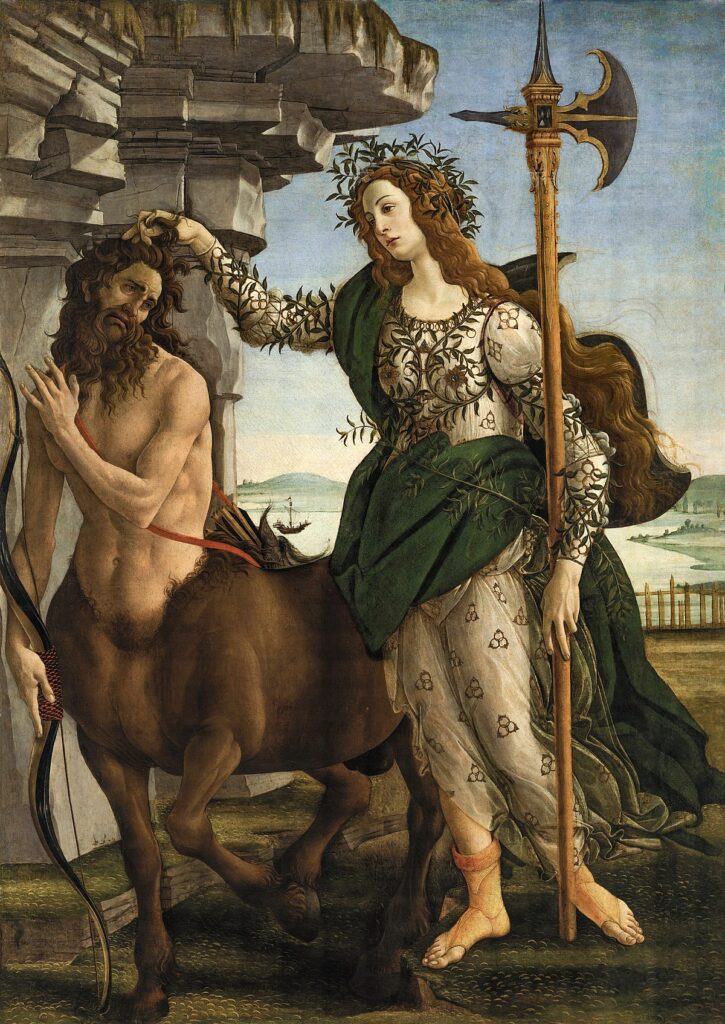
| Date of Completion | Around 1482 |
| Dimension | 207 cm × 148 cm |
| Location | Uffizi Gallery, Florence |
In “Pallas and the Centaur,” Botticelli takes us to a mythical concert where the goddess Pallas Athena is the headliner. It’s 207 cm by 148 cm of pure awesomeness and is playing at the Uffizi Gallery in Florence. Botticelli’s attention to detail is insane, and it’s like he’s giving life to this painting.
7. Portrait of a Young Man with a Red Cap
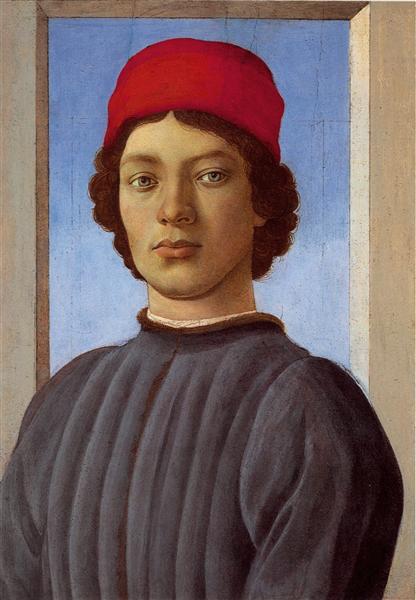
| Date of Completion | Around 1480 |
| Dimension | 37 cm × 28.5 cm |
| Location | Städel Museum, Frankfurt |
Now, let’s talk about “Portrait of a Young Man with a Red Cap.” It’s like Botticelli decided to make a mixtape of human emotions. Measuring 37 cm by 28.5 cm, this gem is hanging out at the Städel Museum in Frankfurt. The subject’s expression is a total head-scratcher, and the red cap is like the ultimate fashion statement of the time.
8. Madonna of the Magnificat
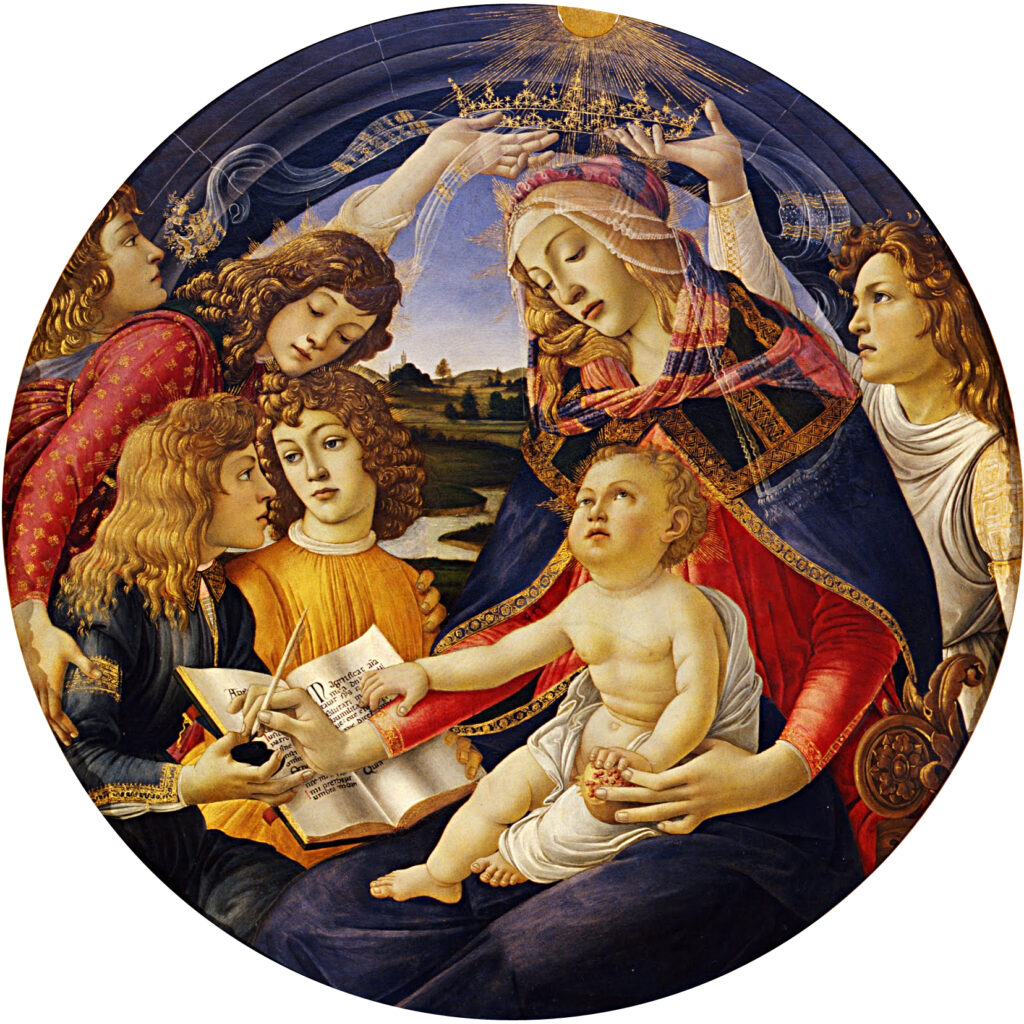
| Date of Completion | Around 1483 |
| Dimension | 118 cm × 118 cm |
| Location | Uffizi Gallery, Florence |
“The Madonna of the Magnificat” is like the roundest record in Botticelli’s collection. This circular painting has a diameter of 118 cm and is spinning its tunes at the Uffizi Gallery in Florence. It’s like a DJ set by Botticelli himself, featuring the Virgin Mary, the Christ Child, and some angelic back-up dancers.
9. The Mystical Nativity
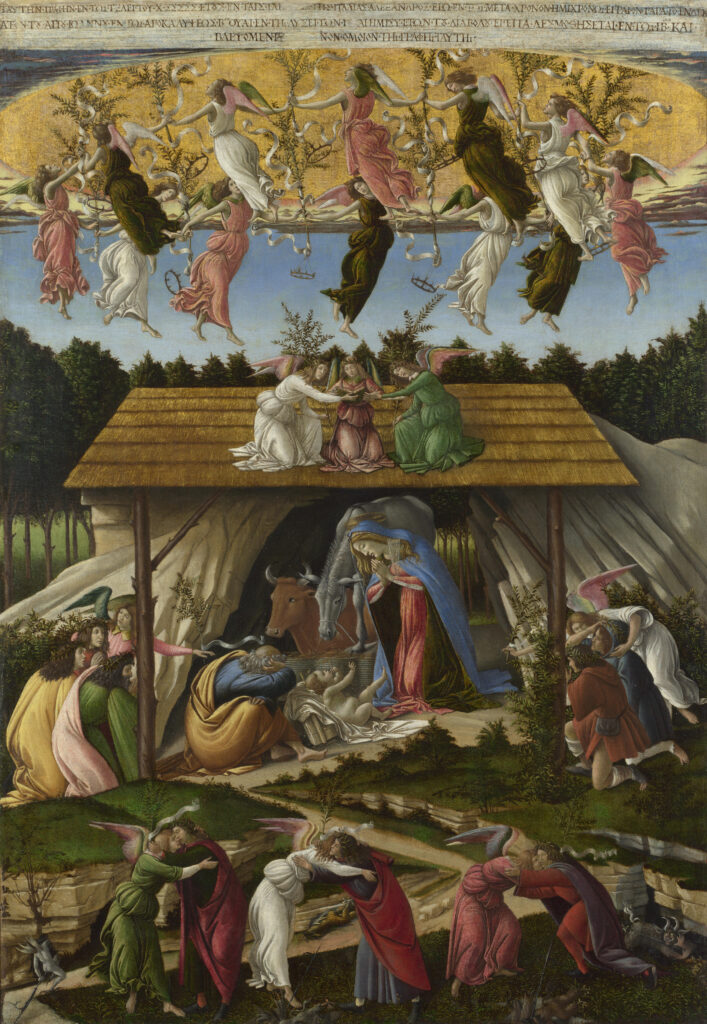
| Date of Completion | Around 1500 |
| Dimension | 108.7 cm × 74.9 cm |
| Location | National Gallery, London |
Botticelli’s “The Mystical Nativity” is like the ultimate concept album. This 108.7 cm by 74.9 cm painting is on display at the National Gallery in London. It’s all about the birth of Christ with a touch of mystery and mysticism. Botticelli’s got a secret sauce here, and it’s like a musical journey through the ages.
10. Venus and the Three Graces Presenting Gifts to a Young Woman

| Date of Completion | Around 1483 |
| Dimension | 81 cm × 188 cm |
| Location | Musée du Louvre, Paris |
And last but not least, we’ve got “Venus and the Three Graces Presenting Gifts to a Young Woman.” It’s like Botticelli’s grand finale, measuring 81 cm by 188 cm and gracing the stage at the Musée du Louvre in Paris. It’s all about grace and beauty, with the three Graces giving presents to a lucky young lady while Venus watches over the whole scene.
Frequently Asked Questions
Why is Sandro Botticelli called Botticelli?
Born Alessandro di Mariano Filipepi, the son of a tanner, he went by the nickname “Botticelli,” which comes from the word “botticello,” which means “small wine cask.”
What are the main characteristics of Sandro Botticelli’s paintings?
Sandro Botticelli’s paintings are known for their graceful figures, delicate details, and vibrant colors. He often depicted mythological and religious themes, with a focus on beauty and harmony.
Conclusion
There you have it, folks! Sandro Botticelli paintings are a groovy blend of mythology, spirituality, and plain old artistic genius. From the divine birth of Venus to his intimate portraits, Botticelli’s work is like the ultimate playlist that never goes out of style. It’s a timeless gift he’s given to the world, and as you stand in front of these paintings, you’ll feel like you’re at the coolest art festival of all time. So, rock on with Botticelli’s breathtaking beauties, and keep that art-loving spirit alive!