In the intricate tapestry of the 17th-century, where the art scene was dominated by male hands, emerges the captivating figure of Artemisia Gentileschi. Born in 1593 in Rome, she became a luminary in a period defined by societal norms that attempted to cast women in secondary roles, especially within the realm of art. Artemisia, however, transcended these limitations, leaving an indelible mark on the Baroque period with her unique and emotionally charged works. Today we will discuss the famous painting from history named Judith Slaying Holofernes.
Who was Artemisia Gentileschi?
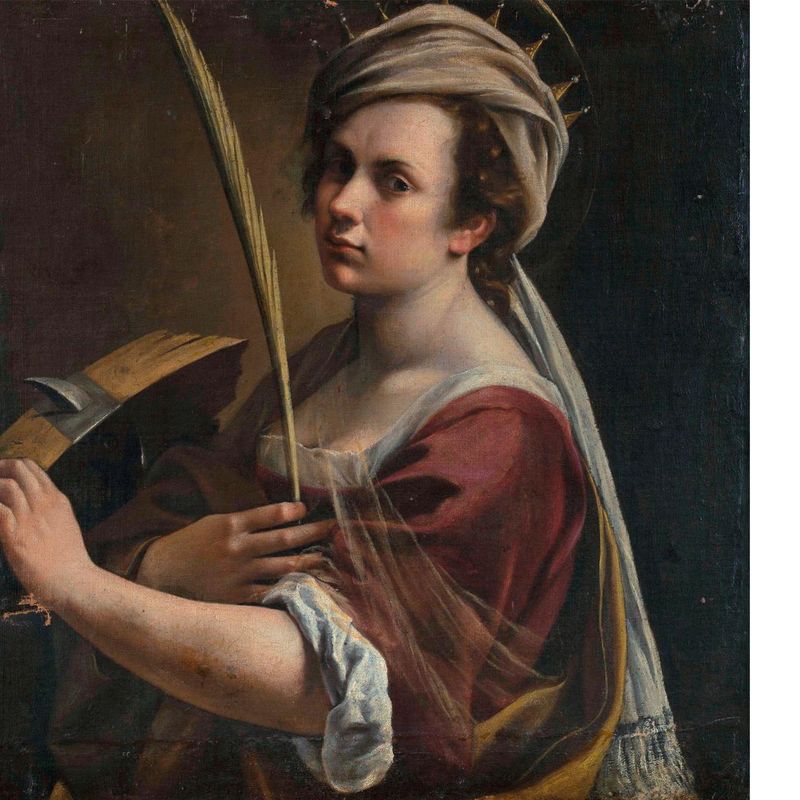
Artemisia was not just a painter, she was a trailblazer who defied the conventions of her time. She was the daughter of the esteemed painter Orazio Gentileschi, she was guided by her father’s hand into the world of art. Despite the numerous challenges faced by women in the art world, Artemisia not only stood her ground but soared to prominence, creating powerful artworks that resonated with authenticity and resilience.
Her Career
Artemisia’s career unfolded during an era when women artists encountered formidable challenges in establishing themselves. Nevertheless, her distinct approach and unwavering determination propelled her into the limelight. Her paintings depicted strong, heroic women which were a reflection of her personal experiences and steadfast resilience. In a groundbreaking moment in 1616, she shattered the glass ceiling by becoming the first woman to be accepted into the Accademia delle Arti del Disegno in Florence. Her career reached new heights as she garnered commissions from influential patrons across Europe.
Artemisia Gentileschi’s journey not only underscored her artistic prowess but also became a beacon of inspiration for generations of women aspiring to break free from the shackles of gender norms.
What is Happening in Judith Slaying Holofernes

| Artist | Artemisia Gentileschi |
| Date Painted | Around 1612-1613 |
| Medium | Oil on canvas |
| Genre | Baroque, Historical Painting |
| Period | Baroque |
| Dimensions | 199 cm × 162 cm (78 in × 64 in) |
| Series/Versions | Multiple versions, including one in the Uffizi Gallery |
| Where is it housed? | Various locations, including the Uffizi Gallery in Florence |
Now, let’s delve into the heart of Artemisia’s artistic brilliance – “Judith Slaying Holofernes.” Painted around 1612-1613, this masterpiece unfolds the narrative of Judith, a fearless widow, and her maidservant Abra, as they carry out the daring act of beheading the formidable Assyrian general Holofernes.
Picture the scene: the palpable tension as Judith and Abra exert every ounce of their strength to overcome the seemingly invincible Holofernes. Artemisia’s mastery lies not just in the subject matter but in her deft use of chiaroscuro, a technique that plays with light and shadow. This adds a layer of drama, intensifying the emotional impact of the composition. The faces of the women tell a story of violence and determination, capturing a moment frozen in time with visceral detail.
The canvas serves as a testament to Artemisia’s skill to infuse her work with raw emotion, making the viewer a participant in the unfolding drama. The bold strokes and vibrant hues speak volumes, illustrating not only the biblical tale but also the artist’s personal journey and struggles.
Series/Versions: A Tale Retold
Artemisia Gentileschi’s creative journey was not confined to a singular rendition of “Judith Slaying Holofernes.” The painting exists in multiple versions, each offering a nuanced perspective on the biblical narrative. One notable version is housed in the Uffizi Gallery in Florence, allowing art enthusiasts to witness firsthand the evolution of Artemisia’s interpretation.
These variations in the series showcase the artist’s evolving technique, changing brushstrokes, and shifting emotions. Each iteration of the scene becomes a chapter in Artemisia’s artistic autobiography, inviting viewers to trace her growth and mastery over time. The multiple versions of “Judith Slaying Holofernes” embody the artist’s commitment to storytelling through her unique lens, capturing the essence of the tale with renewed vigor in each rendition.
Where is it Housed? Everywhere and Nowhere
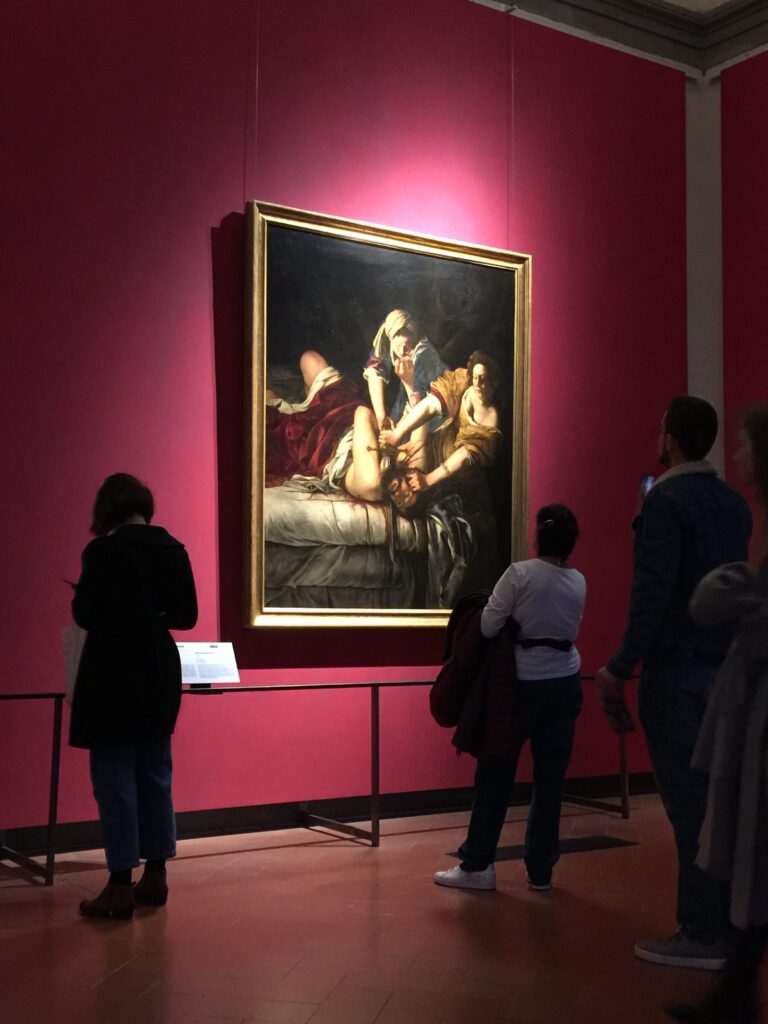
Artemisia Gentileschi’s legacy is not confined to the walls of a single gallery or museum. “Judith Slaying Holofernes” has found homes in various locations, each housing a piece of the artist’s soul. From private collections to renowned galleries, the painting has embarked on a journey that mirrors Artemisia’s own travels across Europe.
The Uffizi Gallery in Florence is one such notable residence for a version of this masterpiece. However, Artemisia’s work has transcended physical boundaries, existing in the collective consciousness of art lovers worldwide. In the digital age, reproductions and discussions about the painting have proliferated, ensuring that Artemisia’s powerful portrayal of Judith and Holofernes reaches far beyond the confines of any single institution.
Frequently Asked Questions
Why did Artemisia Gentileschi paint Judith and Holofernes?
The story of Judith Slaying Holofernes, written around 1620, tackles the idea of women’s power and resilience in the face of male dominance. By alluding to the Judith and Holofernes tragedy, it’s also believed that Artemisia Gentileschi identified with the trauma she went through from being raped when she was Holofernes tragedy.
Who was the female artist in Judith and Holofernes?
In Judith and Holofernes, the female artist was Artemisia Gentileschi. After Caravaggio, Italian painter, she is regarded as one of the most accomplished and well-known female painters of the 17th century.
Conclusion
Artemisia Gentileschi’s “Judith Slaying Holofernes” isn’t just a painting; it’s a symphony of emotions, a testament to the artist’s resilience and mastery. As we traverse the brushstrokes and dimensions of this masterpiece, we uncover not only the biblical tale but also Artemisia’s personal journey – a journey marked by defiance, triumph, and a relentless pursuit of artistic expression.