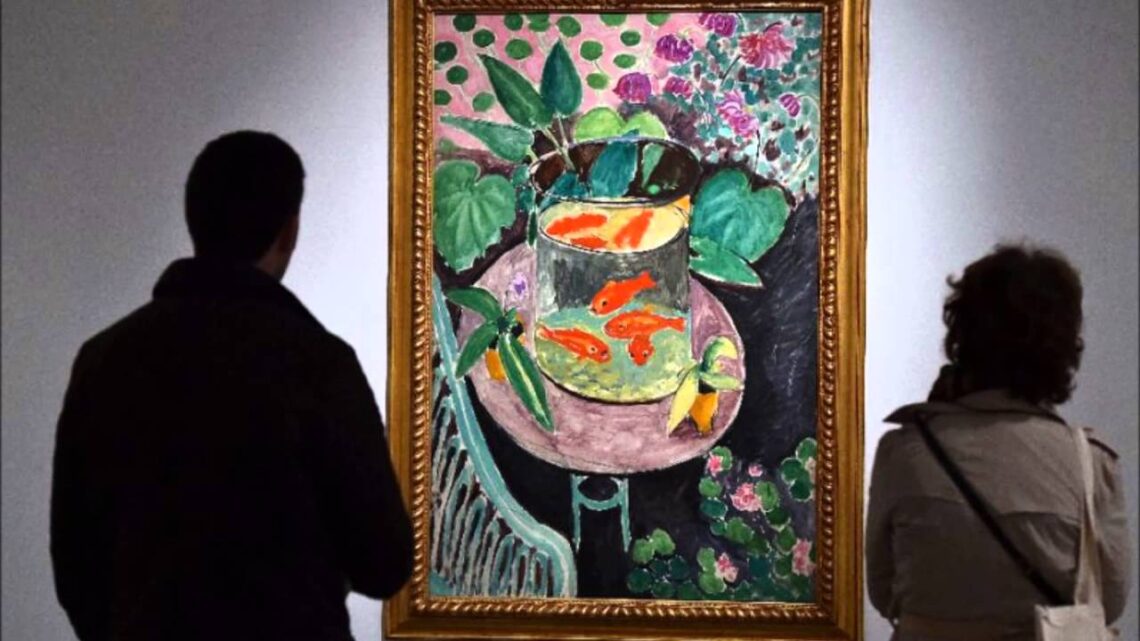
Henri Matisse, a revolutionary French artist of the 20th century, is renowned for his groundbreaking contributions to modern art. One of his masterpieces that exemplifies his genius collection is the painting titled Goldfish. In this article, we will delve into the life of Henri Matisse, explore his career, and unravel the artistic brilliance behind the mesmerizing Goldfish.
Who is Henry Matisse?
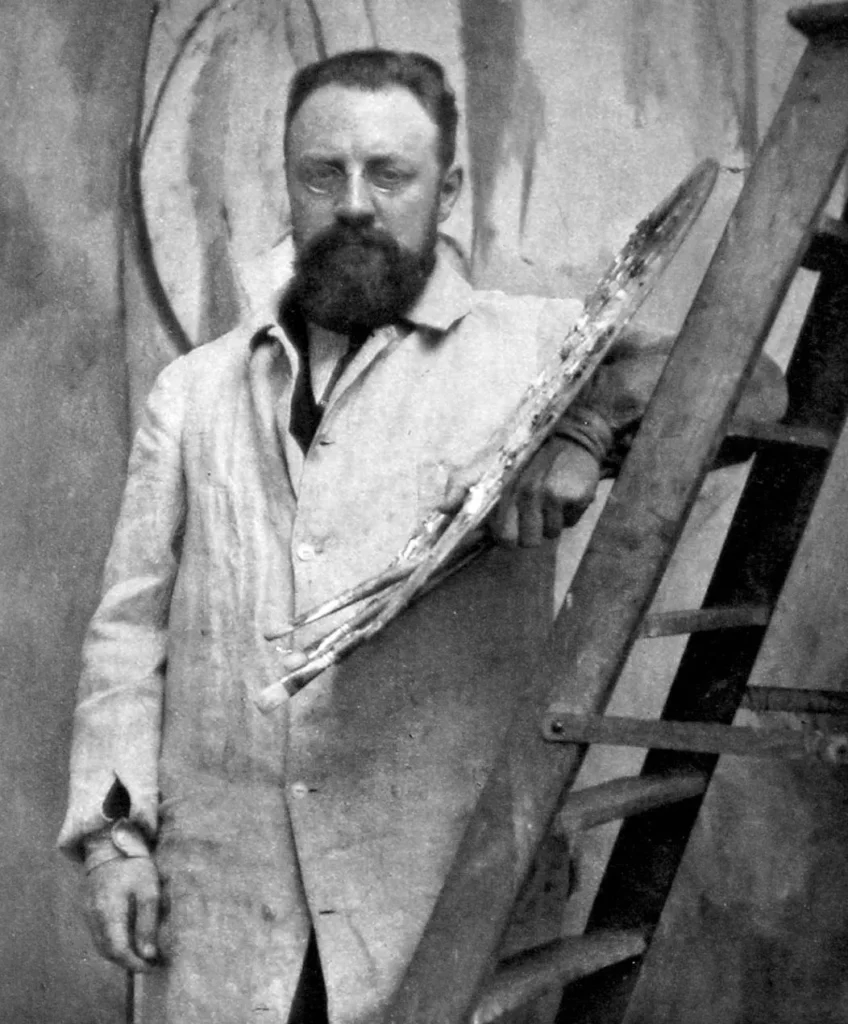
Picture a small town in France, Le Cateau-Cambrésis, where a young man named Henri Matisse started his journey. Born in 1869, Matisse had a rebellious streak. Law school seemed like a reasonable path, but art was his true calling. Imagine a guy with a palette in one hand and a paintbrush in the other, ready to shake up the world of art.
Matisse’s journey was a rollercoaster of colors and shapes that would redefine the art scene. Early on, he rocked the boat with “Woman with a Hat” in 1905, a canvas exploding with bold colors. Then came “The Dance” in 1910, a quality masterpiece showcasing his mastery in shaping movement and form.
But let’s fast forward to 1912 and zoom in on a painting that still dazzles art lovers—the one and only Goldfish.
FUN FACT: Despite being known primarily as a painter, Henri Matisse was also skilled in other artistic mediums. In his later years, due to health issues that limited his mobility, Matisse turned to a new form of art: paper cutouts.
What’s Happening in Goldfish?

| Artist | Henri Matisse |
| Date Painted | 1912 |
| Medium | Oil on canvas |
| Genre | Still Life |
| Period | Fauvism |
| Dimensions | 146.1 cm × 97.8 cm (57.5 in × 38.5 in) |
| Series/Versions | One-of-a-kind painting |
| Where is it housed? | The Pushkin Museum of Fine Arts, Moscow, Russia |
Close your eyes and imagine a canvas filled with a fishbowl brimming with bright orange goldfish, surrounded by wild, green abstract patterns. That’s Matisse’s Goldfish for you. But he wasn’t just painting fish; he was capturing life in motion. The colors and shapes in this piece aren’t just aesthetically pleasing for viewers but they’re alive.
In Goldfish, the goldfish take center stage with their graceful dance. It’s not your typical still life; Matisse turned a mundane fishbowl into a stage for a captivating show. The energy emanating from the canvas is infectious, drawing you into a world where the ordinary becomes extraordinary.
Fun Facts About Goldfish
Colors That Speak Louder Than Words: Matisse believed in the power of emotions and colors. Goldfish is like a rainbow explosion on canvas, and each color tells a story of its own.
Asian Art Vibes: Matisse had a soft spot for Asian art, especially Japanese prints. The cool patterns and the way he flattened perspectives in Goldfish show off his Asian art crush.
Style Shifter: Goldfish is like a sneak peek into Matisse’s artistic journey. While it screams Fauvism, it also drops hints about his later adventures in abstract art. Talk about a style chameleon!
Home Sweet Home in Moscow: Goldfish found its forever home at The Pushkin Museum of Fine Arts in Moscow. So, if you’re ever in Russia, you know where to find this premium piece.
Matisse’s Artistic Evolution
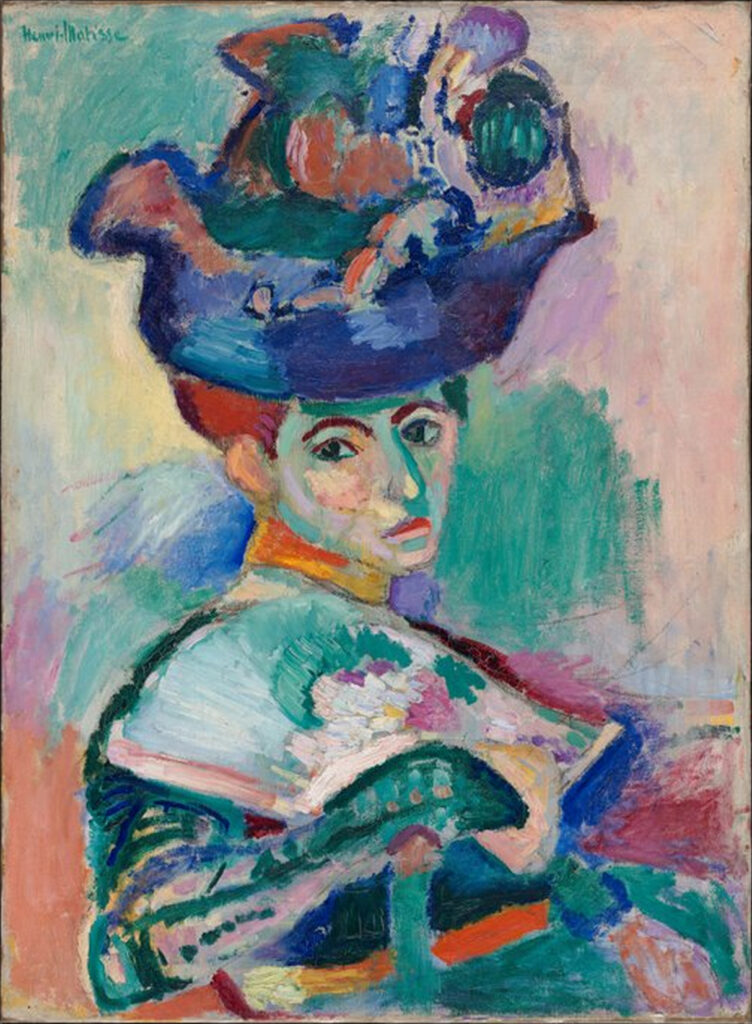
Now, let’s rewind a bit and explore Matisse’s artistic evolution. From law school to the art scene, Matisse’s career was a whirlwind of creativity. His early works, like “Woman with a Hat,” raised eyebrows with their bold use of color. As he danced through different art movements, from Fauvism to Cubism, Matisse’s palette became a playground of experimentation.
Matisse wasn’t confined to traditional art forms either. He dabbled in everything from paintings and sculptures to drawings and prints. But he didn’t stop there; he ventured into the world of book illustration and design, leaving his mark on various artistic realms.
The Birth of Goldfish
Now, let’s dive deeper into Goldfish and unravel the magic behind the canvas. Painted in 1912, this masterpiece encapsulates Matisse’s artistic brilliance. The goldfish, swirling and twirling in the fishbowl, become metaphors for the fluidity of artistic expression.
The choice of subject matter in Goldfish is a departure from the usual still life. Matisse breathed life into the mundane, turning a simple fishbowl into a dynamic stage. The interplay of colors and shapes isn’t just a visual feast; it’s a testament to Matisse’s fascination with the expressive potential of pure color.
Behind the Scenes: Goldfish and Matisse’s Creative Mind
Imagine Matisse in his studio, surrounded by colors and canvases, translating his vision onto the canvas. Goldfish wasn’t just about fish; it was about capturing the essence of life. The vibrant hues weren’t randomly chosen; they were carefully orchestrated to create a symphony of emotions.
Matisse’s love affair with color wasn’t just a fling; it was a lifelong commitment. Each stroke of the brush was a deliberate choice, a conversation between the artist and his canvas. The patterns in the background weren’t an afterthought; they were a dance, a celebration of form and movement.
The Pushkin Museum Connection
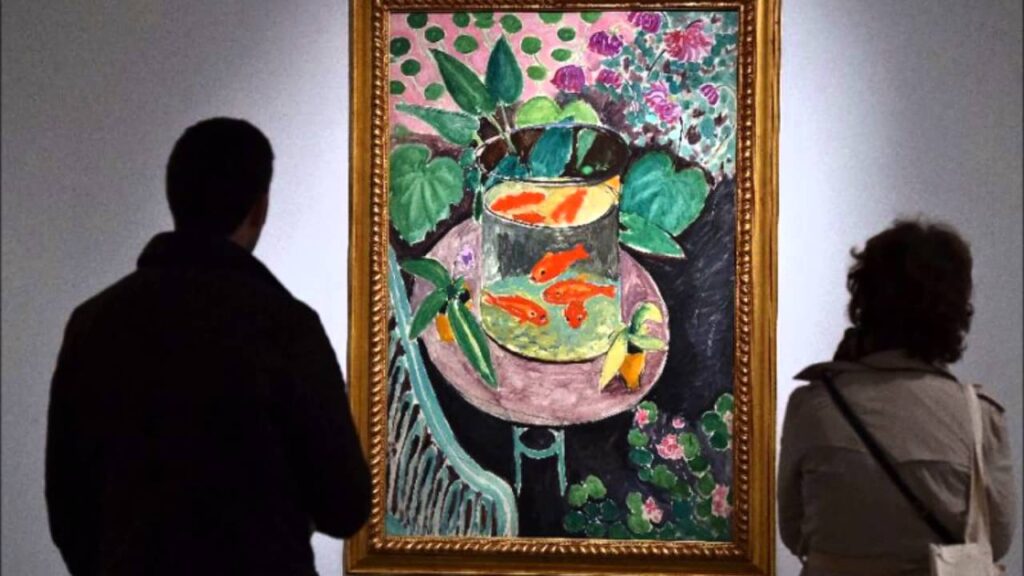
Now, let’s talk about where Goldfish found its forever home—the Pushkin Museum of Fine Arts in Moscow, Russia. Picture the painting hanging on the walls, captivating visitors with its timeless allure. If you ever find yourself in Moscow, make a beeline for the Pushkin Museum; Goldfish awaits, ready to weave its magic.
Artwork Spotlight: Le masque de cérémonie
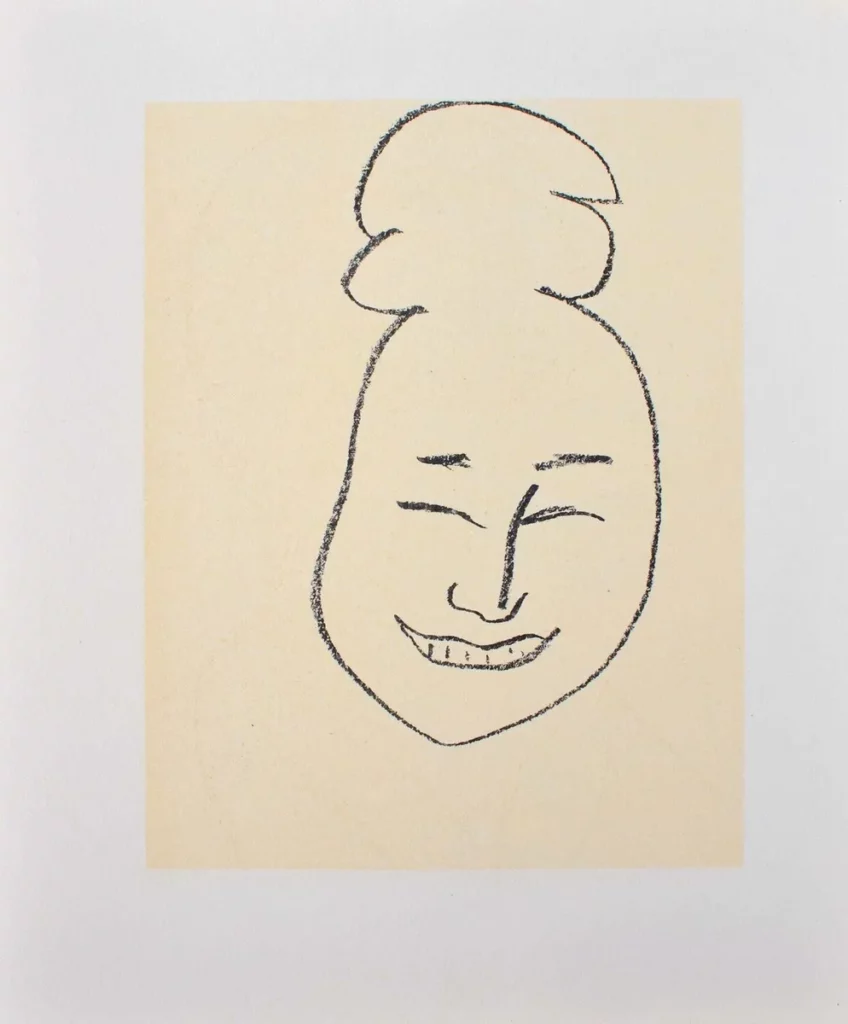
“Le masque de cérémonie” (“The Ceremony Mask”) is available on Singulart. It is one of the outstanding works created by Henri Matisse who tried to express form and emotion in a new way beyond painting.
Are you looking for a masterpiece from Henri Matisse?
Singulart presents exclusive limited edition pieces by Henri Matisse. To discover and acquire Matisse’s art, click on the artwork or the button below for more information!
Frequently Asked Questions
What does the goldfish symbolize in Henri Matisse?
Matisse saw the goldfish as a representation of a peaceful state of mind and, simultaneously, as evocative of a paradise lost, a subject not often seen in art, unlike the goldfish.
Where is Henri Matisse’s goldfish?
The artwork was part of Sergei Shchukin’s Pink Drawing Room group in his home after he bought it from Matisse’s studio in Paris in 1912. The piece has been on display at Moscow, Russia’s Pushkin Museum since 1948.
Conclusion
Henri Matisse’s Goldfish isn’t just a painting; it’s a journey into the heart of artistic expression. It’s a burst of life on canvas, a testament to Matisse’s genius. The goldfish, swirling and dancing, continue to enchant audiences, inviting us to see the world through Matisse’s kaleidoscopic lens.
As we wrap up our artful conversation about Goldfish, remember that Matisse wasn’t just an artist; he was a storyteller. And in Goldfish, he told a tale of color, movement, and the extraordinary found in the ordinary. So, the next time you gaze at a canvas, let the goldfish remind you of the magic that happens when an artist dips a brush into a palette and paints a world that transcends the ordinary.