


Norman Rockwell’s Freedom of Speech stands as a quintessential representation of American values and democratic principles. This in-depth article explores the life of the artist, the nuances of his career, the intricacies of the painting, and some intriguing facts about this iconic artwork.
Who was Norman Rockwell?
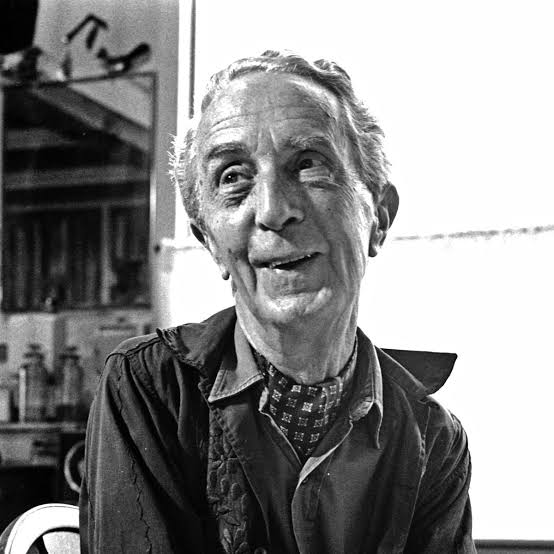
Norman Rockwell, born in 1894, was an American painter and illustrator whose works have become synonymous with the country’s cultural heritage. Known for his keen observation and portrayal of everyday life, Rockwell’s art captured the spirit of American society with warmth, humor, and pathos.
FUN FACT: He often used his neighbors and friends as models for his paintings. Rockwell’s keen eye for capturing the essence of everyday American life was often inspired by those around him, lending an authentic and relatable quality to his art.
The Career of Norman Rockwell

Rockwell’s career spanned six decades, during which he created more than 4,000 individual works. His most famous works were his cover illustrations for “The Saturday Evening Post,” which were beloved by the American public for their charm and simplicity, yet profound insight into the human condition.
Understanding Freedom of Speech
Freedom of Speech is not just an artistic creation; it’s a narrative of American ethos. Created in 1943, the painting illustrates a scene where a young worker stands up to speak at a town meeting. The scene is emblematic of the right to freedom of expression, irrespective of social status.
Details of Freedom of Speech
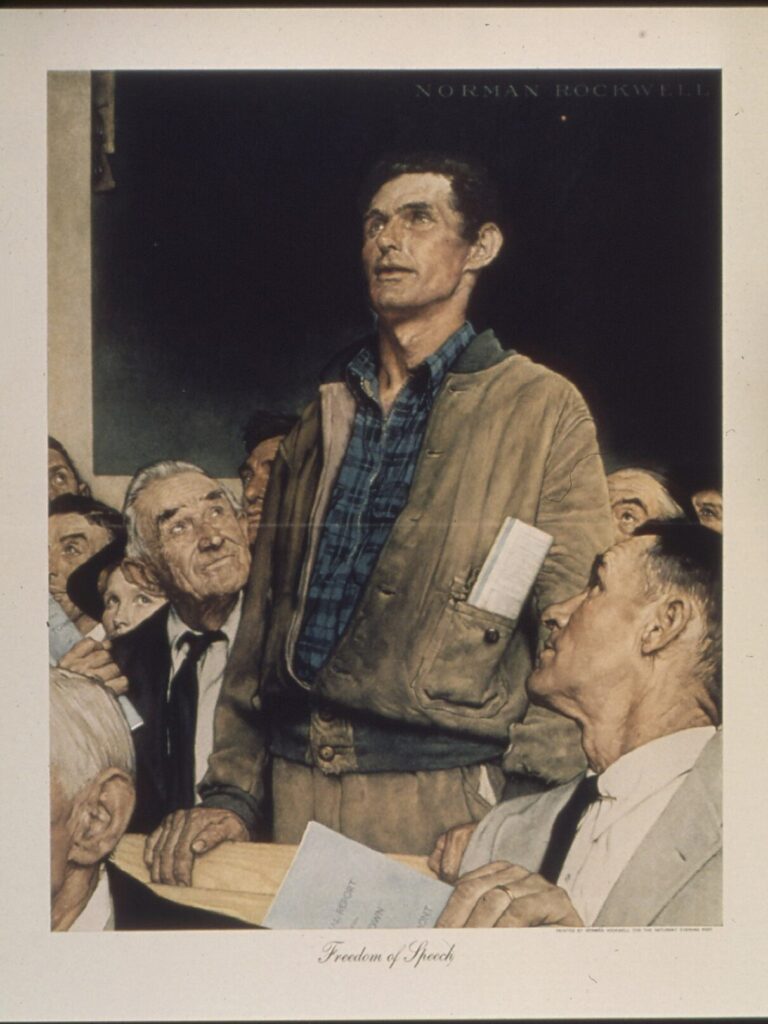
| Artist | Norman Rockwell |
| Date Created | 1943 |
| Medium | Oil on canvas |
| Genre | Illustration |
| Period | 20th-century American art |
| Dimensions | 45.75 x 35.5 inches (116.2 x 90.2 cm) |
| Series / Versions | Part of the “Four Freedoms” series |
| Current Location | Norman Rockwell Museum in Stockbridge, Massachusetts |
Interesting Facts about Freedom of Speech
A Personal Touch:
Unlike many artists of his time, Rockwell often used his neighbors and people from his community as models. This approach lent an air of authenticity and relatability to his works.
Critical Acclaim and Public Impact:
Freedom of Speech not only garnered critical acclaim but also played a significant role in the U.S. government’s war bond campaign during World War II, raising over $130 million.
A Symbol of Democracy:
This painting transcends its immediate historical context, symbolizing the enduring importance of free speech and democratic values.
Influences Beyond Art:
Rockwell’s depiction of freedom of speech has influenced not just art, but also discussions and perceptions of American values in politics, education, and media.
The Four Freedoms Series:
While Freedom of Speech is significant on its own, its impact is magnified when viewed as part of the broader “Four Freedoms” series, which collectively explores the fundamental values of freedom.
The Saturday Evening Post:
This painting, along with the rest of the Four Freedoms, was first published in “The Saturday Evening Post,” reaching millions of Americans and becoming one of the publication’s most famous series.
Enduring Legacy:
Today, Freedom of Speech continues to be celebrated for its artistic merit and its representation of universal values, showcased in numerous exhibitions and collections worldwide.
Artwork Spotlight: Untitled

Norman Rockwell’s Untitled is available on Singulart. This artwork reveals the artist’s aesthetic in capturing real life with affection and comedy. While the painting does not have a title, it depicts a moment that is timeless and can be appreciated by the viewers.
Are you looking for a piece of artwork from Norman Rockwell?
Singulart has limited edition prints of Norman Rockwell. If you are looking for a piece of Rockwell‘s artwork for sale, simply click on the artwork or the button below to discover more!
FAQs about Norman Rockwell’s Freedom of Speech
What inspired Norman Rockwell to create Freedom of Speech?
Rockwell was inspired by President Franklin D. Roosevelt’s 1941 speech about the four fundamental freedoms.
How does Freedom of Speech reflect American values?
The painting encapsulates the value of free expression and democratic participation, core tenets of American ideology.
What artistic styles influenced Freedom of Speech?
While primarily realistic, the painting shows subtle influences of Impressionism and Post-Impressionism in its color and brushwork.
Why is Freedom of Speech significant today?
It serves as a timeless reminder of the importance of free speech and democratic values in contemporary society.
Conclusion
Norman Rockwell’s Freedom of Speech stands as a timeless masterpiece that encapsulates the essence of American democracy and the enduring power of free expression. Through Rockwell’s meticulous artistry, this painting not only reflects a pivotal moment in history but also continues to resonate with people across generations. As a symbol of hope, unity, and the unwavering belief in the fundamental right to speak one’s mind, Freedom of Speech remains an indelible testament to the spirit of liberty. Its presence in the Norman Rockwell Museum ensures that this iconic work will inspire and educate countless individuals for years to come, reminding us of the profound impact art can have on society.


