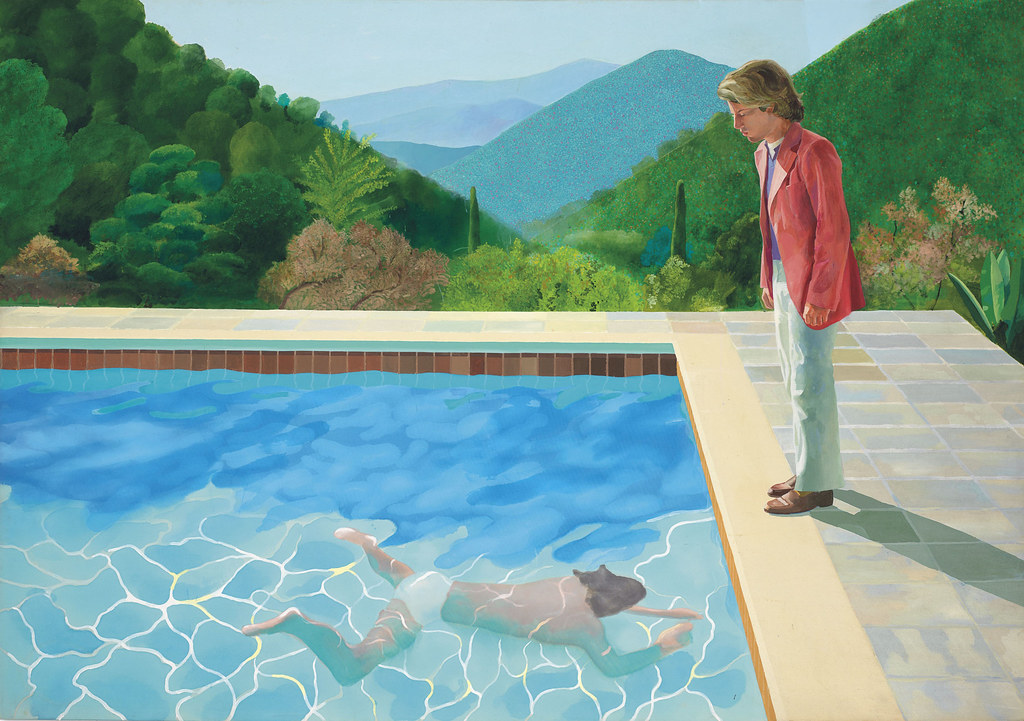
David Hockney, a trailblazing figure in the world of contemporary art, has left an indelible mark with his vibrant and innovative creations. One of his most iconic works, “A Portrait of an Artist (Pool with Two Figures),” stands as a testament to his mastery of form and perspective. This article explores the background of David Hockney, delves into the specifics of this renowned artwork, and discusses its significance in the context of freedom of speech in the art world.
Who Was David Hockney?
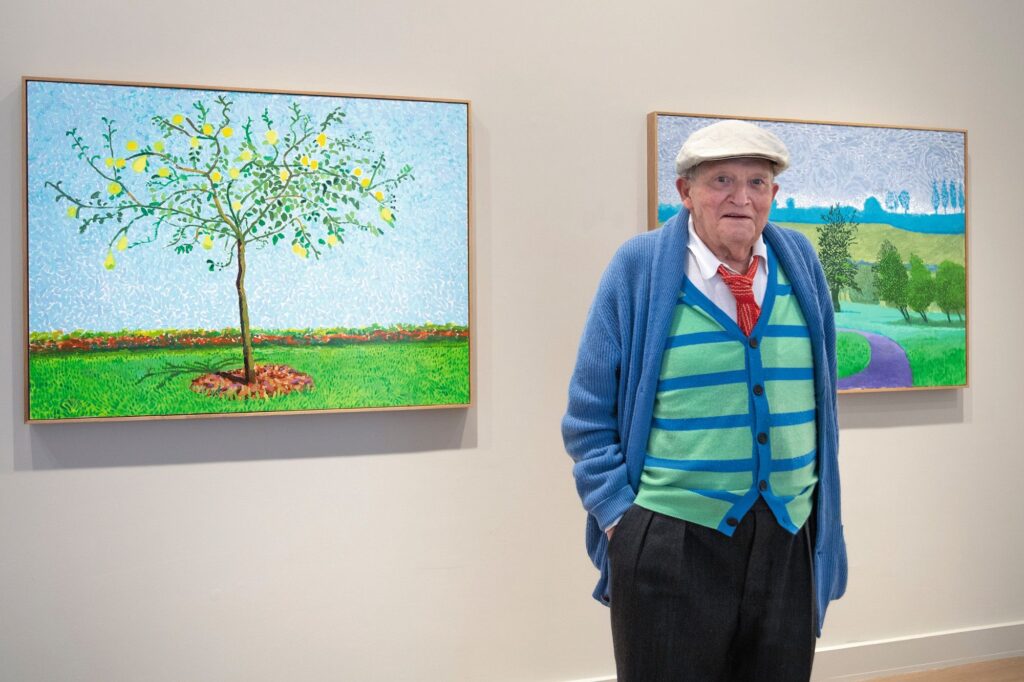
Born in England in 1937, David Hockney has carved a distinguished career as one of Britain’s most influential and versatile artists. Rising to fame during the 1960s with his pop art depictions, Hockney’s artistic journey spans over six decades. His portfolio encompasses painting, printmaking, photography, and set design. Hockney’s ability to seamlessly transition between different mediums and styles showcases his artistic agility.
FUN FACT: David Hockney is an avid lover of nature and landscapes, which greatly influenced his work. He often painted scenes from his travels, including his iconic swimming pool series inspired by his time spent in California.
Career Overview
Hockney initially gained recognition for his pop art tableaus depicting the libertine culture of 1960s Los Angeles. However, he continued to evolve as an artist, breaking boundaries with landscape photography and digital art. Hockney’s diverse and innovative pieces chronicle life from California pools to Yorkshire terrain, employing a unique blend of wit and irreverent charm.
As a prominent figure in the art world, Hockney’s career reflects the evolving landscape of freedom of speech in art. Throughout his career, he has pushed boundaries, challenging traditional norms and reinterpreting visual experiences through modern media. Hockney’s ability to navigate various artistic realms demonstrates the importance of artistic expression and freedom in shaping the cultural narrative.
What is happening in Portrait of an Artist (Pool with Two Figures)
| Artist | David Hockney |
| Date Created | 1972 |
| Medium | Acrylic on canvas |
| Genre | Portraiture, contemporary realism |
| Period | 20th-century modern art |
| Dimensions | 7’ x 9’ 3” |
| Series/Versions | None, individual work |
| House Location | The Lewis Collection |
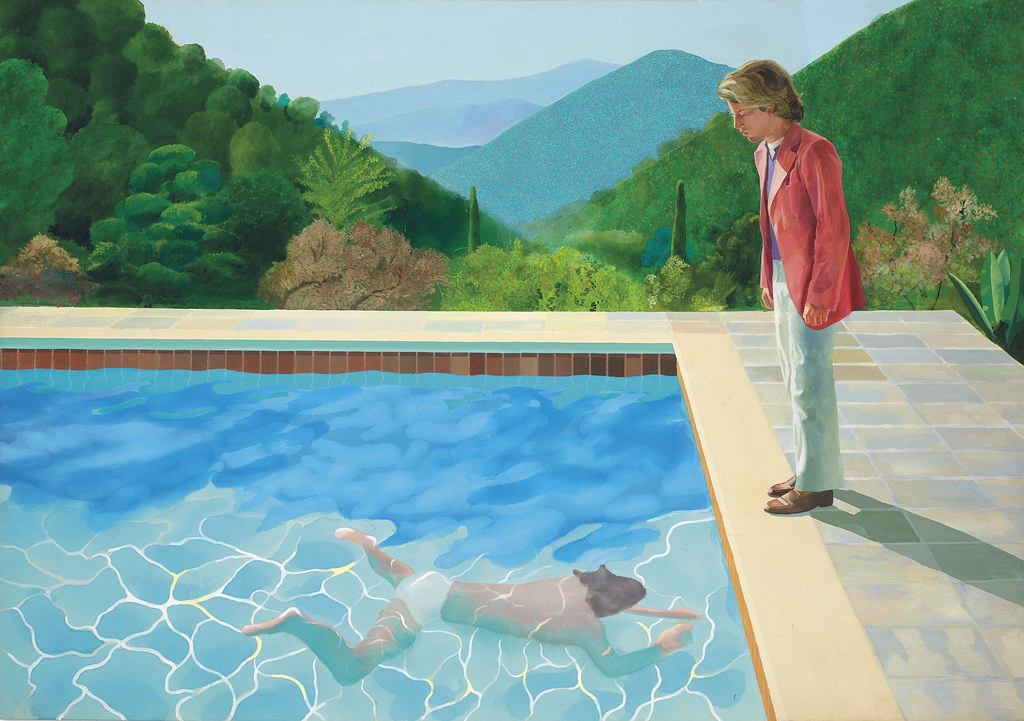
This monumental painting captures a lean young man swimming underwater towards a standing figure in a luxurious Southern California garden. The backdrop features Hollywood’s iconic hills visible through glass walls framing palm fronds. Both figures, with subtly muscular physiques, exude sensuality, with the standing blonde echoing Greek statuary in a contrapposto stance.
Behind the Creation
Hockney crafted this masterpiece using a unique approach. He based the painting on photos of his muse, Jonathan Silver, alongside an unknown model, in various poses. Employing a technique that predates modern digital manipulation, Hockney photo-composited the images to create the illusion of both figures coexisting in the same space. This early analog precursor to Photoshop layering showcases Hockney’s innovative spirit.
Interesting Facts
- Perspective Play: “A Portrait of an Artist” exemplifies Hockney’s fascination with perspective. The bold lines and hypnotic turquoise water patterns underscore the athleticism in distant bodies brought tantalizingly close, pioneering new avenues for capturing spatial relationships within two dimensions.
- California Dreaming: The setting of the artwork in a Southern California garden reflects Hockney’s continued exploration of the California landscape. His depiction of the region’s vibrant and luxurious lifestyle is a recurring theme in his work.
- No Series or Versions: Unlike some of Hockney’s other works, this painting stands alone and is not part of a series or multiple versions. It remains a singular and powerful representation of his artistic vision.
Inspiration from Art History:
Hockney’s choice to position the standing figure in a contrapposto stance pays homage to classical art, particularly Greek statuary. This deliberate nod to art history adds a layer of sophistication to the composition, bridging the ancient and the contemporary.
Photographic Innovation:
The artist’s use of photo-compositing in the creation of the painting was groundbreaking at the time. This analog approach, predating the digital age, showcases Hockney’s technical ingenuity. It’s a testament to his ability to adapt and innovate, foreshadowing the role technology would play in art in the years to come.
Interplay of Realism and Abstraction:
“A Portrait of an Artist” beautifully straddles the line between realism and abstraction. While the details of the figures and the landscape are portrayed with a high degree of realism, the bold lines and patterns of the water introduce an abstract quality. This fusion of styles contributes to the painting’s dynamic visual impact.
California Lifestyle and Atmosphere:
The choice of the Southern California setting is significant in Hockney’s body of work. It reflects his ongoing exploration of the region’s lifestyle and atmosphere. The combination of the swimming pool, lush garden, and iconic Hollywood hills captures the essence of the Californian dream, showcasing Hockney’s fascination with the region’s vibrant culture.
Theatrical Composition:
The composition of the painting has a theatrical quality. The underwater swimmer, poised to emerge, creates a sense of anticipation and drama. The glass walls framing the scene introduce a stage-like element, inviting viewers into a carefully crafted visual narrative.
Theatrical Composition:
The composition of the painting has a theatrical quality. The underwater swimmer, poised to emerge, creates a sense of anticipation and drama. The glass walls framing the scene introduce a stage-like element, inviting viewers into a carefully crafted visual narrative.
Artistic Legacy and Contemporary Relevance:
The impact of Hockney’s artistic legacy is seen not only in the admiration of his contemporaries but also in the work of subsequent generations of artists. His innovative use of technology and unique approach to composition continue to influence contemporary artists exploring the intersection of traditional and digital mediums.
Public Engagement and Accessibility:
Despite its placement in private collections, the painting has not been confined to elite art circles. Reproductions, prints, and digital images of “A Portrait of an Artist” have made the artwork accessible to a broader audience, contributing to its status as a cultural icon.
Continued Exploration of Water Themes:
Hockney’s fascination with water and swimming pools is a recurring theme in his body of work. The fluidity and transparency of water provide a dynamic canvas for the artist’s exploration of light, color, and human form. “A Portrait of an Artist” stands as a pinnacle of this exploration.
Artwork Spotlight: Untitled fax print
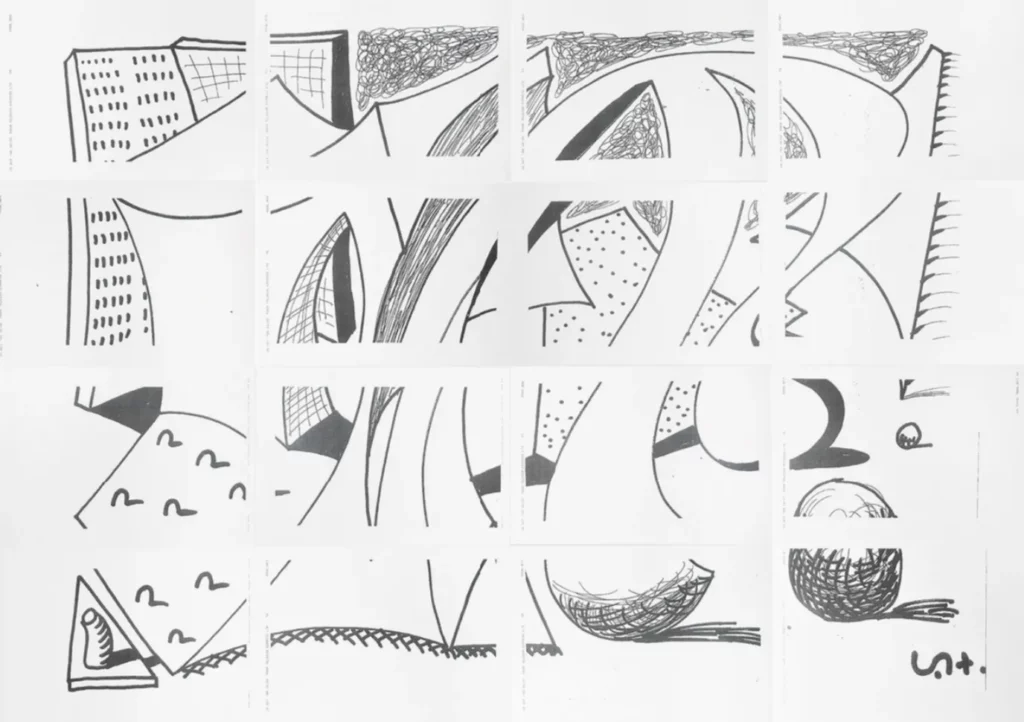
“Untitled fax print” by David Hockney is available on Singulart. It is an interesting example of how classic art and cutting-edge technology can together. With a fax machine, Hockney manages to take ordinary communication and convert it into a work of art that manifest his innovative style and his ability to find beauty in even the least expected places.
Are you looking for a masterpiece from David Hockney?
Singulart presents exclusive limited edition pieces by David Hockney. To discover and acquire Hockney ’s art, click on the artwork or the button below for more information!
FAQ’s
Who is David Hockney, and why is he considered influential?
David Hockney is a British contemporary artist born in 1937, renowned for his versatility across various mediums, including painting, printmaking, photography, and digital art. His influence stems from his ability to break artistic norms and continuously evolve throughout his six-decade career.
What is the significance of “A Portrait of an Artist (Pool with Two Figures)” in Hockney’s body of work?
This painting is a seminal work in Hockney’s oeuvre, representing his exploration of perspective, innovative composition techniques, and a fusion of traditional and modern artistic methods. Its monumental nature and the use of vibrant colors make it a standout piece in his career.
How did Hockney create “A Portrait of an Artist,” and what makes it unique?
Hockney created the artwork by photo-compositing images of his muse, Jonathan Silver, and an unknown model. This unique technique, predating modern digital manipulation, allows both figures to coexist in the same space. The painting’s size, use of bold lines, and incorporation of turquoise water patterns contribute to its uniqueness.
What themes and symbolism are present in the painting?
The painting captures the sensuality of the human form, blending traditional portraiture with elements of contemporary realism. The underwater swimmer and standing figure in a Californian garden symbolize Hockney’s fascination with luxurious landscapes and the exploration of physicality in art.
Conclusion
David Hockney’s A Portrait of an Artist (Pool with Two Figures) not only showcases his technical brilliance but also encapsulates the essence of his artistic journey. The innovative approach to composition and the melding of traditional and contemporary techniques demonstrate Hockney’s commitment to pushing artistic boundaries. As a maestro of form and perspective, Hockney continues to inspire and challenge the conventions of art, leaving an enduring legacy in the world of contemporary creativity.