Let’s talk about Mark Rothko, a guy who totally rocked the art world with his unique take on color and feelings in his paintings. His masterpiece, No. 10 (1949), is like a rollercoaster ride of emotions painted on a canvas. This article is all about digging into Rothko’s life, his cool career, and what makes No. 10 (1949) so special.
Who was Mark Rothko?
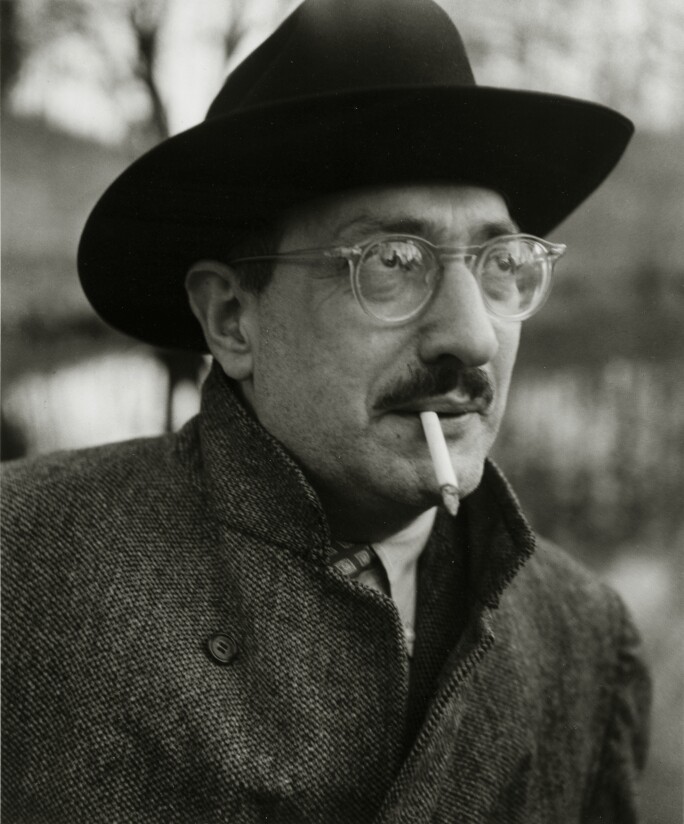
Okay, so Mark Rothko was this artist dude born way back in 1903 in Latvia, but he made his mark (pun intended) in the U.S. after his family moved there when he was a kid. He was all about painting stuff that made you feel things, especially in his later years when he got super into abstract art.
Rothko’s Career: A Journey of Colors and Emotions
Rothko’s journey as an artist is like a superhero origin story, but instead of saving the world, he was painting masterpieces. At first, he painted things you could recognize, like people and stuff. But then he discovered abstract art, and bam! He became a big deal in the art scene, especially with his huge, colorful paintings that made people stop and think.
In his early years, Rothko experimented with different styles, but it wasn’t until the late 1940s that he found his true voice. He ditched the realistic stuff and dove headfirst into abstract expressionism, a movement all about expressing emotions through shapes and colors. And let me tell you, Rothko was a master at it.
No. 10 (1949): A Deep Dive into Colors and Feelings
| Artist | Mark Rothko |
| Date Created | 1949 |
| Medium | Oil on canvas |
| Genre | Abstract Expressionism |
| Period | Mid-20th Century |
| Dimensions | 229.6 x 145.1 cm |
| Series / Versions | Part of the Seagram Murals series |
| Where is it housed? | Currently housed in the National Gallery of Art, Washington D.C. |
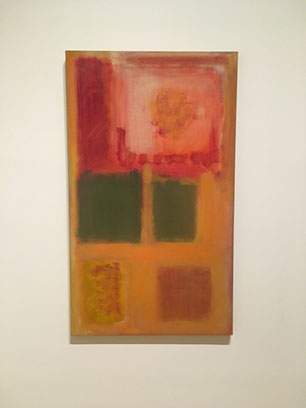
No. 10 (1949) is like the Mona Lisa of Rothko’s work—it’s famous, mysterious, and people can’t get enough of it. Picture this: a big canvas filled with bold colors that seem to dance and swirl around each other. It’s like staring into a fiery sunset or diving into a pool of emotions. And get this—it’s not just one painting, but part of a whole series where Rothko played with colors like a mad scientist.
If you ever get the chance to see No. 10 (1949) in person, you’ll understand why it’s such a big deal. The colors seem to change right before your eyes, pulling you deeper into Rothko’s world of emotions and feelings. It’s like standing on the edge of a cliff, looking out at the vast expanse of the ocean—you can’t help but feel small and insignificant, yet strangely connected to something much bigger than yourself.
Exploring the Depths of No. 10 (1949): What’s Really Going On?
Okay, so imagine you’re standing in front of No. 10 (1949). It’s like you’re stepping into a whirlpool of colors. The deep maroon makes you feel all serious and thoughtful, while the soft shapes kind of make your mind wander. It’s like staring at a beautiful sunset—you can’t help but feel something deep inside.
Rothko believed colors were like magic potions for your emotions. He didn’t care about painting stuff you could recognize; he just wanted you to feel something when you looked at his art. That’s why No. 10 (1949) isn’t just a painting; it’s a journey through color and emotion.
Ever heard of the Rothko Chapel in Texas? It’s this super cool place filled with Rothko’s paintings, and people go there to chill out and feel all zen. That’s the power of Rothko’s art—it can transport you to a whole other world, where colors and emotions reign supreme.
Frequently Asked Questions
What does No 10 Mark Rothko mean?
Mark Rothko’s No. 10 is created during the zenith of his creative and vital achievements, representing the pinnacle of his artistic mastery.
Why are Mark Rothko so expensive?
Since the 1950s, he has held numerous solo exhibitions in galleries across the US, Japan, Spain, the Netherlands, and other countries. Collectors have shown great admiration for his paintings, eagerly seeking them out. Rothko was honored as one of the esteemed guests at the inauguration of US President John F. Kennedy in 1961.
Conclusion
In a nutshell, No. 10 (1949) by Mark Rothko isn’t just a painting; it’s a journey through color and emotion. Rothko’s life and career paved the way for a whole new way of thinking about art, and No. 10 (1949) is proof that sometimes, a few blobs of paint on a canvas can make you feel more than words ever could. So next time you’re feeling down or just need a little pick-me-up, take a trip to Rothko’s world—you won’t regret it.