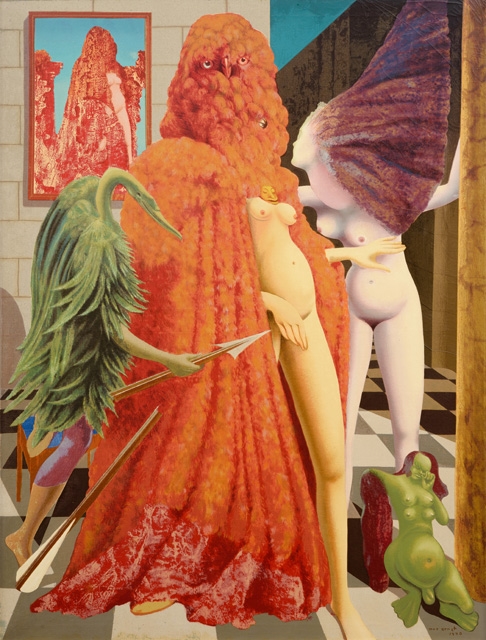
Let’s delve into the fascinating world of Max Ernst, a renowned artist celebrated for his surreal and dreamlike paintings. One of his most captivating works is “The Robing of the Bride,” an enigmatic masterpiece that draws viewers into a realm of mystery and symbolism. In this article, we’ll explore Ernst’s life, his innovative career, and unravel the intriguing details behind “The Robing of the Bride.”
Who was Max Ernst?
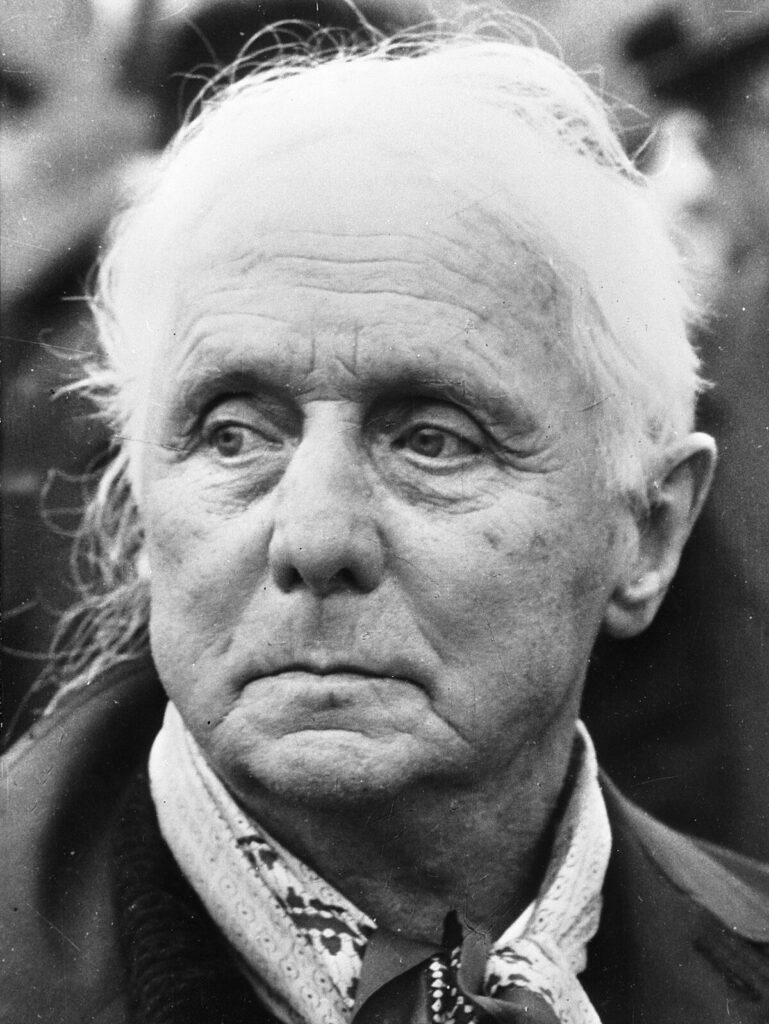
Max Ernst wasn’t your run-of-the-mill artist. Born in Germany in 1891, he had a knack for thinking outside the box from an early age. Initially drawn to philosophy and art history, Ernst eventually found his calling in painting. However, he didn’t just paint pretty landscapes or portraits; Ernst was part of a revolutionary movement called Dadaism. This movement was all about shaking up the art world, rejecting traditional norms, and embracing the absurd and nonsensical.
FUN FACT: Max Ernst was not only a talented artist but also a skilled chess player. Ernst was known to enjoy playing chess with his friends, including fellow artists and intellectuals such as Marcel Duchamp and Man Ray.
His Career
Ernst’s career was a rollercoaster of innovation and experimentation. He wasn’t content with sticking to conventional methods – oh no. Instead, he invented his own techniques, like frottage and grattage. Frottage involved rubbing surfaces with materials to create interesting textures, while grattage was all about scraping and scratching to reveal hidden patterns. These techniques allowed Ernst to unleash his imagination onto the canvas in ways that had never been seen before.
But it wasn’t just his artistic techniques that set Ernst apart; it was also the themes he explored. He was fascinated by the human psyche, dreams, and the subconscious mind. In other words, he was all about diving deep into the weird and wonderful world of our inner thoughts and feelings. This fascination with the subconscious would become a central theme in much of his work.
What is happening in The Robing of the Bride?
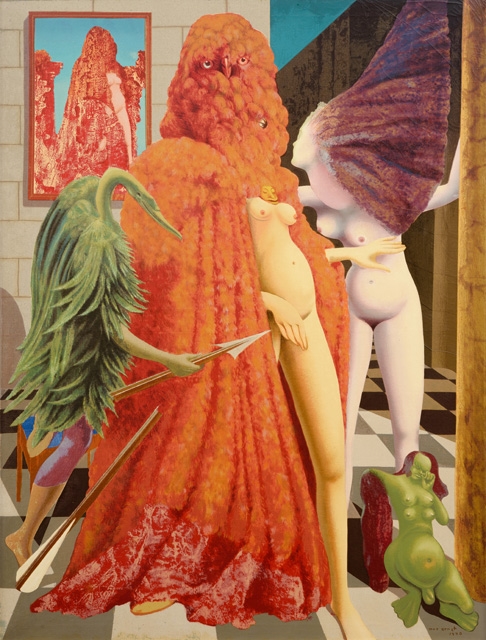
| Artist | Max Ernst |
| Date Created | 1940 |
| Medium | Oil on canvas |
| Genre | Surrealism |
| Period | 20th Century |
| Dimensions | 114.9 x 88.9 cm |
| Series/Versions | N/A |
| Where is it housed? | Private Collection |
Now, let’s talk about “The Robing of the Bride.” Picture this: it’s 1940, and Ernst paints this surreal scene of a bride getting ready for her big day. But here’s the twist – the bride is surrounded by all sorts of strange creatures and symbols. It’s like she’s in a dream, with fantastical landscapes and bizarre beings all around her.
The bride herself is shrouded in a flowing white gown and veil, a symbol of purity and innocence. But the creatures surrounding her are anything but innocent. Some offer gifts or gestures of reverence, while others seem to lurk in the shadows, their intentions unclear. It’s a scene that’s both enchanting and unsettling, inviting viewers to ponder the meaning behind each mysterious figure and symbol.
Interesting Facts about The Robing of the Bride
Mythical Inspirations: Ernst was deeply influenced by mythology and ancient stories, and you can see that influence in “The Robing of the Bride.” The painting is filled with creatures straight out of folklore, giving it a timeless and mythical quality.
Personal Touches: Like any good artist, Ernst had his own secret language hidden in his paintings. The creatures and symbols in “The Robing of the Bride” likely held special meaning for him, even if we don’t know exactly what those meanings were.
Historical Context: Painted during World War II, “The Robing of the Bride” takes on an added layer of significance. It’s possible that Ernst was using the painting as a way to grapple with the chaos and uncertainty of the time, creating a surreal escape from the harsh realities of war.
Open to Interpretation: One of the most intriguing aspects of “The Robing of the Bride” is its open-endedness. Like all great works of art, it invites viewers to interpret it in their own way, to find meaning and symbolism that speaks to them personally.
Artwork Spotlight: Relief en bronze V
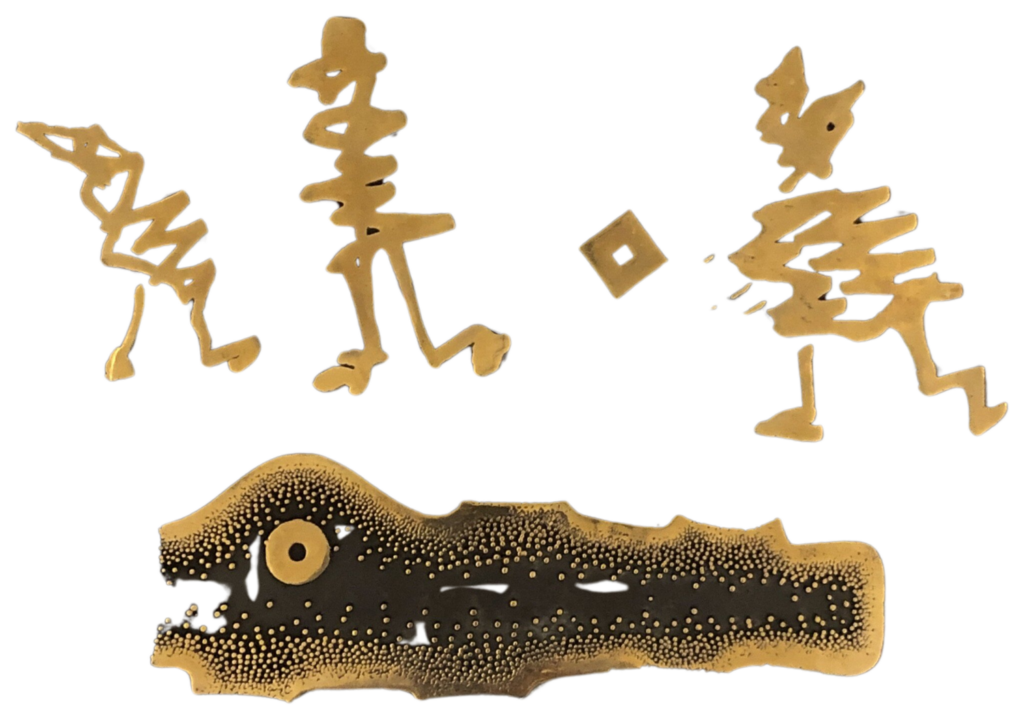
Max Ernst’s “Relief en bronze V” is also available on Singulart. This artwork is a bronze relief sculpture showcasing his innovative use of surrealist techniques and textural experimentation. Created in 1961, it exemplifies Ernst’s fascination with organic forms and dreamlike landscapes.
Are you looking for a masterpiece from Max Ernst?
Singulart presents exclusive limited edition pieces by Max Ernst. To discover and acquire Ernst’s art, click on the artwork or the button below for more information!
Frequently Asked Questions
What did Max Ernst mean by the robing of the bride?
This painting signifies the perpetuation of the bride’s familial ties even beyond her demise. It also implies that the wife holds a unique significance, immortalized through her adversities. Max Ernst depicts the different phases of a bride’s life in diverse ways within “The Robing of the Bride.”
How old was Max Ernst when he died?
Due to the book and its subsequent publicity, Ernst started experiencing financial prosperity. Beginning from the 1950s, he primarily resided in France. In 1954, he received the Grand Prize for painting at the Venice Biennale. He passed away at the age of 84 on April 1, 1976, in Paris and was laid to rest at Père Lachaise Cemetery.
Conclusion
Max Ernst was a true visionary, and “The Robing of the Bride” is a testament to his boundless creativity. Through this surreal masterpiece, Ernst invites us to explore the depths of our imagination and uncover hidden truths. So next time you look at a painting, remember – there’s a whole world of meaning waiting to be discovered. Whether it’s the mystical creatures, the dreamlike landscapes, or the bride herself, there’s something in “The Robing of the Bride” that speaks to the innermost recesses of our minds. And that’s what makes it a masterpiece for the ages.