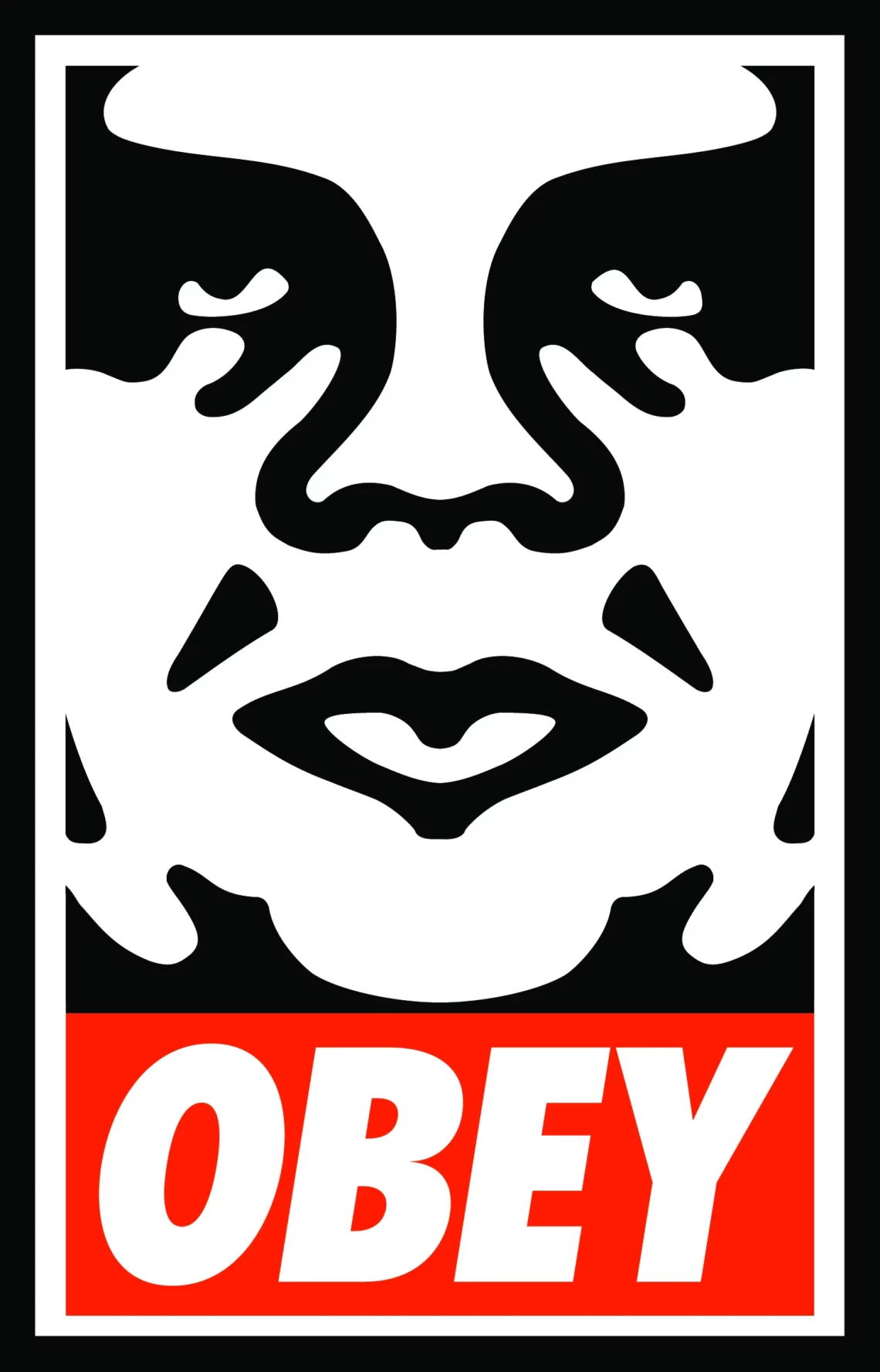
If you’re someone who appreciates street art or has an interest in activism, chances are you’ve encountered the works of Shepard Fairey, his creation called “Obey Giant.” In this article, we will delve into the background of Shepard Fairey, his journey, and why Obey Giant holds such profound significance within the realm of street art and beyond.
Who is Shepard Fairey?
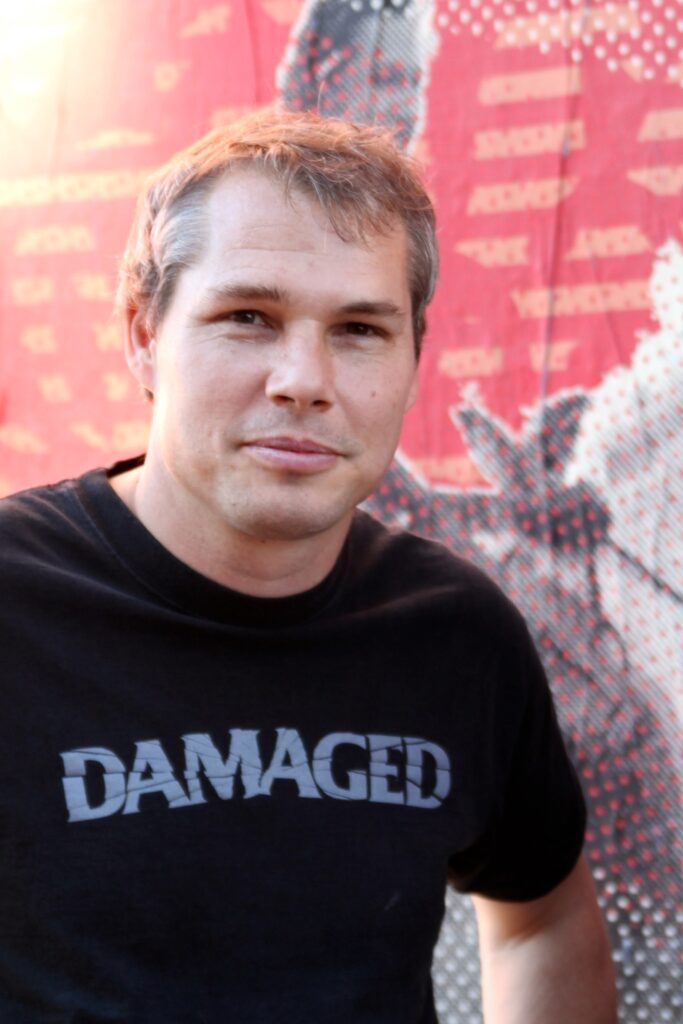
Born in Charleston, South Carolina in 1970, he has made a name for himself within the street art community with his politically charged designs. You may be familiar with him through his “Andre the Giant Has a Posse” stickers that eventually transformed into the Obey movement. Fairey’s artwork often merges elements of culture with thought-provoking commentary effectively conveying powerful messages, about our society and the world we inhabit.
FUN FACT: Fairey began his artistic career as a street artist in the late 1980s, creating stickers, stencils, and posters in cities like Providence, Rhode Island, and later in Los Angeles. His street art often features bold graphics, social commentary, and recurring motifs such as the “OBEY” giant and the “Andre the Giant Has a Posse” campaign.
His Journey
Fairey’s career spans over three decades and covers everything from street art to graphic design. In 2003, he founded Studio Number One, a design agency that’s worked on projects ranging from album covers to political campaigns. Fairey’s art has been shown in galleries worldwide, cementing his reputation as one of the most influential artists of our time.
What’s the Deal with Obey Giant?
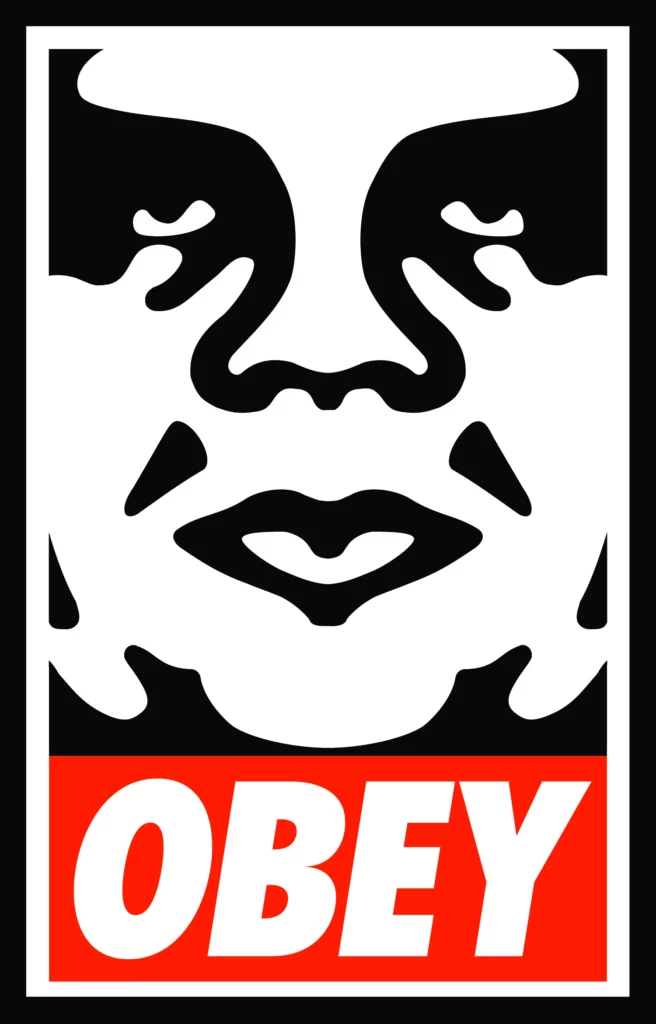
| Artist | Shepard Fairey |
| Date Created | Late 1980s |
| Medium | Stencil, Screen Print |
| Genre | Street Art, Propaganda |
| Period | Contemporary |
| Dimensions | Variable |
| Series/Versions | Multiple iterations and adaptations |
| Where is it housed? | Various public spaces, galleries, private collections |
The story of this masterpiece goes back to the late 1980s when Fairey started plastering images of wrestler Andre the Giant accompanied by the word “Obey” on walls and signs. It was his way of challenging consumer culture and the power of propaganda. Over time, the image grew beyond its origins, becoming a symbol of rebellion and questioning authority.
Highlights of Obey Giant
Fairey’s incorporation of images in the creation of Obey Giant has resulted in disputes, including his known Hope poster featuring Barack Obama during the 2008 presidential campaign.
Artists and activists worldwide have adapted this artwork appearing on clothing and protest signs.
Beyond its origins as street art, this artwork has transformed into a symbol of resistance that resonates with people from different cultures and contexts.
Over time Fairey’s message behind Obey Giant has shifted to reflect political changes.
This masterpiece retains its status as a representation of Fairey’s vision and his continuous dedication to challenging the established norms and advocating for change.
The Significance of Obey Giant
Obey Giant is not just an artwork; it has become a phenomenon. Its simplicity and boldness make it instantly recognizable whether it is displayed on a street corner or in an art gallery. However, its ability to initiate conversations and inspire contemplation is what truly sets this piece apart. By combining elements from culture with messages of dissent, Fairey creates a language that deeply resonates with individuals from all walks of life.
The Evolution of Obey Giant
What originated as a guerilla street art campaign has grown into something. Obey Giant has served as a source of inspiration for imitations and adaptations ranging from clothing lines to posters. Its message, which challenges authority and questions the status quo remains just as relevant today as it was when Fairey first brought it to life.
The Impact of Street Art

Street art has always possessed an ability to convey messages. Obey Giant takes this ability to new heights. By taking art out of the confines of galleries and into the streets, Fairey ensures that his work reaches an audience igniting conversations and raising awareness about pertinent issues. Regardless of whether one admires or disapproves of it, it is impossible to overlook the influence that this artwork has had on both the world of art and activism.
Artwork Spotlight: Vote
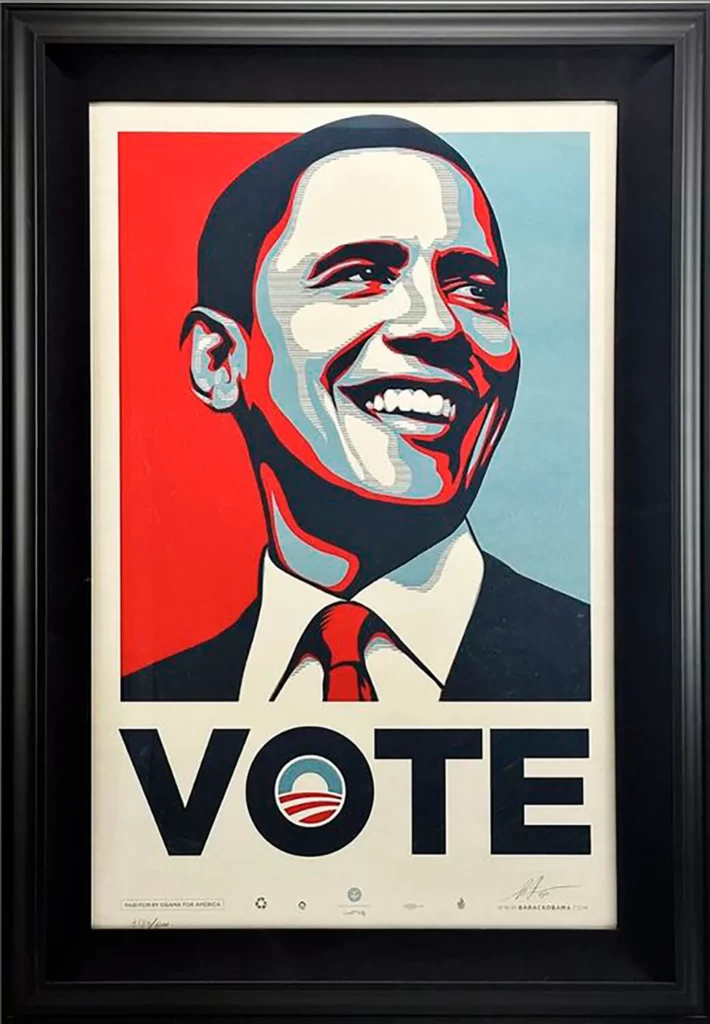
Shepard Fairey’s “Vote Obama” is available on Singulart. This print boldly depicts a stylized portrait of a woman with the word “VOTE” emblazoned across her face, urging civic engagement and political participation with its striking imagery and message.
Are you looking for a classic print from Shepard Fairey?
Singulart offers exclusive limited edition prints of Shepard Fairey. If you’re searching for a Fairey’s artwork to purchase, click on the artwork or the button below to explore further!
Frequently Asked Questions
What did OBEY mean for Shepard?
The Obey Giant was designed by Fairey to grab people’s interest and make them consider how they interact with their environment. The sticker has no meaning; it exists only to cause people to react, to contemplate, and to search for meaning in the sticker.
Where did the OBEY Giant come from?
The first “Andre the Giant Has a Posse” sticker was designed by Shepard Fairey in 1989 while he was a student at the Rhode Island School of Design. Since then, the sticker has become popular and has been distributed over a million times worldwide.
Conclusion
Shepard Fairey’s Obey Giant is not merely an artwork—it serves as a rallying call for action. Its striking imagery and compelling message serve as reminders about the significance of questioning authority and standing up for our convictions. As long as walls are waiting to be adorned with paint and ideas yearning to be shared, this piece will continue to inspire generations with its thought-provoking nature.