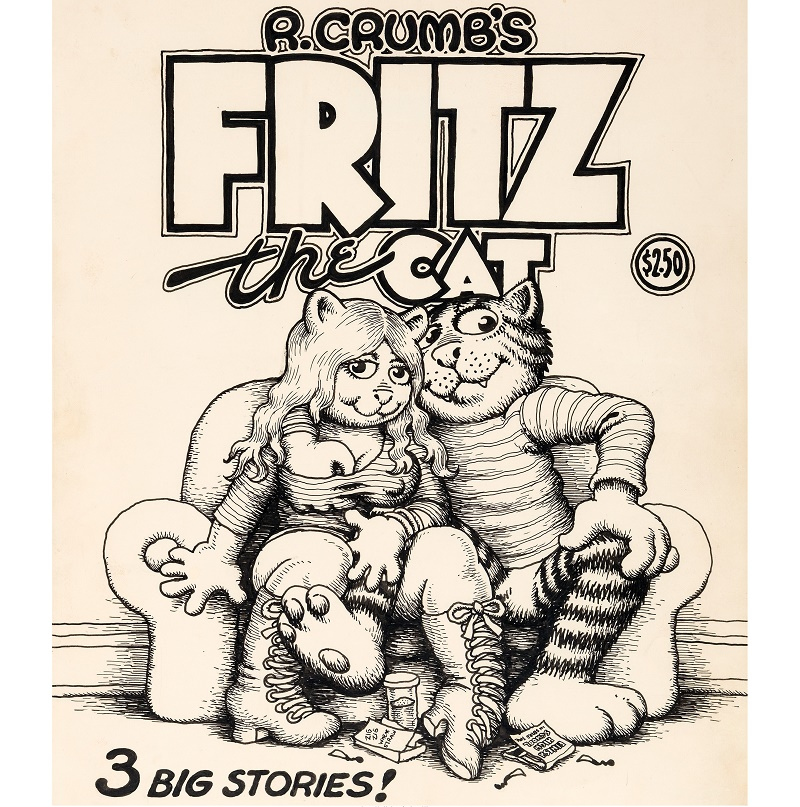
Robert Crumb, a well-known American cartoonist, is the creator of the uncanny and sometimes disturbing comix. One of his best creations is “Fritz the Cat” known for its bold and satirical vision of the society. In this article, we will dive into the universe of Fritz the Cat and will unravel the creator behind it, the context in which it was made, and some interesting facts about the iconic art work.
Who was Robert Crumb?

Robert Crumb, who was born on August 30, 1943, in Philadelphia, Pennsylvania, is an American cartoonist and illustrator known worldwide. He is a central figure of the alternative comix movement of the 1960s and the 1970s that rebelled against the conventional standards and traditionally accepted wisdom through his subversive and socially critical works. Crumb’s caricature and humorous pictures of characters help create a counterculture atmosphere.
Crumb’s Career
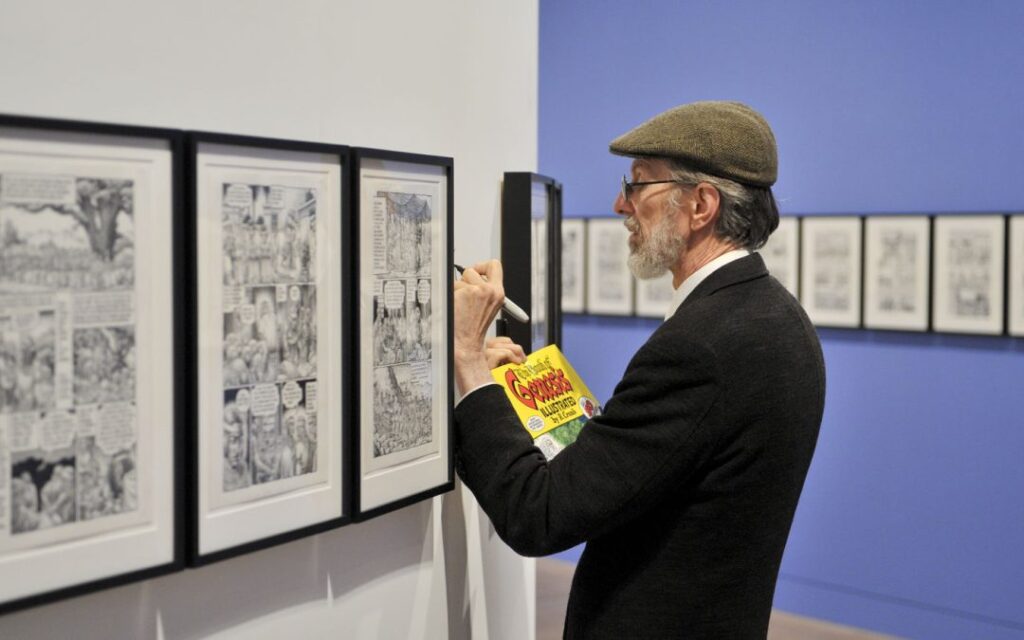
Robert Crumb started his career in the late 1960s by contributing to underground publications such as “Zap Comix.” Very soon he became successful for the provocative content of his art which dealt with taboo topics by using the mix of humor and social critique. One of his iconic creations, Fritz the Cat came alive in 1965 and later became a representation for the counterculture movement.
What is Happening in Fritz the Cat?

| Artist | Robert Crumb |
| Date Created | 1965 |
| Medium | Comic strip, later adapted into a film |
| Genre | Underground comix, Satire |
| Period | 1960s-1970s |
| Dimensions | Varies |
| Series/Versions | Original comic strips, Animated film |
| Where is it housed? | Private collections, Various media archives |
Fritz the Cat who was a comic strip character became the protagonist of a controversial animated film in 1972, directed by Ralph Bakshi. The movie focuses on Fritz, an anthropomorphic cat who is rebellious and sexually active, as he navigates the chaotic political and social landscape of the 1960s. By the means of Fritz’s experience, Crumb illustrates the ideas of sex, drugs, and societal rebellion, presenting an ironic criticism of that period.
Interesting Facts
Controversial Reception: Both Fritz the Cat comic and the animated film stirred up a controversy due to its explicit content and social critiques. The movie, in particular, was criticized for the way sex and drugs were shown which eventually earned it an X rating. Notwithstanding, or even because of that, the film managed to have a remarkable commercial success, being a cult classic.
Independent Spirit: Crumb’s decision to publish his work through underground comix rather than the mainstream allowed him to retain creative control and delve into themes that the traditional outlets will probably censor. This independence was vital for the flourishing of a dynamic and diverse underground art scene during a time of social turmoil.
Cultural Impact: Fritz the Cat became a cultural icon, it stood for the rebellious spirit of the counterculture movement. The character and its narratives touched a generation that was seeking alternative ways of expressing art and literature. Crumb’s caustic humor and critical eye of the world’s absurdities made Fritz the Cat an unforgettable icon of the time.
Adaptation to Film: The animated version of Fritz the Cat by Ralph Bakshi was a milestone in the history of adult animation. It was one of the first animated films to have an X rating and it was commercially successful despite its controversial nature. The experimental animation style and daring storytelling challenged the notion of what is acceptable in mainstream cinema.
Frequently Asked Questions
What is Robert Crumb known for?
Robert Crumb is known for his distinctive and expressive pen-and-ink illustrations. Crumb openly mocks modern American culture, sex, religion, and racism.
How did Crumb become famous?
As one of the founders of the first successful underground comix publication, Zap Comix, Crumb contributed to all 16 of its issues, making it one of the foundational works of the underground comix movement in the 1960s.
Conclusion
Fritz the Cat is a proof of Robert Crumb’s artistic vision and his desire to defy the traditions by his works. The rebellious spirit and the controversial themes examined in both the comic and the animated movie have resulted in an everlasting mark on the world of the underground comix and the counterculture movement of the 1960s and the 1970s. We not only appreciate the artistic influence of Fritz the Cat but also its role in the history. Via Fritz the Cat, Crumb keeps on stirring the water and inspiring the creativity, reminding us of the influence of art in changing the world.