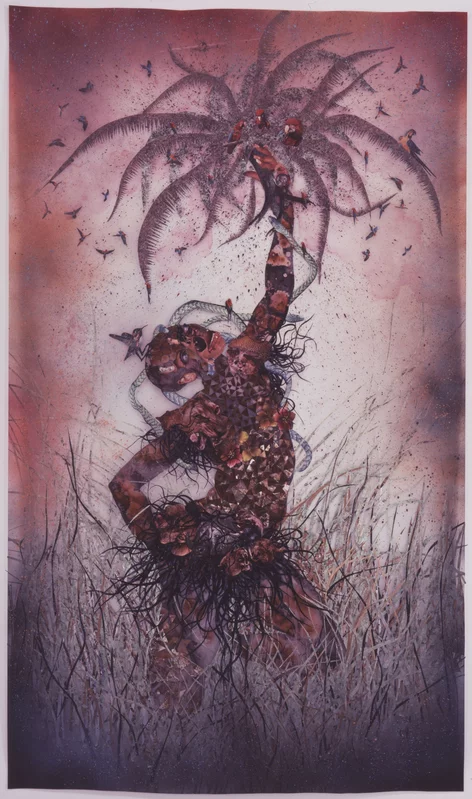
Wangechi Mutu’s artwork goes beyond borders, both physical and ideological, challenging the viewer to participate in the world of culture, identity, and representation. The answers to the questions perennially arise. Born in Kenya and currently living in the United States, Mutu’s artistic trajectory has been consistently underpinned by her African roots and shaped by her experiences as a woman of color in multiple cultures. In this article we take a closer look at one of the masterpieces ‘Le Noble Savage‘ created by Mutu to explore its implications, its place within Mutu’s body of work and its general role in the discourse about race, gender and power relations.
Who is Wangechi Mutu?
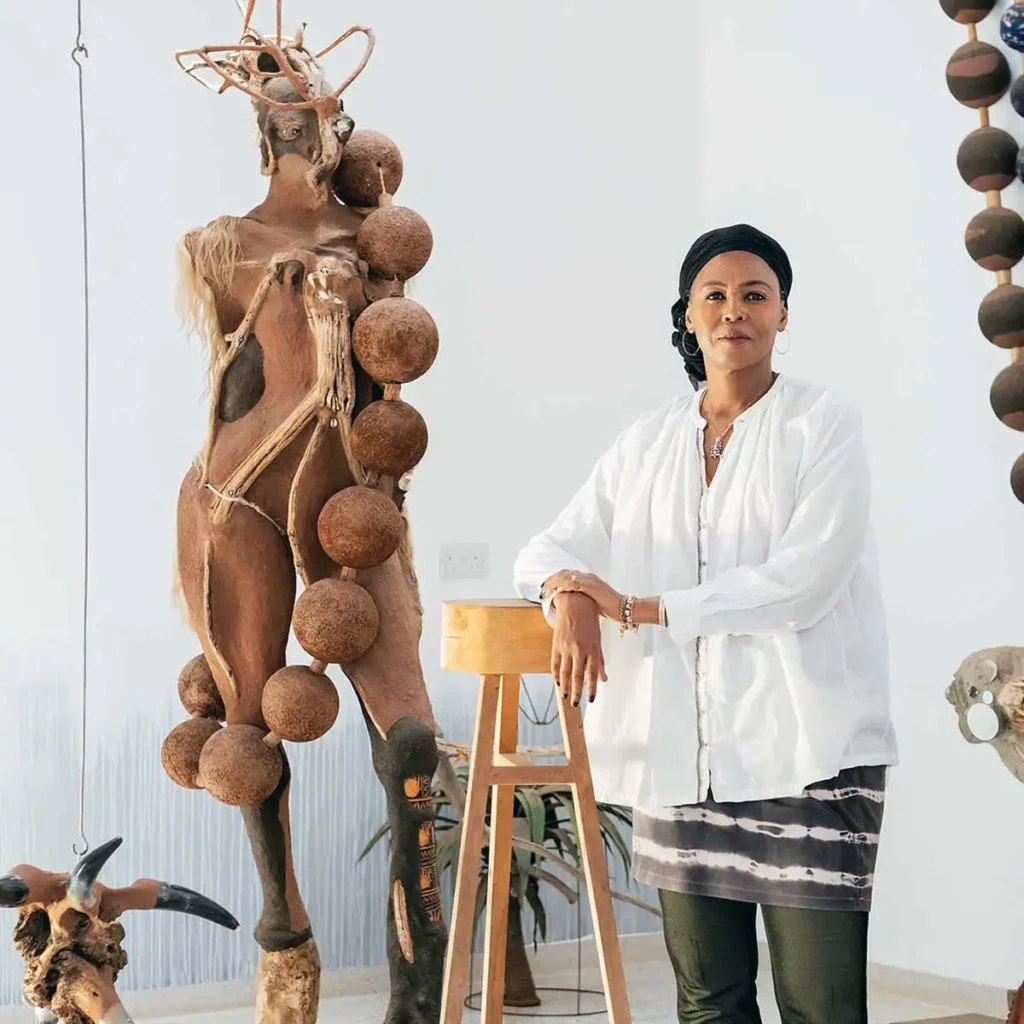
Wangechi Mutu was born in Nairobi, Kenya, in 1972, and since then, her quest has been that of becoming one of the most recognized contemporary artists of her generation. Using her identity as an inspiration, coming from an African background and growing up as an African-American woman, Mutu’s work is a powerful commentary of the struggles and complexities of identity and representation. Along with her style of collage, sculpture and mixed media, she has won many awards, which has led her to the pantheon of art history.
Her Career
Wangechi Mutu’s artistic career started to gain traction at the beginning of the 2000 when her controversial and dramatic artwork was widely displayed. By using her own collage style, Mutu creates compelling spaces that juxtapose the real and the surreal. Her works frequently deal with stereotypes of gender, race, and imperialism, challenging viewers to question injustice and reconsider their perspectives on the society.
What is Happening in “Le Noble Savage”?
| Artist | Wangechi Mutu |
| Date Created | 2006 |
| Medium | Mixed Media (Collage, Painting, Sculpture) |
| Genre | Contemporary Art |
| Period | 21st Century |
| Dimensions | Variable |
| Series/Versions | Unique |
| Where is it housed? | Private Collections/Museum Exhibitions |
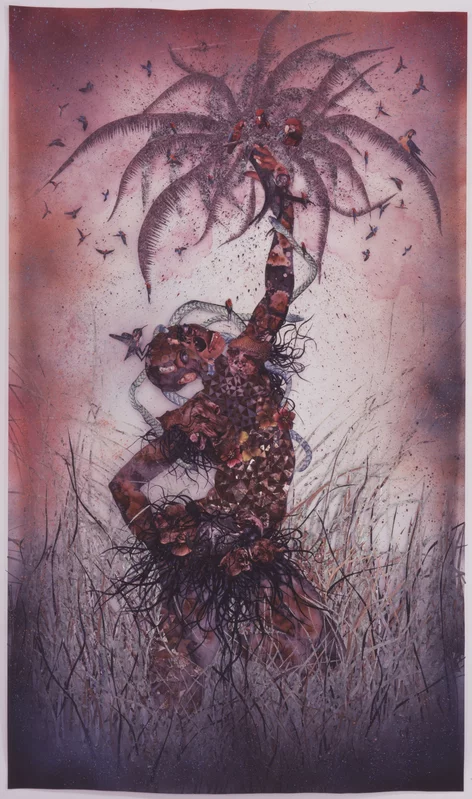
“Le Noble Savage” is arguably the most famous of Wangechi Mutu’s works. It was made in 2006. This work of Mutu uses many different things together to make a large picture. She uses paints, scraps of paper and even toy items or beads. Looking at “Le Noble Sauvage” you might notice unusual beings that are half-way humans and half-something else. Theses creatures make us rethink about the concept of beauty and belonging.
Exploring “Le Noble Savage”
“Le Noble Savage” is like a giant jigsaw, which is put together by Mutu. She uses a lot of things like pictures from magazines, scraps of paper and sometimes even toys or beads to build something new out of them. When you take a minute to explore the art in detail, you will discover facial features, bodies, or symbols between the layers. Through Mutu, people must try and see the painting from off the beaten track to discover something new each time they look at it.
Creatures in “The Noble Savage” are the combination of several cultures and ideas. Some may recall ancient African masks or traditional attire and others will be from a make-believe place. What Mutu invites us to do is to consider that culture and identity cannot be considered unmoving or unchanging but rather as things that continuously change and develop.
Interesting Facts about “Le Noble Savage”
Lots to See: “Le Noble Savage” is filled with many different things to look at. Mutu uses pictures, textures, and objects to create a world that is both strange and familiar. Some parts might seem chaotic, but there’s beauty in the way everything comes together.
Title’s Meaning: The title “Le Noble Savage” talks about old ideas of Africans being “noble savages.” Mutu uses this title to question those ideas and to show that beauty and identity are more complex than stereotypes. By reclaiming this term, Mutu empowers Africans to define themselves on their terms, rather than through the lens of colonialism.
Seen Everywhere: “Le Noble Savage” has been shown in many places around the world. People from different cultures and backgrounds connect with Mutu’s art because it speaks to universal ideas about who we are and how we see each other. It has been displayed in museums, galleries, and art fairs, reaching audiences far and wide.
Frequently Asked Questions
Who is Wangechi Mutu inspired by?
Mutu used a variety of violent incidents from Africa’s colonial and post-colonial history as well as her experiences attending a ladies’ Catholic school in Nairobi early on. She created collages examining the physical manifestations of governmental aggression on people, drawing inspiration from artists like Hannah Hoch and Richard Hamilton.
What is Wangechi Mutu best known for?
Mutu is most known for her collages, in which she blended images from many sources—from vintage medical pictures to publications like Vogue and National Geographic—to create stunning hybrid people in surreal settings.
Conclusion
“Le Noble Savage” by Wangechi Mutu is a strong piece of art tangling with concepts such as beauty, identity, and culture. Through mixing various components and ideas, Mutu generates a space that suggests the observers to doubt on what they think they already know and be what they cannot see through their eyes. Whether you are an art appreciator or are fascinated by the world surrounding you, the “Le Noble Savage” exhibition is a very reverting and memorable experience that will linger in your memory long after leaving the gallery.