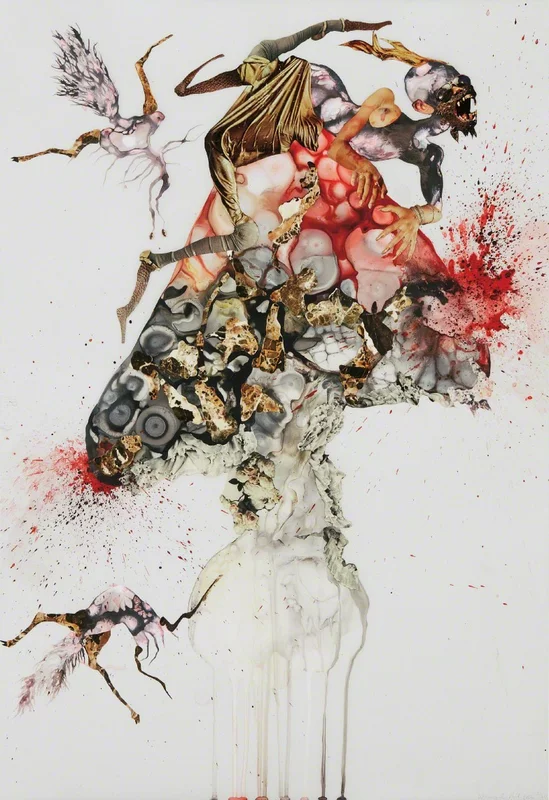
In the world of art, there is a wide range of voices that leave behind their own perspective on the nature of the human being. Among these voices, stands Wangechi Mutu, a Kenyan-born artist whose artworks re-echo across the world. Mutu was born in Nairobi in 1972 and her life as an artist is characterized by an undeterred search for truth and an unwavering dedication to disagreeing with the norms upheld by society. By letting us witness her fascinating investigations of identity, femininity and cultural heritage, Mutu became an important figure in contemporary arts, aweing her admirers with her revolutionary and creative works.
Who is Wangechi Mutu?
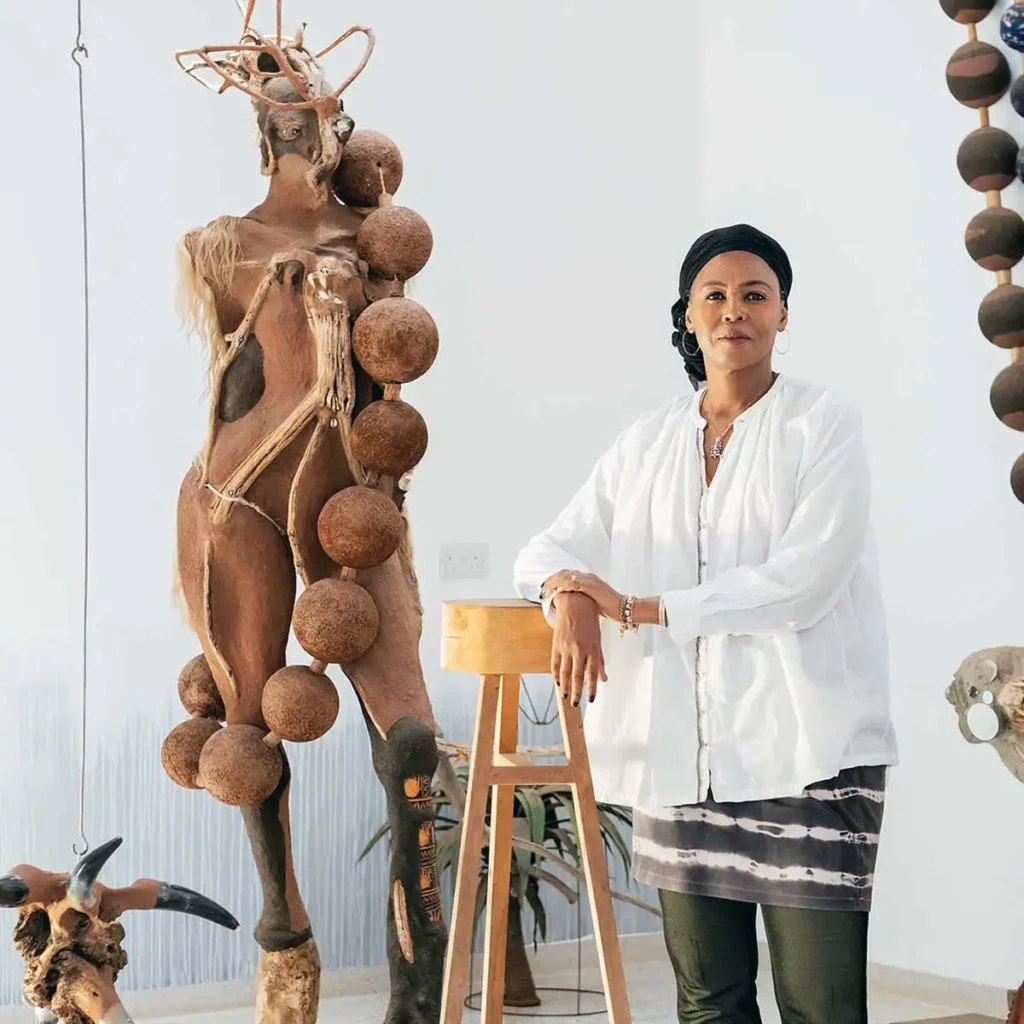
Wangechi Mutu was born in Nairobi, Kenya, in 1972, and since then, her quest has been that of becoming one of the most recognized contemporary artists of her generation. Using her identity as an inspiration, coming from an African background and growing up as an African-American woman, Mutu’s work is a powerful commentary of the struggles and complexities of identity and representation. Along with her style of collage, sculpture and mixed media, she has won many awards, which has led her to the pantheon of art history.
Her Career
Wangechi Mutu’s artistic career started to gain traction at the beginning of the 2000 when her controversial and dramatic artwork was widely displayed. By using her own collage style, Mutu creates compelling spaces that juxtapose the real and the surreal. Her works frequently deal with stereotypes of gender, race, and imperialism, challenging viewers to question injustice and reconsider their perspectives on the society.
What is Happening in “Howl”?
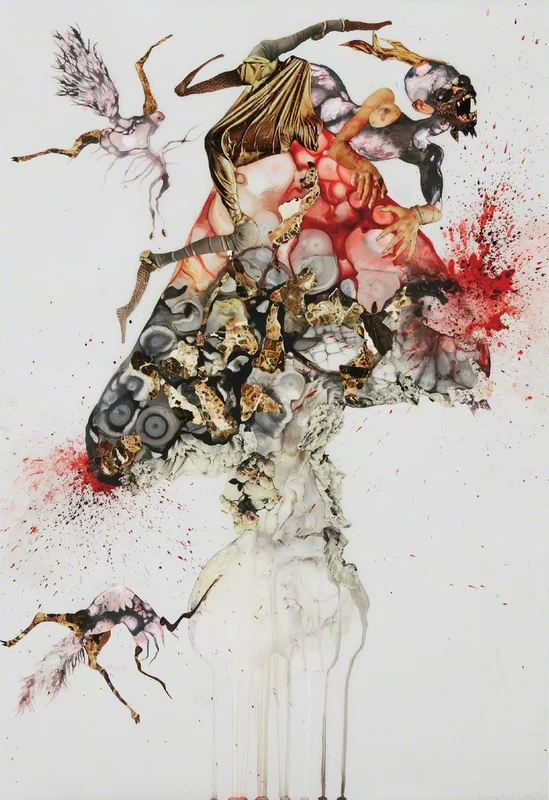
“Howl,” the most vivid example of Wangechi Mutu’s work, stands at the symbolical representation of the artist’s reinvented approach. “Howl” was inaugurated in 2010. It is created through mixed-media collation that is not restricted in terms of techniques; It mixes painting, drawing and collage approaches to create a compelling visual presentation. Obviously the mysterious composition’s focal element is a picture of a coalescence of human and animal features, which conflate delicate and powerful.
Exploring “Howl”
Closer inspection gives “Howl” away as a mediation on the complexities of identity as well as a fusion with different environmental occurrences. The headline, “Howl,” equates to a deeply sensual feeling and a raucous yarling to the injustices and inequalities that cover up in our society. By means of this work of art, Mutu suggests to the audience to have the courage to face hidden realities and to be brave enough to live with all the paradoxes which our lives hold.
Interesting Facts about “Howl”
Inspired by African Art: Mutu’s deep connection to her African heritage is evident in “Howl,” which draws inspiration from traditional African masks and sculptures. The intricate patterns and textures adorning the central figure pay homage to the rich artistic traditions of the continent.
Celebrating Women: Central to “Howl” is the celebration of femininity in all its forms. The figure in the artwork embodies strength and power, challenging conventional notions of beauty and agency. Mutu’s depiction of women as powerful and assertive beings is a recurring theme in her work, reflecting her commitment to challenging patriarchal norms.
Environmental Commentary: Embedded within the layers of “Howl” are subtle references to environmental degradation and the impact of human activity on the natural world. Mutu’s use of found materials, such as plastic and magazine cut-outs, serves as a poignant commentary on consumerism and waste, urging viewers to consider their relationship with the environment.
Frequently Asked Questions
Who is Wangechi Mutu inspired by?
Mutu used a variety of violent incidents from Africa’s colonial and post-colonial history as well as her experiences attending a ladies’ Catholic school in Nairobi early on. She created collages examining the physical manifestations of governmental aggression on people, drawing inspiration from artists like Hannah Hoch and Richard Hamilton.
What is Wangechi Mutu best known for?
Mutu is most known for her collages, in which she blended images from many sources—from vintage medical pictures to publications like Vogue and National Geographic—to create stunning hybrid people in surreal settings.
Conclusion
“Howl”, a masterpiece by Wangechi Mutu, is proof of the art’s potential to challenge, encourage, and change. By means of its enthralling imagery and thought-provoking themes, this artwork invites spectators on a voyage of self-reflection and questioning reality, inciting them to address issues of identity, society, and humankind which are complex. Though we walk through a maze of change in the modern art scene, “Howl” is like a “light house of hope”- a symbol of immortality of creativity forever accompanying the understanding of the world through our mental eyes.