In contemporary art world, there is hardly any work that has garnered as much thought and discussion as Shirin Neshat’s “Women of Allah” Series. During the turbulent time of post-revolutionary Iran, these poignant images explore the complicated themes of identity, gender, and politics in Islamic culture. With a help of her camera, Neshat disassembles stereotypes and opens a space for audience to explore the multifarious truth of women in the Muslim world. In this article, we will explore the universe of Neshat’s groundbreaking work, unravel its symbolism, significance, and perpetual influence in the global art scene.
Who is Shirin Neshat?
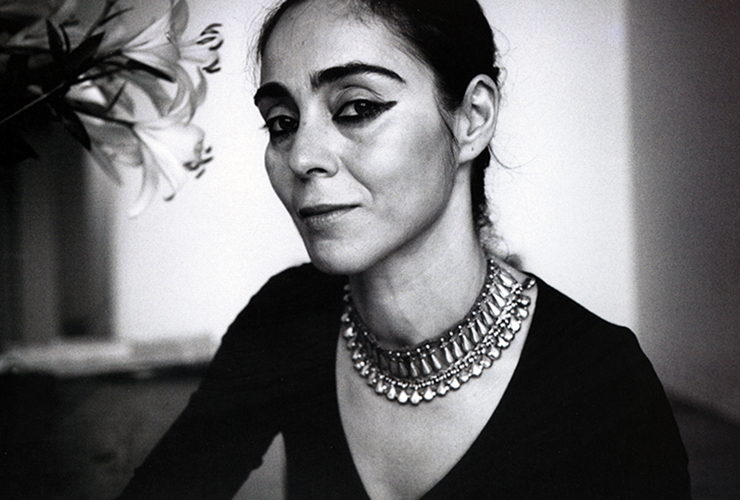
Shirin Neshat is an Iranian-born contemporary artist who is recognized for her thought-provoking works that touch upon issues of gender, identity, and politics in the framework of Islamic culture. Shirin Neshat was born in Qazvin, Iran, in 1957 and later she moved to the United States in the late 1970s for studying. These circumstances led to the formation of her idea of art that she was investigating in her works. Being in exile, she tried to explore the Iranian diaspora and the conflict between Eastern and Western cultures.
Her Career
Neshat started her college education at the University of California, Berkeley (UCB), where she creatively engaged in different media like photography, video and film. Her first big moment came in the early 1990s with the production of her landmark series, “Women of Allah”, which put her name on the map internationally. In recent years, Neshat has been at the forefront of the art world creating artworks that advocate for social justice and enlightening society about the plight of women in the Muslim-dominated world.
What is Happening in “Women of Allah”?
| Artist | Shirin Neshat |
| Date Created | 1993-1997 |
| Medium | Photography |
| Genre | Contemporary Art |
| Period | Late 20th Century |
| Dimensions | Variable |
| Series/Versions | Women of Allah |
| Where Housed | Various private and public collections worldwide |
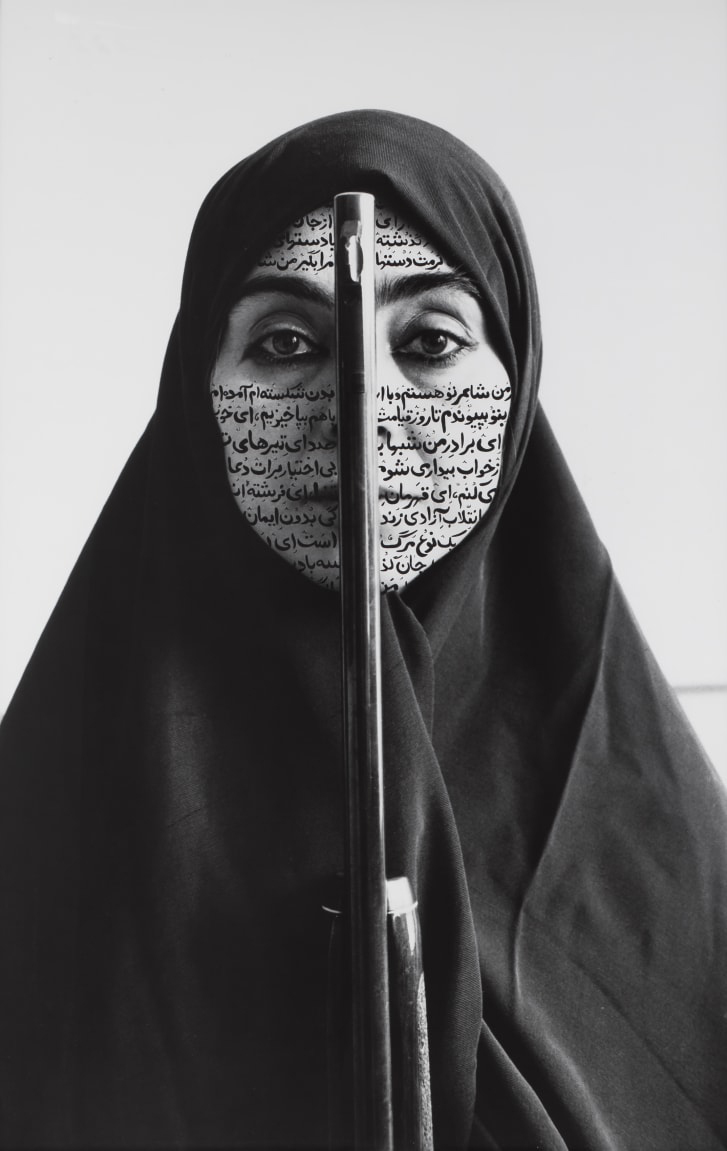
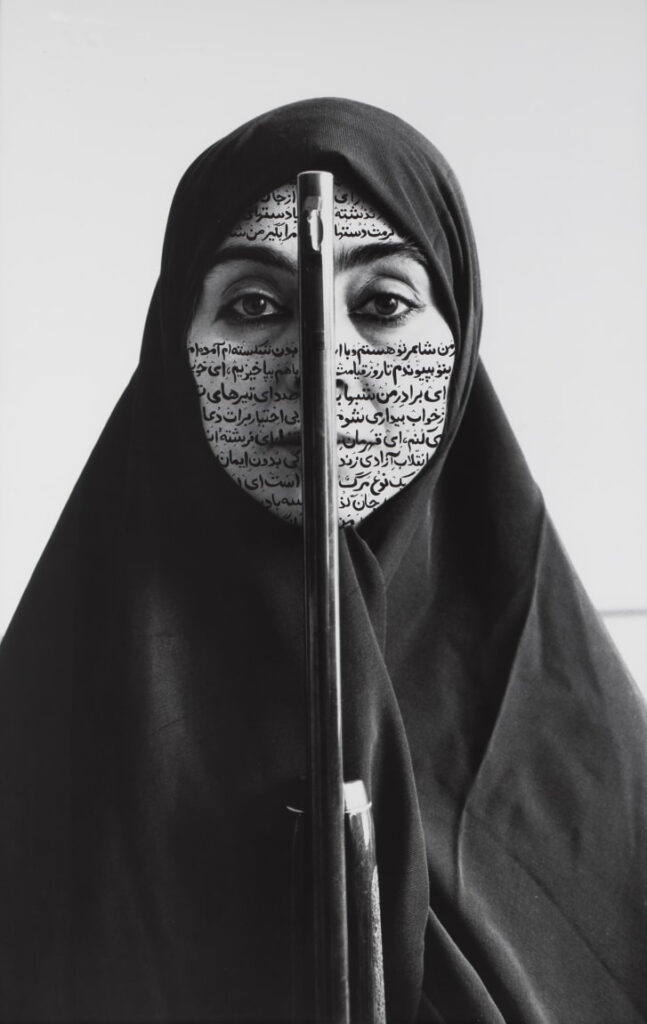
“Women of Allah”, by Shirin Neshat, is portrayed as a series of striking black-and-white images, which emphasize the differentiated portrayals of women in the Islamic community and their relationship to the society on the whole. Produced between 1993 and 1997, one series of the artist which consists of empowering portraits of Iranian women posed with calligraphic presents, veils, knives and guns showing off their great might and courage.
Every picture in the series gives the viewer a hard look at femininity within the framework of a patriarchal society. Neshat’s application of symbolism, especially the collision of femininity and weapons, which are traditionally associated with masculinity, violates traditional norms of gender and power, gives the audience a chance to rethink the stereotypes of women in Islam.
Interesting Facts about “Women of Allah”
Cross-Cultural Dialogue: Neshat’s work serves as a bridge between Eastern and Western cultures, offering Western audiences a glimpse into the complexities of Islamic society while challenging traditional narratives about Muslim women.
Political Commentary: The series emerged in the aftermath of the Iranian Revolution and the establishment of the Islamic Republic, providing a poignant commentary on the political upheaval and its impact on women’s rights in Iran.
Controversial Reception: While “Women of Allah” garnered widespread critical acclaim, it also sparked controversy and debate, particularly within conservative Islamic circles, where some viewed Neshat’s portrayal of veiled women as provocative and disrespectful.
Symbolism: The imagery of veiled women with guns serves as a metaphor for the dual roles of women in Islamic society – simultaneously oppressed and empowered. The calligraphic inscriptions on the women’s bodies further add layers of meaning, with verses from poetry and religious texts providing insight into the inner lives of Neshat’s subjects.
Continued Impact: Decades after its creation, “Women of Allah” continues to resonate with audiences worldwide, inspiring discussions about feminism, religion, and cultural identity in the modern era.
Frequently Asked Questions
What is the meaning behind Shirin Neshat art?
Neshat’s research focuses a lot on the psychological, social, and cultural effects of women wearing veils in Iran. Her art effectively asserts the presence of women in a country dominated by men, and it has never been exhibited in Iran.
What is Shirin Neshat best known for?
Modern Iranian visual artist Shirin Neshat is most recognized for her photography, video, and filmmaking (including her 1999 feature film Rapture), all of which examine the relationship between women and Islamic religious and cultural norms.
Conclusion
Shirin Neshat’s “Women of Allah” still stands as a central piece in contemporary art, encouraging spectators to address their conceptualizations of gender, power, and spirituality. By using the power of her imagery and symbolism, Neshat creates the environment for the reexamination of the intricate realities of women in the Islamic society which eventually leads to a discourse and understanding between cultures.