


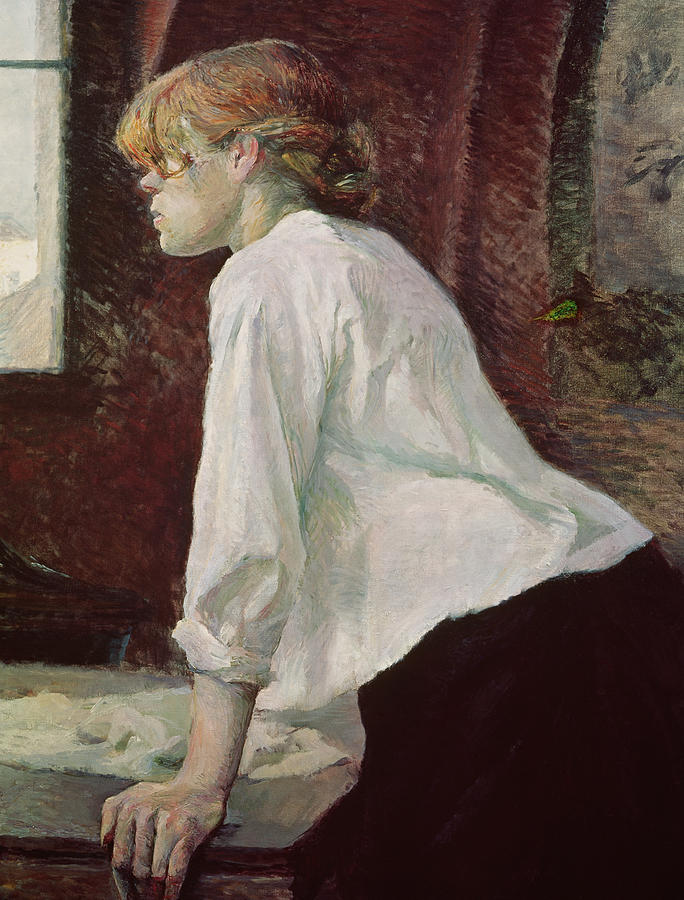
Henri de Toulouse-Lautrec, a towering figure in the world of art, captured the vibrant essence of late 19th-century Paris like few others. Born into privilege but beset by physical limitations, Toulouse-Lautrec found solace and expression in his art, becoming one of the most renowned painters of the Impressionist era. Among his many masterpieces, “The Laundress” stands out as a poignant depiction of everyday life in the bustling streets of Paris. In this article, we delve into the life and career of Henri de Toulouse-Lautrec, explore the significance of “The Laundress,” and uncover the fascinating details that make this artwork a timeless testament to the human experience.
Who was Henri Toulouse-Lautrec?
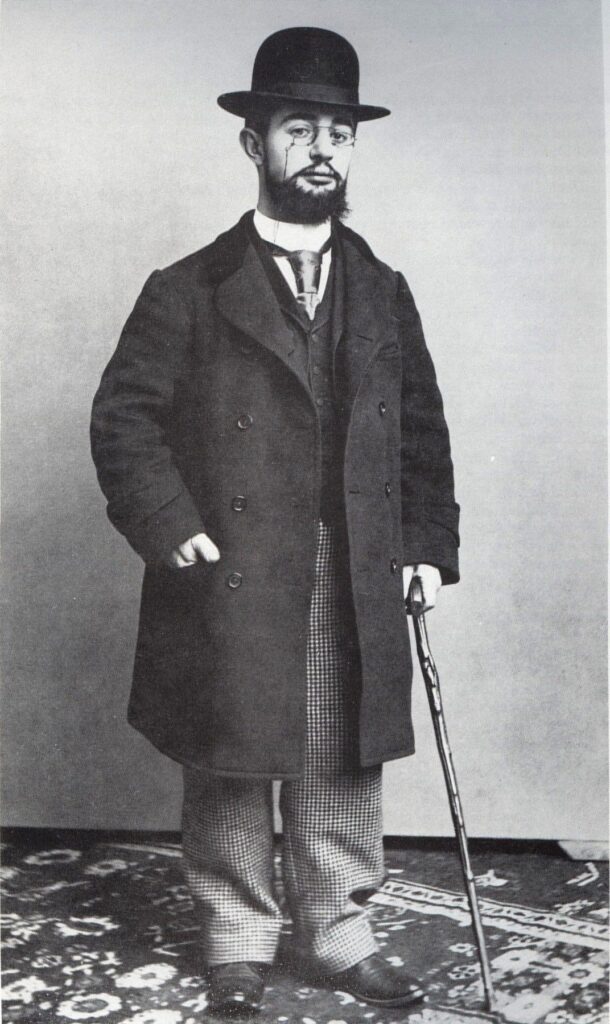
Henri de Toulouse-Lautrec was not an ordinary artist, he was a visionary with the ability to see the beauty in the ordinary commotion of the Parisian life. His individualistic approach to art created a difference from the earlier artists who focused on representing traditional subjects as opposed to reflecting the dynamic world of contemporary daily life.
FUN FACT: Henri de Toulouse-Lautrec was an avid collector of Japanese prints, which greatly influenced his artistic style. He admired the bold compositions, vibrant colors, and intricate patterns found in Japanese art, and he incorporated elements of it into his own work.
His Career
Henry derived major artistic stimulation from the rebellious atmosphere of blue-collar workers in late 19th-century Paris. Due to the pictures of Impressionists and the Japanese prints, he began to find his unique style which is recognized for its robust lines, blocks of colors, and ability to capture the details accurately. In his art, he often chose to portray the underprivileged segments of society, who captured his attention, regardless of them being dancers, prostitutes, or circus performers alike. Both those and other social groups of pioneers posited notions of human dignity and mercy.
Through his predicament, Henri kept a very productive artistry. He has indeed fought for his boundaries and has created in some mediums, such as lithography, etching, and oil painting. The inventive choice of colors and compositions of his paintings became the benchmark of his predecessors, the movement of which later developed into Fauvism and Expressionism. For many years Henri worked at his art, creating a vast personal legacy with which he was inspired, which is still attractive for people.
What is Happening in “The Laundress”?
| Artist | Henri de Toulouse-Lautrec |
| Date Created | 1884 |
| Medium | Oil on canvas |
| Genre | Genre painting (everyday life) |
| Period | Post-Impressionism |
| Dimensions | 45.7 cm × 35.6 cm (18 in × 14 in) |
| Series / Versions | Single version |
| Where is it housed? | Musée Toulouse-Lautrec, Albi, France |
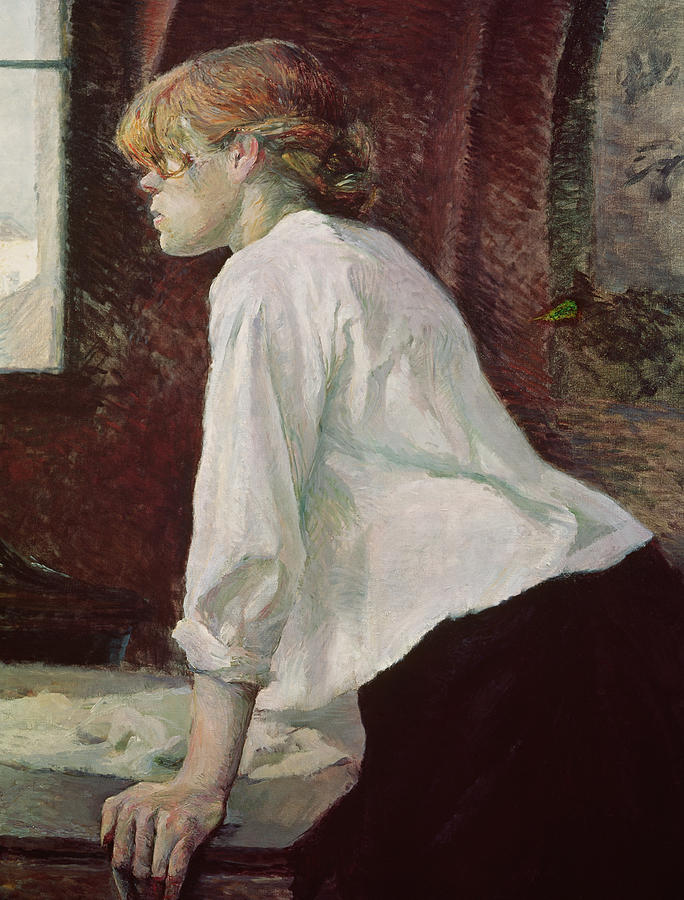
Toulouse-Lautrec’s “The Laundress” represents the painting of a common life in Paris at the end of the 19th century. This painting depicts a girl immersed in the process of laundry, putting all her attention into her actions. Toulouse-Lautrec, known for his ability to freeze and isolate fleeting moments and intimate scenes, is probably the reason behind the realism and immediacy of the painting. The spectator is drawn into a reflection regarding the value of the laundress in the craziness of city life.
Interesting Facts about “The Laundress”
Early Work: “The Laundress” is one of Toulouse-Lautrec’s early works, created when he was still developing his distinctive style. Despite its relatively small size, the painting exhibits the artist’s keen eye for detail and his ability to capture the nuances of everyday life.
Influence of Realism: While Toulouse-Lautrec is often associated with the Impressionist movement, “The Laundress” demonstrates his affinity for Realism as well. The painting eschews idealized depictions in favor of a candid portrayal of a working-class woman, emphasizing her humanity and dignity.
Subtle Symbolism: Although seemingly a straightforward depiction of a mundane task, “The Laundress” subtly hints at larger themes such as labor, class, and the passage of time. The woman’s focused expression and the meticulousness of her work invite viewers to contemplate the significance of everyday activities.
Color Palette: While Toulouse-Lautrec is known for his bold use of color in other works, “The Laundress” adopts a more subdued palette, with earthy tones dominating the composition. This restrained approach highlights the quiet dignity of the scene and adds to its sense of authenticity.
Legacy: Despite its modest subject matter, “The Laundress” exemplifies Toulouse-Lautrec’s ability to imbue ordinary moments with profound meaning. The painting remains a testament to the artist’s enduring fascination in Paris during the Belle Époque.
Artwork Spotlight: La Barmaid
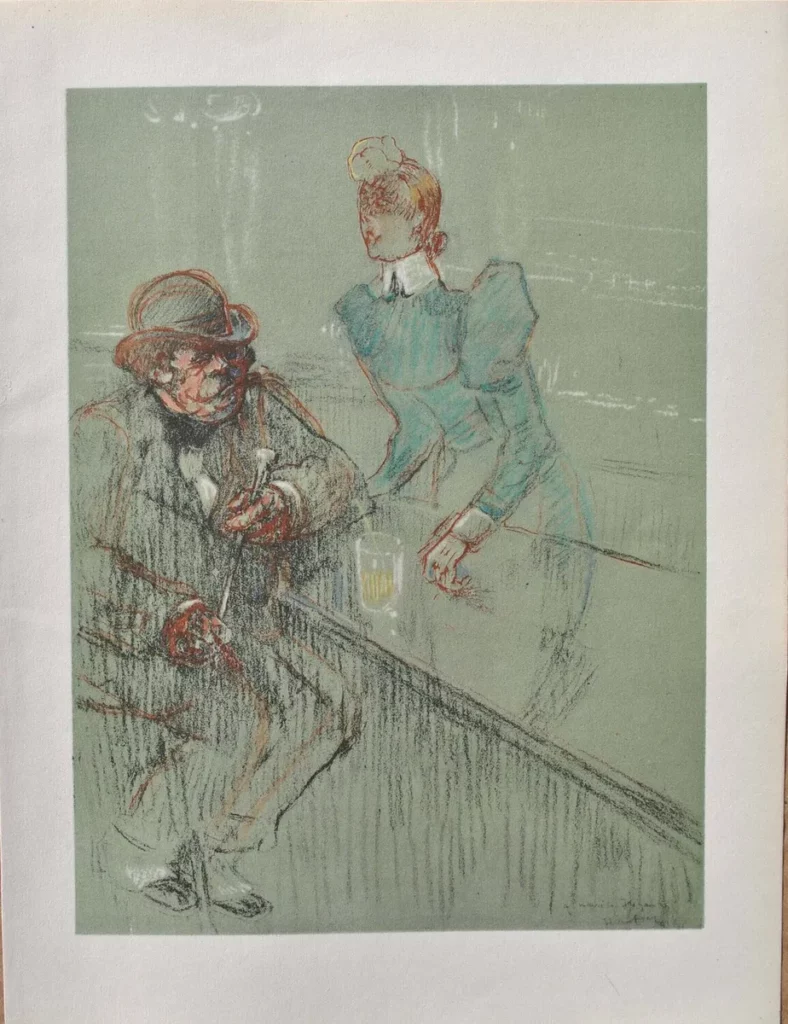
“La Barmaid,” by Henri de Toulouse-Lautrec is available on Singulart. It is a painting which shows a bustling Cabaret scene, full of liveliness and energy of Parisian nights. Thanks to vivid colors and vigorous brushwork, Toulouse-Lautrec materialized the barmaid, a key character in the world where he lived.
Are you looking for a masterpiece from Henri de Toulouse-Lautrec?
Singulart presents exclusive limited edition pieces by Henri de Toulouse-Lautrec. To discover and acquire Lautrec’s art, click on the artwork or the button below for more information!
Frequently Asked Questions
Who was Henri Toulouse-Lautrec and why is he important?
French artist Henri Toulouse-Lautrec is widely recognized for his portrayal of a bohemian, absinthe-soaked Paris of the 19th century. An aristocrat who enjoyed the nightlife, he was a VIP at the Moulin Rouge and the first to conflate advertising and high art.
Who influenced Toulouse-Lautrec?
He was profoundly influenced by fellow Impressionist Edgar Degas, who formerly resided nearby, and by Japanese ukiyo-e woodblock etching.
Conclusion
“The Laundress” delivers audiences with a rare view of the Paris of the late 19th century, and encourages reflection on the extraordinary depths and complications of daily life. With the depiction of a simple task more sensitively, Toulouse-Lautrec shows us that we all have something in common, social standing and situation notwithstanding. This painting belongs to his early period. It demonstrates Gauguin’s growing style and the ongoing recognition as an Impressionist master.


