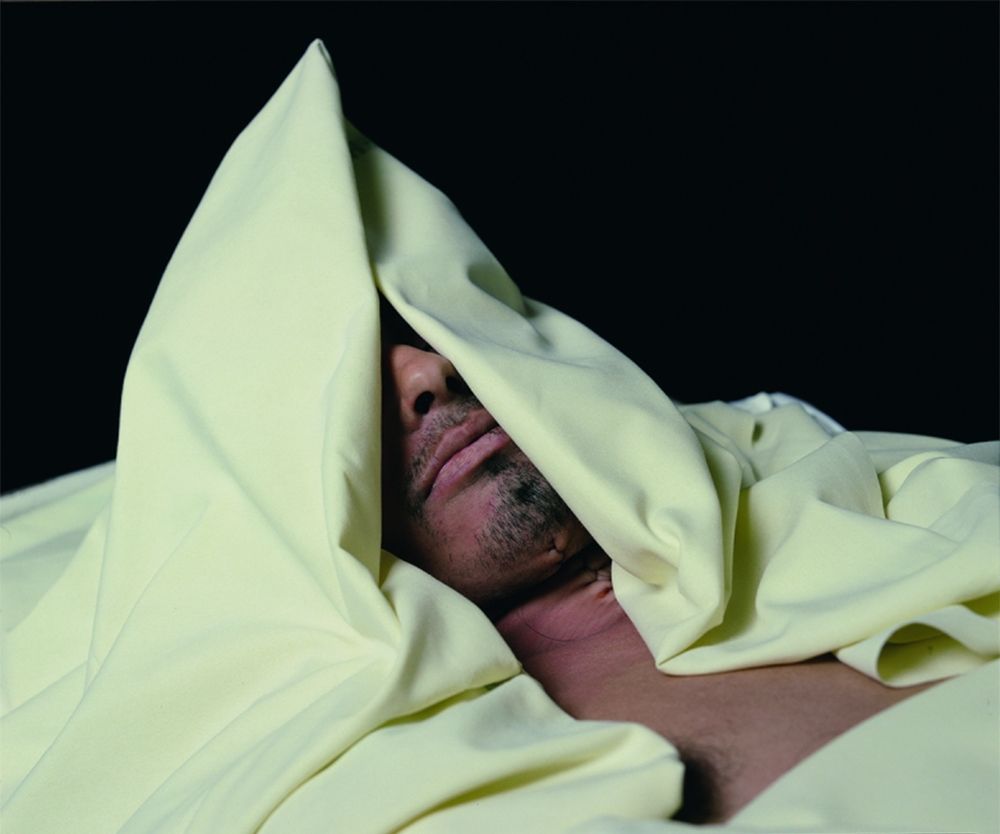
It is the world of modern art that few names stir as much anger and interest as Andres Serrano does. Esteemed for his daring to plunge into forbidden topics, Serrano’s artworks question the status quo and go beyond the borders of artistic creativity. One of his most outstanding undertakings is “The Morgue Series“, a group of pictures that confront the audience with the starkness of death. In this article, we will talk about the life and career of Andres Serrano; the ideas and consequences of the Morgue Series; and revealed the fascinating stories behind the images that make us shiver.
Who was Andres Serrano?

Andres Serrano, the famous American artist known for his hard-hitting and provocative photography was born on August 15, 1950, in New York City. Serrano was born into a devoutly Catholic household, and his upbringing played a significant role in shaping his artistic expression, with his art frequently exhibiting religious, sexual, and self-identity themes. He won a wide audience and often saw his unconventional materials and subjects criticized for challenging social taboos, and it was his pushing the limits of art that made him famous.
FUN FACT: In his series “America,” Serrano traveled across the United States, documenting various subcultures and social groups, ranging from Ku Klux Klan members to homeless individuals.
His Career
Serrano’s career started to blossom in the 1980s when he was able to exhibit his photographs in galleries and museums. It all started with his rebellious work entitled “Immersion (Piss Christ)” that showed a crucifix submerged in urine. This art piece spawned a huge controversy on the issue of freedom of expression, religious feelings, and the role of the government funding in the art.
During his lifetime Serrano expanded his topics by showing controversial issues like violence, death and social inequality. Emotional responses are often the outcome of his art, thus, prompting viewers to face discomforting truths and review their worldviews.
What is Happening in The Morgue Series?
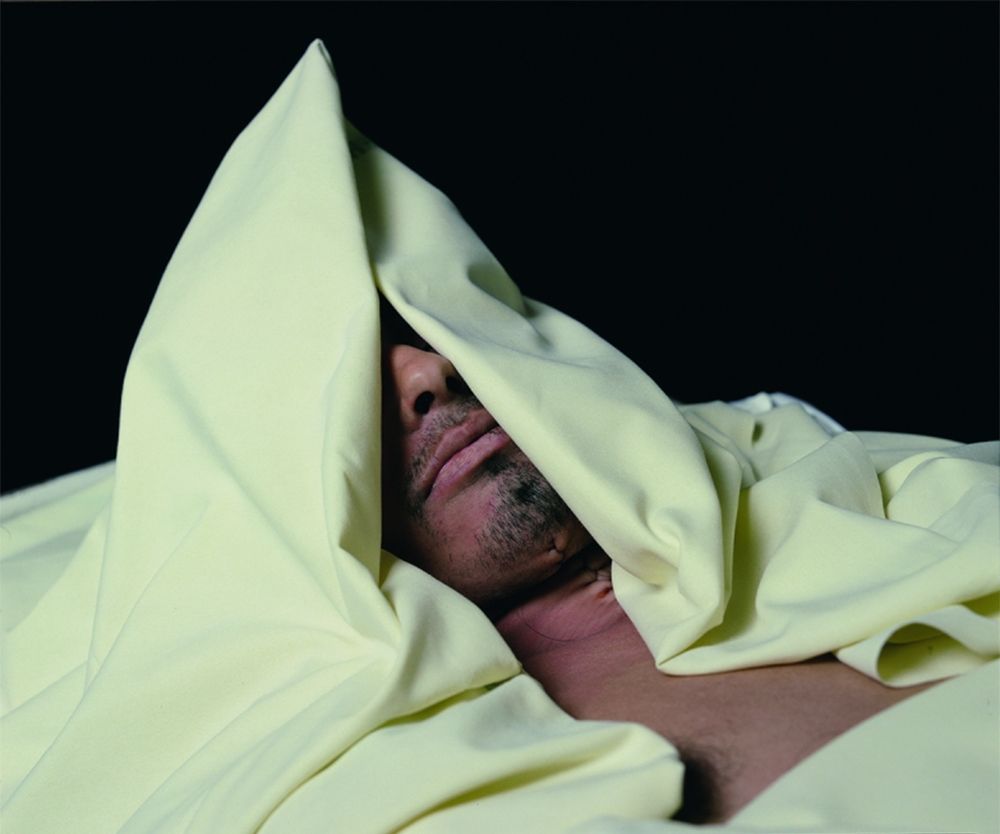
| Artist | Andres Serrano |
| Date Created | 1992 |
| Medium | Photography |
| Genre | Contemporary Art |
| Period | Postmodernism |
| Dimensions | Varies |
| Series / Versions | Multiple |
| Where is it housed? | Various private collections and galleries worldwide |
In the “Morgue Series,” which Serrano produced in 1992, he explores the dark territory of death and mortality, presenting raw and real pictures of bodies found in a morgue. Serrano’s photographs force viewers to recognize the unavoidable nature of death and confront the entire community’s paradigms about mortality and the human body.
Interesting Facts about The Morgue Series
Controversial Reception: Much like Serrano’s other works, The Morgue Series sparked intense debate and controversy upon its release. Critics and viewers alike grappled with the confronting nature of the images, questioning the ethics of capturing and displaying photographs of deceased individuals.
Technical Mastery: Despite the unsettling subject matter, The Morgue Series showcases Serrano’s technical prowess as a photographer. Each image is carefully composed and lit, highlighting the delicate balance between aesthetics and morbid reality.
Exploring Taboos: Serrano’s exploration of death and mortality challenges societal taboos surrounding the human body and the concept of mortality. By confronting viewers with images of death in a raw and unfiltered manner, Serrano encourages contemplation on the fragility and transience of life.
Legacy and Influence: Despite the controversy surrounding his work, Serrano’s contributions to the art world are undeniable. The Morgue Series continues to captivate audiences and provoke critical discourse on the intersection of art, mortality, and ethics.
Artwork Spotlight: Confessions
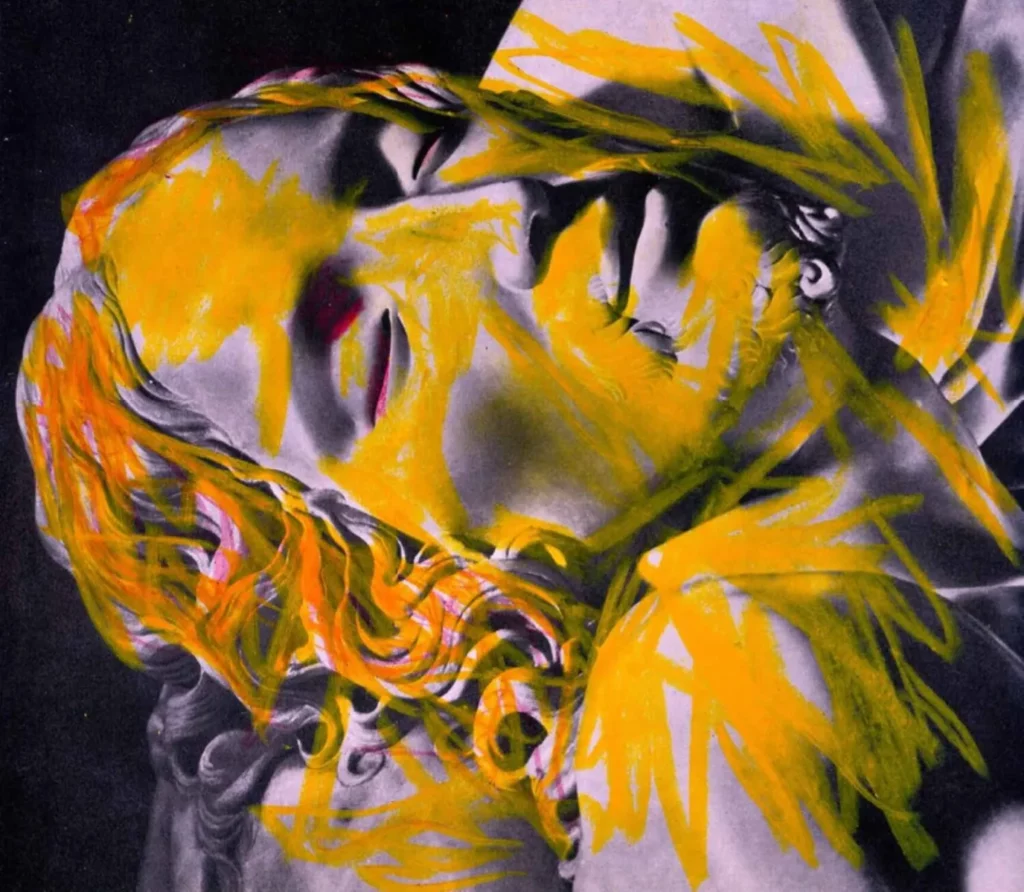
“Confessions” by Serrano is also available on Singulart. In his relentless examination of the forbidden subjects, Serrano probes the viewers in their own inherited prejudices and sentiments, hence inviting to the reflection about the complexity of human life.
Are you looking for a masterpiece Andres Serrano?
Singulart presents exclusive limited edition pieces by Andres Serrano. To discover and acquire Serrano’s art, click on the artwork or the button below for more information!
Frequently Asked Questions
What did Andres Serrano do?
Born in New York City on August 15, 1950, Andres Serrano is an American photographer whose photograph Piss Christ (1987) depicting a crucifix immersed in urine caused a great deal of controversy and played a major role in the so-called culture wars of the late 1980s and early 1990s.
What kind of artist was Andres Serrano?
Andres Serrano is well-known for his expansive images that are infused with religious meaning. The most well-known work by Serrano is Piss Christ (1987), a now-famous photograph of a plastic crucifix immersed in the artist’s urine.
Conclusion
Andres Serrano’s The Morgue Series serves as a proof for the idea that art has power to make us think and transform established notions. Through the unsettling display of the imminent nature of death, Serrano invites us to confront what haunts us most: our own fear and anxiety about the subject of death. Although his work is very controversial, it still manages to awaken the essential questions of life, death, and the human existence. In the photos of The Morgue Series, we are struck by the poignancy and the ephemeral nature of being, and we realize that art allows us to contemplate life and the world.