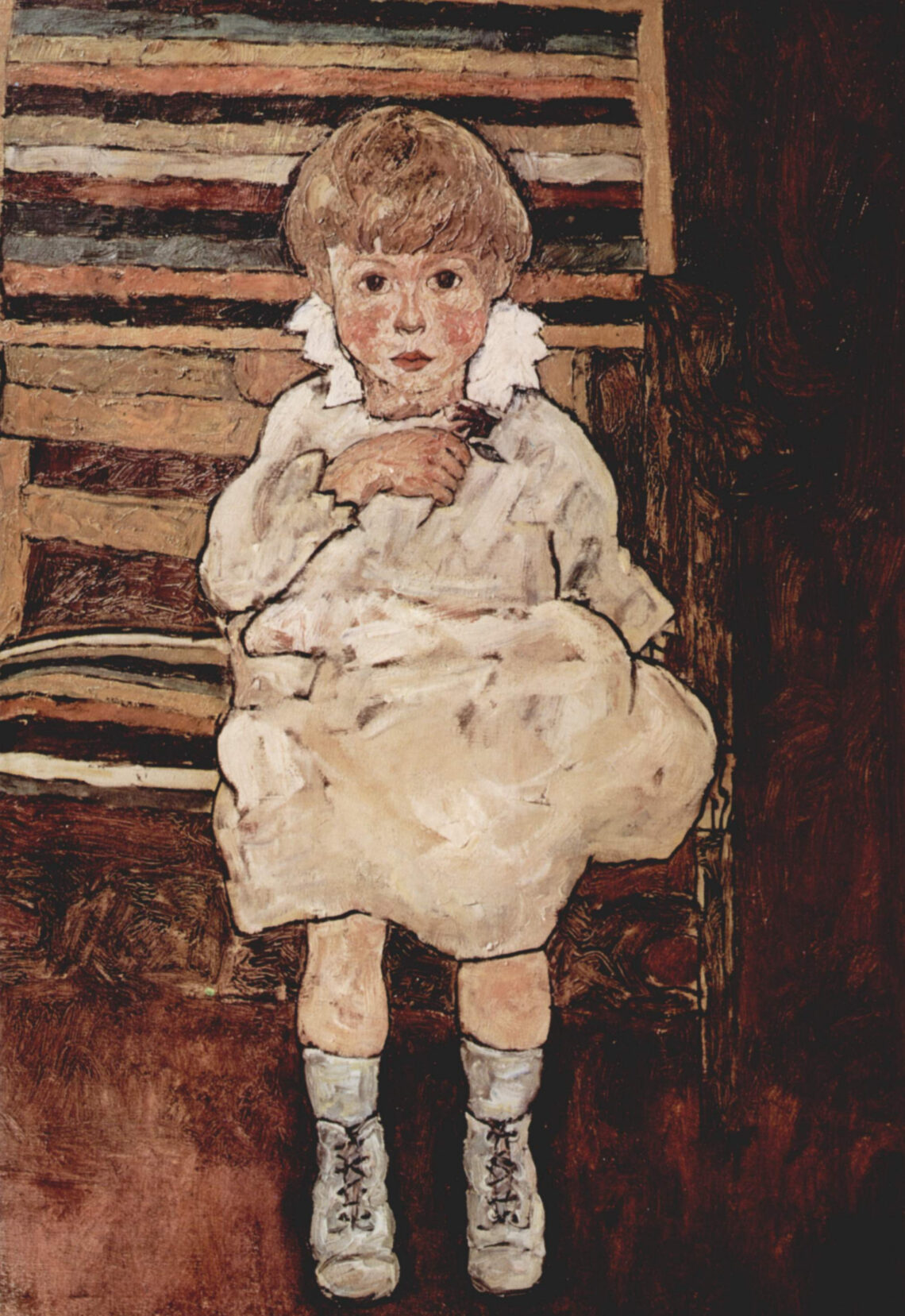
Egon Schiele was a beacon of Expressionism that transformed the artistic world by penetrating the hidden layers of human feelings. He was the one behind those controversial art works categorized with curved lines, warped figures and which still take the audience’s breath away. Amidst his remarkable body of art, “Seated Child“, is a clear evidence of Schiele’s ability to bring out the vulnerability and purity at a time when the world was in a state of complete chaos. In this article, we investigate the life and career of Egon Schiele, scrutinize the “Seated Child” painting, and unravel the deep-seated effect of this not-so-well-known masterpiece.
Who was Egon Schiele?
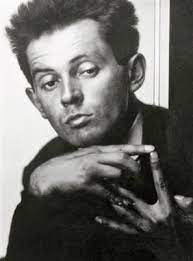
Egon Schiele, who was an Austrian painter born in 1890. He is one of the best-known painters in the Expressionist movement. He is well known for his strictly realistic and sometimes even controversial works. Schiele’s art focused on the intricacies of the human soul and it often concentrated on such themes as sex, death and human figure. His singular style, characterized by convoluted forms and vivid lines, clashed with the accepted narrative of art and society, making him a figure of controversy as well as respect within the art world.
FUN FACT: Egon Schiele is that he was known for his unconventional and provocative artistic style, which often challenged societal norms and conventions of his time. Despite facing controversy and criticism for his explicit depictions of the human body, Schiele remained committed to exploring themes of sexuality, identity, and the human psyche in his art.
His Career
Tragically, Schiele’s career was short-lived but nevertheless highly impactful. Having studied at the Academy of Fine Arts in Vienna, he quickly found his artistic voice, abandoning the conventional means for a more expressive and emotionally intense style of art. The brevity of his life—he died at the age of 28— did not hold Schiele back from establishing a remarkable body of work including self-portraits, portraits and landscapes.
What is Happening in Seated Child?

| Artist | Egon Schiele |
| Date Created | 1918 |
| Medium | Oil on canvas |
| Genre | Portrait |
| Period | Expressionism |
| Dimensions | 55.6 cm × 37.5 cm (21.9 in × 14.8 in) |
| Series/Versions | N/A |
| Where is it housed? | Leopold Museum, Vienna, Austria |
In one of his not widely-known, but profoundly touching paintings, “Seated Child,” Schiele reveals his deep understanding of the innocence and vulnerable nature of childhood. The painting was created in 1918 in the midst of the turmoil of World War I, when Schiele focused on the vulnerability of the human being in the context of dramatic social changes.
The picture shows a little boy sitting on a little wooden chair with his head downcast in meditation. Schiele deftly recreates the softness of the child’s face and the skilful folds in their clothing. With its muted color palette and minimalistic background, the painting highlights the inner thoughts of the child and causes the spectators to delve into their deeper feelings.
Interesting Facts about “Seated Child”
Personal Significance: Scholars believe that the child depicted in “Seated Child” is Schiele’s daughter, Gertrude, who tragically passed away at the age of one. This adds a profound layer of personal significance to the painting, transforming it into a poignant tribute to lost innocence.
Symbolism: The subdued color palette and minimalist composition emphasize the child’s vulnerability, serving as a poignant metaphor for the fragility of life amidst the chaos of war. Schiele’s masterful portrayal captures the essence of childhood with a sense of timelessness and universality.
Legacy: “Seated Child” remains a cornerstone of Schiele’s oeuvre, showcasing his ability to imbue seemingly mundane subjects with profound emotional depth. Its enduring relevance speaks to the power of art to transcend temporal and cultural boundaries, resonating with viewers across generations.
Artwork Spotlight: Couple Lamoureux
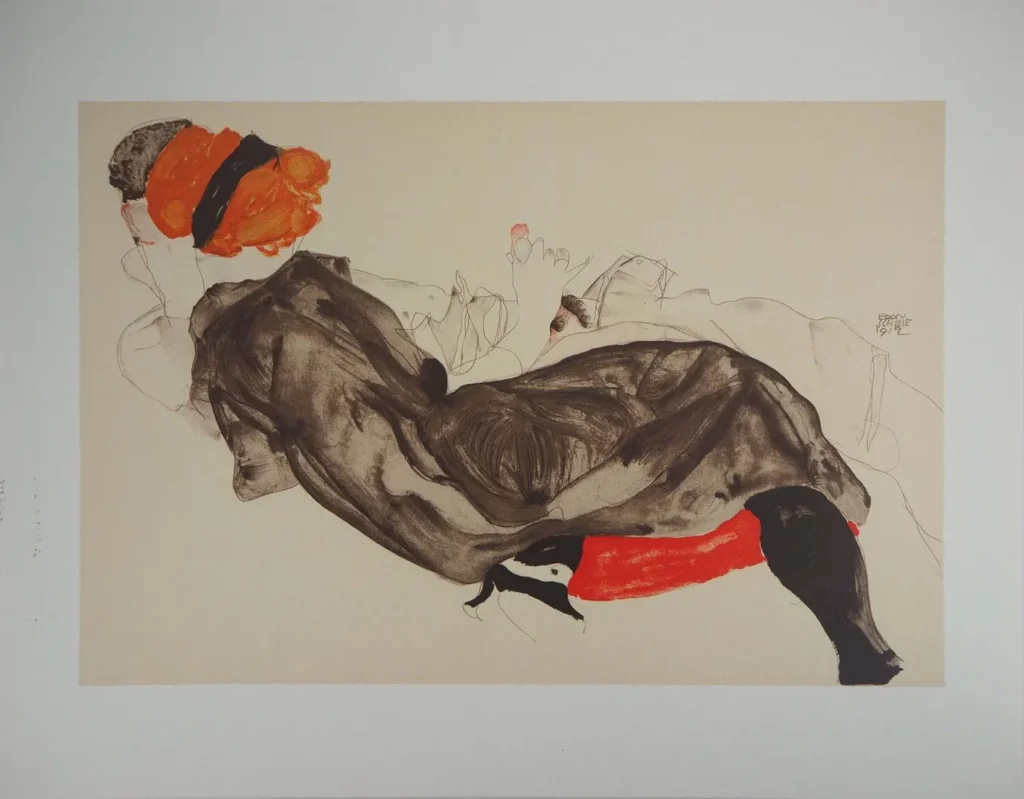
Schiele’s “Couple amoureux” (Loving Couple) is available on Singulart. This artwork is about intimacy and human relations with brutal sincerity. Schiele conveys the depth of emotions – passion and desire that are shared by two in love, calling upon the viewers to explore a world of instinctive feelings and emotions.
Are you looking for a masterpiece from Egon Schiele?
Singulart presents exclusive limited edition pieces by Egon Schiele. To discover and acquire Schiele’s art, click on the artwork or the button below for more information!
Frequently Asked Questions
What technique did Egon Schiele use?
Albert Elsen, an art historian, claims that Schiele created his free-flowing, flowing figurative works by utilizing Auguste Rodin’s continuous sketching approach.
What is Egon Schiele inspired by?
Schiele was greatly affected by the Jugendstil style, or German Art Nouveau, while he was a student at the Vienna Academy of Fine Arts (1907–09). The linearity and sensitivity of Schiele’s work are greatly influenced by the decorative beauty of Gustav Klimt, the leader of the Vienna Secession group, whom he met.
Conclusion
Egon Schiele’s “Seated Child” stands as a timeless testament to the enduring power of art to capture the essence of the human experience. In its portrayal of innocence amidst chaos, Schiele invites viewers to confront the complexities of existence and find solace in the beauty of the fleeting moment.