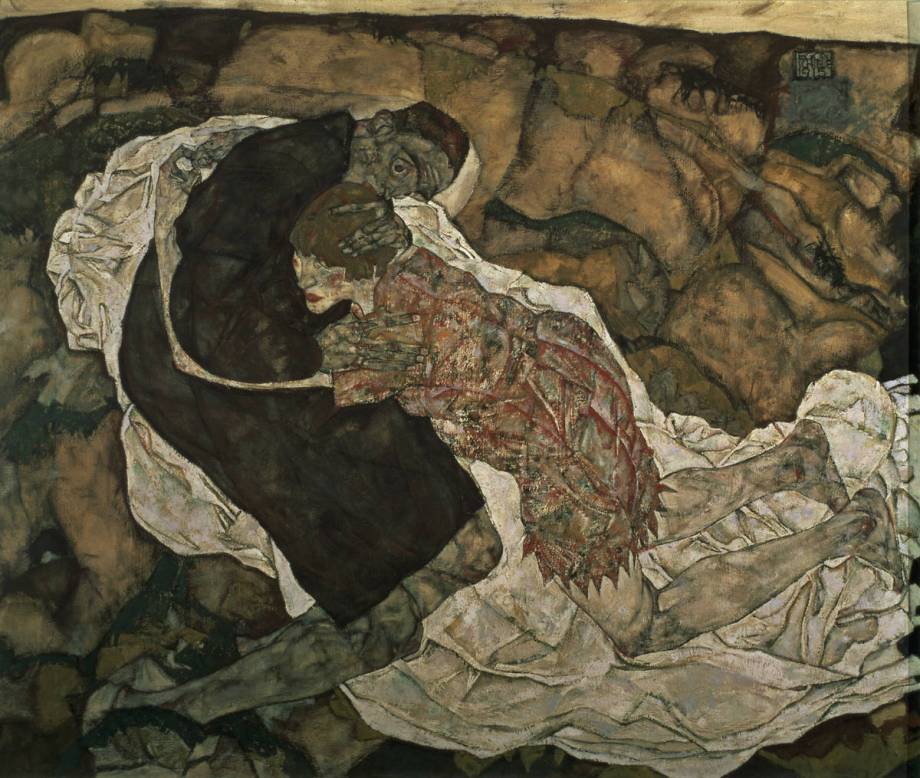
One of Schiele’s most well-known works is “Death and the Maiden.” This piece clearly demonstrates what kind of an artist he was. The 1915 film managed to details the themes of death, sexuality, and existential anxiety with unparalleled elegance and power. In this article, we will explore the life and career of Egon Schiele, discover what inspired “Death and the Maiden” and highlight the lasting contribution this work to the world of art.
Who was Egon Schiele?
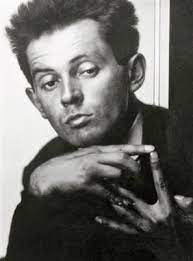
Egon Schiele, who was an Austrian painter born in 1890. He is one of the best-known painters in the Expressionist movement. He is well known for his strictly realistic and sometimes even controversial works. Schiele’s art focused on the intricacies of the human soul and it often concentrated on such themes as sex, death and human figure. His singular style, characterized by convoluted forms and vivid lines, clashed with the accepted narrative of art and society, making him a figure of controversy as well as respect within the art world.
FUN FACT: Egon Schiele was known for his unconventional lifestyle and artistic exploration of taboo subjects. He often shocked conservative society with his provocative artworks, which depicted themes of sexuality, mortality, and psychological turmoil.
His Career
Tragically, Schiele’s career was short-lived but nevertheless highly impactful. Having studied at the Academy of Fine Arts in Vienna, he quickly found his artistic voice, abandoning the conventional means for a more expressive and emotionally intense style of art. The brevity of his life—he died at the age of 28— did not hold Schiele back from establishing a remarkable body of work including self-portraits, portraits and landscapes.
What is Happening in “Death and the Maiden”?
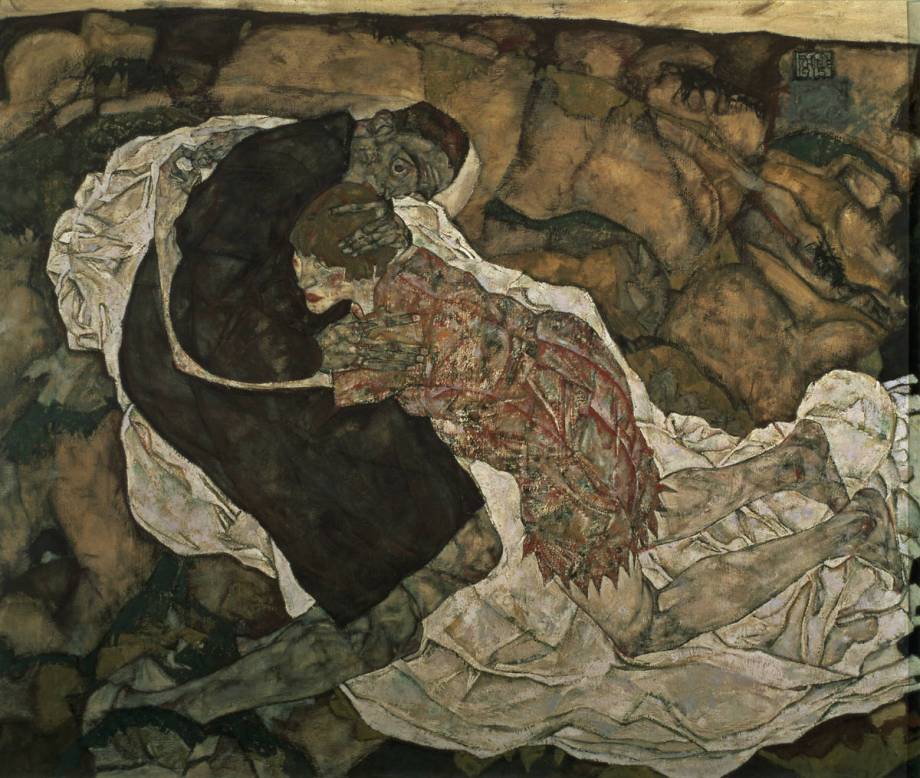
| Artist | Egon Schiele |
| Date Created | 1915 |
| Medium | Oil on canvas |
| Genre | Expressionism |
| Period | Modern |
| Dimensions | 150 cm × 180 cm (59 in × 71 in) |
| Series/Versions | N/A |
| Where is it housed? | Österreichische Galerie Belvedere, Vienna, Austria |
“Death and the Maiden” from 1915 is one of the most prominent paintings by Schiele. The mural presents a stunning and highly symbolic image, which features a skeleton personifying Death holding an innocent nude girl, the maiden. The contrast between life and death, innocence and decay, is vividly conveyed, which gives an impression of inevitable and frightful existential fear.
In the painting, the angular lines and the stark contrasts in Death’s skeletal form impart a sense of severity and starkness while the maiden’s body reflects extreme weakness and delicacy. The music is full of tension because Death’s embrace is an indication both of danger and a kind of strange familiar affection. The black hole looming behind them represents the vastness of the unknown and increases the suspense of the story.
Interesting Facts
“Death and the Maiden” reflects Schiele’s fascination with the themes of mortality and the human psyche, which permeated much of his oeuvre.
The painting’s composition and subject matter sparked controversy upon its unveiling, with critics condemning its perceived morbidity and erotic undertones.
Despite its initial reception, “Death and the Maiden” has since become one of Schiele’s most celebrated works, revered for its emotional depth and haunting beauty.
Artwork Spotlight: Autoportrait
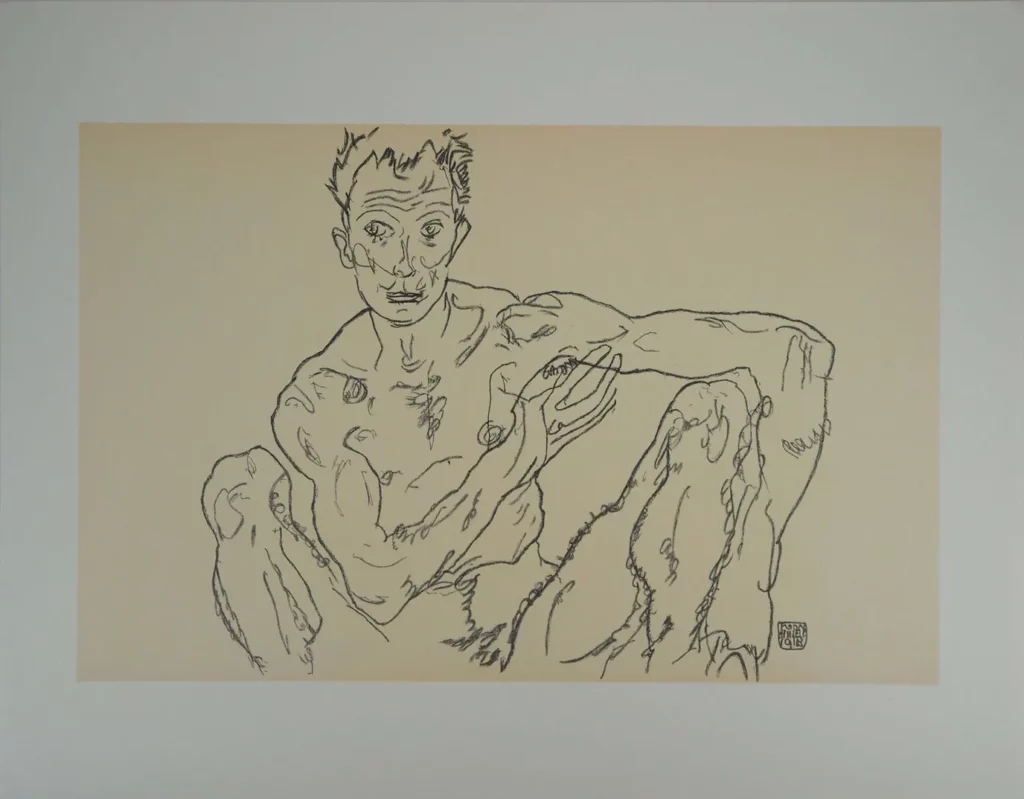
“Autoportrait,” by Schiele is available on Singulart. It is a candid and self-introspective example of the artist’s inner world. Through his scrutinizing look and effortless depiction of his own person, Schiele lets the viewers into his inner world, challenging the notions of identity and self-exploration with unparalleled courage and brutality.
Are you looking for a masterpiece from Egon Schiele?
Singulart presents exclusive limited edition pieces by Egon Schiele. To discover and acquire Schiele’s art, click on the artwork or the button below for more information!
Frequently Asked Questions
What technique did Egon Schiele use?
Albert Elsen, an art historian, claims that Schiele created his free-flowing, flowing figurative works by utilizing Auguste Rodin’s continuous sketching approach.
What is Egon Schiele inspired by?
Schiele was greatly affected by the Jugendstil style, or German Art Nouveau, while he was a student at the Vienna Academy of Fine Arts (1907–09). The linearity and sensitivity of Schiele’s work are greatly influenced by the decorative beauty of Gustav Klimt, the leader of the Vienna Secession group, whom he met.
Conclusion
Egon Schiele’s “Death and the Maiden” remains the audience’s favourite art piece with its insightful exploration of life, death, and human experience. As an immortal symbol of Schiele’s legacy, this painting will always be a benchmark of art’s ability to capture the complex nature of life and encourage us to look inward.