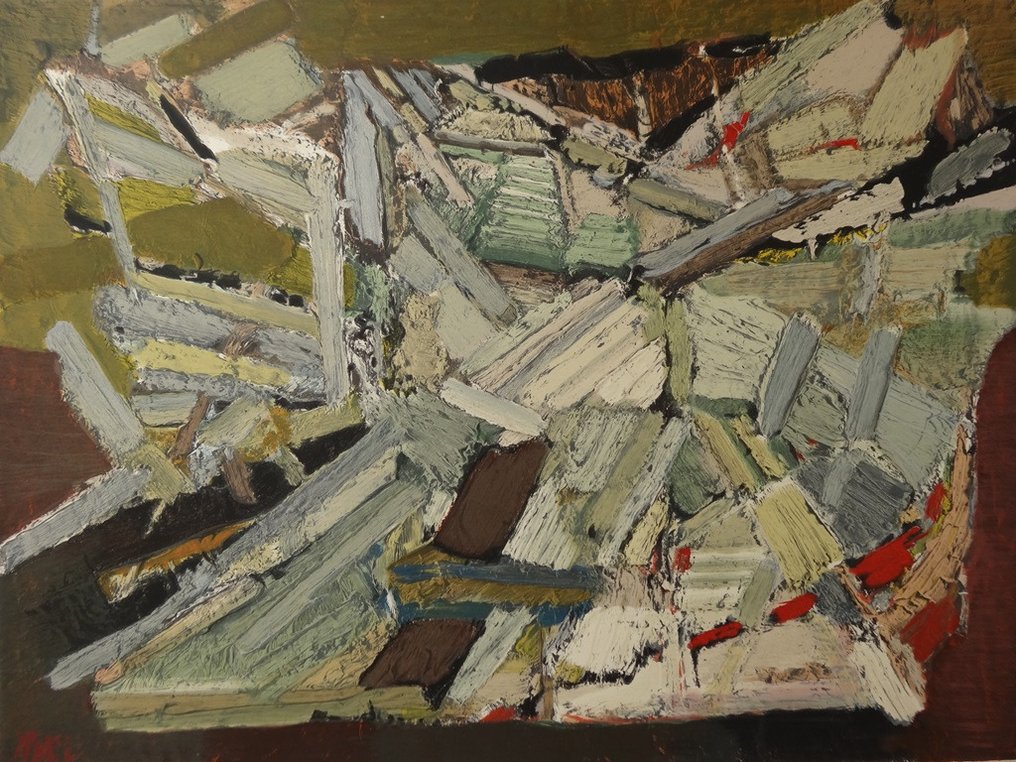
Nicolas de Staël, one of the key artists within abstract expressionism, made a lasting impression on the world of art with his outstanding masterpieces. In the middle of his great work, “Abstract Composition“, he proved his brilliance in form, color and emotion. In this article, we explore the life, career development, and the famous painting “Abstract Composition” of Nicolas de Staël.
Who was Nicolas de Staël?
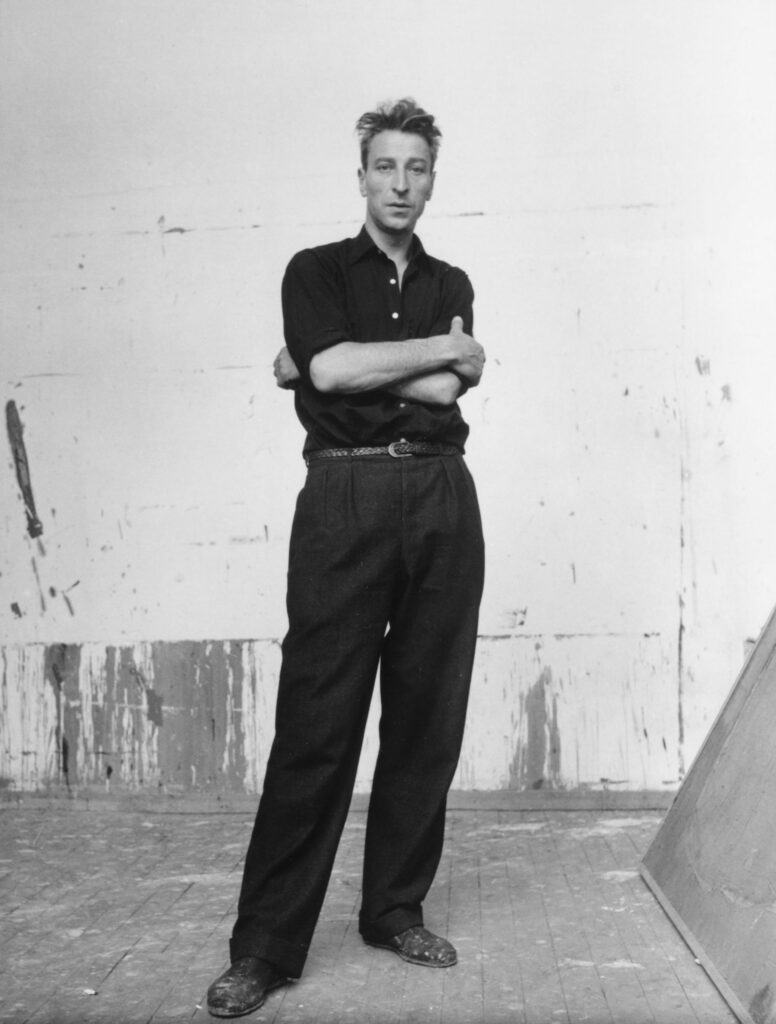
Nicolas de Staël was Russian artist but he lived and worked in France. He was born on January 5, 1914. The original name of his was Nikolai Vladimirovich Stael von Holstein, but he eventually renamed himself Nicolas de Staël. He left Russia in the Russian Revolution and settled in Brussels with his family finally. DeStaël’s artistic career began back in 1930s when he moved to Paris for painting.
FUN FACT: Nicolas de Staël was known for his unique painting technique involving thickly applied layers of paint using a palette knife. This technique gave his paintings a distinctive texture and dynamic energy, contributing to his distinctive style.
His Career
Stael’s artistic career development went through various stages, each of which was characterized by the efforts and experiments. Firstly, he was influenced by Cubism and Fauvism, later, in the abstract, he became a prominent figure of the Abstract Expressionist movement. His painting was represented by strong, expressive brushwork and bright color palette.
Throughout his career, de Staël focused on different subjects such as landscapes, still life, however his abstract compositions attracted wide recognition. His own individual approach to abstraction using geometrical elements along with expressing brushwork defined him as a visionary artist of his time.
What is Happening in “Abstract Composition”?
| Artist | Nicolas de Staël |
| Date Created | 1953 |
| Medium | Oil on canvas |
| Genre | Abstract Expressionism |
| Period | Post-War |
| Dimensions | 162 cm × 130 cm |
| Series / Versions | N/A |
| Where is it housed? | Private Collection |
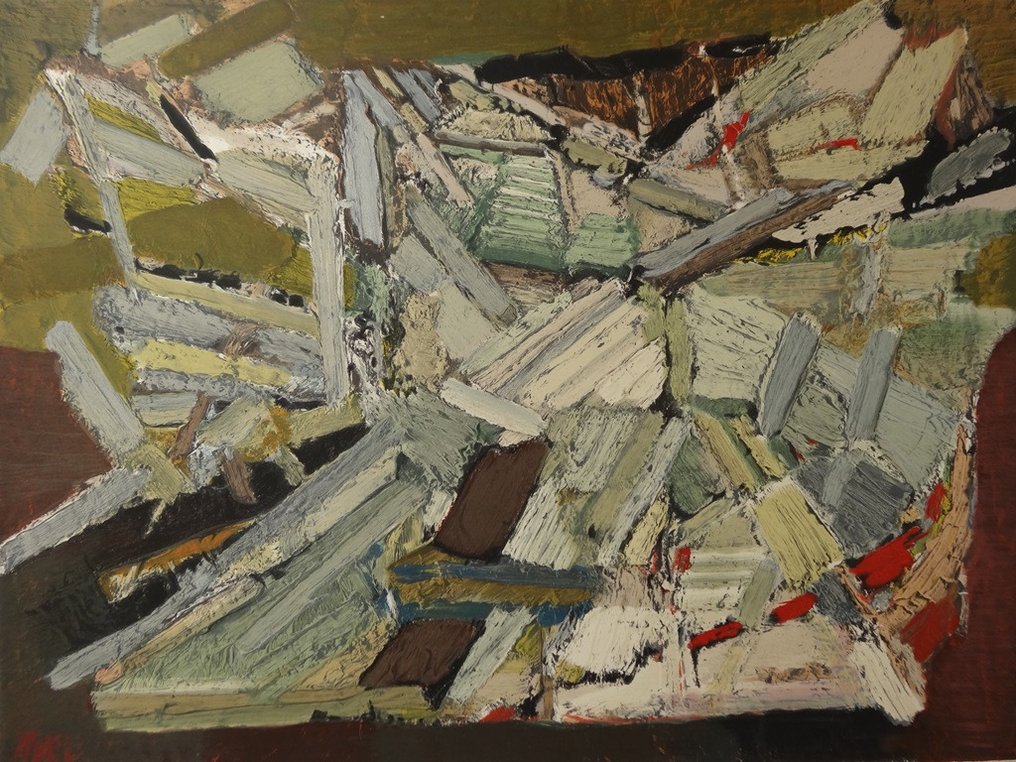
“Abstract Composition” is the evidence of de Staël’s great talent for abstract expressionism. Established in 1953, the artwork embodies the style of the artist that involves unique color and form compositions. The picture is typified by daring, expressive brushwork and a vivacious, energetic color scheme, reflecting a sense of power and motion.
The juxtaposition of geometric shapes and flowing moves results in a dynamic conflict that calls the viewer to muse over the interconnection between order and chaos. The use of colors by de Staël makes the artwork more expressive, from the fiery reds to the peaceful blues.
Analysis of “Abstract Composition”
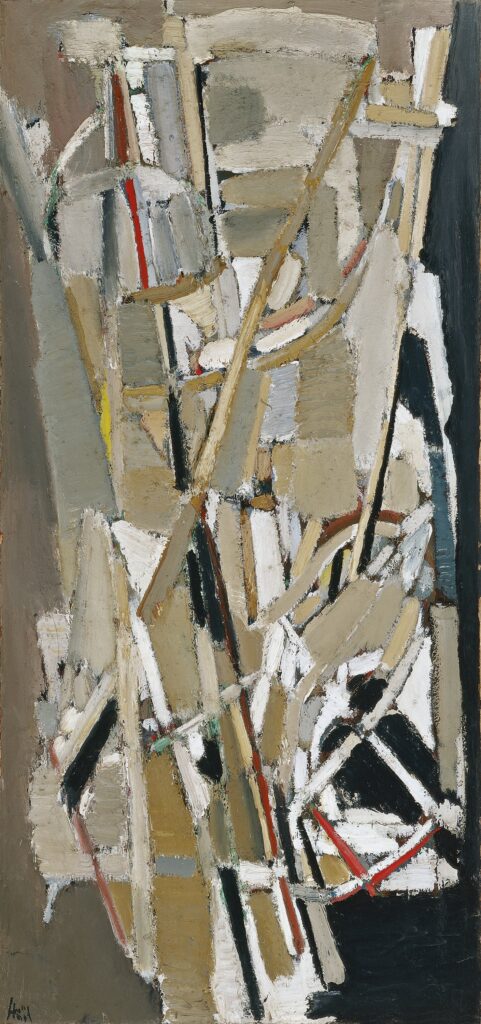
“Abstract Composition” is undoubtedly a manifestation of de Staël’s abstract style, staying true to the bold experimentation with shape and color. The artwork displays the artist’s enthusiasm for the artistic qualities of paint as he molds the medium to create exciting textures and surfaces.
One interesting feature of the “Abstract Composition” of de Staël is the effect of layering and transparency that he uses. The layers of paint stacked up each other present the depth and the complexity of the picture as a whole, making it possible for the viewers to interact with it through different levels.
The most significant aspects of his artistic style is the intuitive way he arranges his compositions. Instead of being limited by strict formal rules, de Staël leads his brushstrokes, creating a lively interplay between the unplanned and the well-planned.
Interesting Facts
Crossing Boundaries: De Staël’s artistic endeavors were not limited to a single medium of expression. In addition to painting, he tested his skill in sculpture and printmaking and confirmed his artistry.
Influence of Music: De Staël was deeply influenced by music, often drawing parallels between the rhythmic structure of music and the visual compositions in his artwork. He once remarked, “Painting is a blind man’s profession. He paints not what he sees, but what he feels, what he tells himself about what he has seen.”
Transitional Period: The year 1952 was a turning point in de Staël’s career as an artist. It was at this point that he really adopted the abstraction, leaving behind the representational forms to research the possibilities of the color and form in the expression.
International Recognition: The notoriety of his work became an international issue during his life, with exhibitions held in the main art cities such as Paris, New York and London. His dashing, non-traditional style drew attention of art lovers everywhere, which gradually has made him one of the leading figures in the art world.
Legacy of Innovation: Sadly, de Staël died too early of old age, but still he continues to inspire generations of artists. His brave experiment with color and form became the basis of later developments such as Color Field painting and Abstract Expressionism, making him remain the most influential artist of the modern period.
Mysterious Disappearance: The surrounding circumstances of de Staël’s death remain mysterious. Whilst some believe it to be a manifestation of personal struggle and mental health issue, others argue about the problems of artistic success and turbulent political climate after the war.
Artistic Evolution: “Composition abstraite bleu et rouge” exemplifies de Staël’s evolution as an artist. Created in 1952, it showcases his mastery of abstraction and his ability to evoke emotion through color and form. The bold juxtaposition of blue and red highlights the tension between opposing forces, inviting viewers to contemplate the deeper meaning behind the composition.
Artwork Spotlight: Composition abstraite bleu et rouge
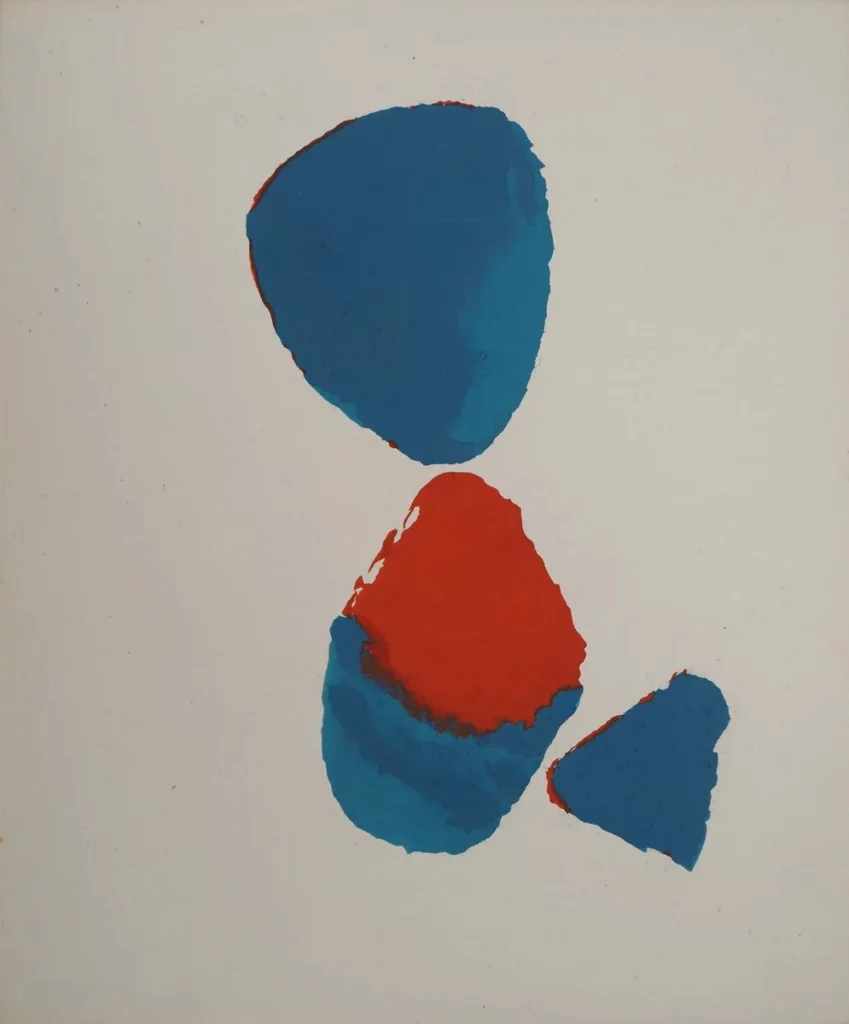
The artwork entitled “Composition abstraite bleu et rouge” is available on Singulart. Created in 1952, it is one of the best examples of his ability to be abstract and it is also one of his most iconic works.
Are you looking for a piece of artwork from Nicolas de Staël?
Singulart has limited edition prints of Nicolas de Staël. If you are looking for a piece of Staël’s artwork for sale, simply click on the artwork or the button below to discover more!
Conclusion
Nicolas de Staël’s “Abstract Composition” is an enduring true classic, where you can observe the artist’s novel method in abstract expressionism. By using strong brushstrokes and vibrant colors de Staël urges spectators to contemplate the interaction between form and emotions. The more we divulge the intricacies of this emblematic work of de Staël, the more admiration we gain for her ever-lasting legacy in abstract stage.