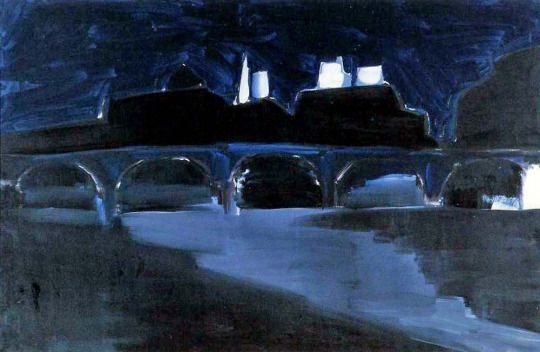
Nicolas de Staël, a giant of 20th-century art, left a lasting impression upon the world of painting that continues to this day with his bold methods and emotional masterpieces. De Staël being born in Russia and settling in France later, his trail through unstable time framed his particular view of art. The “Landscape Under Snow” is a glowing example of his talent of depicting the nature with abstraction. In this article, we are going to take a look at the life and career of Nicolas de Staël, disclose the featured painting “Landscape Under Snow,” and unveil the secrets lying behind this popular artwork.
Who was Nicolas de Staël?
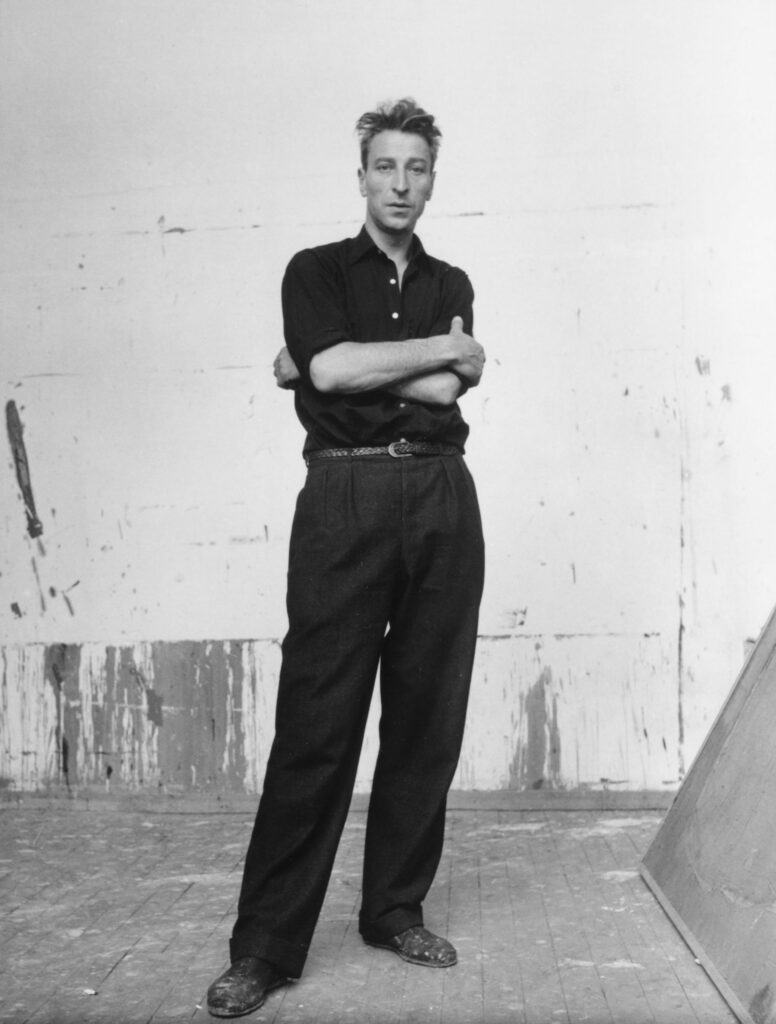
Nicolas de Staël was Russian artist but he lived and worked in France. He was born on January 5, 1914. The original name of his was Nikolai Vladimirovich Stael von Holstein, but he eventually renamed himself Nicolas de Staël. He left Russia in the Russian Revolution and settled in Brussels with his family finally. DeStaël’s artistic career began back in 1930s when he moved to Paris for painting.
FUN FACT: Nicolas de Staël was not only a talented painter but also a skilled musician. He played the piano and violin, and it’s said that his love for music influenced the rhythmic and harmonious qualities of his paintings.
His Career
Stael’s artistic career development went through various stages, each of which was characterized by the efforts and experiments. Firstly, he was influenced by Cubism and Fauvism, later, in the abstract, he became a prominent figure of the Abstract Expressionist movement. His painting was represented by strong, expressive brushwork and bright color palette.
Throughout his career, de Staël focused on different subjects such as landscapes, still life, however his abstract compositions attracted wide recognition. His own individual approach to abstraction using geometrical elements along with expressing brushwork defined him as a visionary artist of his time.
What is Happening in Landscape Under Snow?
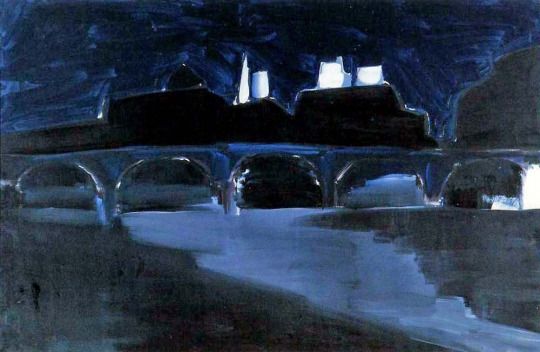
| Artist | Nicolas de Staël |
| Date Created | 1954 |
| Medium | Oil on canvas |
| Genre | Abstract |
| Period | 20th century |
| Dimensions | 73 x 92 cm |
| Series/Versions | N/A |
| Where is it housed? | Private collection |
The painting “Landscape Under Snow” by Nicolas de Staël is one of his renowned pieces, where he reveals his skills in the use of color and form. In 1954, a year before his unfortunate passing, this art was crafted in a unique style that de Staël is known for and his ability to communicate emotions through abstraction.
In “Landscape Under Snow,” de Staël depicts a serene winter scene painted with bold, sweeping brushstrokes and vivid colors. The composition is mainly made up of blocks of blue, white, and gray that convey the serenity and stillness of the snowy landscape. The paint which is applied thickly generates a sensation of texture and depth and helps the viewer to lose himself in the landscape.
Though it is abstract, the painting “Landscape Under Snow” exudes a harmony which every stroke contributes to the final composition of the painting. To De Staël’s use of color and light, it seems a game between form and atmosphere, where the boundaries of representation and abstraction are blurred.
Analysis
On the surface, the painting looks as if it is just a landscape of snow but when we delve deeper into its details, we can see its intricacy and depth.
The big and energetic strokes of de Staël create a scene not only visually but convey movement and sensation too. With each stroke a solemn depiction of snow-covered branches dancing in the wind comes to life on the canvas. The color palette of the artist is also notable, with bright blue and white colors juxtaposed against more neutral grays, creating a harmonious yet dynamic interplay of light and shadow.
However, behind the disorder of strokes and color, there is a great accomplishment of harmony and equilibrium. De Staël’s supremacy lies in his capacity to pull out the essence of the landscape, which in turn allows him to filter out the unnecessary details and make the landscape’s truthful emotions visible. Doing this way, he asks viewers to go beyond the realm of the physical reality, and to come into contact with the higher and more universal levels of the human existence.
Interesting Facts about “Landscape Under Snow”
Inspiration from Nature: De Staël was known for his deep connection to nature, often drawing inspiration from the landscapes he encountered. “Landscape Under Snow” reflects his fascination with the changing seasons and the transformative power of winter.
Expressive Technique: De Staël’s bold, gestural brushwork in “Landscape Under Snow” exemplifies his innovative approach to painting. He believed in the power of spontaneity and intuition, allowing his emotions to guide his creative process.
Legacy of Influence: “Landscape Under Snow” remains a testament to de Staël’s enduring legacy as a pioneer of abstract art. His influence can be seen in the work of subsequent generations of artists, who continue to explore the boundaries of abstraction and expression.
Artwork Spotlight: Paris: La Tour Eiffel
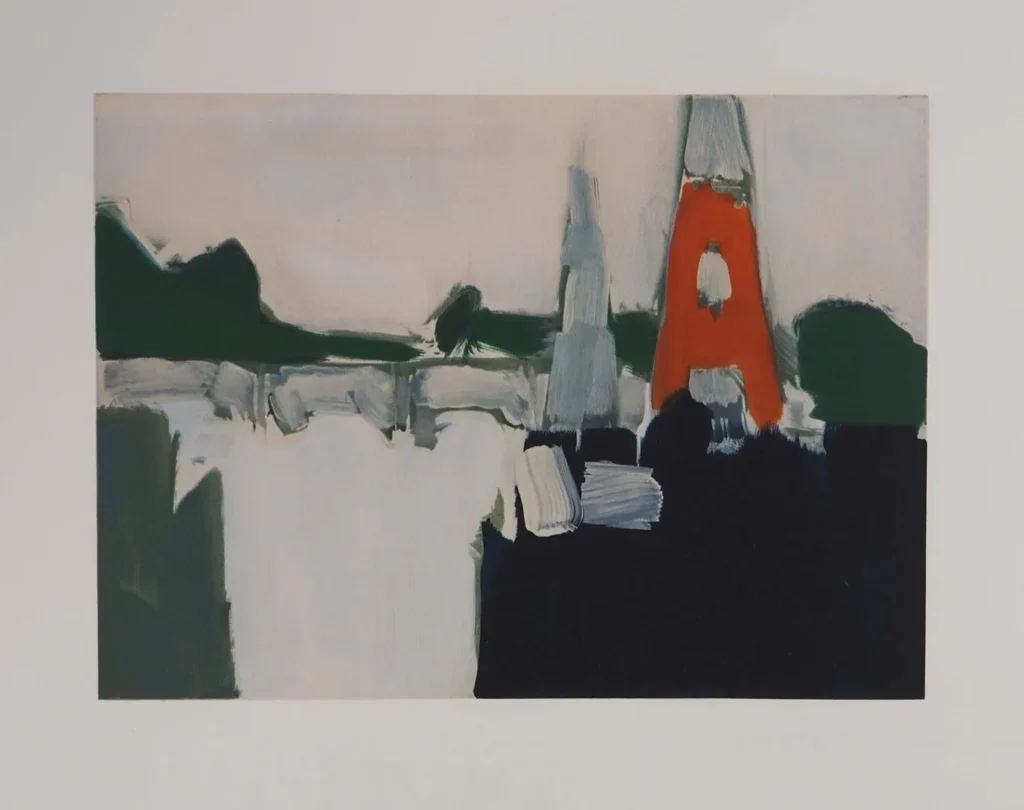
Staël’s artwork “Paris: La Tour Eiffel” is also available on Singulart. This artwork exemplifies his unique style and vision. This painting, created in 1953, captures the iconic landmark of the Eiffel Tower in a bold and dynamic composition. De Staël’s use of vibrant colors and dynamic brushwork infuses the scene with energy and vitality, showcasing his mastery of form and light.
Are you looking for a piece of artwork from Nicolas de Staël?
Singulart has limited edition prints of Nicolas de Staël. If you are looking for a piece of Staël’s artwork for sale, simply click on the artwork or the button below to discover more!
Conclusion
“Landscape Under Snow” by Nicolas de Staël becomes a salient illustration of his artistic talent and the uniqueness of his imagination. By introducing bold colors and imaginative shapes, de Staël invites the visitors to perceive nature in a fresh and deep way. It is the immortal piece that people have kept on to date, stimulating reflection and admiration through the ages. Whether we consider his impact on art or the eternity of his vision, de Staël’s contribution to the world is definitely legendary.