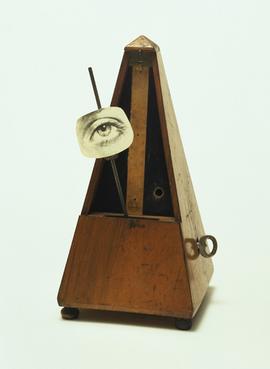
Man Ray, being one of the protagonists of Dada and Surrealist movements, pointed out many unconventional masterpieces which denied conventional views on art and reality. Among his most interesting works is “Object to Be Destroyed,” which is not just a beautiful work of art but also carries a story of conflict and perseverance.
Who was Man Ray?
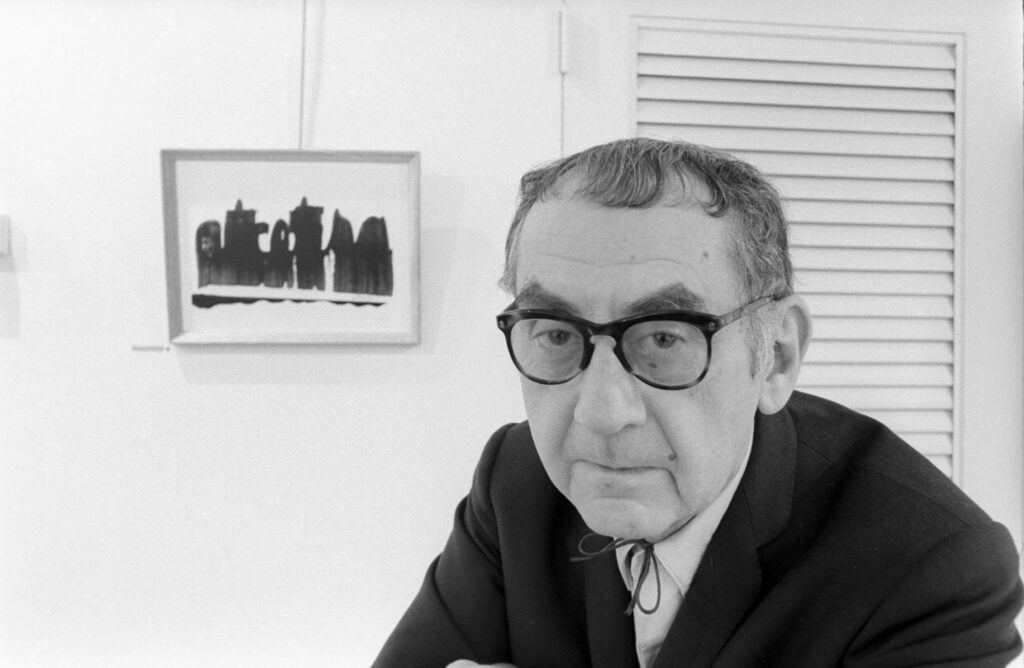
Man Ray was born in Philadelphia in 1890, who went on to become one of the leading artists and pivotal figures in the avant-garde Dada and Surrealist movements of the early twentieth century. He started with painting and was first acknowledged in photography, sculpture and movie creation. Man Ray often worked without boundaries, using diverse media and accident as well as experimentation in his artworks. He moved the art world away from conventional concepts, thus becoming a pioneer of modern art.
FUN FACT: Man Ray had a knack for turning everyday objects into art, even in his downtime.
His Career
Man Ray’s artistic creativity started early in his life and he experimented with many artistic styles during his long career. In the 1910s, he relocated to New York City, which became the center of his association with the avant-garde circles of Greenwich Village. This was the period of his career when he took the first steps in experimenting with photography, using solarization and multiple exposures techniques to get surrealist and abstract pictures.
In the 1920s, Man Ray moved to Paris, where he fully immersed himself into the Dada and Surrealist movements. He worked with other artists like Marcel Duchamp and André Breton to expand the limits of artistic norms through his unique photography and assemblage.
Man Ray’s work was relentlessly in progress, which echoes his search for ever new ideas and approaches. He was an influential person in the artistic world until his death in 1976, and he left a legacy of creativity and innovation that artists still admire, even up to this day.
What is Happening in Object to Be Destroyed?
| Artist | Man Ray |
| Date Created | 1923 |
| Medium | Assemblage |
| Genre | Surrealism, Dada |
| Period | Modernism |
| Dimensions | 22.9 x 10.2 x 10.2 cm |
| Series/Versions | N/A |
| Where is it housed? | The Museum of Modern Art, New York |
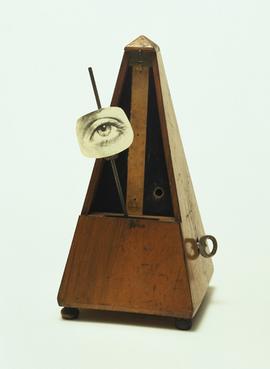
Object to Be Destroyed represents the artist Man Ray’s skill in synthesizing conceptual art with individual expression. Born in 1923, the artwork is a metronome with its arm replaced by a picture of an eye. The title of the picture is written on the photograph and this mystery is added to the otherwise normal object.
Man Ray’s Object to Be Destroyed might appear deceptively simple at first glance, a mere marriage of photography and sculpture. But a closer inspection unlocks its deeper message. The inclusion of an eye hints at themes of privacy, observation, and even a sense of being scrutinized. The metronome’s rhythmic swing further amplifies this feeling of surveillance, creating a palpable tension between the observer and the observed.
The title itself, Object to Be Destroyed, adds another dimension to the work’s meaning. While Man Ray initially intended to call it Object of Destruction, he later changed it at the suggestion of Marcel Duchamp. This shift reflects the Surrealist movement’s fascination with the transformative power of art, and the artist’s desire to challenge established ideas of permanence and stability.
Interesting Facts
“Object to Be Destroyed” was initially created as a response to the end of Man Ray’s tumultuous love affair with fellow artist, Lee Miller. The photograph of the eye is believed to be a portrait of Miller, symbolizing Man Ray’s desire to move on from the relationship.
In 1932, Man Ray created a second version of “Object to Be Destroyed,” replacing the photograph of the eye with a cut-out image of a woman’s lips. This version, titled “Object of Destruction,” was intended as a commentary on the objectification of women in society.
The original “Object to Be Destroyed” was lost during World War II but was recreated by Man Ray in 1957. He produced several authorized replicas of the artwork, ensuring its legacy would endure despite the challenges it faced.
Artwork Spotlight: Untitled – 3
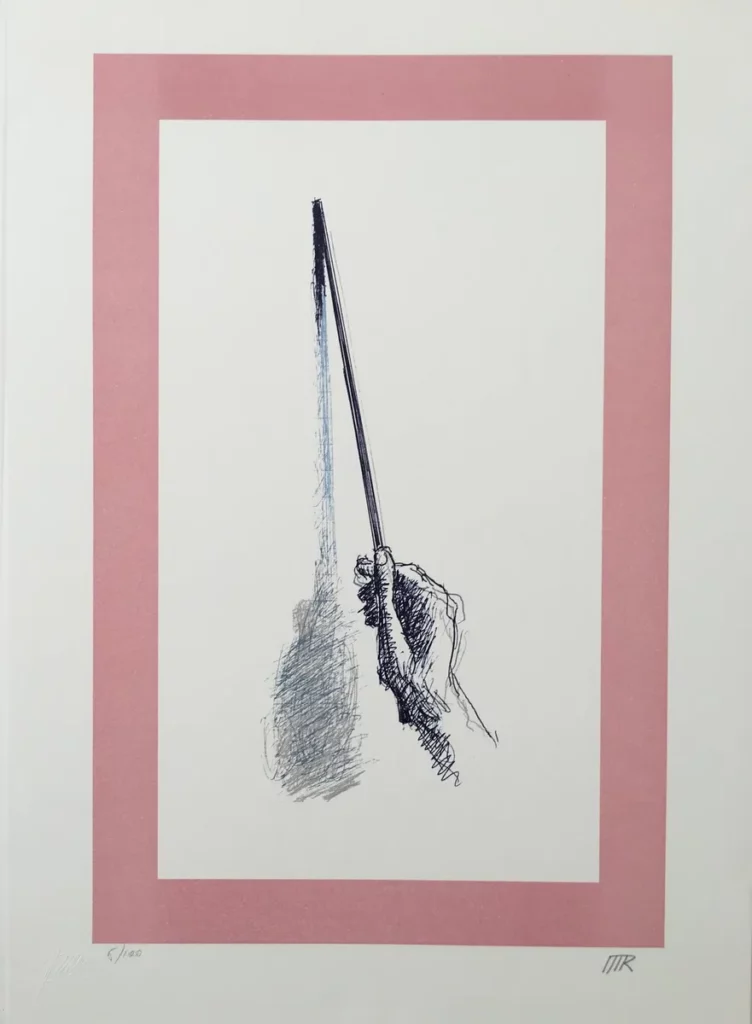
Man Ray’s “Untitled – 3” is also available on Singulart. Based on Ray’s trademark photogram method, “Untitled – 3” depicts seemingly floating abstract shapes and forms, drawing the audience into a state of awe and awe, as they ponder upon the essence of the unseen world.
Are you looking for a masterpiece from Man Ray?
Singulart presents exclusive limited edition pieces by Man Ray. To discover and acquire Ray’s art, click on the artwork or the button below for more information!
Frequently Asked Questions
What was Man Ray best known for?
He was a well-known fashion and portrait photographer, but he was most recognized for his innovative photography. His work with photograms, which he referred to as “rayographs” in reference to himself, is very well known.
What technique did Man Ray use?
Ray’s two primary techniques were the use of solarization and his preferred rayographs. By immediately placing an object on photosensitive paper and subjecting it to light, he was able to obtain photograms, which are images of objects with varying intensities of tone transferred onto them.
Conclusion
Man Ray’s “Object to Be Destroyed” transcends the boundaries of traditional art forms, fusing photography and sculpture into a captivating exploration of identity, perception, and the passage of time. This playful yet thought-provoking piece exemplifies Man Ray’s creative spirit and his relentless pursuit of pushing artistic boundaries. Even today, “Object to Be Destroyed” continues to enthrall audiences, sparking conversations about the very essence of art and its connection to life.