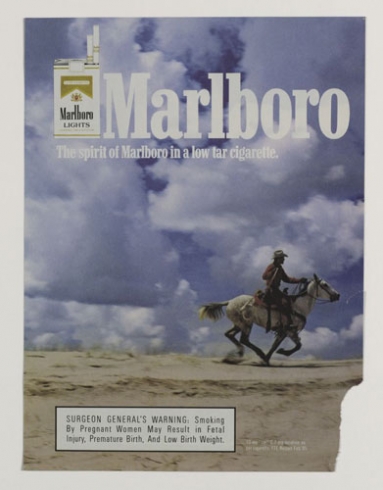
In the great fabric of contemporary art, some works appear to be iconic, forcing our perceptions out of the box and providing us with opportunities to think and feel deeply. The Marlboro Man by Richard Prince being a representative example, it is a beacon of artistic ingenuity and cultural analysis. Through the character of the quintessential American cowboy, Prince transports us beyond the images into the depths of identity, consumerism, and creation of cultural narratives.
Who was Richard Prince?
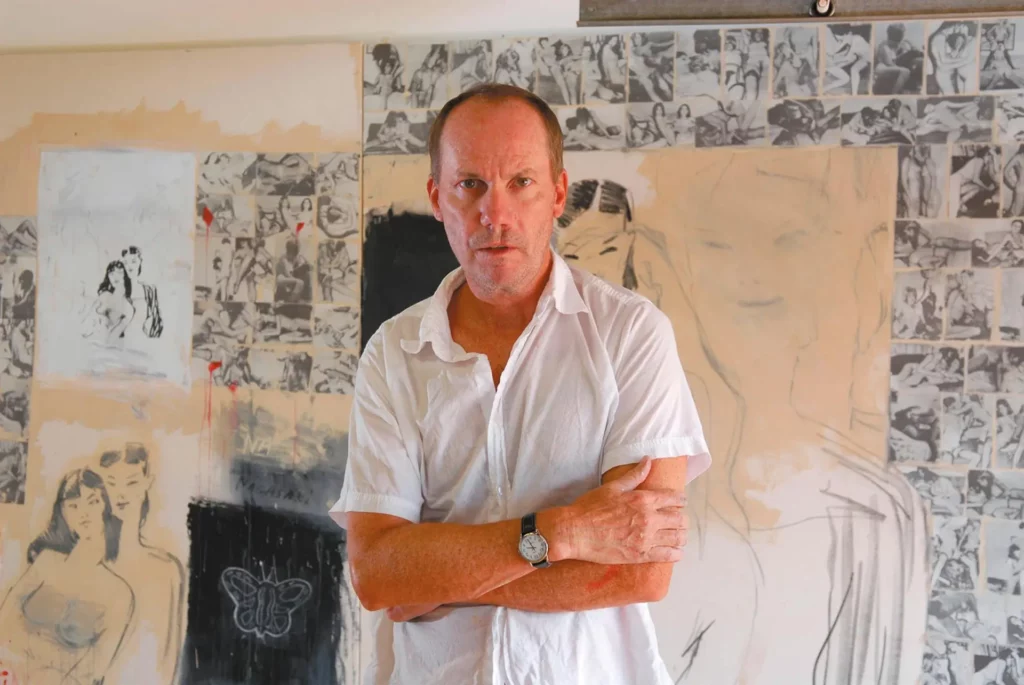
Richard Prince, a significant figure in contemporary art of America, is popular for his challenging works of art. Born in 1949 in the Panama Canal Zone, the photographer’s career is marked by his use of advertising imagery, popular culture, and mass media, with the consequence of problematic ideas of authorship, ownership, and originality. He tackles the topics such as consumerism and sexuality at the same time as calling for discussion of a nature of high and low culture.
FUN FACT: In 2014, Prince collaborated with the luxury fashion brand Louis Vuitton to create a limited edition collection of handbags.
His Career
The late 1970s and early 1980s saw Prince ascending to fame with his “rephotography” series, where he photographed advertisements, and presented them as his own art blurring originality and replication. He developed this method into his trademark. Overtime, his work evolved to painting, sculpture, and installation while he has kept his criticism on society that media-saturated.
What is Happening in The Marlboro Man?
| Artist | Richard Prince |
| Date Created | 1980s |
| Medium | Rephotography |
| Genre | Contemporary Art |
| Period | Postmodern |
| Dimensions | Varies |
| Series/Versions | Marlboro Man series |
| Where is it housed? | Various private collections, museums, and galleries worldwide |
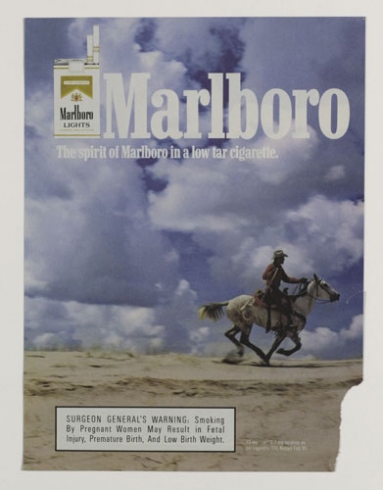
Among Prince’s masterpieces is his “Marlboro Man” series. This series resulted in his shining in the art world and is still an object of interest for both critics and enthusiasts. The Marlboro Man campaign consists of rephotographed pictures from earlier advertisements of Marlboro cigarettes that featured manly cowboys in gorgeous sceneries.
In his version, Prince scraps all copy and labels, leaving with just the singular cowboy figure. Through the singling out of these archetypal symbols of American male role, Prince allows the viewers to think over the making of identity and the role of imagery in the process of shaping the culture.
Interesting Facts About the Artwork
Provocative Transformation: Prince’s decision to appropriate the Marlboro advertisements and strip them of their branding was a bold move that challenged conventional notions of copyright and ownership in the art world. This act of transformation highlights the power of artistic intervention in reshaping cultural artifacts.
Cultural Critique: Through Marlboro Man, Prince critiques the romanticized image of the American cowboy perpetuated by advertising. By removing the cigarette branding, he draws attention to the manipulation of imagery in promoting products and constructing societal ideals.
Controversial Reception: While Marlboro Man garnered widespread acclaim in the art world, it also sparked controversy and legal challenges. Prince’s appropriation of commercial imagery raised questions about intellectual property rights and the boundaries of artistic freedom.
Cultural Iconography: The Marlboro Man has become an enduring symbol of American culture, representing rugged individualism and the mythos of the American West. Prince’s deconstruction of this iconic figure forces viewers to confront the constructed nature of such archetypes and the narratives they propagate.
Influence on Contemporary Art: Prince’s Marlboro Man series has had a profound influence on contemporary art, inspiring subsequent generations of artists to explore themes of appropriation, consumerism, and mass media imagery in their work.
Artwork Spotlight: 18 & Stormy

“18 & Stormy” by Richard Prince is also available on Singulart. This artwork stages both text and image, disrupting the conventional notions of authorship. The work is a prime example of his usual practice of repurposing existing elements of mass culture.
Are you looking for a piece of artwork from Richard Prince?
Singulart has limited edition prints of Richard Prince. If you are looking for a piece of Prince’s artwork for sale, simply click on the artwork or the button below to discover more!
Frequently Asked Questions
What is Richard Prince best known for?
Richard Prince, an American artist born in 1949, is renowned for his contributions to Appropriation Art. Originally hailing from the Panama Canal Zone, Prince spent his formative years in Massachusetts before relocating to New York in 1977. It was during his tenure preparing magazine clippings for Time-Life that Prince’s fascination with advertising and consumer imagery was sparked, laying the foundation for his groundbreaking artistic endeavors.
Where did Richard Prince live?
Richard Prince was born in the Panama Canal Zone in 1949, which was then a part of the United States. In 1954, he relocated to a Boston suburb. He relocated to New York in 1973 after submitting an unsuccessful application to the San Francisco Art Institute, where he got acquainted with Conceptual art.
Conclusion
Richard Prince’s Marlboro Man surpasses its role of a simple ad campaign to give a powerful insight into the correlations of culture, trade, and identity. In rephotographing the icons, Prince asks the viewers to rethink the stories that the images embody and to examine the narratives that shape our perspective of the world.