Yaacov Agam, who is well-known in the art world, is one of the giants whose name is synonymous with creativity and novelty. Agam, known for his innovations in kinetic art and optical illusion. He made his name by creating astonishing Agamograph Series. His creative vision shatters the rigid norms of art, creating an energetic ambience that captivates viewers into a never-ending, exclusive world wherein perceptions are constantly changing. Now, let us together plunge into the captivating realm of Agam and discover the unparalleled appeal of his famous Agamograph series.
Who was Yaacov Agam?
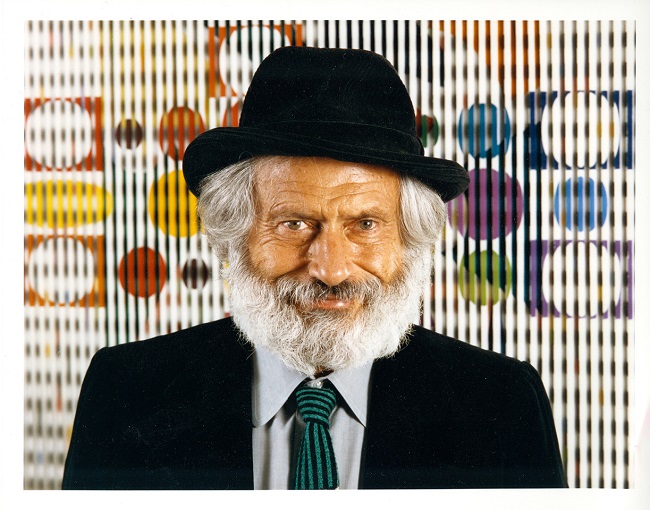
Yaacov Agam, who was born in 1928 in Israel, was one of the earliest pioneers of kinetic art and optical illusions. Through his own unique style of art that superseded traditional limitations, he became an inspiration for the whole world for his stimulating and engaging artworks. Agam’s visual imagination created the theme of visual transformation, which paves the way for the viewers to become an active participant in his art form and to explore the uncharted perceptions.
FUN FACT: Did you know that he was not only a master of visual art but also dabbled in music? Agam was a talented musician and composer, and he often integrated musical elements into his artworks.
His Career
Agam’s artistic quest started on a wave of inspiration, which directed him towards different mediums and techniques. His curiosity and diligence catapulted him into the art world’s spotlight and associated him with the most brilliant minds in kinetic art history. Agam’s works never ceased to excite people from different corners of the world. He was awarded many awards and exhibited at top galleries and museums worldwide.
What is Happening in Agamograph Series?
| Artist | Yaacov Agam |
| Date Created | The 1960s onwards |
| Medium | Mixed media |
| Genre | Kinetic art, Op art |
| Period | Contemporary |
| Dimensions | Varies |
| Series/Versions | Multiple iterations |
| Where is it housed? | Various galleries and private collections |
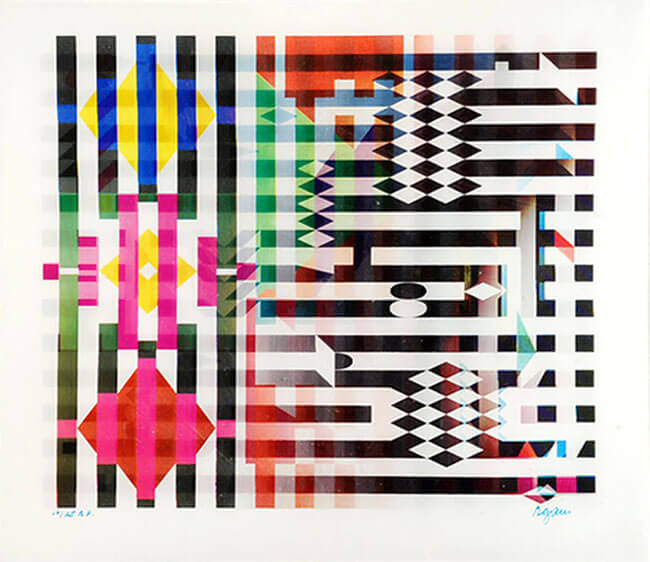
The Agamograph Series is a synthesis of Agam’s artistic journey and brings together color, form, and movement in a unique way. Every single artwork in this series is evidence of Agam’s ability to manipulate perception with images changing depending on the perspective of the viewer.
Transformation is at the core of the Agamograph Series. By using clever geometrical structures and perfect skill, Agam designs compositions that appear to change and transform over again, in front of a viewer’s eyes. The persistence of movement is created by the mixture of prudent planning and optical effects, making the artwork more engaging.
What’s So Special about the Agamograph Series?
Dynamic nature is perhaps one of the most impressive features of the Agamograph Series. Unlike traditional static artworks, Agam’s creations come alive as one moves around them. The views appear to shift and take new forms, each new angle disclosing new views and secrets. The stage set the dance of light, color, and motion evolves continually into a scene that captures the mind and senses.
What sets the Agamograph Series apart is the use of optical illusions in its composition. Agam uses geometrical patterns, vivid colors, and detailed workmanship to create appearances of depth, movement, and third dimension. Therefore, an artistic mastery is created which makes the viewer reconsider their perception of reality and invites them to investigate the plurality of the art and illusion.
Besides that, the Agamograph Series represents Agam’s idea of unity and interrelatedness. By means of his intricate settings and outstanding visual effects, Agam strives to express ideas like harmony, equilibrium and cohesion. Each work in the series symbolizes the intricacy of the human condition, echoing to us that something beautiful emerges out of the harmony between varied elements.
Interesting Facts About Agamograph Series
Art in Motion: Agam’s fascination with movement wasn’t limited to his artwork. He was also a talented musician and composer, and he often integrated elements of music and rhythm into his visual creations, creating a multisensory experience for the viewer.
Interactive Art: Unlike traditional static art pieces, Agam’s Agamographs actively engage the viewer, inviting them to participate in the creation of the artwork by changing their perspective. This interactive element challenges the conventional notion of art as something to be passively observed, encouraging viewers to become active participants in the creative process.
Versatile Mediums: Agam was not confined to a single medium in his Agamograph series. He experimented with a variety of materials, including paper, plastic, metal, and even holographic film, pushing the boundaries of what could be considered traditional art materials.
Artwork Spotlight: Unity
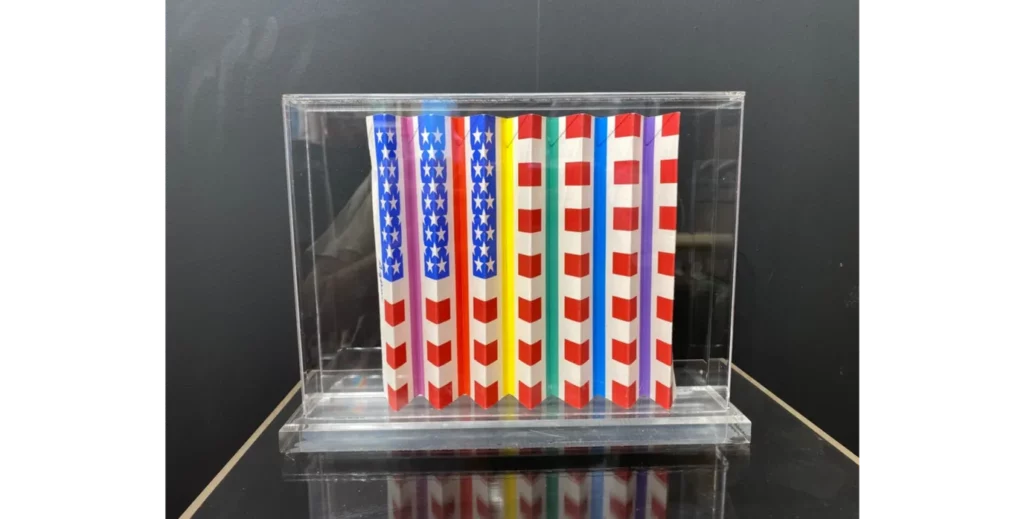
Agam’s “Unity” is available on Singulart. It is a masterpiece of colors and beautiful geometric patterns that seem to change for the viewer’s eyes. Through “Unity”, Agam brings forth the inherent oneness of things and their connection with each other, calling us to be one in a world full of divisions.
Are you looking for a masterpiece from Yaacov Agam?
Singulart presents exclusive limited edition pieces by Yaacov Agam. To discover and acquire Agam’s art, click on the artwork or the button below for more information!
Frequently Asked Questions
What is Yaacov Agam famous for?
Yaacov Agam, who is most recognized for his three-dimensional paintings and sculptures, is a pioneer and a top practitioner of optical and kinetic art.
Is Agam art valuable?
Yaacov Agam’s artwork has been put up for auction on several occasions; the artwork’s realized values have varied depending on its size and media, from 10 USD to 698,500 USD.
Who invented Agamograph?
Yaacov Agam, a trailblazer in the field of kinetic art, created the agamograph—a vividly colored print that seems to change shape in front of the observer.
Conclusion
The Agamograph Series by Yaacov Agam still enthralls the international public, taking them on a voyage of discovery and pleasure. By his revolutionary use of optical illusions and kinetic elements, Agam surpasses the realms of traditional art and thereby leaves a forever imprint in the world of contemporary art. The more viewers sink into the intriguing province of Agam, the more they consider the immense potential of artistic creativity.