


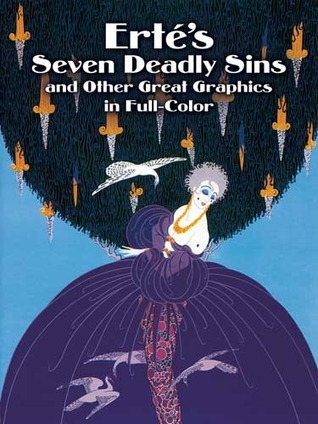
Few figures of art history have sparked our imagination as much as Erté. Erté was born in Russia and this artist defied boundaries and set a new standard in fashion, theater, and the visual arts. Recognized for his personal Art Deco style and extravagant dressing, Erté was an excellent painter who knew no limits, charming viewers with his images and sets.
Erte’s vast collection boasts countless masterpieces, but “The Seven Deadly Sins” stands out. This work showcases his boundless imagination and masterful technique. Erte delves into the alluring darkness of human vices, depicting each sin in rich detail and vibrant action. Now, let’s explore the intricacies of this captivating artwork.
Who was Erté?

Erté, born Romain de Tirtoff, the Russian-born French artist and designer, made a great contribution to fashion, theater, and art. Since his childhood, Erté revealed an incredible talent for arts. Later, he developed his skills in St. Petersburg and then moved to the artistic mecca of Paris. His career lasted several decades, during which he gained popularity with the Art Deco style, known for its elegance, sophistication, and geometric motifs. Erté’s works in fashion illustration, theatre, and visual arts established him as a groundbreaking artist of the 20th-century cultural arena.
FUN FACT: Despite being born in 1892, Erté remained vibrant and prolific throughout his long life, continuing to produce captivating artworks and designs.
His Career
The 1920s, a golden decade, saw Erté’s career soar. Fueled by Paris’ bohemian spirit, he became a progressive force. His ultra-modern creations charmed audiences. Erté’s illustrations for Harper’s Bazaar elevated fashion illustration to an art form, making him a household name. Beyond fashion, his talents extended to designing magical theater costumes and sets for shows like the Folies Bergère. A champion of innovation, Erté constantly pushed boundaries, leaving a lasting mark on the cultural sphere.
What is Happening in The Seven Deadly Sins?
| Artist | Erté |
| Date Created | 1983 |
| Medium | Serigraph on Paper |
| Genre | Art Deco, Surrealism |
| Period | 20th Century |
| Dimensions | 24 x 30 inches (61 x 76 cm) |
| Series/Versions | Part of a series exploring themes of decadence and temptation |
| Where is it housed? | Private Collections, Museums |
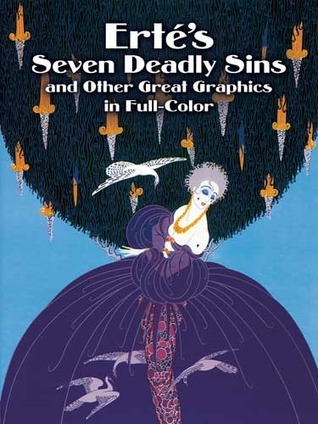
Erté created “The Seven Deadly Sins” in 1983. This piece can be considered the summit of his artistic venture into the mysterious abyss of human nature’s dark side. This masterpiece objects to the artist’s lifelong interest in the darker corners of the human soul. In its elaborate imagery, Erté presents a scene that conveys each sin as a temptress, decked out in luxurious clothes and oozing with fine ornaments.
A closer look will reveal the sinuous plot and the fury of “Ira” which is presented with an aura of menace, and “Luxuria” with its irresistible glamour and danger. Erté skillfully uses his brush to portray each intoxicating sin, making them look so real that the viewer wants to be inside that world.
What’s So Special about The Seven Deadly Sins?
Erté uses every sin and allows viewers to contemplate on why it is so hard to choose morality. The mouthwatering spectacle of “Gula” stimulates the senses, while the green-eyed gaze of “Invidia” arouses yearning and envy. Through his detailed composition and theatrical flair, Erté vividly represents each of the sins. This allows the viewers to confront their dark side and reflect upon the fight between good and bad.
As you look at “The Seven Deadly Sins”, you will not only be amazed by its symbolism but also its beauty. Each specific sin is decorated in a symbolic setting, such as the snake of envy twisted around “Invidia”, or the goblet of gluttony spilling over held by “Gula”. Thus Erté´s attention to details gives rise to a woven pattern of meanings that gradually unfolds the more one looks at it, luring viewers to discover a deeper truth in the surface.
Interesting Facts about The Seven Deadly Sins
Hidden Symbolism: Erté infused rich symbolism into each sin, with subtle details that invite closer inspection. From the serpent of envy to the overflowing goblet of gluttony, each element tells a story within the larger narrative.
Decadent Aesthetics: True to his Art Deco roots, Erté’s depiction of the sins exudes an aura of decadence and luxury. Intricate patterns, sumptuous fabrics, and ornate accessories adorn each figure, elevating the allure of temptation to new heights.
Theatrical Flair: Drawing from his experience in theater design, Erté imbued “The Seven Deadly Sins” with a theatrical flair that mesmerizes the viewer. Each sin takes center stage, commanding attention with poise and drama reminiscent of a grand performance.
Timeless Relevance: Despite being created in the 20th century, Erté’s exploration of the seven deadly sins remains strikingly relevant in the modern era. The universal themes of temptation, indulgence, and moral struggle continue to resonate with audiences across generations.
Artwork Spotlight: Masc Regis
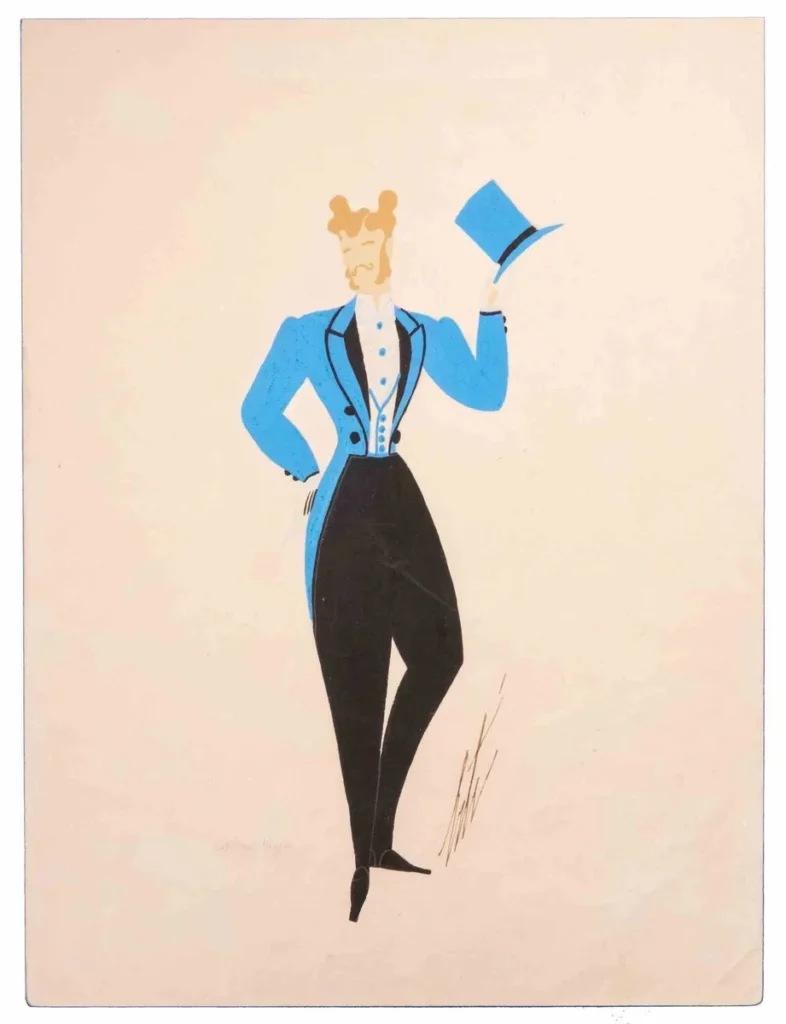
“Masc Regis” is one more amazing creation by Erté which is available on Singulart. The artwork conveys the true essence of royal elegance through its grand portrayal of a royal figure dazzling in luxurious clothes as a tribute to the artist’s extraordinary skills in bringing out the beauty of magnificence.
Are you looking for a masterpiece from Erté?
Singulart presents exclusive limited edition pieces by Erté. To discover and acquire Erté’s art, click on the artwork or the button below for more information!
Frequently Asked Questions
Who is the father of Art Deco?
Erté’s drawings and designs from the 20th century have earned him the title of “Father of Art Deco.”
What was Erté’s famous work?
Symphony in Black, which features a somewhat stylized tall, slender woman dressed in black carrying a thin black dog on a leash, is by far his most well-known image. The iconic photo has been copied and recreated innumerable times. Throughout his life, Erté never stopped creating designs for operas, ballets, and revues.
Who is the father of Art Deco magazine?
Erté would eventually be referred to as the “father of the Art Deco” movement as a result of his well-reported achievements. Erté is also renowned for his magnificently ornate stage designs and costumes that he created for George White’s Scandals in New York and the Folies-Bergère in Paris.
Conclusion
In the colossal tapestry of Erté’s artistic career, the “Seven Deadly Sins” portray the unlimited source of creativity and never-ending curiosity about human nature. With his brilliant exposition of temptation and viciousness, Erté leads us to the confrontation of our inner demons and the scrutiny of the eternal fight between virtue and sin.


