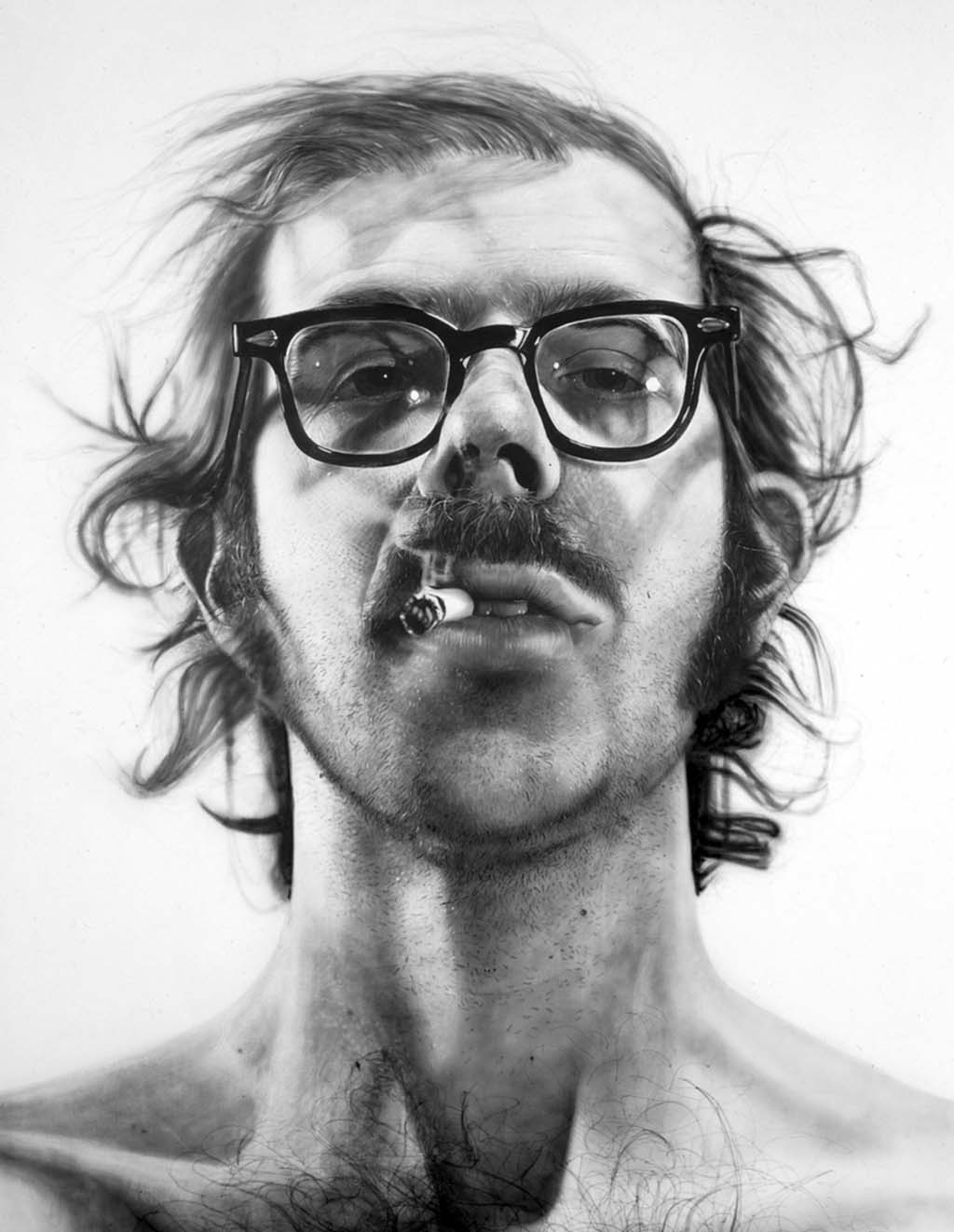
The Big Self-Portrait by Chuck Close is an enchanting and awe-inspiring spectacle of how the artist can paint with incredible attention to detail. This lesser-known portrait not only emerges as a portrait of Close but also converts a viewer into a citizen of her world, where everything speaks about the life story. Let us have a look at the life of Chuck Close and understand his career better. Let’s even examine some structural details of the artwork “Big Self-Portrait” and get some interesting facts about this remarkable work.
Who was Chuck Close?
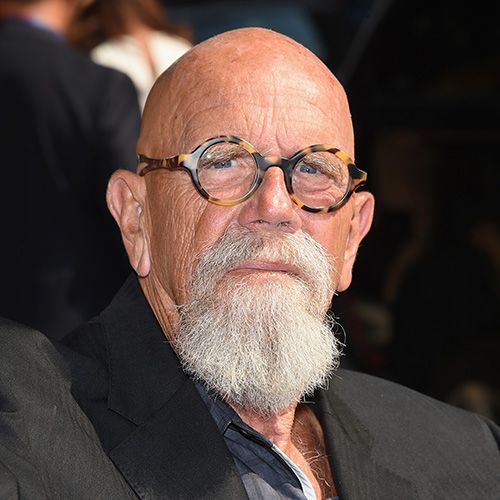
Chuck Close, born July 5, 1940, in Monroe, Washington, US, was a renowned American painter and photographer known especially for his photorealist and monumental self-portraits. Close, despite having to go through the physical trauma of a spinal artery collapse in 1988, kept on breaking boundaries in art until he died in 2021. His particular method of painting portraits brought him international recognition and serves as an exemplary case of one of the most outstanding artists of his era.
FUN FACT: Despite being famous for his large-scale paintings, Close often experimented with unexpected mediums, including fingerprints, thumbprints, and even paper pulp.
His Career
At the beginning of his artistic development, Close was influenced by everything from abstract expressionism to photorealism; however, the latter became his forte in the late 1960s and early 1970s. He became famed for his immense portraits, where he painted friends, artists, and himself with acute fidelity. Close’s method of meticulous gridding involved dividing an image into smaller sections that he recreated with accuracy
What is Happening in Big Self-Portrait?
| Artist | Chuck Close |
| Date Created | 1967-1968 |
| Medium | Acrylic on Canvas |
| Genre | Photorealism |
| Period | Contemporary |
| Dimensions | 107 1/2 x 83 1/2 inches |
| Series/Versions | N/A |
| Where is it housed? | The Museum of Modern Art (MoMA), New York City |
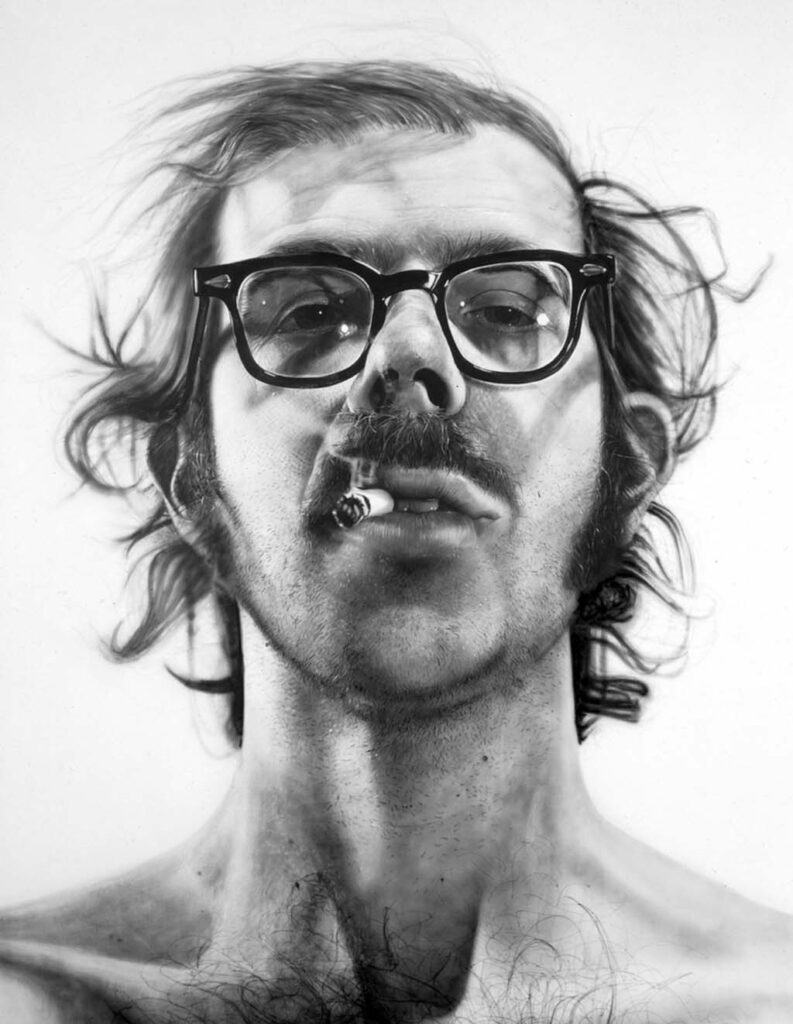
Completed in 1967-1968, Chuck Close’s “Big Self-Portrait” endures as one of his finest works. Measuring 107 1/2 x 83 1/2 inches, it presents a larger-than-life portrayal. Close’s precision shines through every brushstroke, capturing facial nuances with remarkable accuracy.
In this self-portrait, Close engages viewers with an unwavering gaze, encouraging close examination. The grid, a hallmark of his technique, becomes apparent upon scrutiny. It underscores the meticulous process behind the artwork. Through this monumental self-portrait, Close confronts audiences, embracing the ambiguity of reality and artifice.
What’s So Special about Big Self-Portrait?
Chuck Close’s “Big Self-Portrait” transcends a generic image. It’s a powerful exploration of identity, technique, and the human experience.
First, the sheer scale demands attention. Over 8 feet tall, it throws viewers into Close’s world. This monumentality heightens the emotional impact, inviting a deeply personal connection with the artwork.
Next, Close’s meticulous style takes center stage. Every inch of the canvas is meticulously rendered using a grid-based approach. This allows him to capture the most minute details, from the texture of his skin to the sparkle in his eyes. Close’s ability to translate reality onto the canvas is truly mesmerizing.
Close’s Unique Process: Chuck Close employed a painstaking process to create “Big Self-Portrait,” using a grid system to meticulously transfer the image onto the canvas. Each square of the grid represented a corresponding section of the photograph, allowing Close to recreate the image with astonishing accuracy.
Photorealism vs. Abstract: Despite his reputation as a photorealist painter, Close’s early works were more aligned with abstract expressionism. It wasn’t until he experimented with the grid technique that he found his signature style, blending realism with abstraction in a captivating manner.
Controversy and Criticism: “Big Self-Portrait” garnered both praise and criticism upon its debut. Some hailed it as a groundbreaking achievement in photorealism, while others questioned its artistic merit, citing its reliance on mechanical reproduction techniques. However, Close’s ability to capture the human essence transcended these debates, solidifying his place in art history.
Legacy of Innovation: Chuck Close’s influence extends far beyond his artwork, inspiring countless artists to push the boundaries of portraiture and explore new techniques. His dedication to his craft and resilience in the face of adversity serve as a testament to the power of art to transcend physical limitations.
Artwork Spotlight: Self Portrait 2007
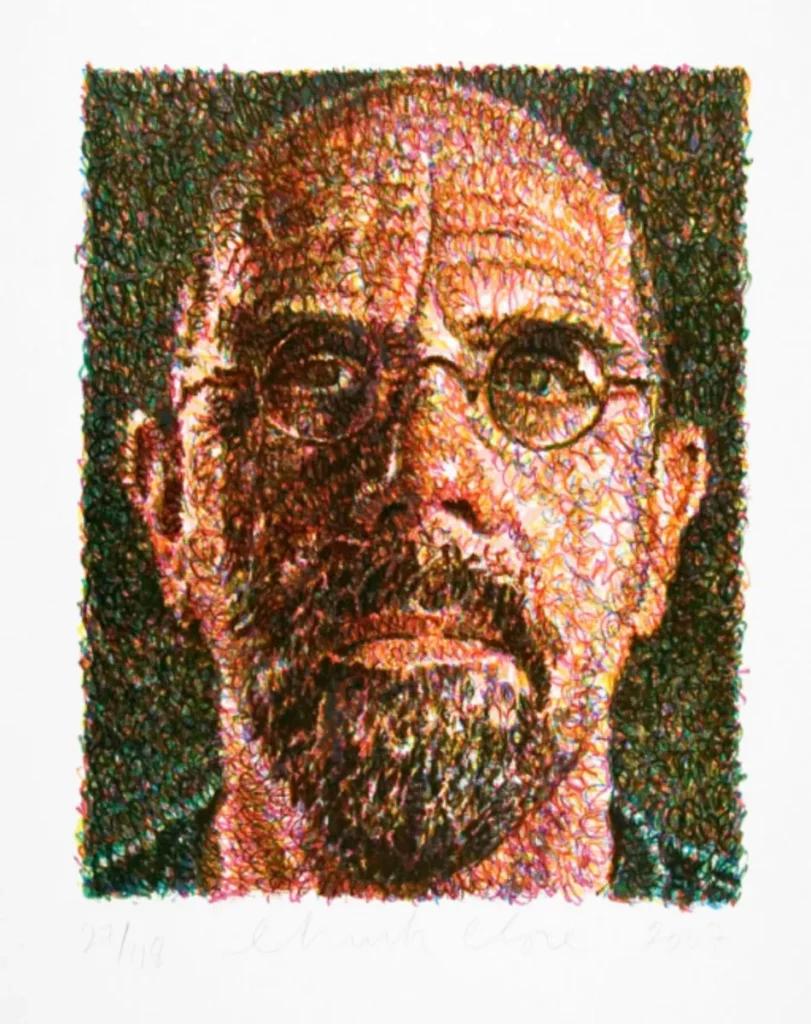
Chuck Close’s “Self-portrait” is available on Singulart. This gigantic image testified to the photographer’s artistic instincts and his ability to depict his features realistically again. Through his self-portraits, Close encourages viewers to question their ideas of self-identity and representation, thus leaving a strong impact on everyone who sees his work.
Are you looking for a piece of artwork from Chuck Close?
Singulart has limited edition prints of Chuck Close. If you are looking for a piece of Close‘s artwork for sale, simply click on the artwork or the button below to discover more!
Frequently Asked Questions
What does Chuck Close mean in art?
Chuck Close is renowned for his avant-garde conceptual portraiture, which shows his subjects as transposed images arranged into grid-like arrangements of visual information. To manage his learning issue, Close turned to art during his early teenage years.
What style of art is Chuck Close known for?
Chuck Close is well-known for his expansive Photorealist portraits. He used a grid technique to build his paintings, with each square on the canvases matching a squared-off cell on a reference picture.
Conclusion
Chuck Close’s “Big Self-Portrait” is still mesmerizing viewers with its imposing size and the tiniest and finest of details. With his pioneering technique of portraiture, Close opens up an area where each stroke is a story that is worth telling. With time we will discover the subtleties of this famous art piece and thus we will understand more the artist’s ideology and his continuing impact with the contemporary art scene.