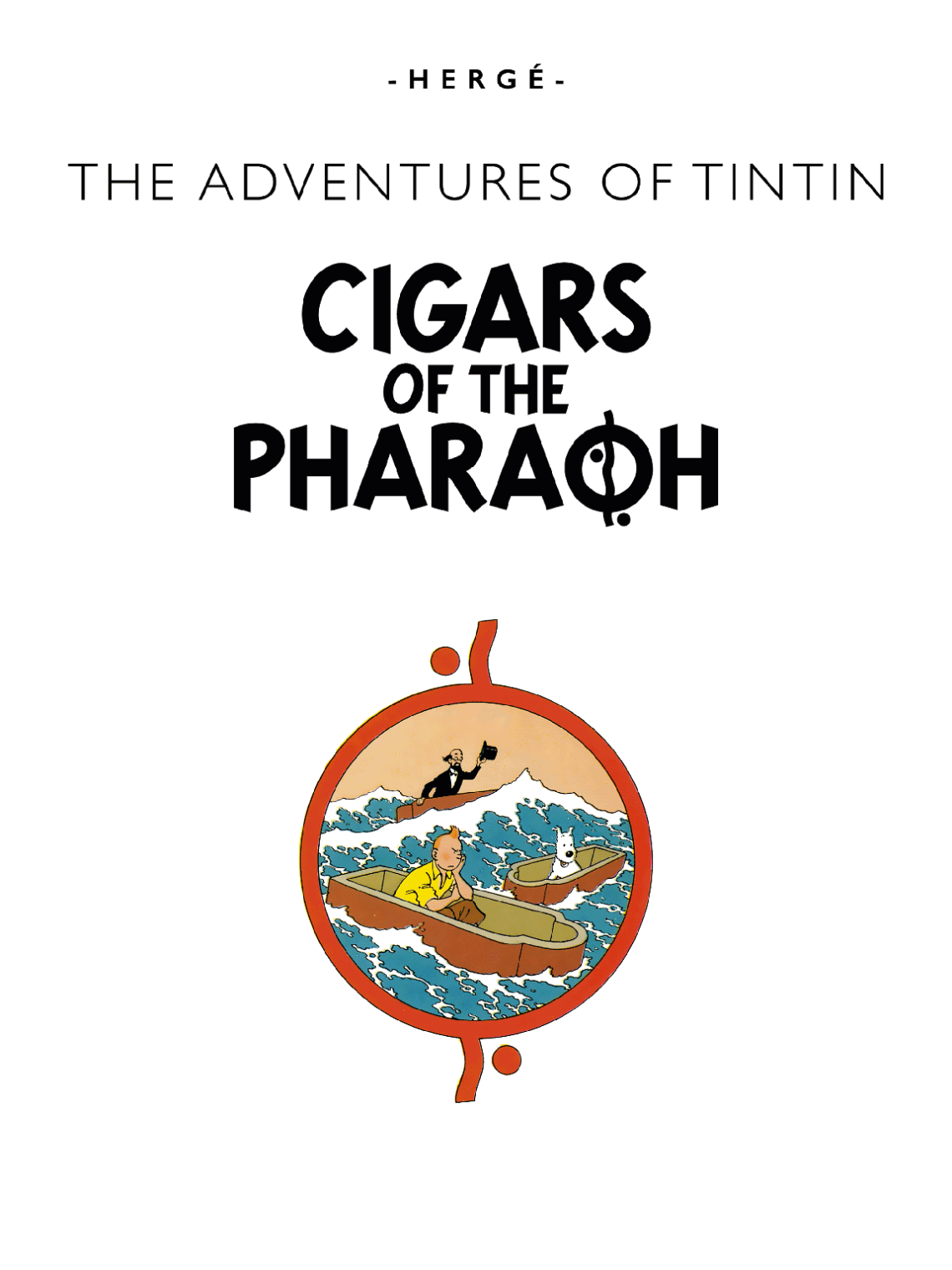
In the wide comic world, Hergé, the creator of the enduring character Tintin. The career of Hergé which lasted for almost five decades is the only evidence of the legend as a master storyteller and artist. Among his many extremely known works of art, “Cigars of the Pharaoh” is a landmark of how free his imagination was and how highly talented he was in telling stories.
In this article, we unravel the veiled world of “Cigars of the Pharaoh” and take a closer look at its origins, importance, and lasting popularity. From the noisy streets of Cairo to the dangerous waters of the Indian Ocean, embark on a fantastic journey with us through the pages of Hergé’s never-fading masterpiece.
Who was Hergé?
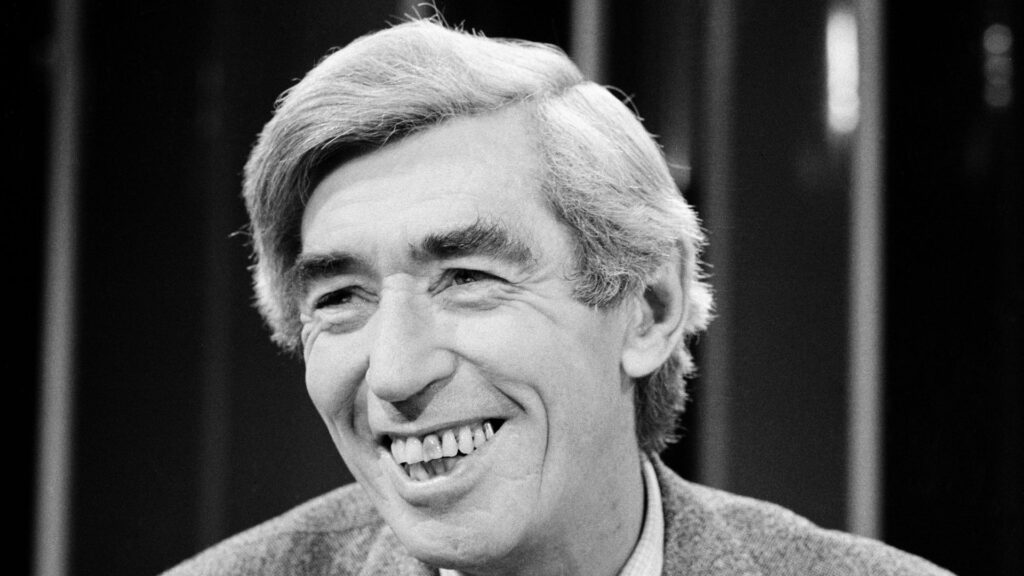
Georges Prosper Remi (1907-2012), a cartoonist from Belgium, whose most famous work, “The Adventures of Tintin”, brought him worldwide recognition. The artistic route of Hergé started during his youth when his liking for drawing influenced him to take up illustration as a profession. It was beyond his imagination that he would produce the longest-lasting and the most loved comic book of all times.
FUN FACT: Hergé was an avid collector of art and artifacts. Throughout his life, he amassed a diverse collection of objects ranging from ancient Egyptian artifacts to contemporary artwork.
His Career
Hergé’s career started in the early 1920s when he joined Le Vingtième Siècle as an illustrator. It was at this point that he started to develop his signature style and hone his talent. In 1929, Tintin for the first time appeared in the newspaper’s youth digests, “Le Petit Vingtième”. The figure’s instant popularity brought Hergé to light, marking the beginning of a wonderful career.
What is Happening in Cigars of the Pharaoh?
| Artist | Hergé |
| Date Created | Serialized from 1932 to 1934; Published as a book in 1934 |
| Medium | Comic strip, later compiled into a book |
| Genre | Adventure, Mystery, Comedy |
| Period | 20th Century |
| Dimensions | N/A (Varies depending on publication format) |
| Series/Versions | Part of the Tintin series |
| Where is it housed? | Available for purchase in various formats and collections |
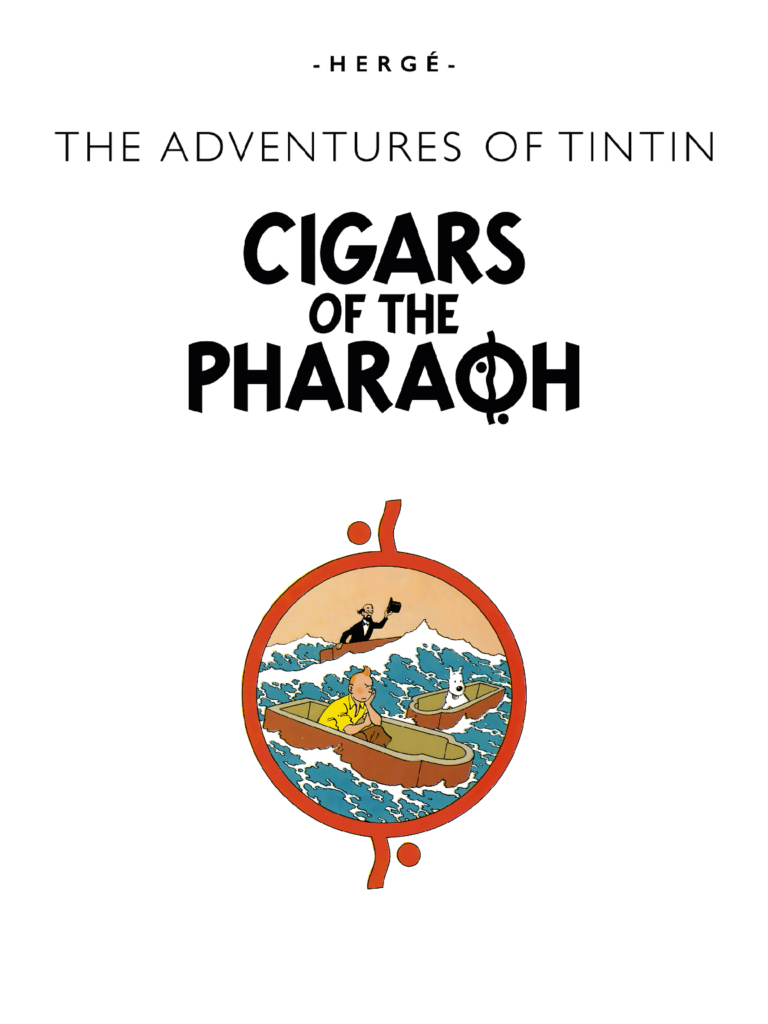
The thrilling adventure of Tintin in “The Cigars of the Pharaoh” reminds you of the whirlpool of mystery and excitement. The novel takes place in stunning 1930s Egypt, with the plot unraveling as Tintin gets on board a luxurious cruise ship bound for Egypt, the land of pyramids and pharaohs, to begin his wonderful journey.
However, things suddenly take a very sharp turn. Tintin’s nostril for trouble quickly smells something fishy about some cigars he senses on board. He does not imagine that these pleasant-looking cigars are elements of a huge scheme involving smuggling and treachery.
The more Tintin investigates, the bigger the web of secrets and peril he unravels. From the lively avenues of Cairo to the calmer deserts, his every step is full of excitement and unpredictability.
Tintin lands in dangerous situations where he goes through fast-moving trains, and influences his heart to stop during the meetings at the ancient tombs. Even with everything, he utilizes his smartness and the support of his friends to unfold the root cause of it.
Apart from the excitement, “Cigars of the Pharaoh” offers us a glimpse into the way people used to live then. It paints a picture of the clash of cultures in Egypt during the 1930s and examines concepts such as imperialism and tradition.
What’s So Special about Cigars of the Pharaoh?
“Cigars of the Pharaoh” remains close to the hearts of Tintin enthusiasts because of several different reasons. Firstly, the story captures the audience’s wonder from the very beginning to the end, arousing their attention throughout. The storyline is laced with mystery, adventure, and surprise that begins with Tintin’s spontaneous ride as a passenger on a treasure ship which later quickly turns into a maze of enigma. Every bend in the tale further enhances the suspense and ensures that readers, of any age, will be unable to put the book down.
Interesting Facts about Cigars of the Pharaoh
Inspired by Real-Life Encounters: Hergé’s fascination with Egyptology and his own experiences traveling through the Middle East heavily influenced the storyline of “Cigars of the Pharaoh.” His attention to detail in depicting Egyptian culture and landscapes adds an authentic touch to Tintin’s adventures.
The Influence of Current Events: The political climate of the 1930s, including the rise of fascism and international tensions, seeped into Hergé’s work, subtly reflected in the themes of espionage and global intrigue in “Cigars of the Pharaoh.”
Controversial Alterations: In later editions of “Cigars of the Pharaoh,” Hergé made several changes to the original artwork and storyline, including removing racially insensitive depictions and modifying certain scenes to align with evolving societal norms.
Artwork Spotlight: Tintin – Tintin en Amérique
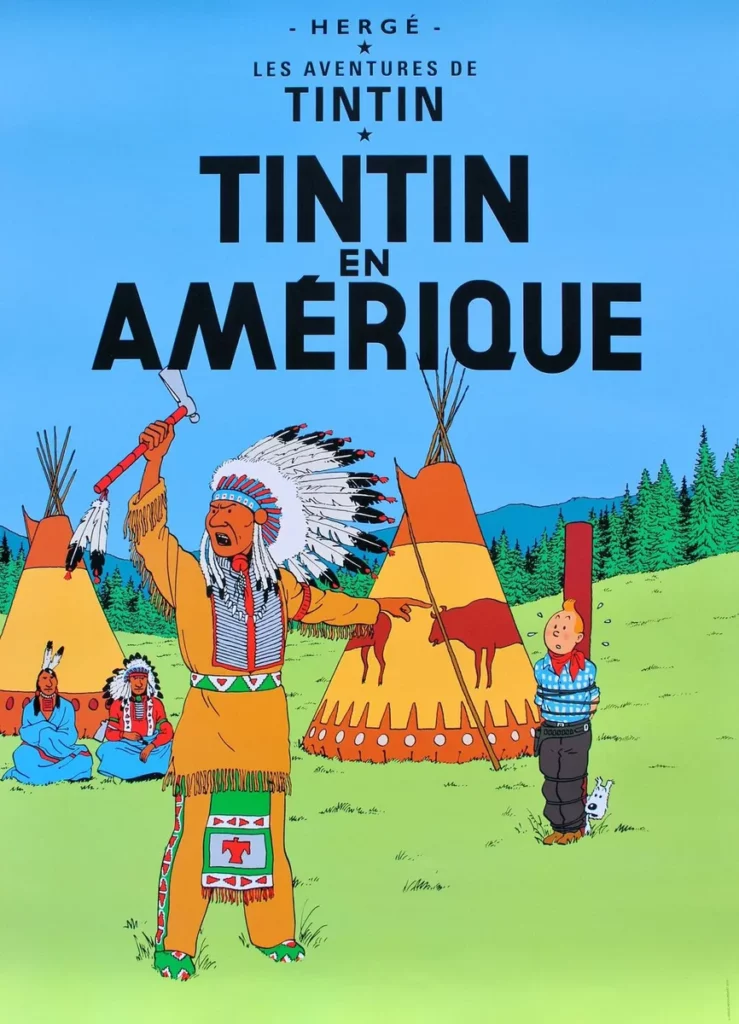
Hergé’s “Tintin en Amérique,” first published in 1932 is also available on Singulart. This artwork features Tintin’s adventures in the United States, showcasing his encounters with gangsters and Native Americans. The artwork is characterized by Hergé’s distinctive ligne claire style, emphasizing clear lines and vibrant colors.
Are you looking for a masterpiece from Hergé?
Singulart presents exclusive limited edition pieces by Hergé. To discover and acquire Hergé‘s art, click on the artwork or the button below for more information!
Frequently Asked Questions
How old is Tintin in Hergé?
The age of Tintin is never revealed. He stayed young throughout the Adventures, which were published over 50 years. According to Assouline, “Tintin was born at fifteen”. Hergé said, “I don’t think Tintin has aged.”
What is Tintin’s creator’s real name?
The famous comic book series The Adventures of Tintin was started in 1929 by Belgian cartoonist Hergé, whose real name was Georges Remi.
Conclusion
Readers are taken on a thrilling journey from the hustle and bustle of Cairo to the secret chambers inside pharaohs’ tombs, to the timeless charm of Tintin’s heroism. Hergé’s work of art continues to enchant people from different cultures and the whole world reminds us just how powerful storytelling is and how appealing adventure becomes.