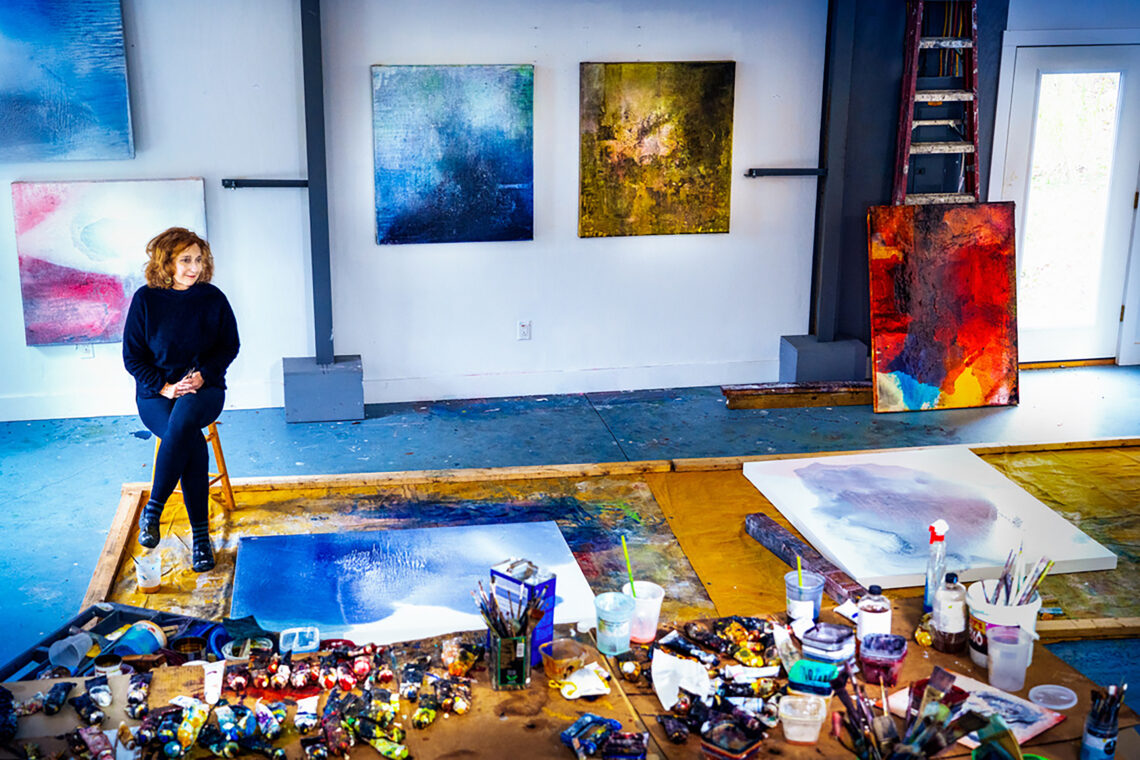
Selling fine arts is not just about business, it’s about connecting people with something that touches heart and soul. For the artists to make the art as a souvenir requires more than talent. It is about strategy, marketing skills, and a full understanding of the art market. Whether you are an established artist determined to take your work to a new level of exposure or a beginner struggling to publicize your art, we will show you how to start selling your fine art by following these easy steps.
1. Understanding Your Market
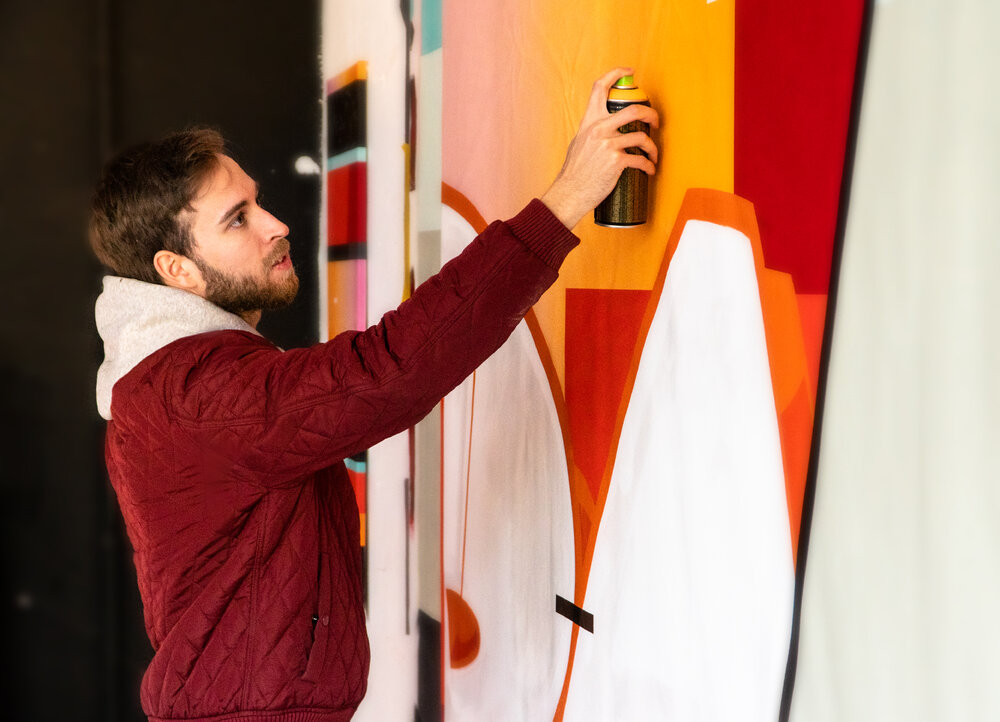
Before entering the world of how to sell art, knowing your market is the first thing to be done. For whom are you making this product? What is their favored type of art? By researching your target audience, you will be able to appreciate any unique requirements of them and adjust your marketing and pricing strategies accordingly. Go to art fairs, gallery openings, and networking events to explore the current trends and preferences among the art community.
2. Building Your Brand
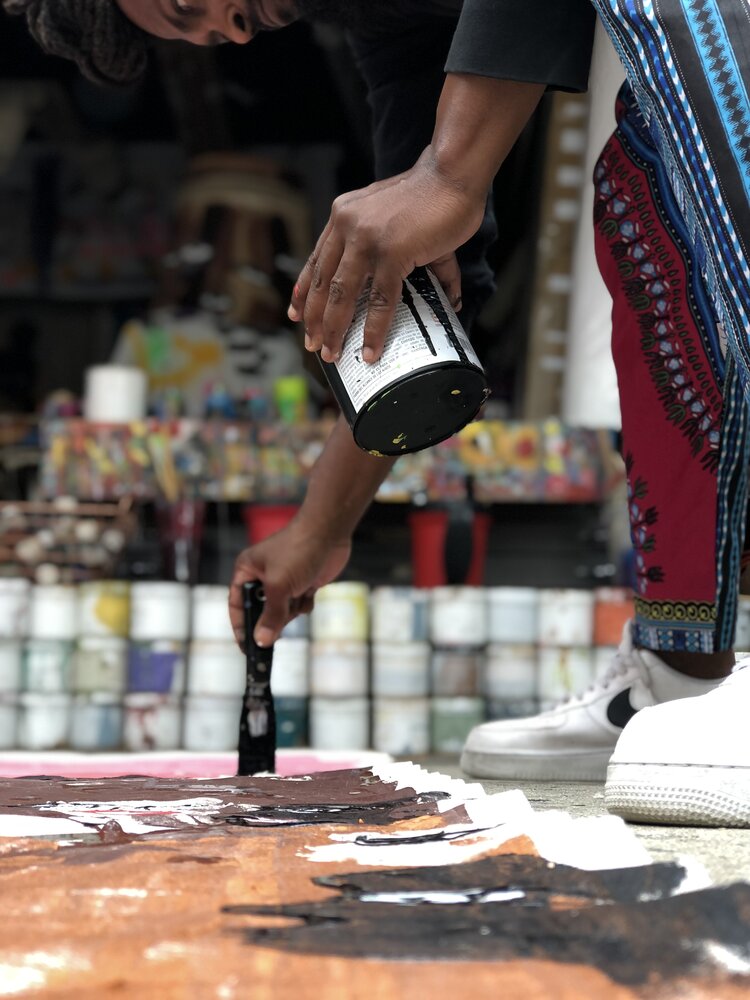
Just as with any other business, selling fine art requires a solid brand. State what distinguishes your art from the others and craft a captivating brand story that appeals to your audience. The brand must be in resonance with your style of art, beliefs, and unique viewpoint. Invest in unique professional branding materials such as logos, websites, and social media pages to increase trust and draw interest from prospective buyers.
3. Creating a Portfolio

Your portfolio is your greatest asset as an artist. It is your best work and tells a buyer how you view your art. Choose a diverse bunch of work that demonstrates your skills and talent. Take the time and effort to invest in high-quality pictures or scans of your work to ensure that they give an authentic representation of your creations. Organize your portfolio in a visually attractive form both online and in physical copies and arrange all the work in a way that buyers will find it easy to browse through.
4. Setting Prices
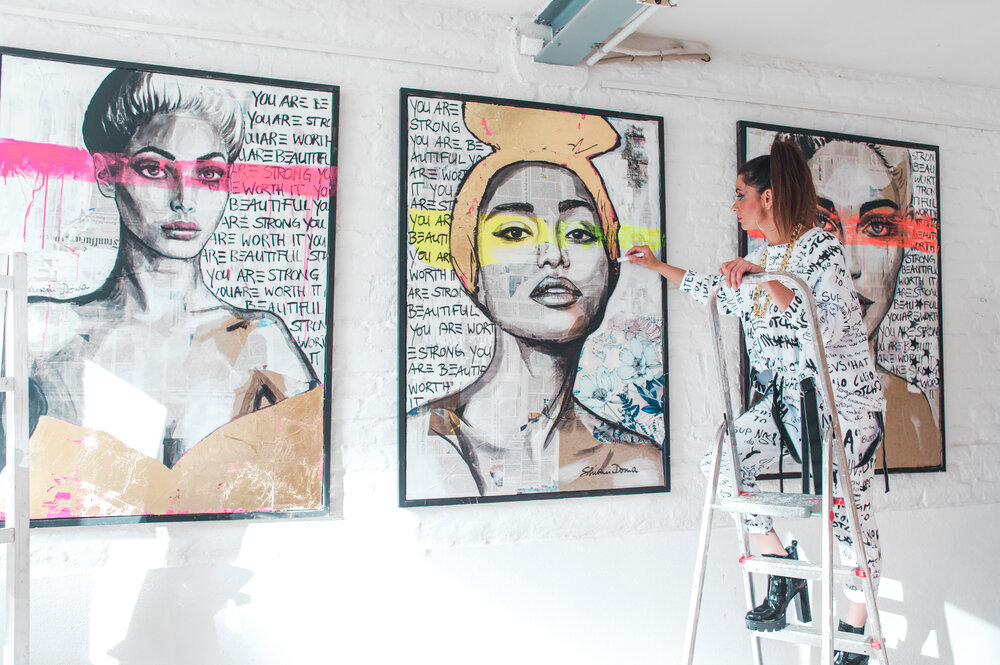
Pricing your art is one of the most difficult things to do, but it should be priced in a way that is profitable as well as accessible to people. Keep in mind metrics like size, medium, complexity, and market demand when fixing the price of each artwork. Research other artists’ pieces and compare pricing to get a sense of the market value of your artwork. Prices should not be too low to devalue your art and at the same time be realistic enough to get interested customers.
5. Marketing and Promotion
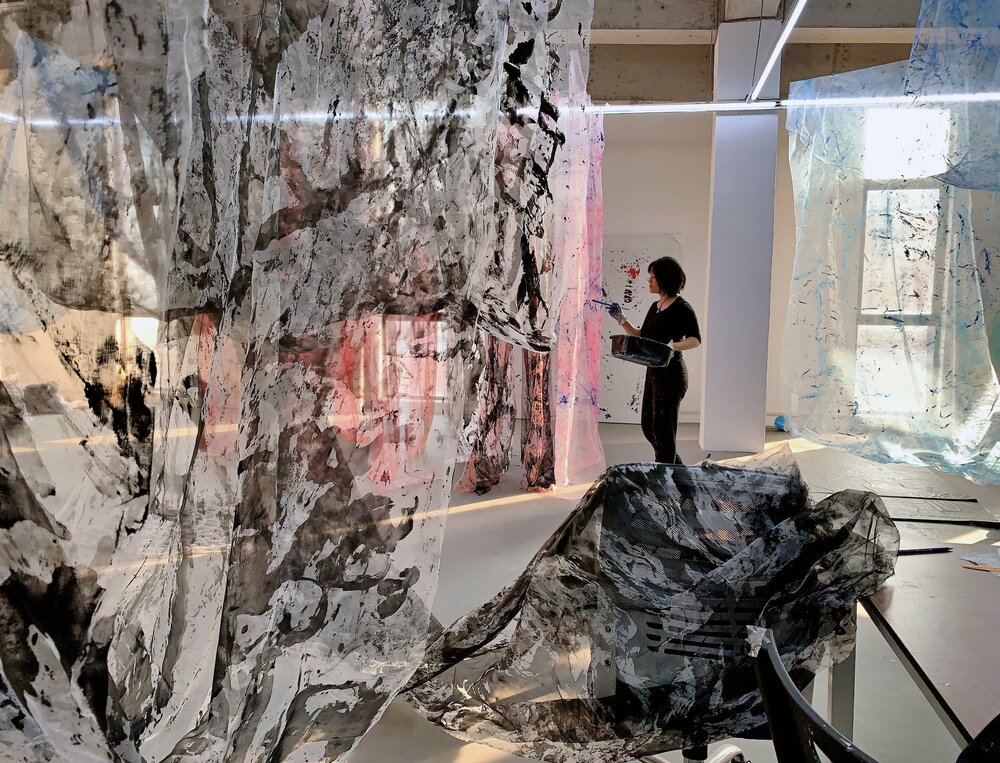
Effective Marketing is an important strategy to use for reaching out to a wider variety of people and to create interest in your artwork. Use social media platforms like Instagram, Facebook, and Twitter to display your artwork and connect with the audience. Give an insight into your creative process from behind the scenes, promoting the upcoming exhibitions or events, and interacting with them daily. Partner with influencers, art bloggers, and galleries to make your business popular within the art community.
6. Networking and Collaboration
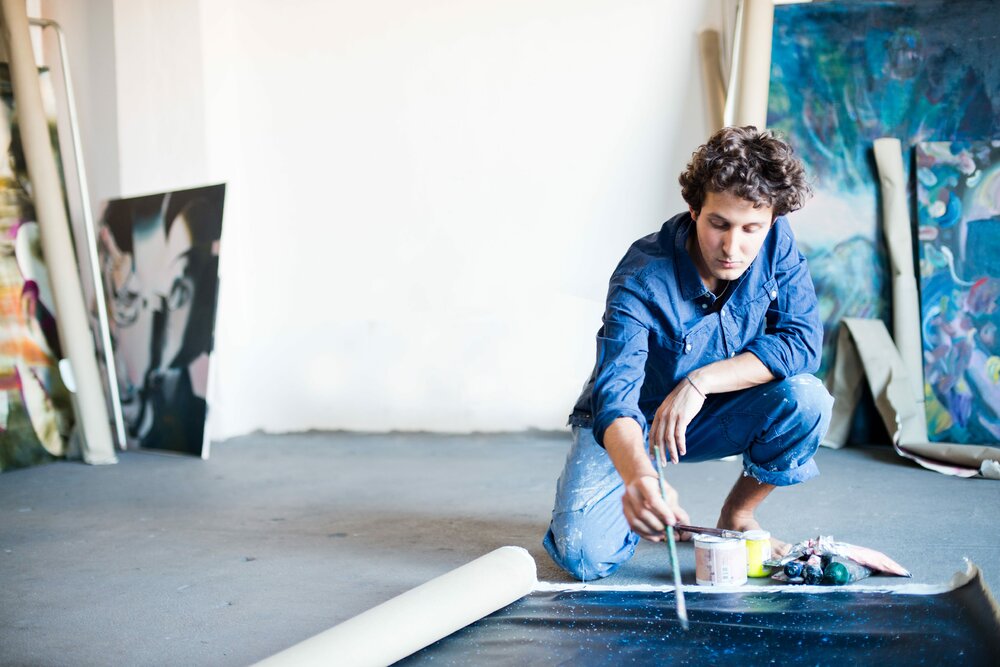
Networking plays a crucial role in the art world, providing access to possible buyers, partners, and networking. Attend art-related events, gallery openings, and workshops to meet other artists, art collectors, and art industry professionals. Forming meaningful bonds with other artists in the art world may result in joint projects, referral promotion, and a deepening of the understanding of the market. Do not hesitate to approach galleries, curators, and art consultants to find out if there are any possibilities for cooperation or representation.
7. Selling Online
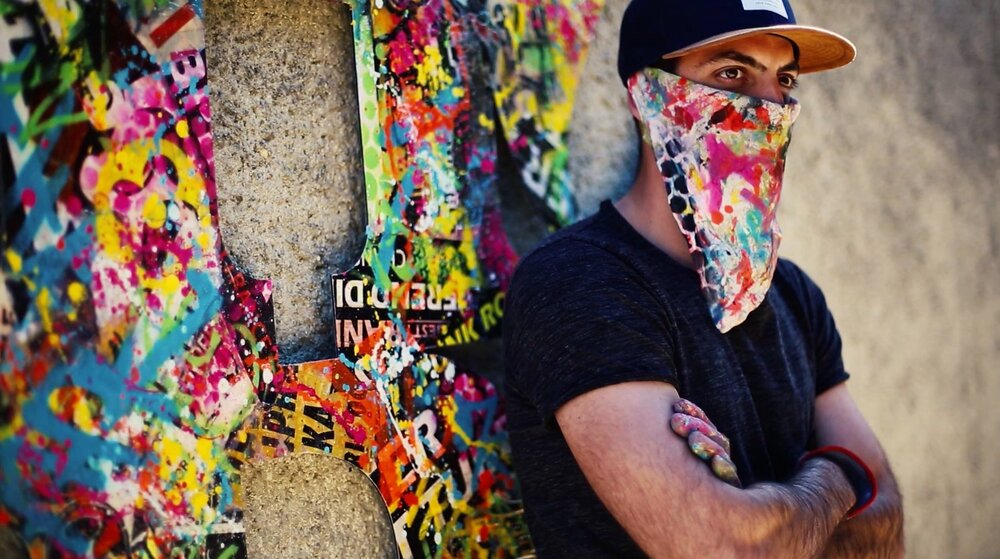
Today’s digital world is one of the most accessible and popular platforms for online fine art sales. Opening up your online store or using well-known platforms like Singulart as a selling platform will enable you to go beyond the traditional gallery framework. Invest in professional photo shooting, create convincing product descriptions, and SEO-optimize your listings to win online customers. Give secure payment options and set out shipment and return policies to help customers feel safe and confident enough to buy from you.
8. Exhibitions and Art Shows
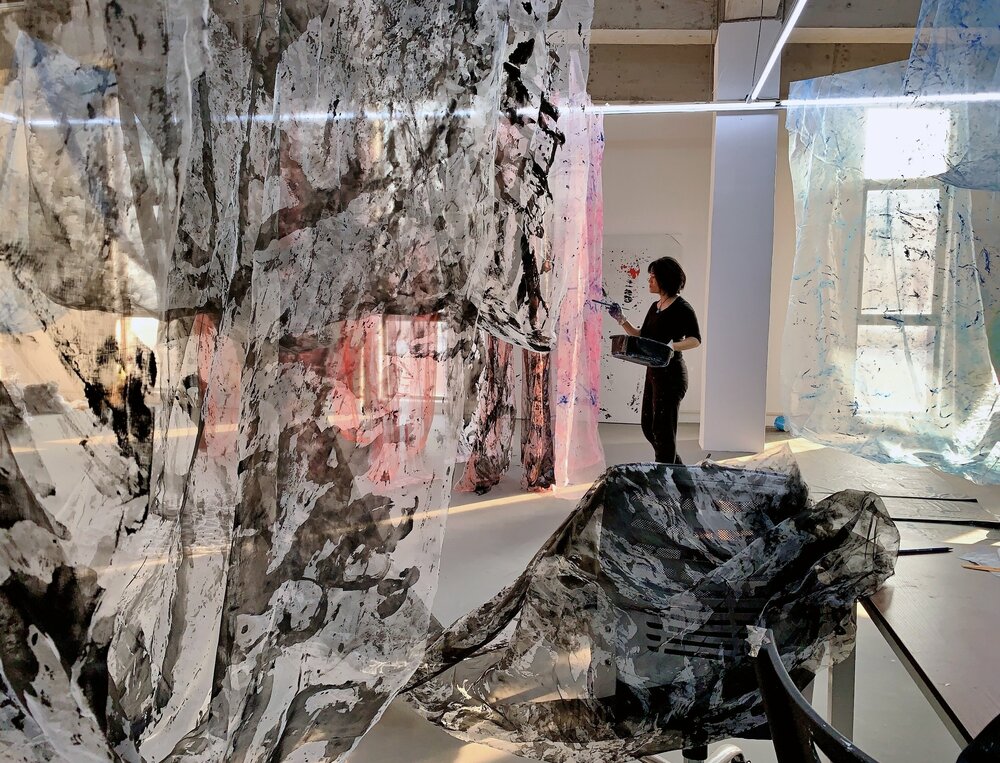
Participating in exhibitions and fairs is a wonderful solution for artists to present their work to a larger audience and communicate with people who might become future buyers. Research local galleries, art fairs, and community events in which you can showcase your artwork. Choose a distinctive selection of works, and create an attractive and logical exhibit. Interact with the audience, narrate your work, and collect their views for further exhibition plans.
9. Building Long-Term Relationships
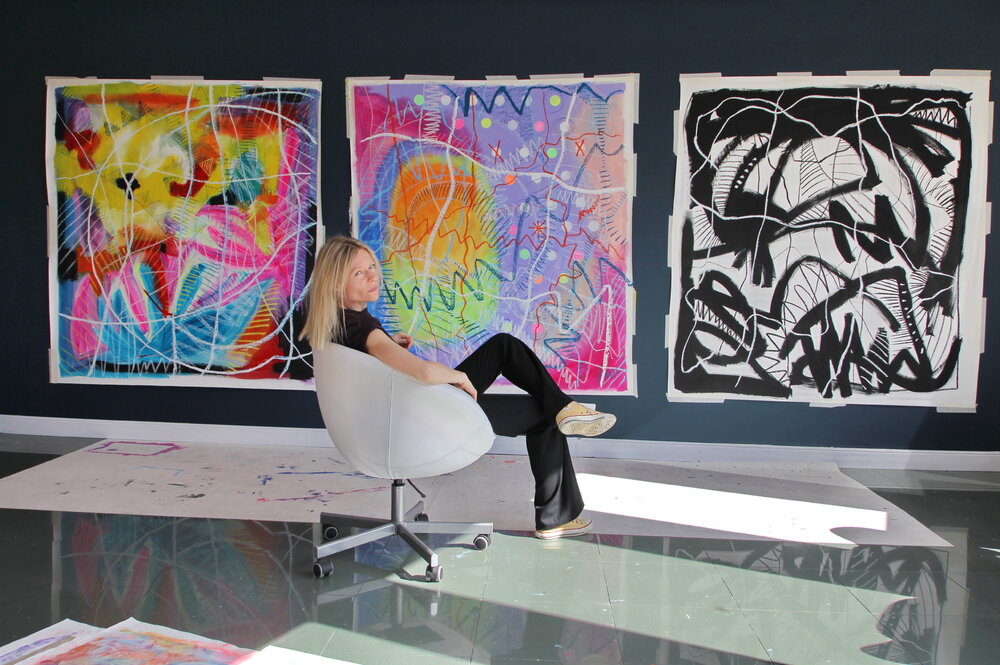
The selling of fine art is not an endeavor to just make one-off transactions, but rather the creation of long-term associations with collectors and aficionados of art who admire your work. Show care and respect to each customer, and do your best to give them more than they bargained for. Personalize experiences, such as studio visits or private viewings, so you can build a relationship with your clients that will last. Establish connections with former customers by sharing newsletters, updates on new arrivals, and exclusive deals targeted toward frequent purchases.
10. Embracing Continuous Growth
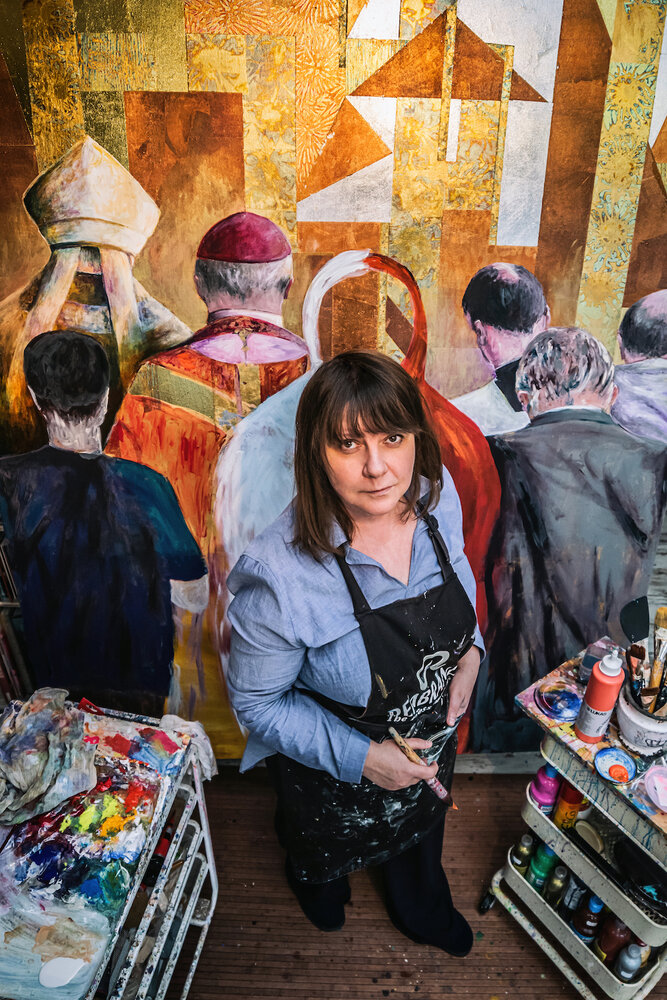
As an artist-entrepreneur, the journey of marketing and selling fine art is a dynamic and continuous learning process. Follow the new developments in the art world, technology, and changes in consumer demands. Keep constantly improving your artistic skills by trying to engage in new forms of art, or using different types of material to keep your work looking fresh and exciting. Further professionalize your art career with industry-approved advice for artists.
Why Singulart is The Best Place To Sell Your Art?
If you want to sell your art online then Singulart is here for you. Selling your artwork has never been simpler with Singulart’s streamlined process. Here’s why artists love it:
1. Easy Setup: With Singulart, you can start selling your art from your couch with just a few clicks. Subscribe to the platform and in no time list your artworks that will be seen by passionate art admirers from all over the world.
2. Transparent Performance Tracking: Monitor the progress of your artwork with detailed analytics available in the Gold and Platinum plans. Know your audience, monitor sales statistics, and make informed decisions to effectively manage and optimize your sales processes.
3. Hassle-Free Transactions: As soon as your artwork is bought, the Singulart team will handle all the logistics. Just ship your artwork the way you decide, send it to the buyer, and easily receive money.
Frequently Asked Questions
Does selling art make money?
Yes, You have a lot of options as an artist to make money off of your skill, be your own boss, and dedicate your days to what you love.
When should I start selling my art?
You can begin your art sales career whenever it’s convenient for you. Sell it if you think the piece is good enough and someone wants to purchase it.
Can I get rich as an artist?
It’s reasonable to say that getting a following, getting clients, developing a fan base, being famous, and making money have never been simpler for artists. It is possible to make and maintain money through careful utilization of online platforms. But before anything, you must know how to sell art.
Conclusion
Selling fine art is a multifaceted process that combines the ability to think creatively, business acumen, and perseverance. You will be able to develop your art business when you know your market, have a strong brand, demonstrate your creativity well, and use various marketing methods. Do not forget that selling art is not only about sales; it is more about sharing of your creativity with people.