In the realm of the arts, the evolution from beginner to professional can be as diverse and multifaceted as the brushstrokes on a painting. For many aspiring artists, dreaming is not only about the creation of beautiful pieces of art but also about finding ways to support their passion and make money as an artist. Enter the question that echoes through the minds of aspiring creators worldwide: In what ways do amateur artists earn revenues?
In this article, we’ll cover multiple lanes to help emerging artists with their monetary goals. Whether it’s conventional or modern inventions, we will be charting the range of opportunities awaiting those passionate about finding their place in the art world.
1. Online Marketplaces and Print-on-Demand Services
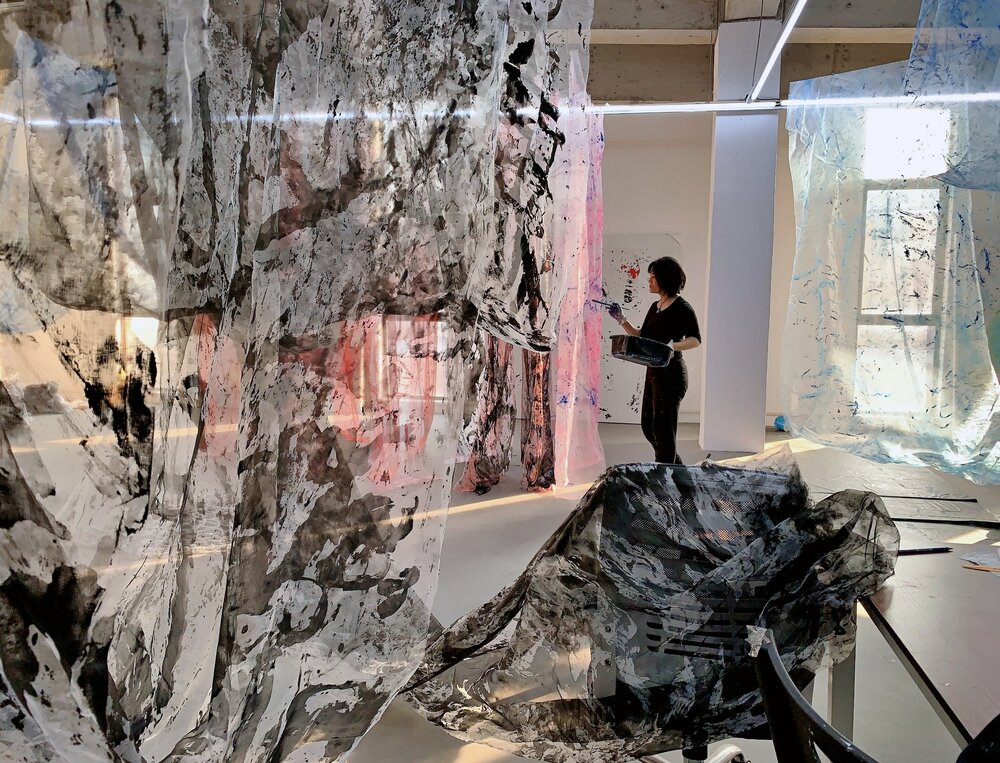
In the digital age, the internet has brought forth a great deal of avenues for artists to manifest and retail their most valuable work. Online markets such as Singulart have created a place where artists show their works of art and open the door to the market globally. From selling original paintings, prints, or merchandise with the artist’s artwork to giving a platform that is easy and convenient for beginners to try to make their initial steps towards the commerce area of the arts.
A further way for artists to earn money is through print-on-demand services. Through collaboration with print and shipping companies, artists can devote their time to creativity without bothering with logistics. From t-shirts and mugs to phone cases and posters, the opportunities for monetizing the artwork on a print-on-demand basis are unlimited.
2. Commissioned Work
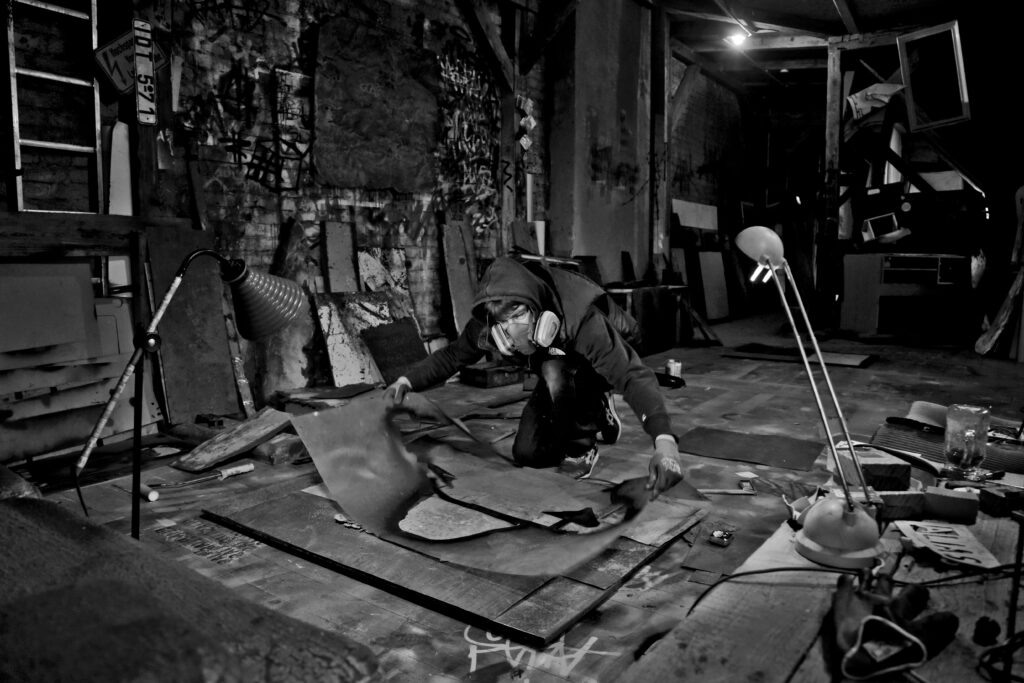
One of the easiest ways for beginners to earn money is through commissioned work. It can be a portrait, pet portrait, illustration, or custom artwork. Artists will be able to use Instagram, Facebook, and Twitter as platforms to display their portfolios and lure potential clients. Having a good online presence and interacting with followers can result in commissions from individual, organizational, and business entities desiring the commissioning of custom artworks.
Moreover, showing works at art fairs, exhibitions, and local events allows you to meet people who may become your clients and peers. Developing connections with the community may induce personal referrals and an ever-flowing supply of ordered jobs.
3. Teaching and Workshops
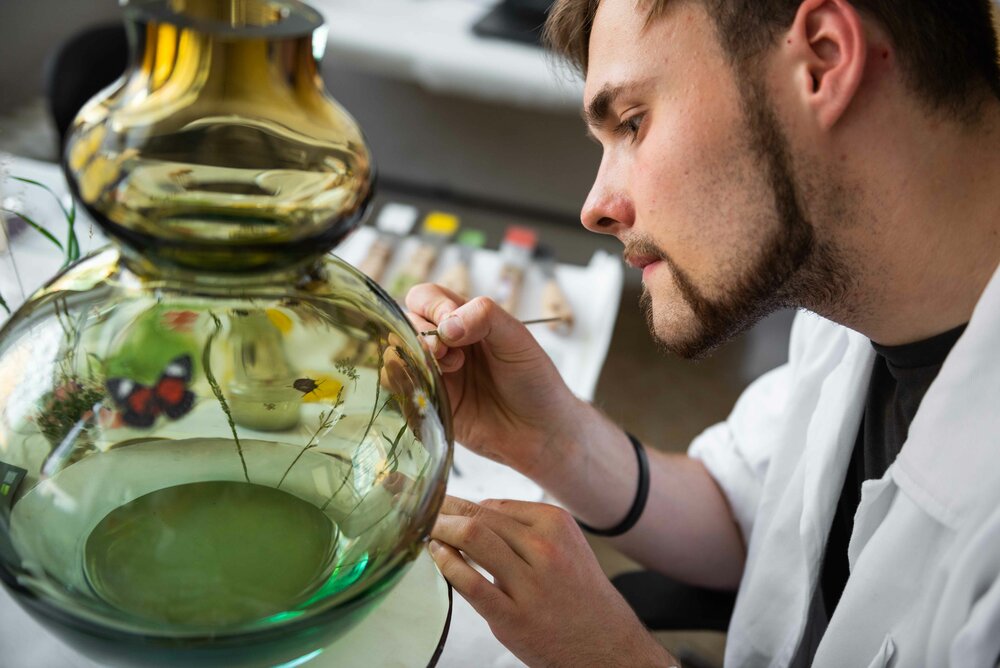
Knowledge and skill sharing often is a beautiful way for artists to make a little extra money, and at the same time empower people, bringing them joy. Students who are developing a mastery of a specific medium or technique can start offering private classes, group workshops, and online tutorials. Platforms such as Skillshare, Udemy, and Teachable make it possible to create and sell online courses allowing students to explore the world.
Teaching, in addition to being a source of income, increases self-awareness and makes us better at our job. The artists can acknowledge their skills alongside their colleagues and create a network of collaborators.
4. Freelance Work and Gig Economy Platforms
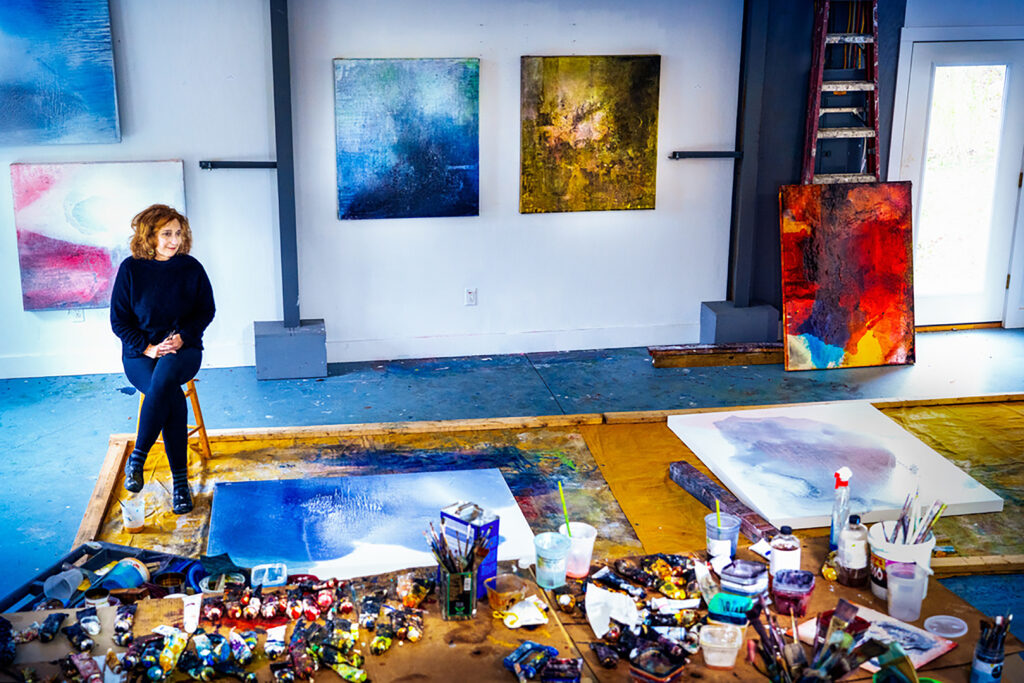
The gig economy has dramatically changed the way people work, providing freelancers with the possibility to deal with several projects at once. Aspiring artists can utilize platforms such as Fiverr, Upwork, and Freelancer to get freelance jobs for graphic design, illustration, digital art, and animation among many others.
The competition can be tough, but being unique and superior in quality can help artists to stand out from the rest. To thrive in freelancing, it is important to build a strong portfolio, charge competitive rates, and offer exceptional customer service.
5. Licensing and Merchandising
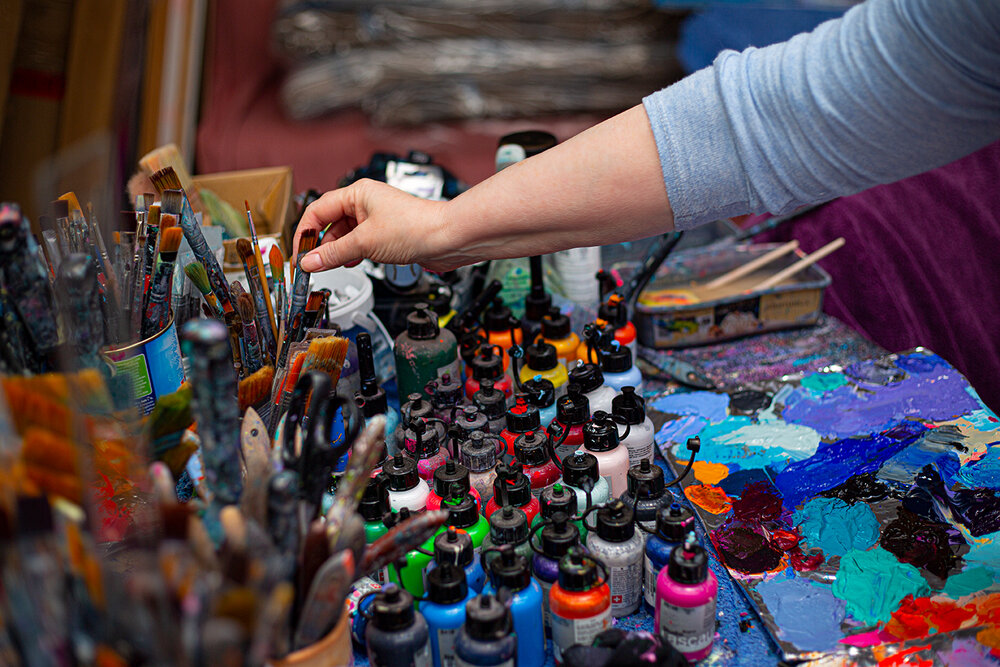
For artists looking for a residual or passive income, licensing their artwork for use on different products is usually a good choice. Licensing agreements provide for artists to retain the copyright of their work and then grant permission to others to use their work for commercial purposes. Whether it is apparel and home decor or stationery and greeting cards, licensing can provide a way for widespread exposure.
Through partnerships with companies from related industries, we can create the possibilities for merchandising collaborations. Through licensing of their designs for use in products, beginner artists can exploit existing consumer demand against the conventional art market.
Why Singulart is The Best Place To Sell Your Art?
If you want to sell your art online then Singulart is here for you. Selling your artwork has never been simpler with Singulart’s streamlined process. Here’s why artists love it:
1. Easy Setup: With Singulart, you can start selling your art from your couch with just a few clicks. Subscribe to the platform and in no time list your artworks that will be seen by passionate art admirers from all over the world.
2. Transparent Performance Tracking: Monitor the progress of your artwork with detailed analytics available in the Gold and Platinum plans. Know your audience, monitor sales statistics, and make informed decisions to effectively manage and optimize your sales processes.
3. Hassle-Free Transactions: As soon as your artwork is bought, the Singulart team will handle all the logistics. Just ship your artwork the way you decide, send it to the buyer, and easily receive money.
Frequently Asked Questions
How much should I charge as a beginner artist?
You can start with $195 (10 times 15, plus 45) if a work took you 10 hours to complete, you wish to collect $15 per hour, and the supplies cost you $50. The price of the supplies would include things like paint, ink, canvas, paper, and so on.
What should a beginner artist start with?
If you’re struggling to get started, work with basic shapes and hues. Furthermore, don’t always aim for complexity or delicacy. Reverting to the fundamentals can occasionally be enlightening and rejuvenating!
What is the easiest art to sell?
Most painters suggested smaller paintings sell better. This is so that purchasers on a budget can more easily purchase smaller pieces, which are typically priced lower than bigger ones.
Conclusion
It’s not difficult to make ends meet with your earnings as a starter artist. Through the blending of traditional techniques and newly occurring innovations, artists can discover their area in the art world that is continuously changing. Whether it is exhibiting art online, securing commissions, teaching, freelancing, or licensing, many channels of opportunity can be uniquely explored by anyone with the necessary effort and creativity.