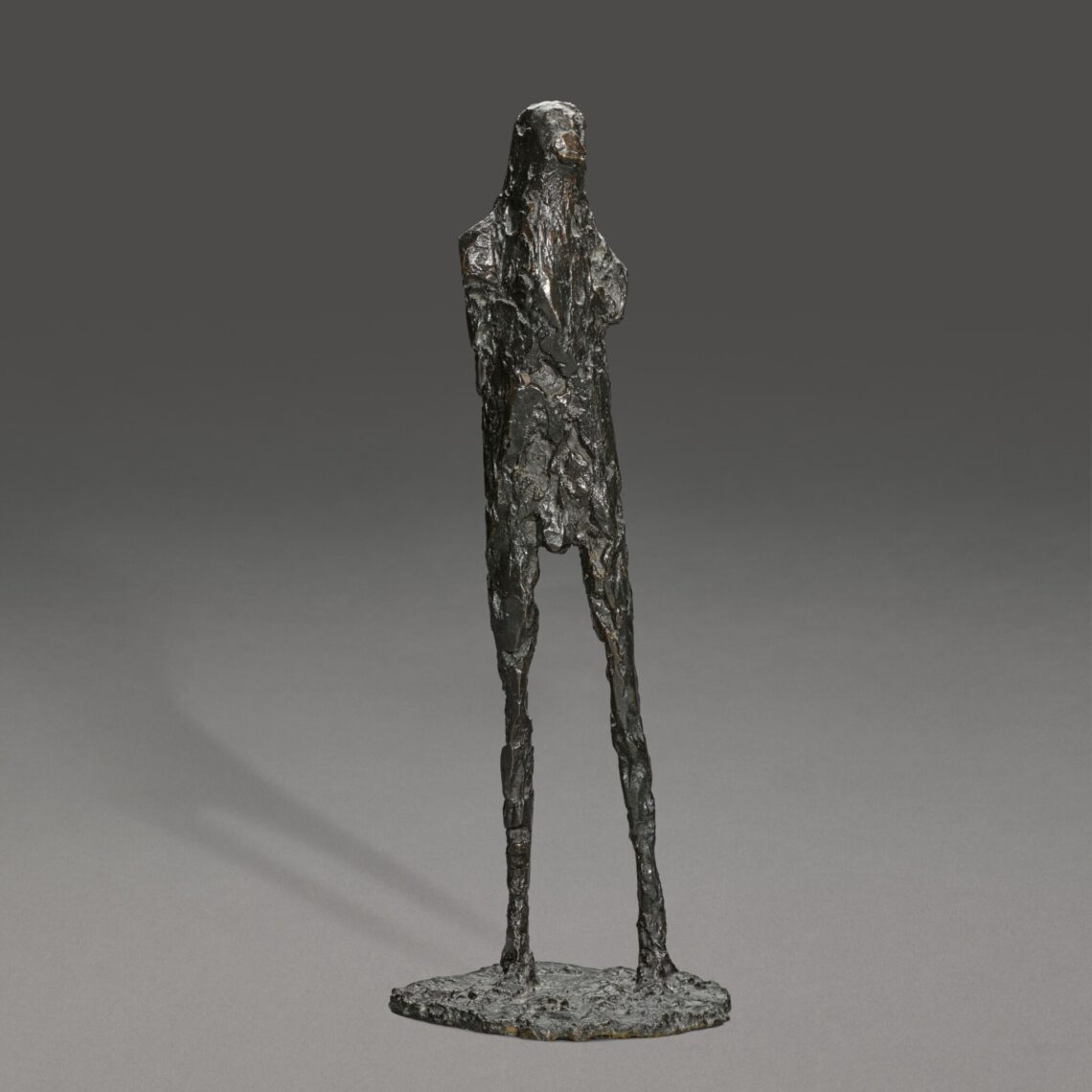
Elisabeth Frink’s “Birdman” is a breathtaking sculpture that challenges traditional distinctions between human and bird identity. Erected in 1960, it symbolizes Frink’s mastery in conveying ideas like change, freedom, and identity through art. But who was Elisabeth Frink, and why was she a prominent 20th-century sculptor? This article explores the life and career behind “Birdman.” Along the way, it reveals some little-known facts that make it truly fascinating.
Who was Elisabeth Frink?
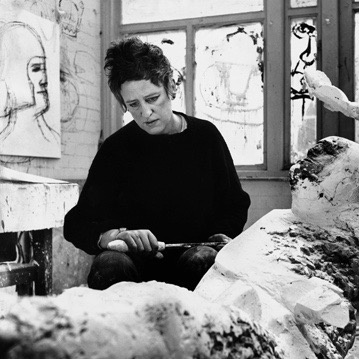
Elisabeth Frink, born on November 14, 1930, in Thurlow, Suffolk, was a famous British sculptor focused on human and animal forms. Through her artworks, she explored themes of strength, vulnerability, and the human condition. Significantly, the war and the mental and physical states of her models shaped her art style.
The beginnings of Frink’s life were deeply influenced by the war, which she experienced in the English countryside. This period instilled in her a profound love for nature and its inhabitants. These themes prominently appeared in her later work. She completed her studies at Guildford School of Art and Chelsea School of Art, where she honed her skills and developed her style.
FUN FACT: Elisabeth Frink was an avid motorcyclist. She loved riding her motorcycle, finding the experience exhilarating and freeing.
Her Career
At the very beginning of her career in the late 1950s, she became part of the “Geometry of Fear” school of post-war British sculptors. Their main achievement was creating works that embodied the stressful post-war environment, often abstract and fragmented. Nevertheless, Frink’s style was more figurative and expressive, although greatly influenced by the movement.
Her early creations predominantly featured animal forms, captured with a sense of strength and movement. This phase of her life brought her many acknowledgments and awards, boosting her success in the UK art scene. Over time, her interest shifted towards humanity, exploring the complexity of human beings, suffering, and resilience.
What is Happening in Birdman?
| Artist | Elisabeth Frink |
| Date Created | 1960 |
| Medium | Bronze |
| Genre | Sculpture |
| Period | Modern Art |
| Dimensions | 188 cm (height) |
| Series / Versions | Unique piece |
| Where is it housed? | Tate Gallery, London |
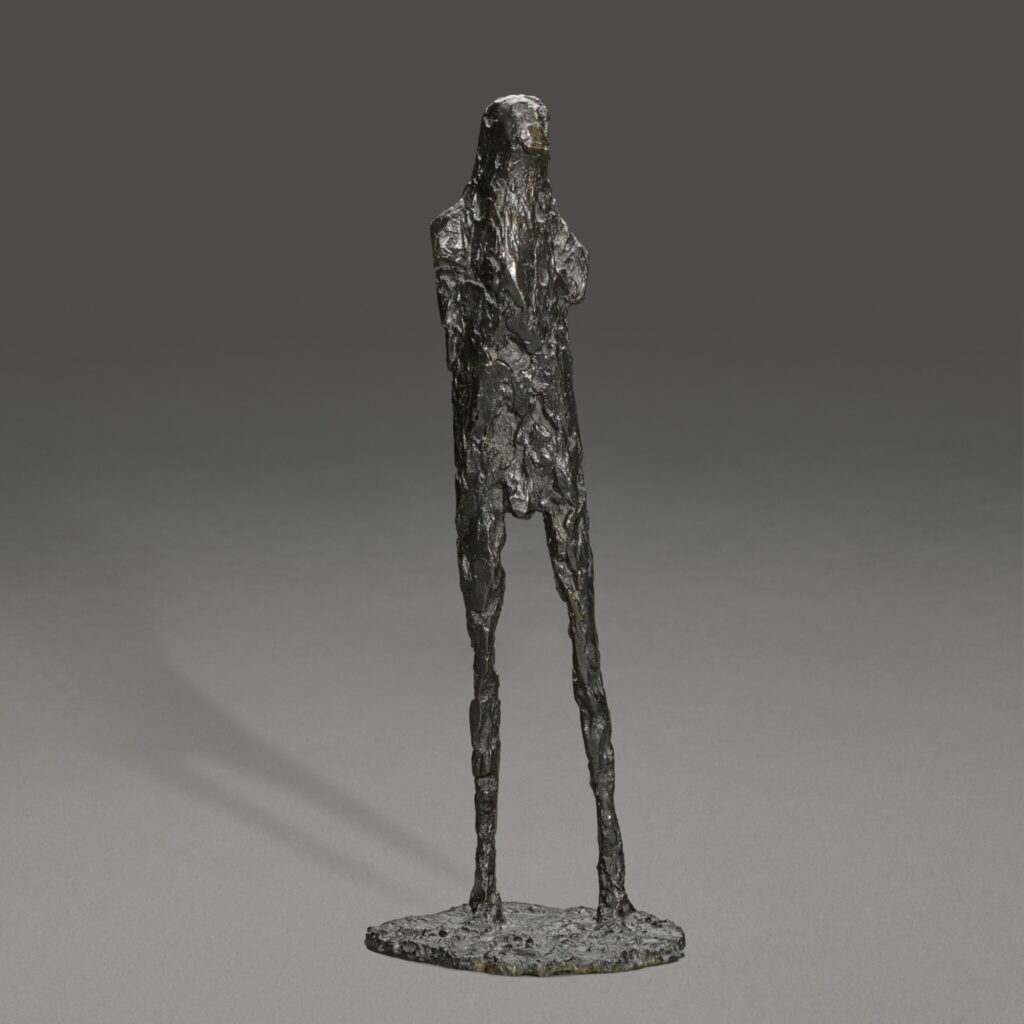
“Birdman” is the most mysterious and interesting of Elisabeth Frink’s shapes. In 1960, it was created and this bronze sculpture has become a symbol of a creature that is half man and half bird. The figure looms over the viewer, emitting power and the aura of mystery in which the human shape ornately merges with birdish characteristics.
“Birdman” appears to be in the grey area: being either a bird or a man at the same time. The sculpture shows a moment of metamorphosis; key concepts include flight, transformation, and freedom. The image is half-human and half-bird, complete with long limbs and a human-like body. On the other hand, the face has sharp, angular features and a beak.
What’s So Special About Birdman?
Elizabeth Frink’s “Birdman” sculpture is a unique and puzzling piece in contemporary sculpture. Formed in 1960, this unusual artwork merges human and bird forms, symbolizing change, liberation, and self-recognition. The “Birdman” figure’s posture exudes the energy of transformation. Additionally, the bronze’s irregular, rugged surface communicates raw vitality, stimulating the viewer’s senses and creating a stronger emotional link. Essentially, this work represents Frink’s artistic perception, which often focuses on the line between humans and nature. It also captures the desire to escape to another world.
Interesting Facts About Birdman
Metamorphosis in Bronze: The ‘Birdman’ sculpture is a remarkable work of art that deals with the issue of metamorphosis. Because of this notion, Frink was fascinated with the issue of transformation and this piece excellently portrays the moment of change from a human to a bird, which signifies the changeability of personality.
Flight of Imagination: Frink frequently took cues from nature, and often represented birds in her designs. The Birdman can serve as the artist’s symbol for his obsession with flight and the liberation it brings.
A Symbol of Escape: Some people think that “Birdman” stands for a way of escape. The hybrid character is emblematic of human yearning to transcend earthly limits and venture into the unknown.
Artwork Spotlight: Anthony and Cleopatra
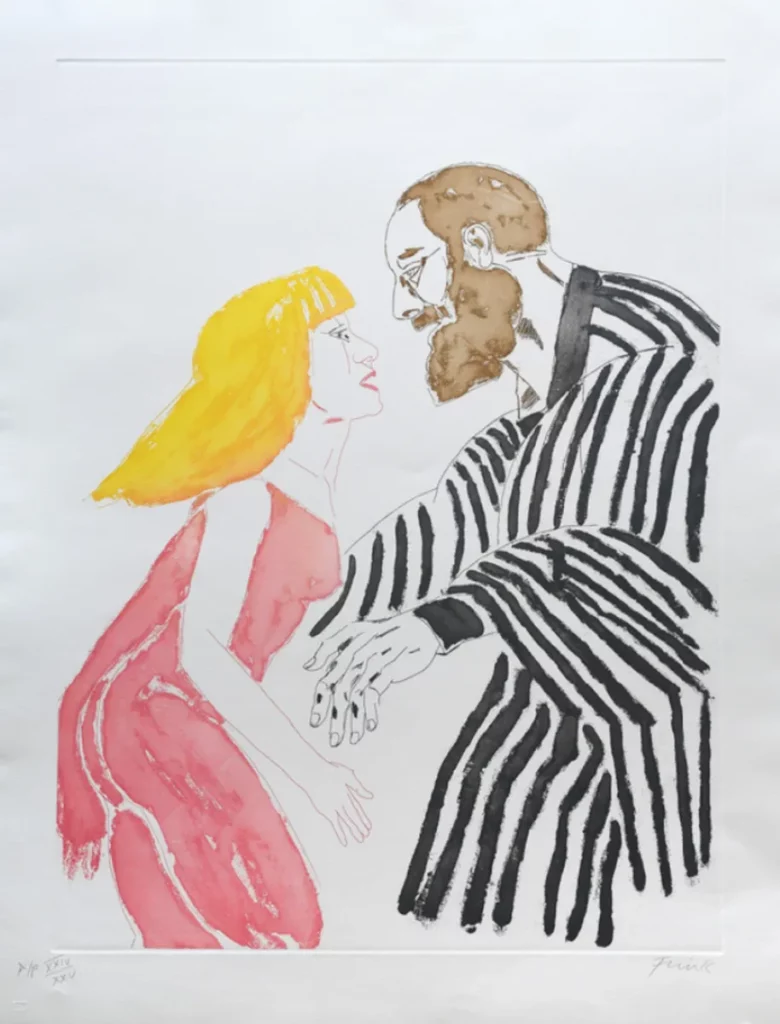
“Anthony and Cleopatra,” by Elisabeth Frink is available on Singulart. This artwork depicts the ill-fated love story of this historical pair. Frink’s “Anthony and Cleopatra” presents the overpowering passion and tragic vulnerability of these mythical lovers. Thus, it demonstrates her tremendous capability to reflect tales of depth through her art.
Are you looking for a piece of artwork from Elisabeth Frink?
Singulart has limited edition prints of Elisabeth Frink. If you are looking for a piece of Frink‘s artwork for sale, simply click on the artwork or the button below to discover more!
Frequently Asked Questions
What was Elisabeth Frink famous for?
In the year 1952, she held her first solo exhibition at the Beaux Arts Gallery in London and the Tate Gallery acquired one of her works called ‘Bird’ (1952). Frink began to be called one of Britain’s best post-war sculptors and figurative artists; she also worked in drawing, and printmaking and produced illustrations.
Where can I see Elisabeth Frink’s sculptures?
Dorset Museum houses the Elisabeth Frink collection. The exhibit is composed of 30 sculptures and more than 100 prints and drawings. All were supplied to the Dorset Museum under the wishes of the late son of Elisabeth Frink, Lin Jammet.
Conclusion
Elisabeth Frink’s “Birdman” is a very good illustration of her unique combination of human and animal forms into sculptures which make people think and feel at the same time. The work’s examination of transformation, freedom, and self-identity depicts her artistic capabilities and a deep understanding of the human mind.