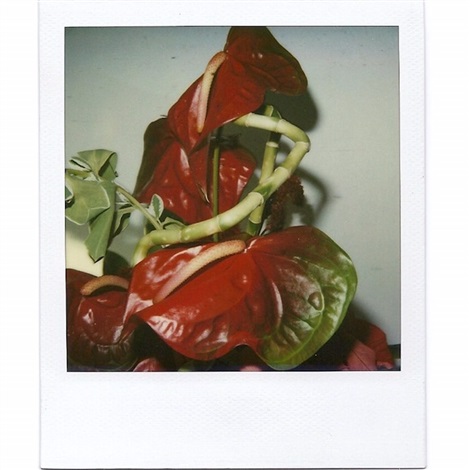
Nobuyoshi Araki is one of the most influential and misunderstood photographers of Japan in today’s contemporary art world. Given his prolific output, Still Life is one of his most profound masterpieces that convey the theme of mortality. This article aims at exploring Araki’s biography, his body of work, and the specifics of ‘Still Life’. It also reveals interesting facts regarding this enthralling artwork.
Who Was Nobuyoshi Araki?
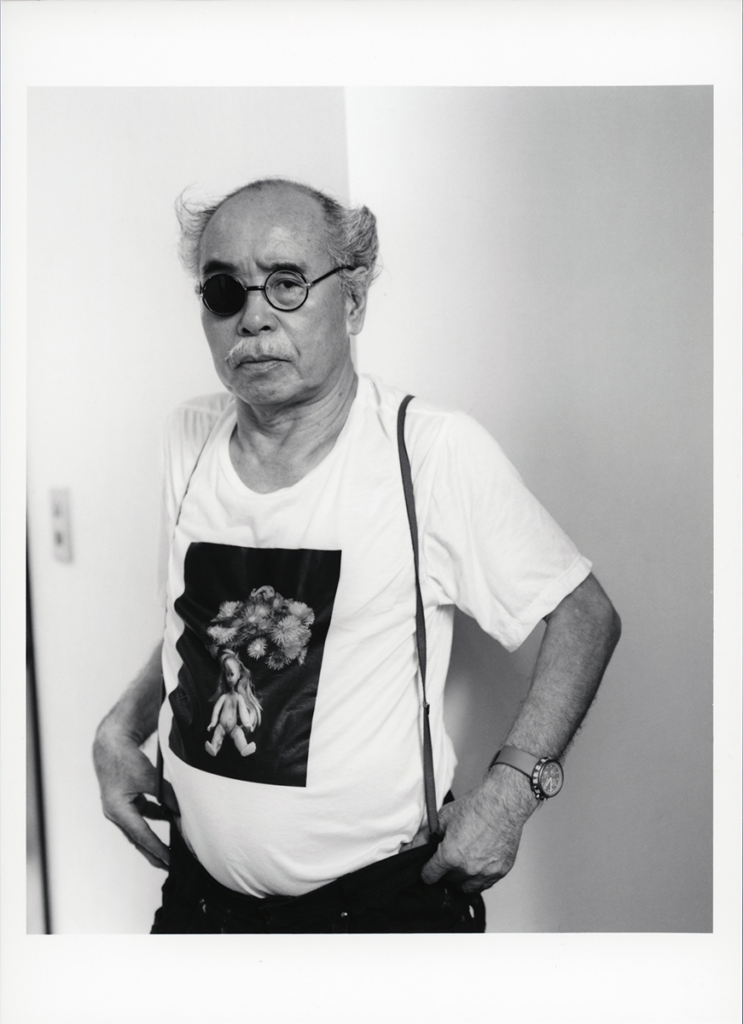
Nobuyoshi Araki – or just Araki – is one of the most prominent contemporary Japanese photographers. Araki was born in Tokyo in 1940, and he has been active for several decades and addresses various topics, including eroticism, kinbaku, and love for his wife, Yoko, who passed away. His style is dark and sexual, though emotionally honest, which makes him stand out from the majority of photographers who work in a rather provocative and sometimes even suggestive manner.
FUN FACT: Nobuyoshi Araki has a playful and eccentric side that often comes out in his work and public appearances.
His Career
Araki started his photographic journey in the 1960s after attending Chiba University to study photography and film. He came into prominence with his series “Sentimental Journey” (1971) which photographed his honeymoon with Yoko. This series laid the foundation for most of his subsequent work meaning personal and artistic. To date, Araki has released more than 500 books, which makes him the most prolific living photographer.
He explores subject matters such as life, death, and sex, among others, within the context of Tokyo’s youth culture. All the photographs taken by Araki are seen to be very personal and naturally erotic and dramatic at the same time. However, Araki’s work has been censored and met controversies but his photography is exhibited in galleries and museums across the world.
What is Happening in Still Life?
| Artist | Nobuyoshi Araki |
| Date Created | 2002 |
| Medium | Photography |
| Genre | Still Life |
| Period | Contemporary |
| Dimensions | Vary (depending on print) |
| Series / Versions | Part of a larger series of still-life works |
| Where is it housed? | Private collections exhibited worldwide |
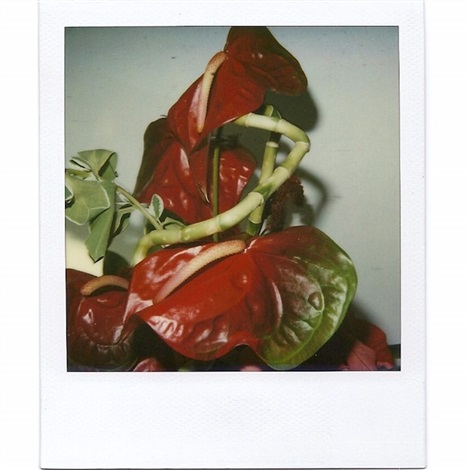
In “Still Life,” Araki attempts to depict the inexorable cycle of life death, and the transformation of life by employing fresh and rotting vegetables and fruits. Like many of the works of Araki, this artwork can be considered as very personal and suggestive. It symbolizes the relation between life and death, beauty and ugliness, which is rather typical for Araki.
The work consists of an installation of flowers, fruits, and other botanicals in fresh and decaying stages. Through this composition, Araki encourages the audience to think about the impermanency of life. The vivid pigments and ornate carvings attract attention and the signs of wear and tear in some of the parts symbolize the conception of life and death.
What’s So Special About Still Life?
“Still Life” is valuable as the fine art by Nobuyoshi Araki precisely because, in its details, it can be seen as capturing the essence of life in its subject matter, and in its conception, it reflects on the issues of death and flying time. Thus, the contrast between beautiful flowers and rotten fruits together with the fact that this contrast is presented by Araki refers to human life as a transitory process. This is not a mere photograph that captures life but a contemplation of the brevity of life, of its fragility as depicted in art. The fact that many of the objects depicted can be found in a typical household at first glance lacks, but again, in the hands of Araki it turns into a deep philosophical message showing his special view of the world as an artist.
Interesting Facts About “Still Life”
Hidden Messages: Araki often includes hidden messages in his work. In “Still Life,” the careful placement of decaying fruits among vibrant flowers may symbolize the coexistence of life and death, a reflection of Araki’s philosophical musings on existence.
Araki’s Signature Style: The photograph is quintessentially Araki, combining elements of traditional Japanese aesthetics with modern photographic techniques. This blend creates a unique visual language that is both timeless and contemporary.
Symbolism Galore: Every element in “Still Life” is laden with symbolism. The flowers, for instance, represent beauty and transience, while the fruits symbolize fertility and abundance. The decaying elements, on the other hand, remind us of the inevitable decline that comes with time.
Cultural Context: Araki’s work is deeply rooted in Japanese culture, particularly the concept of wabi-sabi, which finds beauty in imperfection and transience. “Still Life” encapsulates this philosophy, celebrating the fleeting and the imperfect.
Artwork Spotlight: Untitled
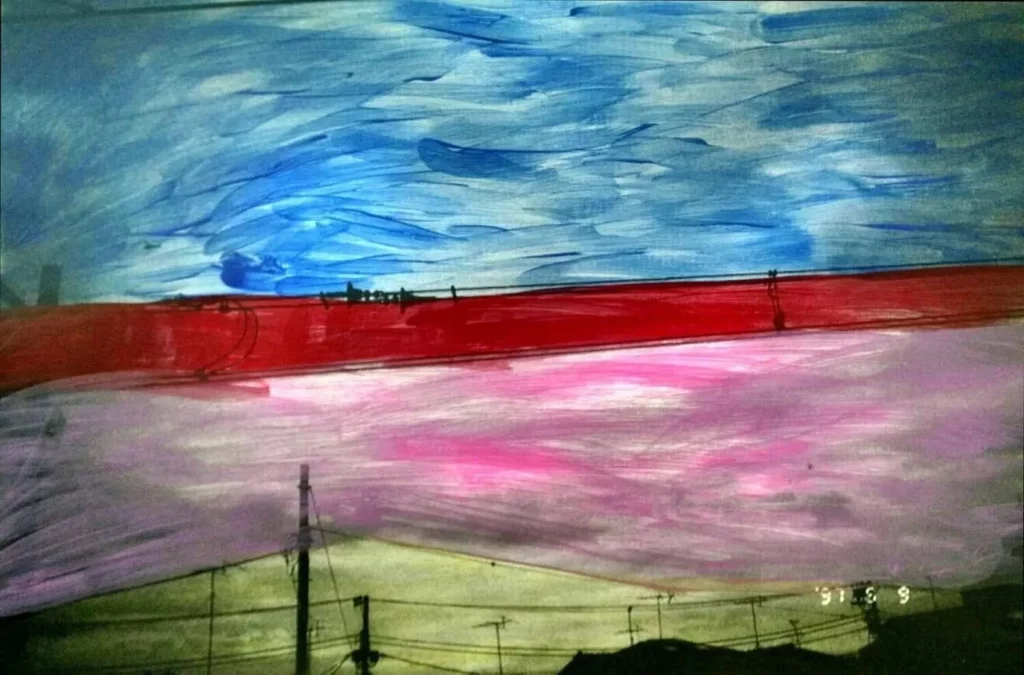
Araki’s piecework “Untitled” is available on Singulart. This artwork is another example of his unconventional style in photography. It embodies an unadulterated feeling and closeness, demonstrating his potential to combine the specific and the general.
Are you looking for a piece of artwork from Nobuyoshi Araki?
Singulart has limited edition prints of Nobuyoshi Araki. If you are looking for a piece of Araki‘s artwork for sale, simply click on the artwork or the button below to discover more!
Frequently Asked Questions
Who is the famous Japanese photographer Araki?
Nobuyoshi Araki (born 1940) is one of the most active photographers in Japan, having published over 500 photobooks and countless images since 1970.
Who is the Japanese controversial photographer?
Born in 1940, Nobuyoshi Araki is a well-known and controversial Japanese photographer whose subjects are attractive women and his obsession with Tokyo, Japan, the city of his birth.
Conclusion
Araking’s “Still Life” is as profound an articulation of life, death, and time as one can conceive of. In this way, Araki shows the viewers the harmony of organic parts and exquisitely organizing them, thus making us ponder upon the impermanence of existence and see the beauty in it. His work is a testimony to one of the few photographers who possess the ability to take the pulse of society through a single frame.