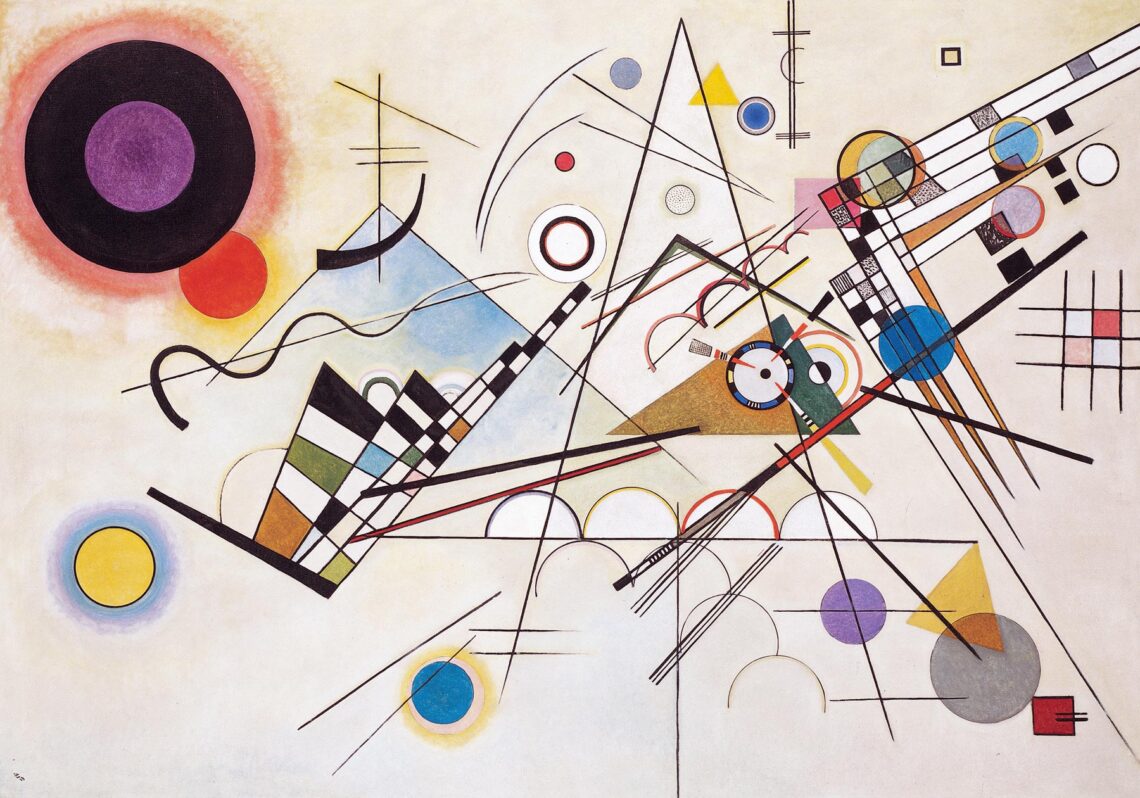
Wassily Kandinsky’s Composition VIII is a symphony of shapes and colors that this canvas sings with energy and abstraction. This bit of jazz is a masterpiece created in 1923, which means it invites you to step into a world of lines bashing into each other and curves flying with circles and triangles zigging and zagging to a hypnotic finish. But what’s going on in this mesmerizing artwork? And what distinguishes this from Kandinsky’s bold body of work?
In this article, we’ll travel deep into the abstract sphere of Kandinsky’s Composition VIII, learn about the fascinating life and career of Kandinsky himself, and work our way through the swirling, floating elements in this iconic piece. On your journey with us, we’ll also share some fun facts about Kandinsky. For him, colors made music. So we’ll now go into the dynamic canvas and the mind of one of the most captivating pioneers of abstract art.
Who Was Wassily Kandinsky?
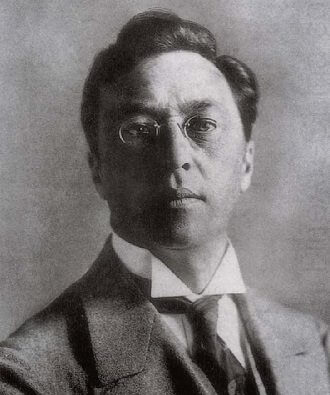
Wassily Kandinsky was not your typical artist. He was born in Moscow in 1866, and had a relatively unremarkable childhood, studying law and economics. At 30, when most people find themselves starting to roll in their careers, Kandinsky flipped the script. Influenced by Monet’s Haystacks and itching to move out into the world of art, he put aside academia for something new.
Not only did Kandinsky start late, but what distinguished him was how he saw the world. It wasn’t just a visual experience creating art for Kandinsky. It was an emotional, musical, spiritual thing. His works are his attempt to convey the otherwise unvoiced forces of the universe.
FUN FACT: Wassily Kandinsky was a trained lawyer before he became an artist! It wasn’t until he was 30 that he decided to abandon law and fully immerse himself in art.
His Career
Kandinsky worked in Munich and Paris. He studied art and then moved onwards through Europe as part of the avant-garde. His early work was connected to recognisable forms but as he developed his style he grew more daring and ambivalent towards forms of representation. After some playing around, he started to experiment with color, form, and line in radical ways and became one of the early giants of abstract art.
He co-founded Der Blaue Reiter (The Blue Rider) in 1911, a group of artists who were pushing and challenging conventional ideas about art. This movement worked on the emotional power of color and form, and Kandinsky with his peculiar way of seeing the world was its center.
When Kandinsky made Composition VIII in 1923 his powers were at their peak and he taught at the Bauhaus where modern art, architecture and design converged. From this period, many of his works concentrate on geometrical abstraction, and each line, curve and circle shares meaning.
What Is Happening in Composition VIII?
| Artist | Wassily Kandinsky |
| Date Created | 1923 |
| Medium | Oil on Canvas |
| Genre | Abstract Art |
| Period | Bauhaus |
| Dimensions | 140 cm x 201 cm |
| Series / Versions | Part of the Composition series |
| Where is it housed? | Guggenheim Museum, New York |
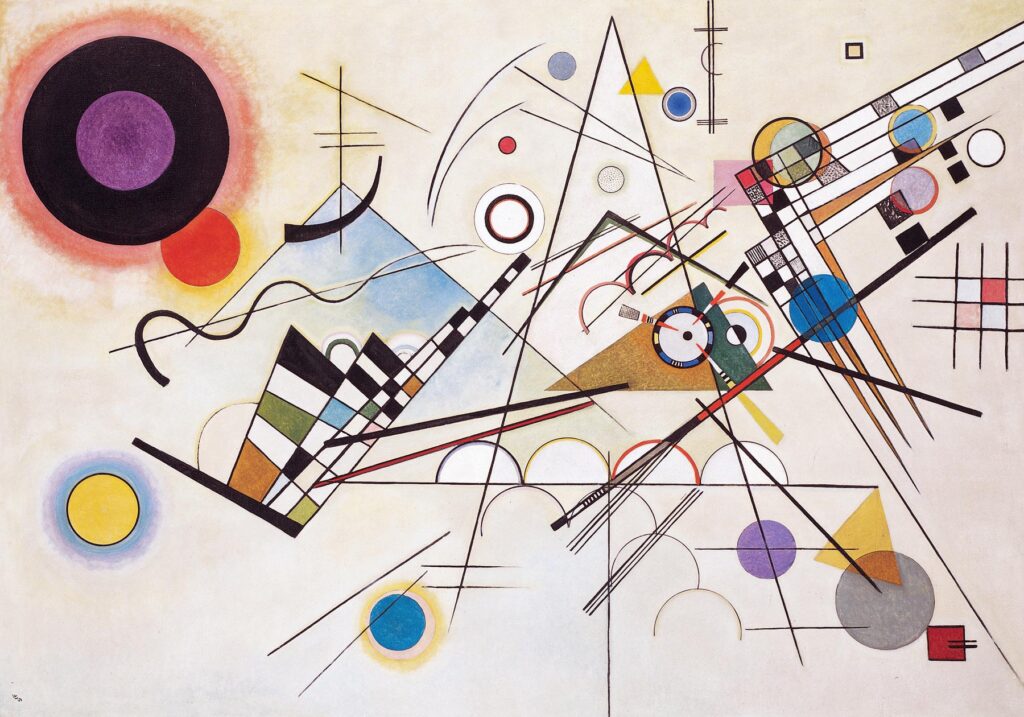
What is going on in Composition VIII??? That’s the magic, it’s not about what is happening, it’s about how it feels. The painting is a composition of geometric shapes, energetic lines, and bold colors without a signature scene behind it. They do not create movement, rhythm, and balance but create a sense of movement, rhythm, and balance instead. That’s like a conversation between the shapes, as the shapes dance together.
Initially, you might see those giant circles of all different sizes floating in space as if raining down like bubbles. It’s a canvas full of jagged, angular lines darting across the canvas, disturbing the softer forms, and bringing tension. What we do is a visual symphony, each part of it playing a note, forming a harmony you feel rather than see.
Once, Kandinsky said that his art was intended to represent the inner world – his ‘inner world,’ of emotions, thoughts, and spiritual vibrations all of which are inconceivable within physical terms. Composition VIII makes sure it does. If traditional storytelling is not what you’re after, it doesn’t tell a story but rather, invites you to experience a mood, a feeling, a piece of Kandinsky’s inner symphony. Parfait, right?
What’s So Special About Composition VIII?
Ah, Composition VIII. So, what makes it so special? First, it’s the spitting image of Kandinsky in his mature style, the one that favored geometry over everything else. It’s an iconic school of modernist thought, a Bauhaus, where artists, architects, and designers were reshaping the visual world. Composition VIII is like a masterclass in the philosophy of Kandinsky’s role at Bauhaus teaching students how to unlock the spiritual power of shapes and colors.
One of the reasons that this painting is so beloved is because it illustrates Kandinsky’s belief that the soul should be with art, not just the eye. At first, it might seem random lines and shapes, and running your eye through them does not give a sense of order or harmony; the more you return to this piece, the more it reveals itself to you. This painting appeals to its timeless qualities because it is that balance between chaos and control, energy and stillness.
Interesting Facts About Composition VIII
Ready for some fun tidbits about Composition VIII? Here we go:
It’s a Thoughtful Reboot: Kandinsky’s earlier Compositions were much more chaotic, almost wild in their expression. By the time he created Composition VIII, he had dialed back the chaos in favor of a more controlled, geometric approach. It’s like the refined older sibling of his earlier works.
A Bauhaus Baby: The painting was created during Kandinsky’s time at the Bauhaus, where modernist ideas about art, design, and architecture were blossoming. This influence is clear in the painting’s crisp geometry and balanced composition.
It’s Musical: We’ve already touched on this, but it’s worth repeating. Kandinsky saw colors and shapes as musical notes and Composition VIII is like a silent symphony. The circles, lines, and bursts of color work together in a way that feels rhythmic and dynamic, almost like a jazz improvisation.
Hidden Emotions: Even though the painting looks cold and calculated with its geometric forms, Kandinsky believed that shapes and colors carried deep emotional and spiritual meanings. For him, a yellow triangle could evoke joy, while a blue circle might bring a sense of calm or serenity. What do you feel when you look at Composition VIII?
Artwork Spotlight: Message Intime
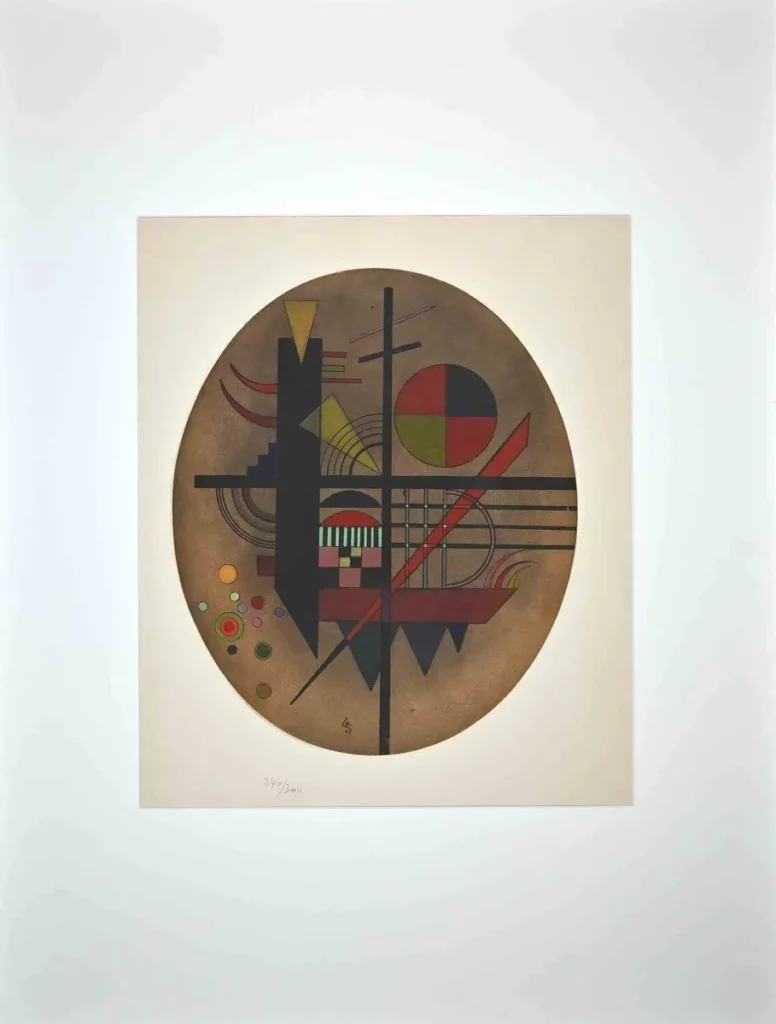
Kandinsky’s earlier work Message Intime is also available on Singulart. It’s a softer, more intimate painting, but you can still sense his obsession with color and form in every brushstroke. Ça va?
Are you looking for a piece of artwork from Wassily Kandinsky?
Singulart has limited edition prints of Wassily Kandinsky. If you are looking for a piece of Kandinsky‘s artwork for sale, simply click on the artwork or the button below to discover more!
FAQs
1. What does Kandinsky’s art mean?
In his abstract paintings, Kandinsky aimed to do away with the middle, objective world and immediately depict his inner vision through color and movement on the canvas.
2. What is Kandinsky’s color theory?
Kandinsky believed that mood was influenced by color and that artistic experiences were really about feeling. While blue could uplift people, yellow might disturb.
Conclusion
Composition VIII is not a mere assemblage of shapes and colors, it’s a formidable abstract vision of the world, a geometrical symphony, pulsating both with energy and feeling. What’s so special about this painting is Kandinsky’s ability to render a canvas into an orchestration of feelings and sensations. Continuing with Bauhaus roots, Composition VIII still pulls at the veins of people to look at the world differently, not as it has presented itself but as it has felt.