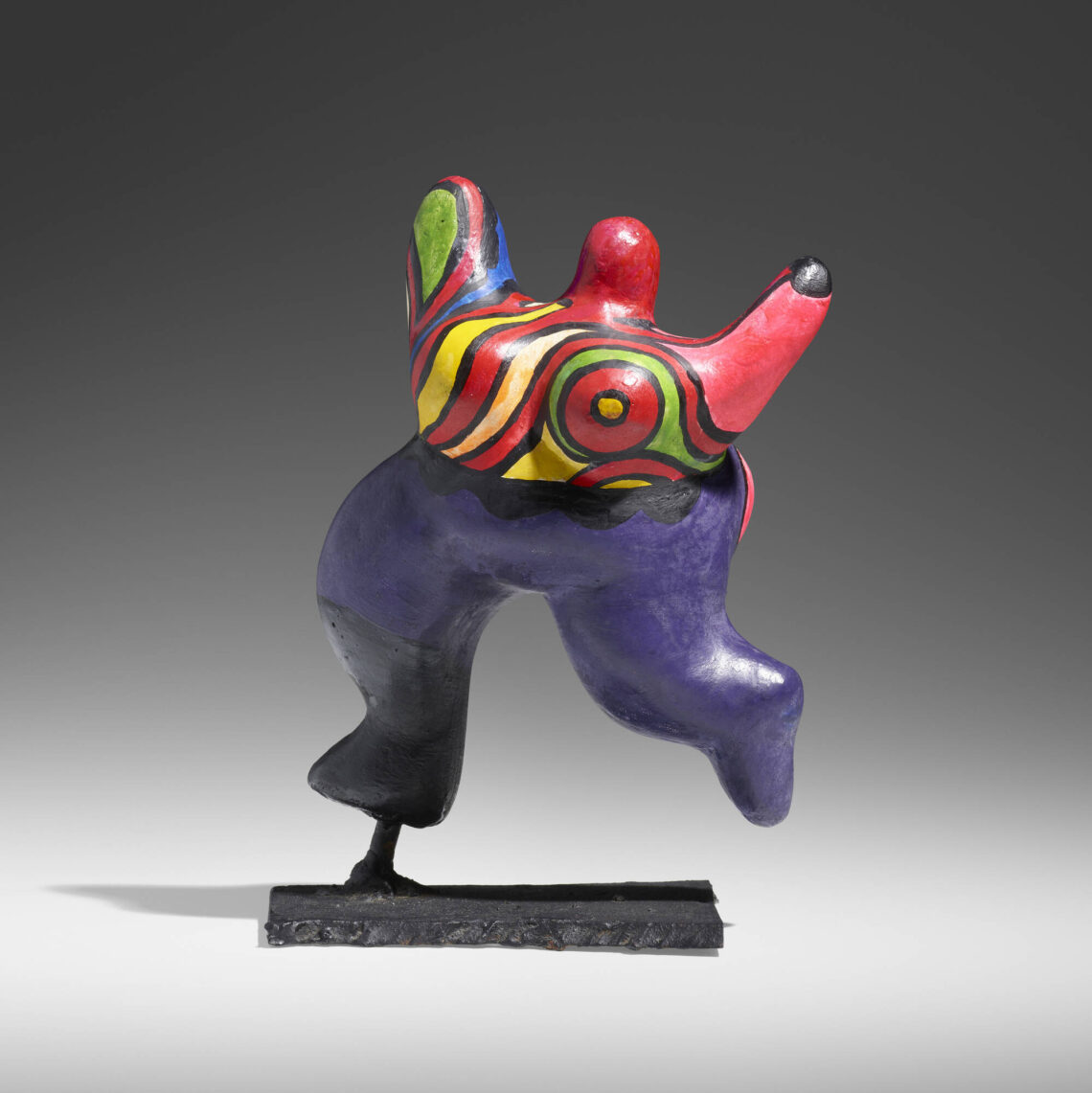
Niki de Saint Phalle’s Nanas series is a vibrant, joyful, celebratory series around womanhood, alive in its multitude of colors and voluptuous forms. Niki’s belief in the power of femininity, liberation, and self-expression is demonstrated in these iconic sculptures that stand as a testament to their power. Before we get into the groundbreaking series, let’s see who the artist was who made it all come about.
Who Was Niki de Saint Phalle?
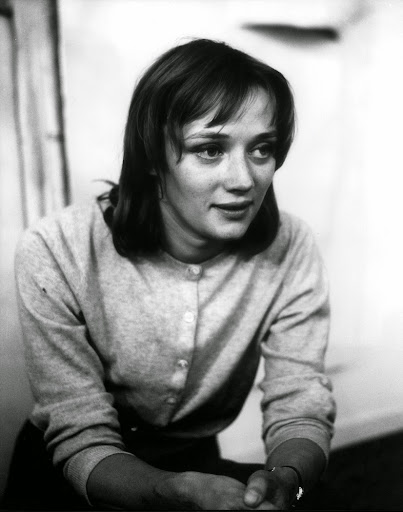
Niki de Saint Phalle was born in France in 1930 but was raised between France and the U.S. a lot. In fact, before becoming an artist, she was a model! But she didn’t waste much time figuring out she wanted to be more creative. Even though she began painting, sculpting, and making films. Her art wasn’t in pretty pictures, but it was bold, loud, and sent strong messages.
In her art, Niki spoke out about issues such as women’s rights, and getting away from the normal people that she was supposed to be following. You might know her for her colorful sculptures of women, called Nanas which encapsulate her journey as a feminist artist.
FUN FACT: Before becoming an artist, she was a fashion model! In her early twenties, she graced the covers of Life magazine and Vogue.
Her Career
In the 1960s, Niki’s career jumped off, and she was also known for her bold and unique approach to art. She was a Nouveau Réalisme movement artist, a group determined to remake what art could look like. Niki wasn’t just one artist — she painted, sculpted, and even made massive public works.
Her color was filled with meaning, but her work, too, was filled with energy. Niki wasn’t afraid to talk about tough topics and most often did so in ways that surprised people. Her most powerful pieces were the Nanas Series, which she created in the early ’70s.
What is Happening in The Nanas Series?
| Artist | Niki de Saint Phalle |
| Date Created | 1964-1970s |
| Medium | Polyester, wire mesh, paint |
| Genre | Sculpture |
| Period | Nouveau Réalisme |
| Dimensions | Various Sizes |
| Series / Versions | Numerous iterations |
| Where is it housed? | Public spaces, Hanover Museum, Paris |
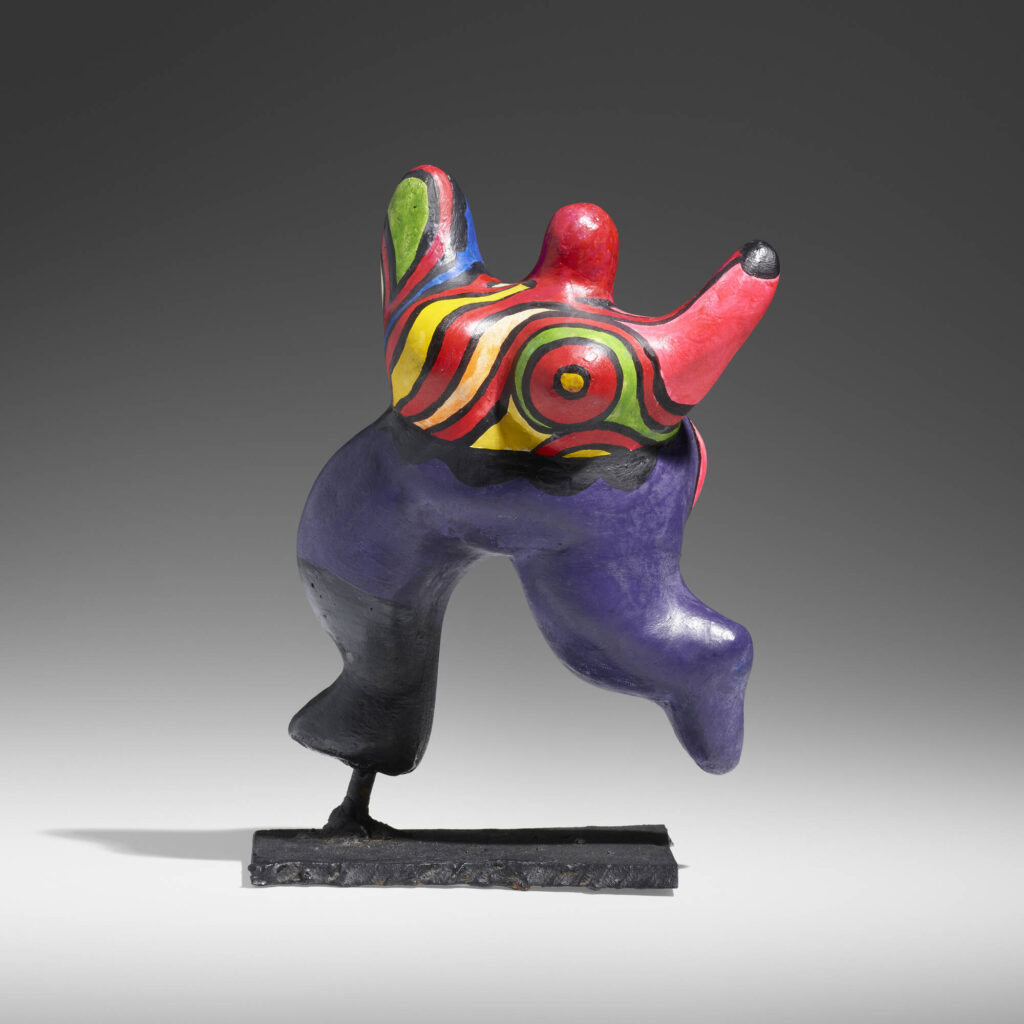
The Nanas emerged as an exciting fashion statement for feminity in the middle of the 1960s. Dancing, leaping, and stretching their arms wide, these exuberant sculptures depict women in many dynamic poses. These exaggerated forms with rounded bellies, large hips, and smiling faces are not only a celebration of the female body, it are also a reclaiming of the female body.
The Nanas aren’t imaginary beings. No, they stand proud and unapologetically confident and powerful women. Once, Niki described them as a reaction to how women have so far been represented in art, as objectified and fragile. Instead, her sculptures are the joy, strength, and freedom of womanhood.
They are decorated in riotous colors, reds, greens, blues, and yellows, frequently with hearts, stars, or geometric patterns. Large, and somehow basking in the glory of liberation, they seem to radiate life, moving with the rhythm of freedom. When you see a Nana for the first time: you just can’t help but feel uplifted. They are a visual exclamation point of “Ça va?” to the world.
What’s So Special About the Nanas Series?
The Nanas became a symbol of power. The playful forms challenged beauty standards and societal expectations of how women should behave, or look. The Nanas are a love letter to women everywhere, affirming that it’s okay to take up space, to be seen, and to love yourself just as you are.
The Nanas also reveal Niki’s unique creative process and go beyond their feminist message. She combined polyester with wire mesh, and bright, glossy paints, to bring them to life. Some were big enough to be forces of nature, giants in the proportions of a Nan. For example, La Nana Maison was a ‘massive structure’ that visitors could walk into — step into the Nana’s world. Talk about immersive art!
Interesting Facts About the Nanas
Here are a few things you might not know about these delightful sculptures:
Monumental Scale: Some Nanas were created to be huge. Le Paradis Fantastique—one of Niki’s larger works—was a towering installation that featured several Nanas in motion.
Collaborative Spirit: Niki often worked with her husband, the Swiss sculptor Jean Tinguely. Their collaborations brought an element of kinetic art into her sculptures, with some Nanas being animated to move or dance.
In Public Spaces: Many Nanas were commissioned for public spaces. One of the most famous Nanas, known as La Grande Danseuse Noire, stands proudly in the streets of Hanover, Germany, radiating joy to all who pass by.
Global Phenomenon: The Nanas became so popular that they appeared in exhibitions worldwide, transcending cultural boundaries with their universal message of joy and empowerment.
Personal Touches: The artist often included elements of her personal life in her works. For example, her famous piece Last Night I Had a Dream delves into her surreal dreamscapes, hinting at her imaginative spirit.
Artwork Spotlight: Last Night I Had a Dream

Her famous piece Last Night I Had a Dream is available on Singulart. This artwork delves into her surreal dreamscapes, hinting at her imaginative spirit.
Are you looking for a piece of artwork from Niki de Saint Phalle?
Singulart has limited edition prints of Niki de Saint Phalle. If you are looking for a piece of Phalle‘s artwork for sale, simply click on the artwork or the button below to discover more!
FAQs
1. What happened to Niki de Saint Phalle?
At the age of 72, Niki de Saint Phalle passed away in La Jolla, California, on May 21, 2002. The Niki Charitable Art Foundation has overseen the preservation and promotion of the artist’s creations ever since her passing.
2. What was Niki de Saint-Phalle best known for?
Saint Phalle was well-known for her social activism and artistic endeavors, in addition to being one of the few female monumental sculptures. Many decades later, she wrote about her difficult and traumatic childhood and her disrupted education.
Conclusion
In the end, the Nanas remind us that art can be both fun and revolutionary. Niki de Saint Phalle found a way to channel her rebellious spirit into something that resonates with people on a deeply emotional level. The Nanas tell a story of female empowerment, of breaking free from societal expectations, and of celebrating life itself—one exuberant sculpture at a time.
If you’re ever lucky enough to stand in front of one, you might just feel a spark of that energy. Niki’s Nanas don’t just exist in space—they dance through it, inviting you to join the party. Alors, isn’t that what art should be about?